Table of Contents
The Council on Aging has launched a new Caregiver Support Program to ease the emotional, logistical and financial stress on family caregivers.
The program, supported by an $8,500 grant from Winchester Mount Vernon House, officially kicked off with its first public event in late November, a talk led by occupational therapist Dr. Katie Wadland at the Jenks Center.
The funding is part of a two-year commitment: half allocated in 2025 and the remaining $4,250 scheduled for 2026.
For COA board member Cynthia Bohne, the initiative fills a gap she noticed upon joining the board last year.
“I was addressing the issues around how we could better support our seniors by supporting the caregivers that were helping to take care of them,” she said.
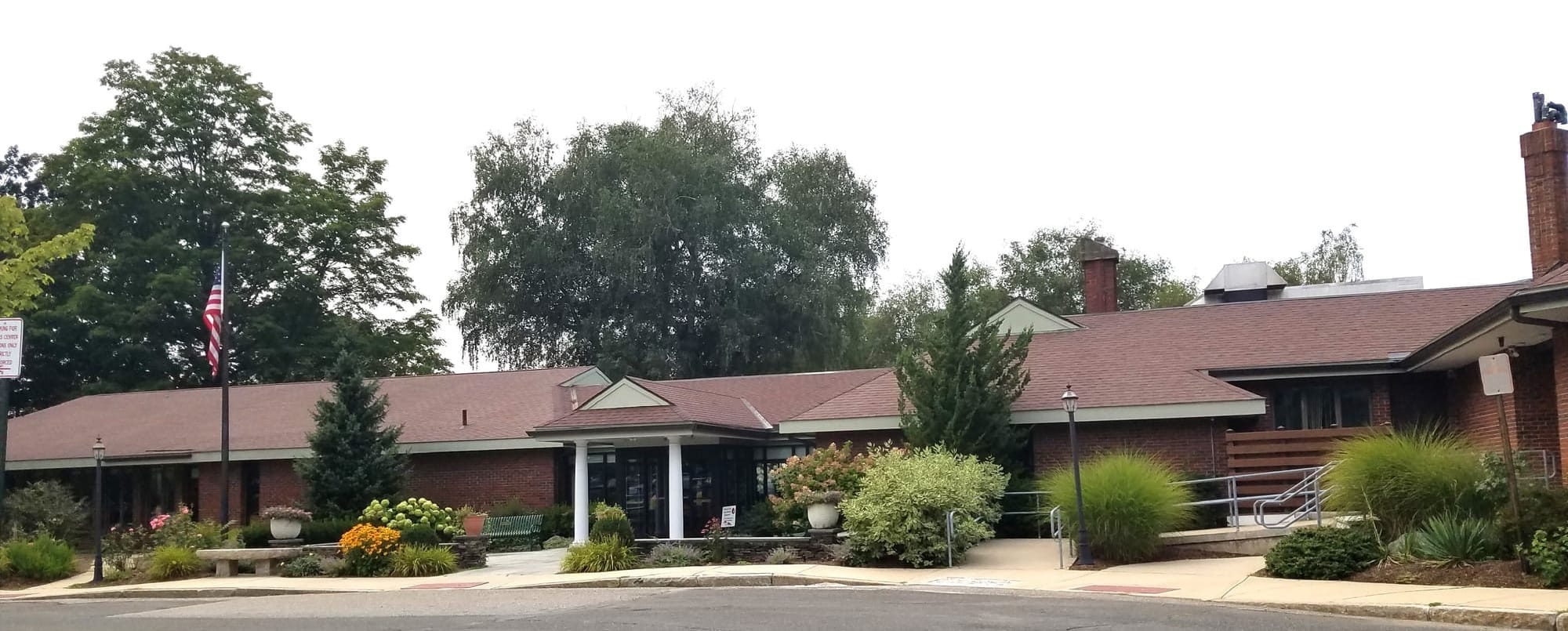
The Caregiver Support Program grew out of early 2025 discussions within the COA. While the Jenks Center already offered classes, recreation and social opportunities for seniors, Bohne noted that caregivers, the people who arrange appointments, coordinate finances, manage medications or navigate crises, often lacked both community and guidance.
That gap became clear during the COA’s first caregiver-related event in May 2025. Co-sponsored with local nonprofit Parent to Parent, the program, titled “The Sandwich Generation: Managing the Complexities of Caring for Both Aging and Young Loved Ones,” drew many people.
The turnout confirmed what the COA already suspected: residents were hungry for resources, shared experiences, and support.
“I want to say we had about 60 or 70 people show up, which was amazing, given that it was on a Tuesday night and we didn’t do much publicity around it,” Bohne said.
Deborah DePeter, a local interior decorator, became a caregiver a year and a half ago when her 87-year-old father was moved into an assisted living facility. DePeter has been attending the events COA hosted.
“Some of us, like quite suddenly, we’re in a caretaking position because of an emergency, and you’re kind of blindsided,” she said. “So in that sense, it’s been nice to have this resource, and I hope more people become aware of it.”
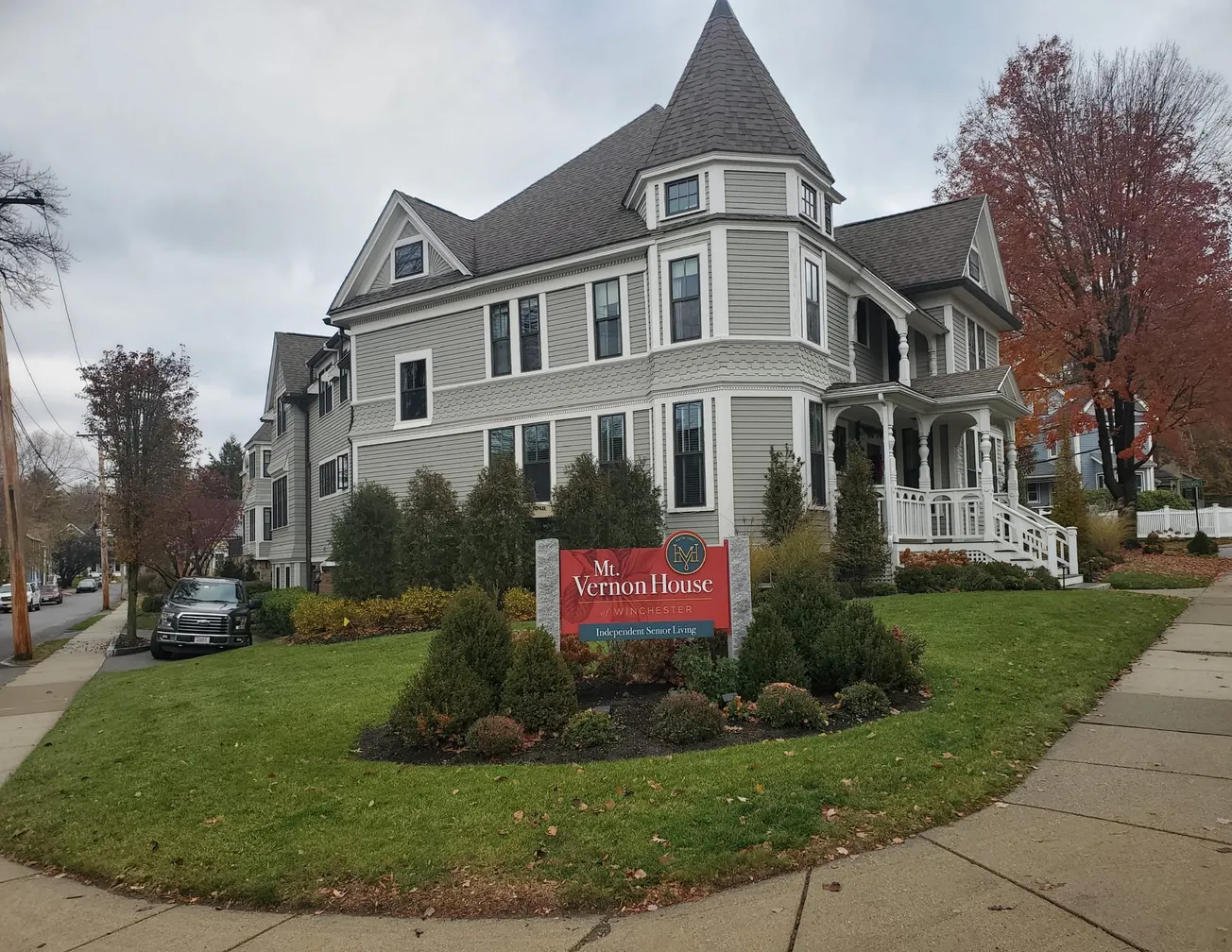
Winchester Mount Vernon House’s director Stephen Anderson, a retired attorney, said the COA’s proposal aligned with the organization’s founding mission.
Established in 1905 as the Winchester Home for the Aged, Mount Vernon House operates both a small residential facility on Mount Vernon Street and a charitable foundation that supports, as its charter calls them, “the respectable elderly,” primarily through funding local initiatives that assist seniors.
The foundation’s planning and funding committee, of which Anderson is a member, has historically supported programming through the Winchester Seniors Association and the Winchester Seniors Association Trust, the two private nonprofits that operate and maintain the Jenks Center facility. The COA had not previously been a direct funding recipient.
But that changed when the COA approached the foundation last year, requesting funding for two programs: the caregiver program and a town bus driver.
“Caregivers are an essential part of supporting seniors,” Anderson said. “The proposal was thoughtful, community-centered, and directly aligned with our mission. It was an easy decision.”
Though Mount Vernon House declined a separate COA request to subsidize a town bus driver, Anderson said the foundation remains open to future collaborations.
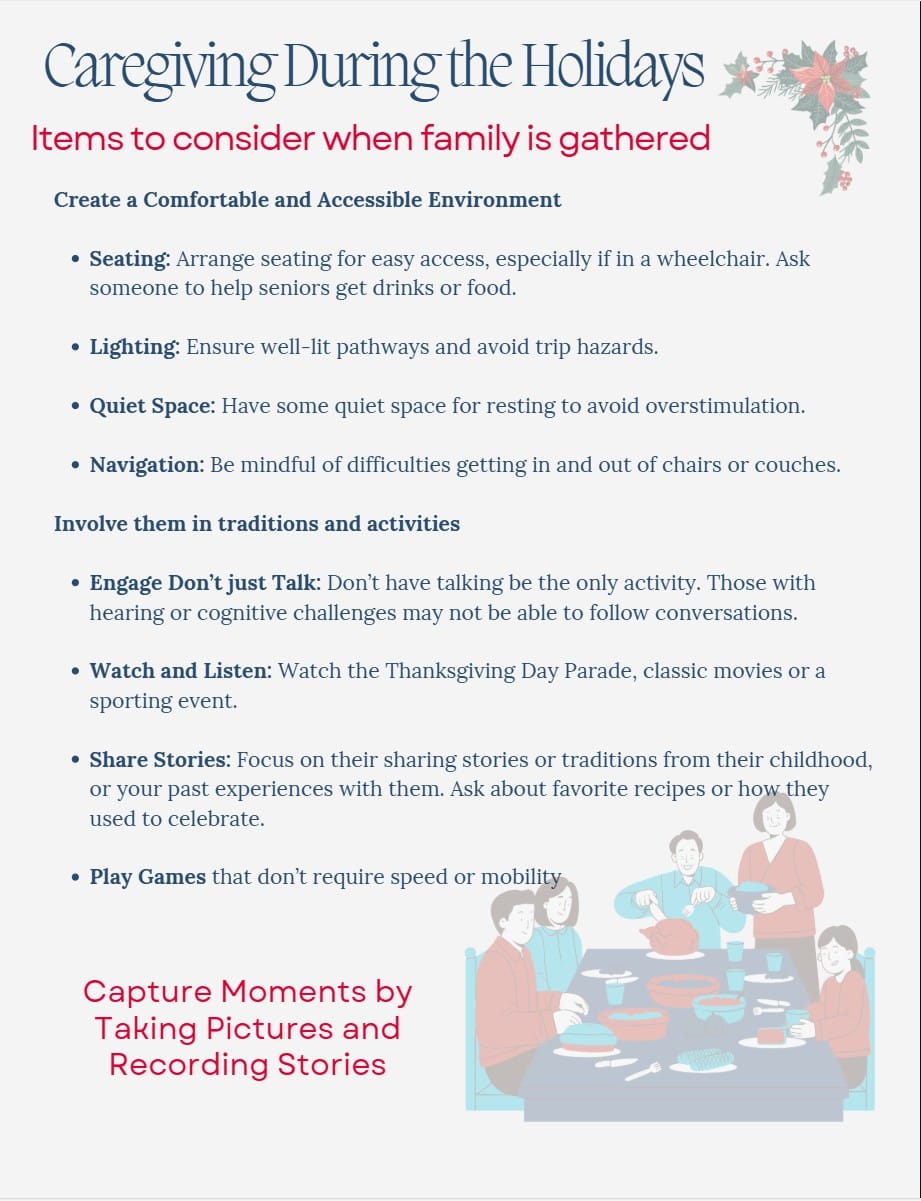
The Caregiver Support Program has three main components: in-person gatherings for sharing experiences, an online community via a private Facebook group and Winchestercaregiversnetwork.org, and expert talks on topics like Medicare, dementia care, legal planning and family conversations about aging. Wadland’s talk was the first event under the Mount Vernon House partnership.
The program also offers respite time for caregivers.
“I’ll have my dad here to my house for Thanksgiving,” DePeter said. “This presentation helped with a lot of practical suggestions, including devices that can make it easier for an elderly person to get up from a low couch or a cane that kind of almost has a brick at the bottom of it that can help people use stairs.”
Launching last week, a new library will offer assistive devices for caregivers and seniors — from walker aids to specialty items like tilt-assist kettles — many recommended through COA partnerships with occupational therapists and the MIT AgeLab.
Residents will be able to borrow items to test at home before deciding whether to purchase them.
“Anything on that list would be great for people to be able to borrow,” DePeter said.
Aayushi Datta is a journalism student at Boston University. This story is part of a partnership between Winchester News and the Boston University Department of Journalism.