
Table of Contents
Local haulers and residents pushed back against a slate of proposed transfer station fee increases in Winchester, warning the changes would burden small businesses and families already stretched by rising costs.
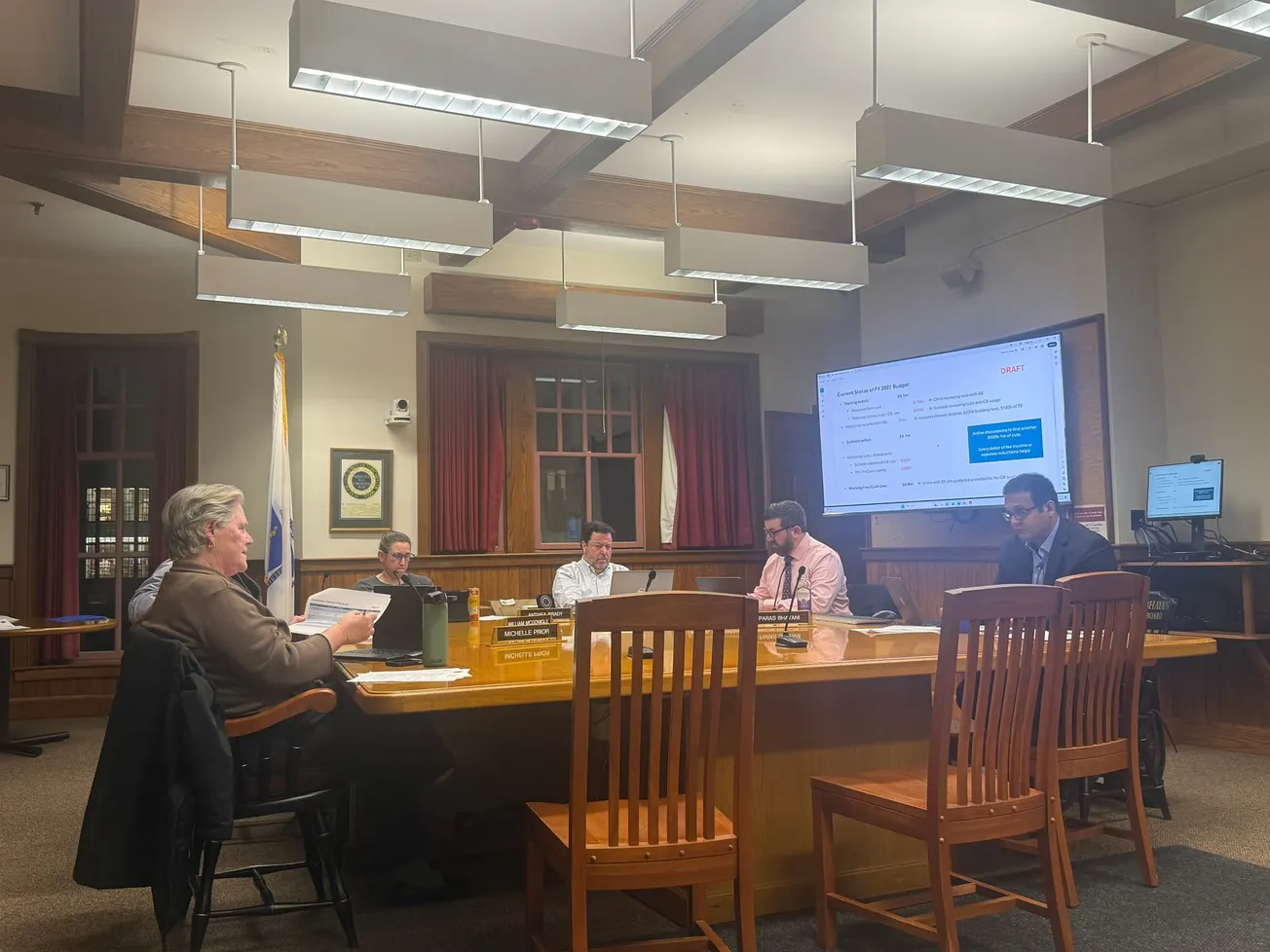
The Winchester Select Board reviewed the proposals at its April 6 meeting as part of a broader effort to identify new revenue after voters rejected an $11.5 million override earlier this year.
The fee changes, presented by Public Works Director Robert LaBossiere, are projected to generate about $164,200 in additional annual revenue — but drew sharp criticism from commercial users who said the math behind the increases did not hold up.
With the override off the table, town officials have been searching department by department for ways to close a $5.1 million budget gap, and the transfer station — which serves both residents and a handful of commercial haulers — emerged as one of the first targets.
LaBossiere recommendations covered a range of items and services. Among the proposed changes: increasing commercial solid waste fees from $190 per ton to $210, an increase estimated to bring in about $68,000; raising commercial mixed waste fees from $210 per ton to $230, estimated at about $15,000; and increasing demolition debris fees from $246.75 per ton to $260, estimated at about $19,500.
On the residential side, the plan called for raising couch disposal fees from $10 to $20; increasing residential mattress disposal from $25 to $30; and increasing commercial mattress disposal from $35 to $40. Two new $10 disposal fees were proposed — one for toilets and one for printers — with the printer fee alone projected to bring in about $7,500.
The plan also included selling processed compost and loam-type material to contractors, projected to generate about $25,000, and removing glass from the recycling stream to reduce disposal costs by an estimated $20,000.
LaBossiere also floated a possible $25 late fee for transfer station permits purchased after a set deadline, noting workers had handed out roughly 1,700 reminder flyers this year alone.
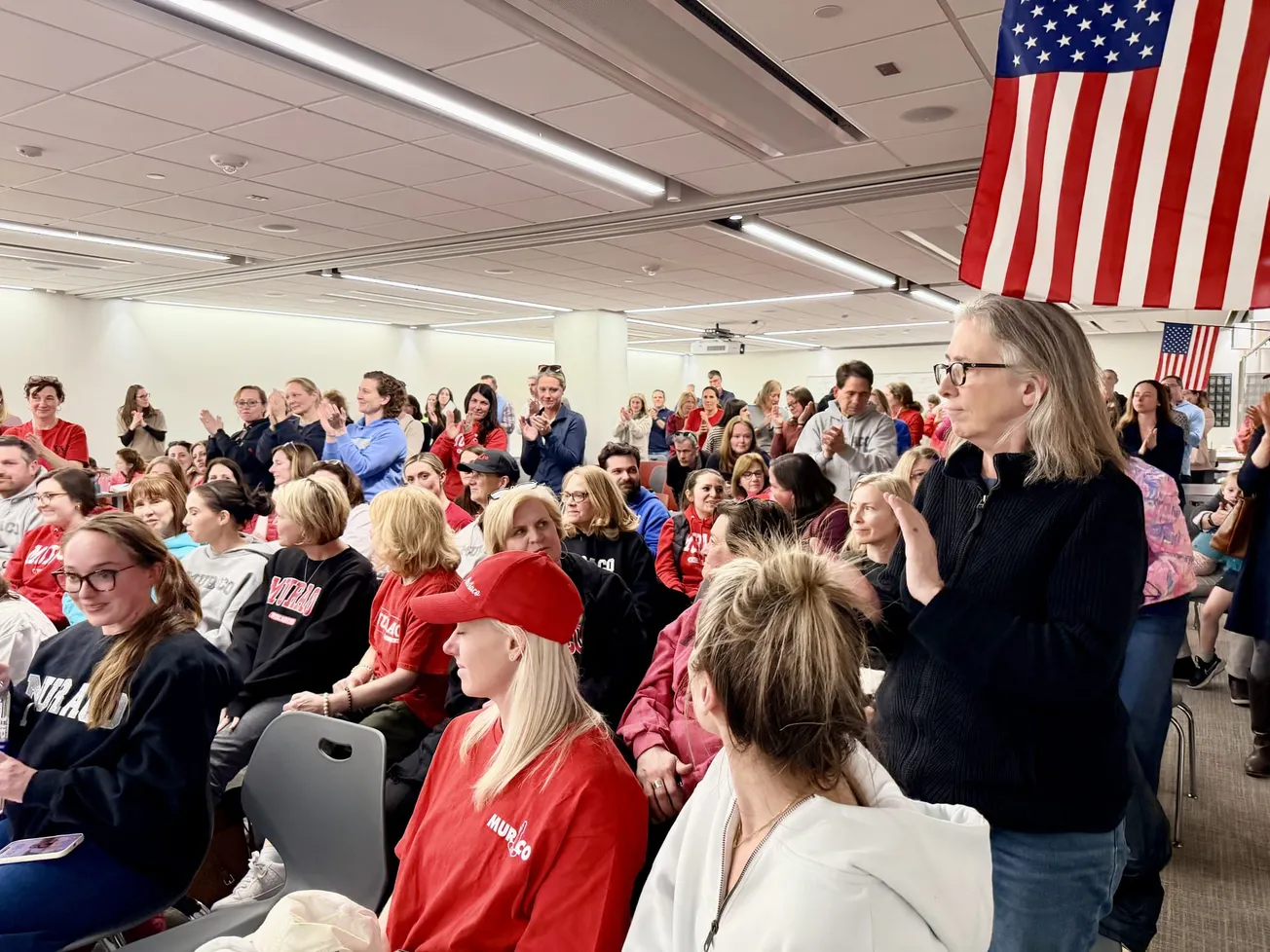
The sharpest objections came during public comment from two local haulers who said the commercial fee increases were based on flawed assumptions.
George Nowell, a Winchester resident and local hauler, told the board his family had served the community for more than 100 years and warned the comparison driving the proposal did not hold up under scrutiny.
He said residents pay a flat fee covering trash, recycling and food waste, while commercial users are charged per ton by material — yet the town’s analysis divides the full residential fee by trash tonnage alone.
“That is not an equivalent comparison,” Nowell said.
He also questioned the timing, noting commercial rates had already gone up roughly 8% in January.
“Rates are typically set following the annual November vote, and there is no clear precedent for multiple increases within the same year,” Nowell said. “Never mind within the span of just five months. I’m not sure that’s ever happened.”
Nowell pressed the board to remember that Winchester’s commercial haulers are not corporate operators.
“Local haulers are not large national companies in Winchester,” he said. “They’re essentially two small, family owned businesses operating a combined total of eight smaller trucks. We are just trying to operate and survive in the same economic conditions as everyone else in town.”
He closed with a direct appeal: “I respectfully ask for a measured and thoughtful approach to any increase being considered.”
Dawn Johnson, owner of M&M Landscaping and Rubbish Removal, followed Nowell. A lifelong resident who lives near the site of her immigrant grandfather’s old general store, Johnson framed the issue as one of community character as much as economics.
“Winchester is a symbiotic ecosystem, and it’s fragile,” she said.
Johnson warned higher commercial fees would not stop at the haulers.
“Higher rates for commercial haulers lead to higher customer rates, which, of course, leads to less customers,” she said, describing young families juggling work and activities and older residents who cannot easily haul their own trash. “They simply don’t have time.”
She urged the board to weigh the downstream effects before acting.
“We’re small business, and we cannot afford to lose more customers,” Johnson said.
Board members did not dismiss the concerns. Vice Chair Bill McGonigle pressed LaBossiere repeatedly on how specific numbers had been calculated, asking about everything from the price per ton of compost to the $10 figure attached to printer disposal.
Member Michelle Prior said she was uncomfortable revisiting commercial rates so soon after the last adjustment.
“I don’t think we should touch commercial rates until November,” Prior said, comparing the proposal to changing a tenant’s rent mid-lease. “I think if we’re on a path to get there, we should be on a path to get there.”
Member Mike Bettencourt echoed that view and floated a softer approach.
“Phasing in some of these increases incrementally over time makes more sense to me,” Bettencourt said.
He also raised the idea of a curbside bulk-item pickup program for mattresses and appliances, suggesting residents might pay a premium for the convenience.
Member Paras Bhayani pushed in the other direction, reminding colleagues the board had unanimously directed the town manager on Feb. 12 to find $250,000 in transfer station revenue for the current year. The current proposal, he noted, falls well short of that figure.
McGonigle acknowledged the bind.
“This is not something I personally would like to do, but it’s something that I think we’ve been now almost required to do,” he said. “We just need to find revenue, and this is one of the few places that we can find it in town.”
No final vote was taken.
Chair Anthea Brady said the board would bring the proposals back at a future meeting with additional analysis, including comparable rates at nearby transfer stations and a clearer breakdown of how each fee change would affect revenue.
Brady also said there should be another opportunity for public comment before any decision is made.
The exchange reflected a tension that has surfaced repeatedly since the override failed: the town needs additional revenue, but residents and business owners are watching closely to make sure the burden is shared fairly.
The board is expected to revisit the proposals at a future meeting, though no date has been set.
Will Dowd is a Massachusetts journalist who covers municipal government and community life for Winchester News. He runs The Marblehead Independent, a reader-funded digital newsroom.