Table of Contents
The Select Board has launched an anonymous online survey asking residents why they rejected the town’s $11.5 million operating override in March and how a future ballot question should be structured, as officials weigh their next move against a roughly $5 million structural deficit.
The “March 2026 Election Voter Survey,” a Google Form, will be open for about two weeks. The board is pairing it with listening sessions — one held this week, another scheduled for Wednesday and a third planned on Zoom for a date not yet set.
Voters defeated the override 2,558-2,265, a margin of 293 votes, at the March 21 annual town election, the town’s first rejection of a Proposition 2½ question after seven consecutive approvals dating to 2017. The measure would have directed $9 million to operations and $2.5 million to capital stabilization, at a projected cost of about $719 on the average single-family tax bill in the first year.
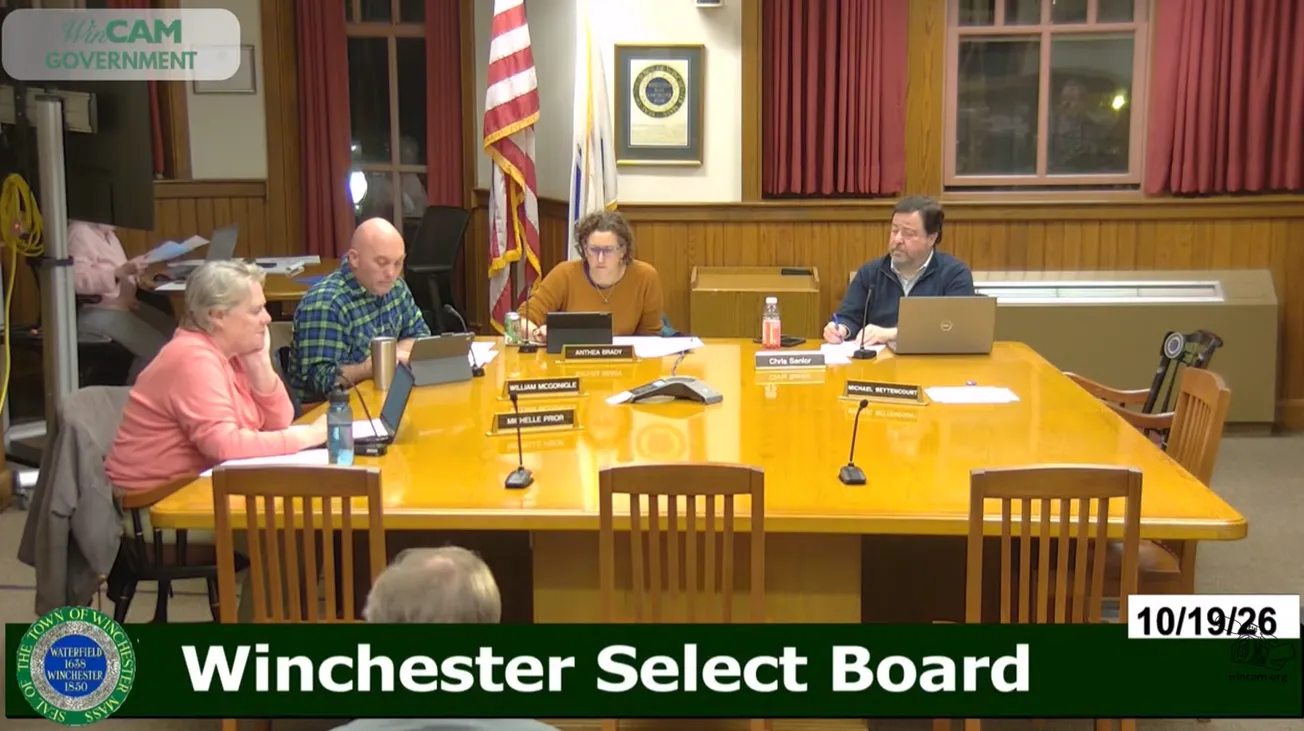
Select Board Chair Anthea Brady said the survey is intended to inform “how we message the need,” what type of information the town distributes and how the board approaches the process. She did not commit to placing another override before voters.
The survey first asks residents whether they were aware of the election, whether and how they voted, and which of four information sources they used: the town website, public briefings, neighborhood gatherings or board and committee meetings.
Respondents may list up to three factors behind a yes or no vote and identify what additional information would have helped them decide.
Later questions ask residents to indicate preferences among ballot structures: a single combined question like the one on the March ballot; separate questions for the operating budget, building stabilization fund and capital stabilization fund; or a two-question format pairing an operating override with a debt exclusion for capital projects.
Another section asks about a tiered ballot offering two funding levels — a base amount to “maintain current staffing, cover fixed cost increases” and a larger amount — with the dollar figures shown as placeholders. The survey notes the structure and amount remain “solely within the purview of the Select Board.”
The board chose an open format over a statistically representative sample. Anyone with the link can respond, there is no verification of residency or limit on submissions, and the form directs residents who want anonymity to open the link in an incognito window.
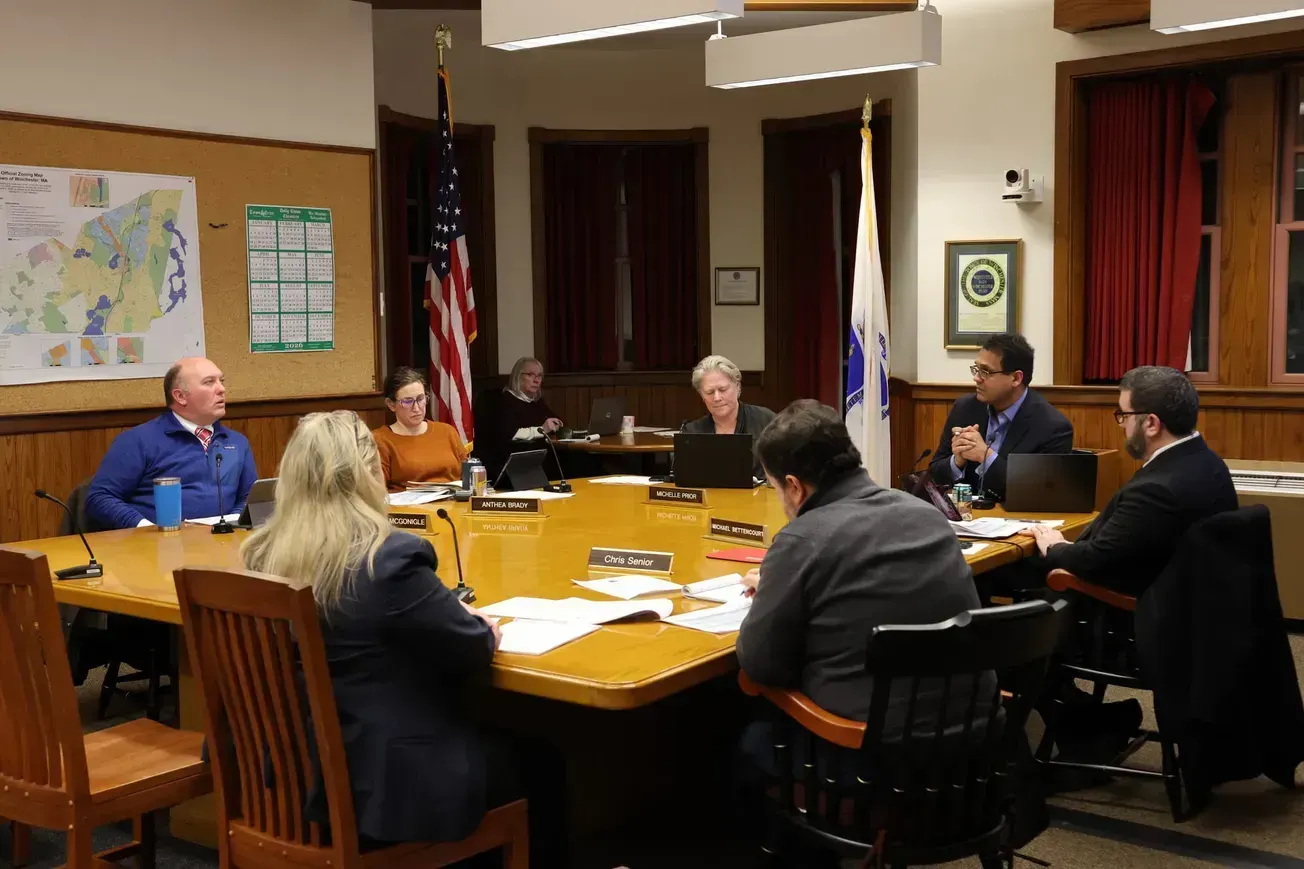
Brady raised her own concerns about the survey’s limits when the board reviewed a draft at its May 18 meeting. Speaking in what she described as her professional capacity, she said the town would get “a lot deeper information from a focus group than the survey” and suggested convening groups that include both yes and no voters along with residents who were unaware of the election.
The stakes are tied to the budget gap the override was designed to close. The deficit is driven by rising health insurance and pension costs, and the Capital Planning Committee has identified $85.6 million in projects over five years against $31.7 million in available funding. Without new revenue, town officials face decisions about cuts heading into budget season.
The survey’s final question asks respondents to identify their precinct, the only demographic information it collects. Five of the town’s eight precincts voted against the override in March. Precinct 5 delivered the widest rejection, 397-224.
Will Dowd is a Massachusetts journalist who covers municipal government and community life for Winchester News. He is also the founder and editor of The Marblehead Independent, a reader-funded digital newsroom.