Table of Contents
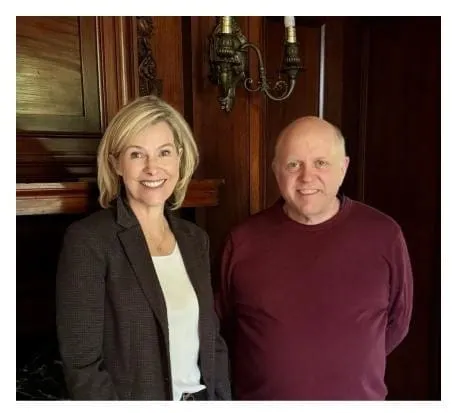
Thanks to new grant funding, the Winchester Historical Society has added two new members to its ranks to help the organization continue to record and share stories about the town and its inhabitants.
A three-year $300,000 grant from the Cummings Foundation, a Massachusetts-based philanthropic organization, has allowed the 33-year-old organization to hire a director of education and a director of communications, the first time the Historical Society has had these positions.
“It’s hard to gain traction in critical areas because of the consistent dedication that’s needed to help something come to fruition year after year,” said Electra Govoni, president of the Society. “We just knew we wanted to be doing more, and we wanted to go deeper and lean heavier into this.”
For Govoni, what the Historical Society exists to do is preserve and amplify the stories that make Winchester what it is — like how 10 oil paintings depicting the Stations of the Cross came to be hung at various churches in town.
The paintings were a gift from a Belgian village, Hemroulle, that had helped the U.S. Army Major John D. Hanlon serving in World War II camouflage himself and his company in the snow by providing 500 bedsheets.
Over three years later, that man, along with the help of others around Winchester, collected 700 bedsheets to personally return to the Belgian villagers. Touched by his gesture, the village commissioned and gifted the oil paintings, hanging in Winchester churches like Saint Mary Parish today.
“I would love for people to hear that story, learn from it, and go about their day a little differently, thinking about community and taking care of each other,” Govoni said. “That’s powerful stuff.”
Yet, despite its rich collection, with materials dating back to 1933, the Historical Society remains an unfamiliar resource for many Winchester residents, said Govoni.
“If a tree falls in the forest and nobody hears, did it happen? I can’t tell you how often people who lived in Winchester all their life, and will say, ‘Yeah, I wasn’t sure what this building was,’” she said, referring to the Sanborn Historical and Cultural Center that houses the Society.
What will they do?
The new positions will tackle different areas of awareness and outreach for the Historical Society.
Chuck Bunting, the new director of education, hopes to expand the outreach to local schools through educational programming. After more than 30 years teaching sixth-grade social studies in Newton Public Schools, Bunting wants to meet teachers where they are, implementing resources into predetermined lessons.
Through hands-on lessons with Winchester historical artifacts and partnerships with schools, Bunting hopes to bring local history into classrooms. For example, he said it would be great to bring the society’s collection of Native American stone tools into classrooms to complement students’ lessons on Indigenous history.
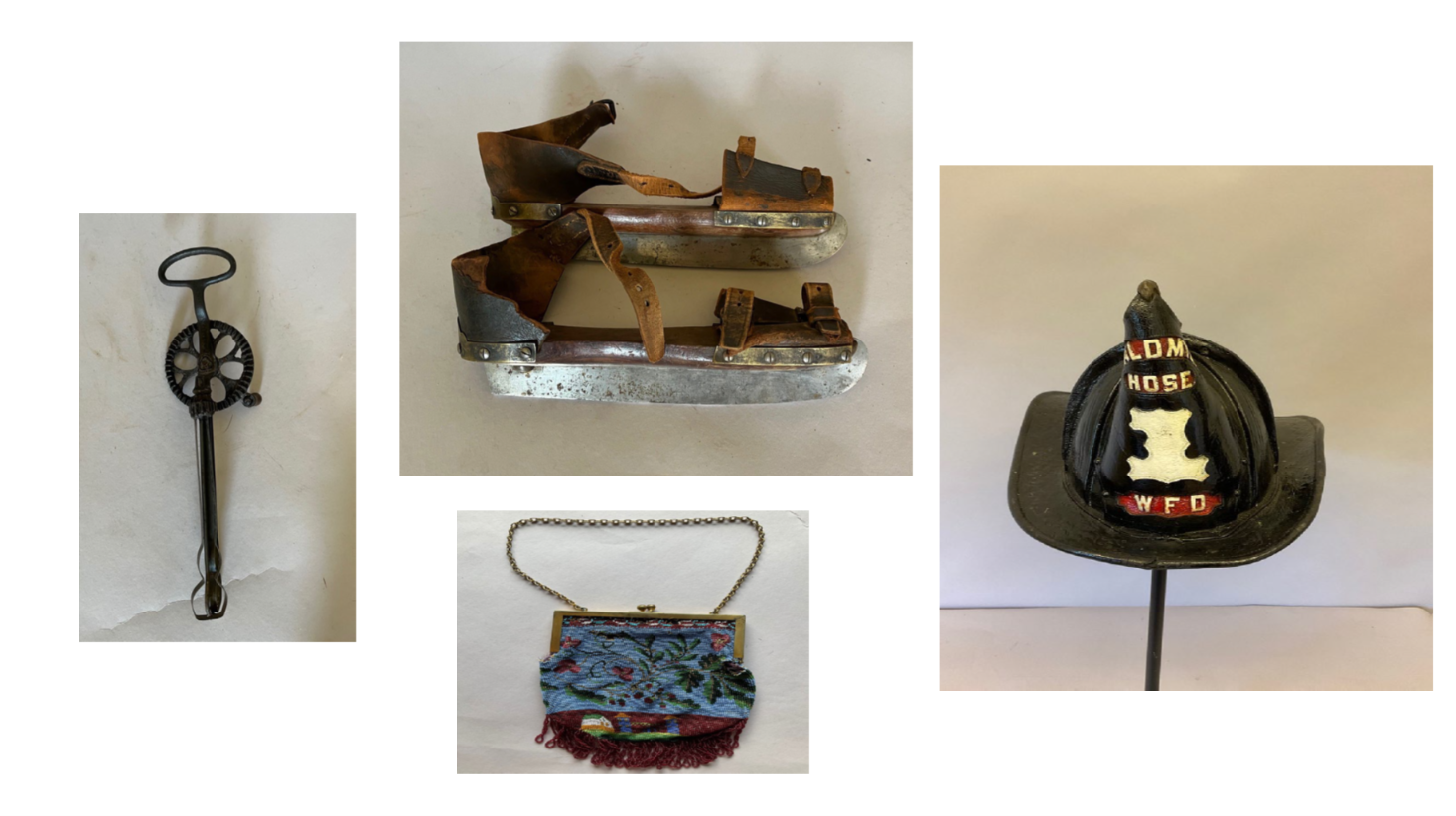
He also aims to put on exhibits, host guest speakers and roll out interactive activities at the Sanborn House to get younger generations involved because he thinks history can be a way to examine past generations’ mistakes, and from there, learn from them.
“One of the things [kids] are trying to do is figure out who they are, how they fit in, and understanding history can kind of give them some assistance in that,” he said. “To just see, wow, this is what people went through before…they got through it, so we can, too. And maybe we can get some ideas from what they did and how they got by.”
NewsMatch is our biggest fundraising campaign of the year. Your donation could be doubled, or even tripled. To make the most of your donation, hit the button now. Thank you for supporting local news.
The Historical Society’s new director of communications, Darian Neckermann, also hopes to expand the organization’s reach.
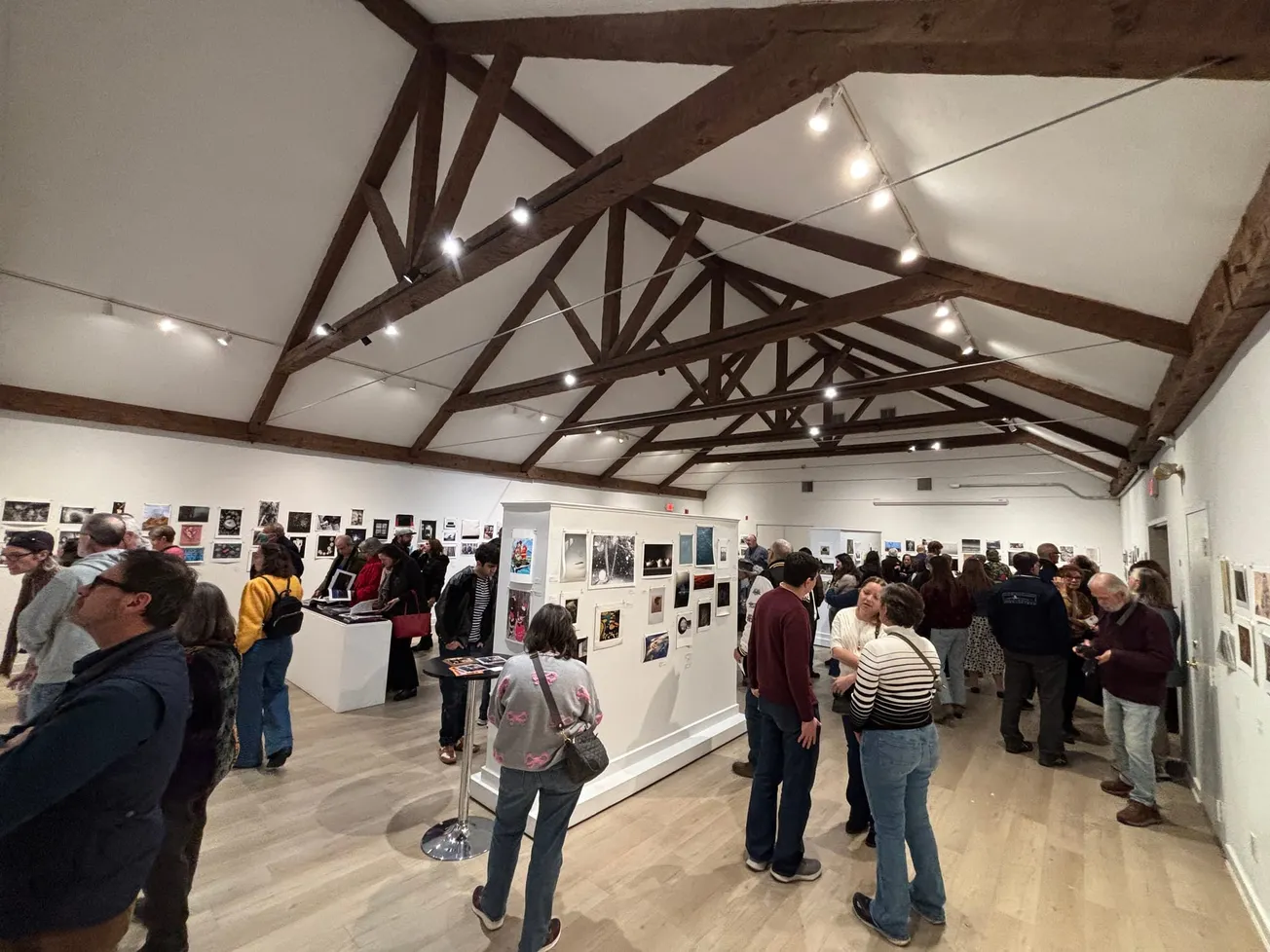
After going to an art exhibit at the Sanborn House, Neckermann fell in love with the building. She began to share ideas with Govoni on how to improve the Society’s outreach, and when the Society won the grant, Neckermann was offered the job.
With her background in marketing, economics, hospitality management and nonprofit fundraising, Neckermann aims to spark residents’ interest in local history.
“If you live here, you’re basically creating part of Winchester’s history,” Neckermann said. “It’s just the awareness is not always there.”
Neckermann herself was among those previously unaware of the Society and its work, despite having lived in town for 27 years.
Had she known about community events at the Sanborn House, she said, it would have been easier to meet people after moving to Winchester. Now, she hopes to create that bonding opportunity for others.
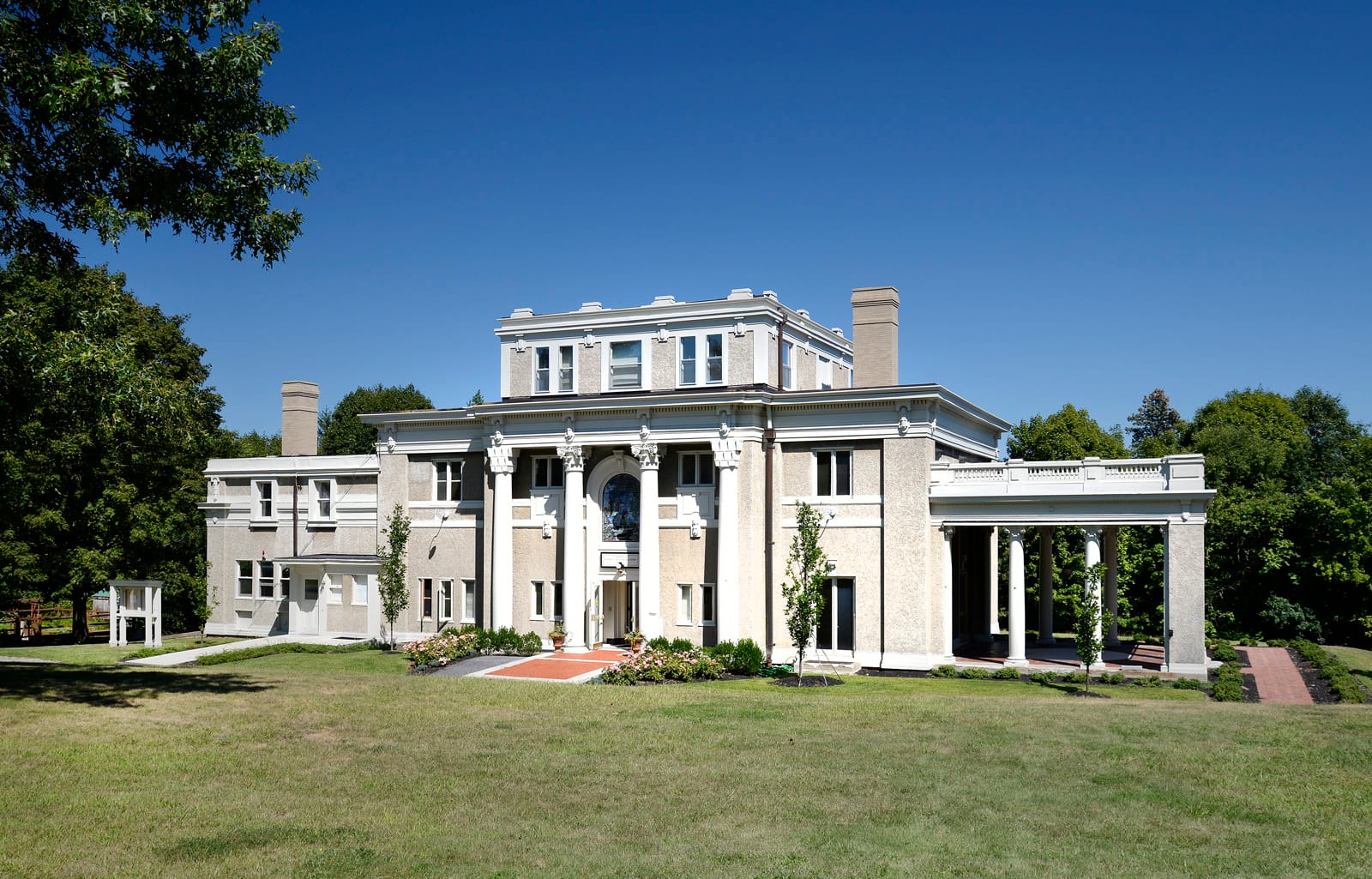
Neckermann is full of ideas for future events, including picnics and food trucks on the Sanborn House lawn, a mom’s night out or historical scavenger hunts. She aims to transform the house into a community gathering hub where the history is integrated throughout.
“I like Sanborn as the physical expression of this kind of shift we want to create,” she said. “Sanborn is the heart of it, and we can say, this is a place where you can meet and connect and not just learn about history.”
Ultimately, the Historical Society team hopes to ensure that Winchester history will gain relevance in the lives of residents — whether it’s in the classrooms, at the Sanborn House or in the stories they carry with them.
“History is really the backbone for community and people having this sort of shared identity, a place that truly is home, leads to a wonderful place to live,” Govoni said. “There’s some amazing stories about Winchester history, and if one of those stories seeks to inspire someone, it’s wonderful.”
Ava Ferriero is a journalism student at Boston University. This story is part of a partnership between Winchester News and the Boston University Department of Journalism’s Newsroom program.