Table of Contents
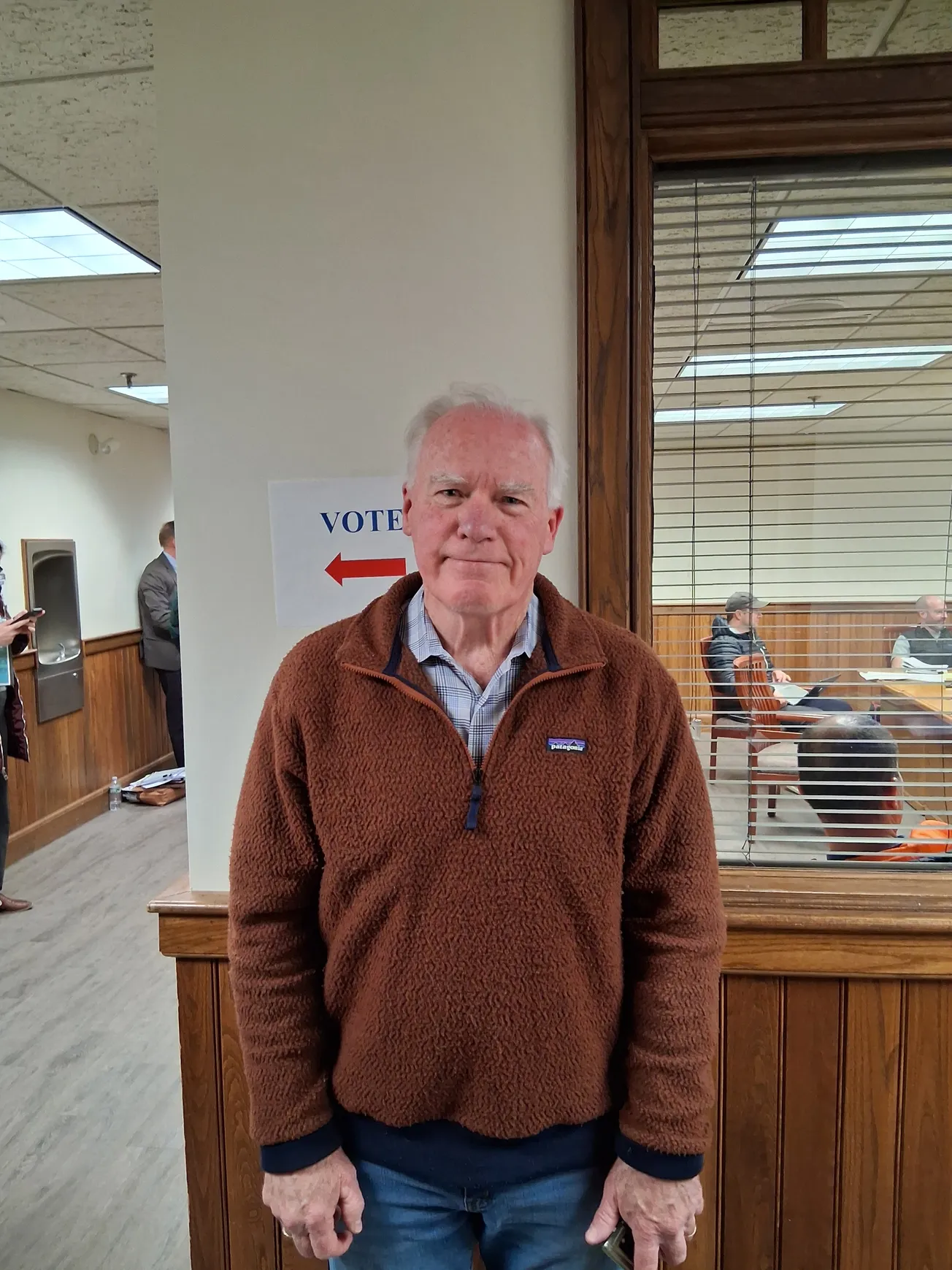
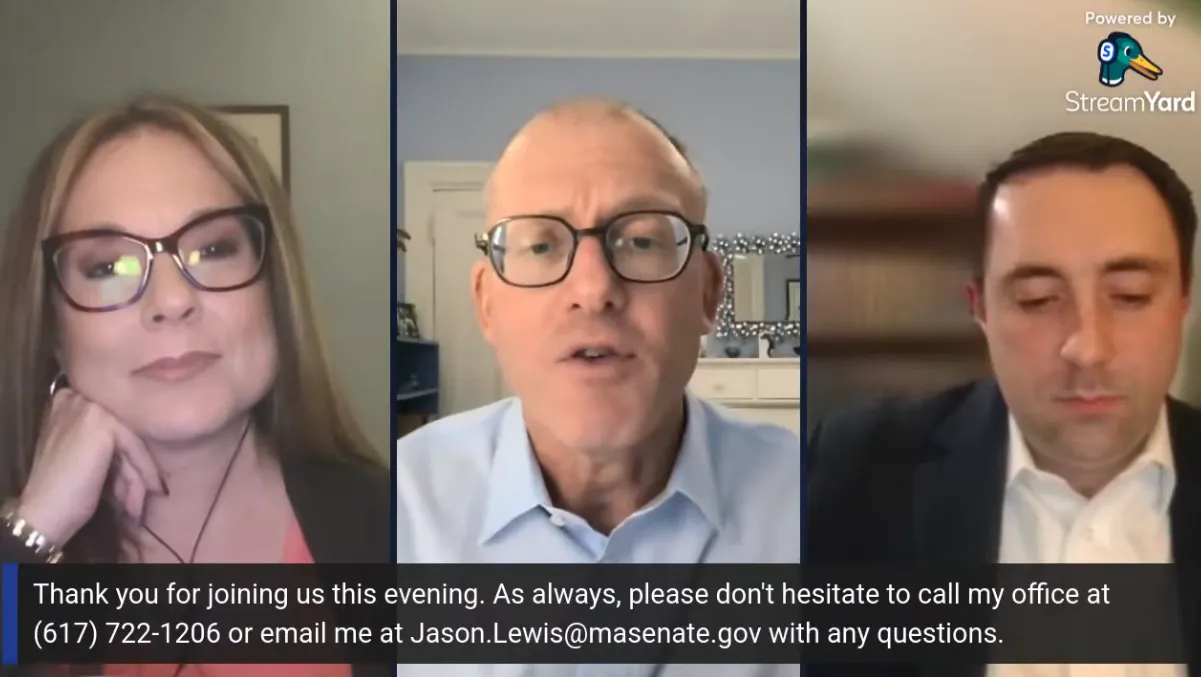
State Sen. Jason Lewis hosted a meeting in late February with constituents to discuss the effects of federal tax cuts on the state budget.
“The state budget is the most important piece of legislation that our state lawmakers and Gov. [Maura] Healey debate and pass every single year,” said Lewis, a Democrat who represents the 5th Middlesex District.
Lewis recently announced he will not seek re-election in November.
Lewis was joined by Viviana Abreu-Hernández, president of MassBudget, a public policy research and advocacy group, and Christopher Marino, assistant secretary for budget at the Massachusetts Office of Administration and Finance.
Healey’s proposed fiscal year 2027 budget of $62.8 billion represents a $1.8 billion increase over the 2026 budget. The budget’s funding, which mainly comes from taxes and federal funds, is allocated to hundreds of accounts and programs.
Some of these programs are at risk, said Herández, because of what is happening at the federal level.
President Donald Trump’s Big Beautiful Bill, which Congress approved in July, contained tax cuts that will cost the state $636 million this year, Hernández said.
The federal tax cuts cause a domino effect at the state level that could hit human services programs such as Supplemental Nutrition Assistance Program (SNAP) benefits, Medicaid, DEI initiatives and caps on student loans, Hernández said.
“What they are currently doing is the opposite of Robin Hood,” Hernández said. “They are taking from the poor by increasing eligibility criteria, reducing benefits and cutting the budget for these safety net programs that helped the most vulnerable population.”
A few suggestions from grassroots organizations may help combat this revenue loss, Hernández said.
The main solution is to opt out of enforcing federal tax cuts on the state level, she said. Another suggestion is to change the Global Intangible Low-Tax Income provision – which targets income from intangible assets such as patents, intellectual property, licenses and trademarks – from a dividend to income, subjecting it to higher taxes.
Another concern Hernández has is this year’s ballot question that seeks to cut the state income tax from 5% to 4% over three years. It would require a $5 billion cut to the state budget, she said.
Hernández suggested working opposite the federal government by increasing progressive revenue.
In her proposed budget, Marino said, Healey prioritized maintaining state-local partnerships, investing in education, sustaining the transportation system, providing funding to vulnerable populations, supporting affordable and accessible housing, and ensuring that Massachusetts remains an economic hub.
The major cost drivers in the budget are state employee health insurance, public school funding and safety net programs like SNAP and Medicaid.
The Massachusetts House of Representatives will present its own budget proposal in April, and the Senate will do the same in May. House and Senate members will negotiate the budget before sending it to Healey for a vote by July 1.
In the public comment portion of the meeting, Jason Chen, a city councilor from Melrose, asked what scenarios panelists were planning for in the event of future federal cuts.
Martino said the Healy administration had assembled a team to review federal policies and prepare for policies that could become national policies.
Hernández reiterated the need to decouple from federal tax cuts and target multi-million-dollar corporations that hide money and avoid taxes and while making revenue off Massachusetts consumers. Lewis is sponsoring a bill to switch GILTI income from being classified as a dividend to income, increasing the amount corporations are taxed to the maximum federal law allows.
Tavishi Chattopadhyay is a journalism student at Boston University. This story is part of a partnership between Winchester News and the Boston University Department of Journalism.