Table of Contents
Imagine your salary is cut drastically. But your expenses are growing fast – rent and utilities keep going up, and health insurance premiums are skyrocketing. You may lose your home, and you begin to worry about providing for your family.
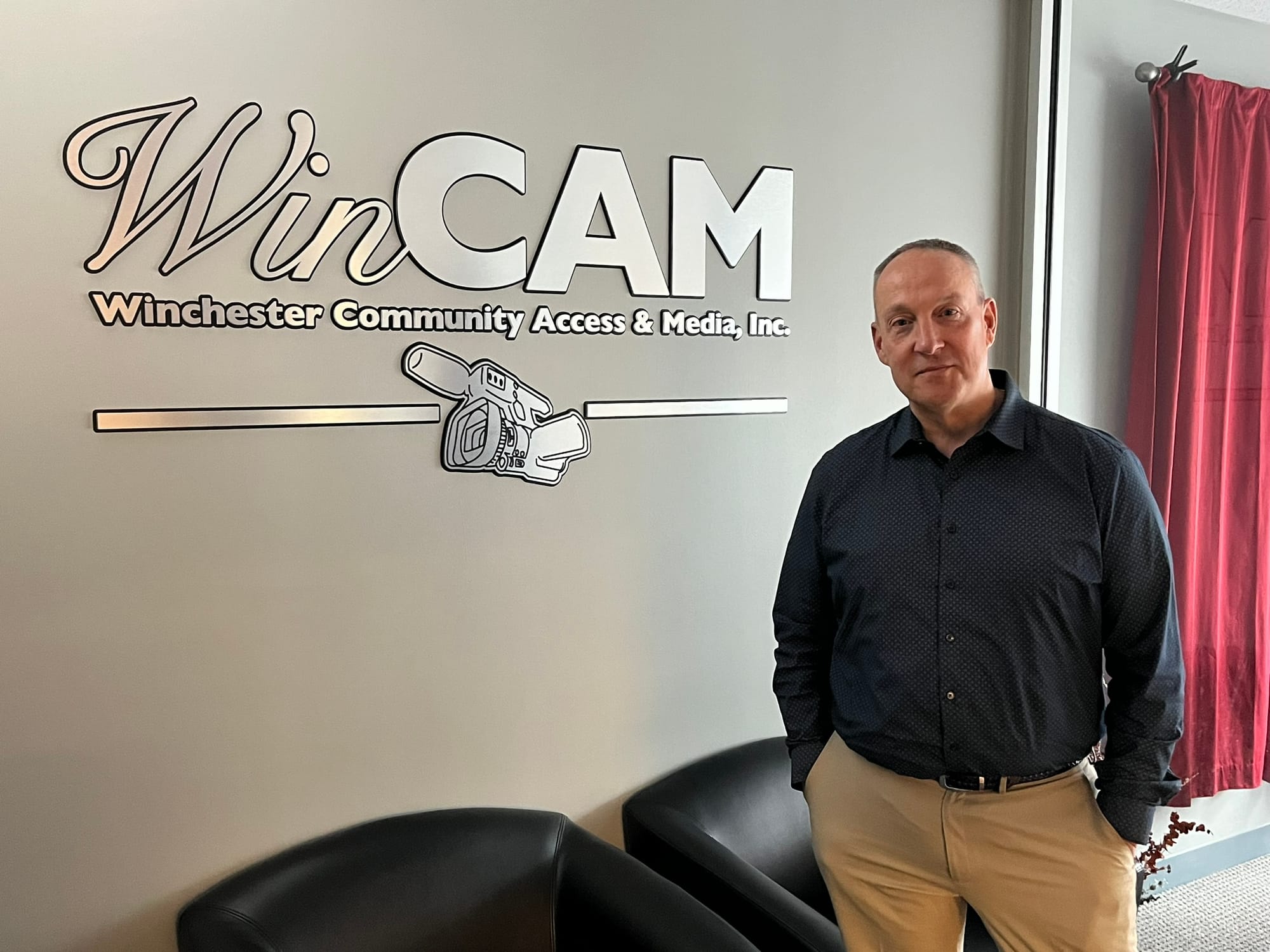
For David Gauthier, this scenario is not imaginary – though it’s his organization, not his family in jeopardy.
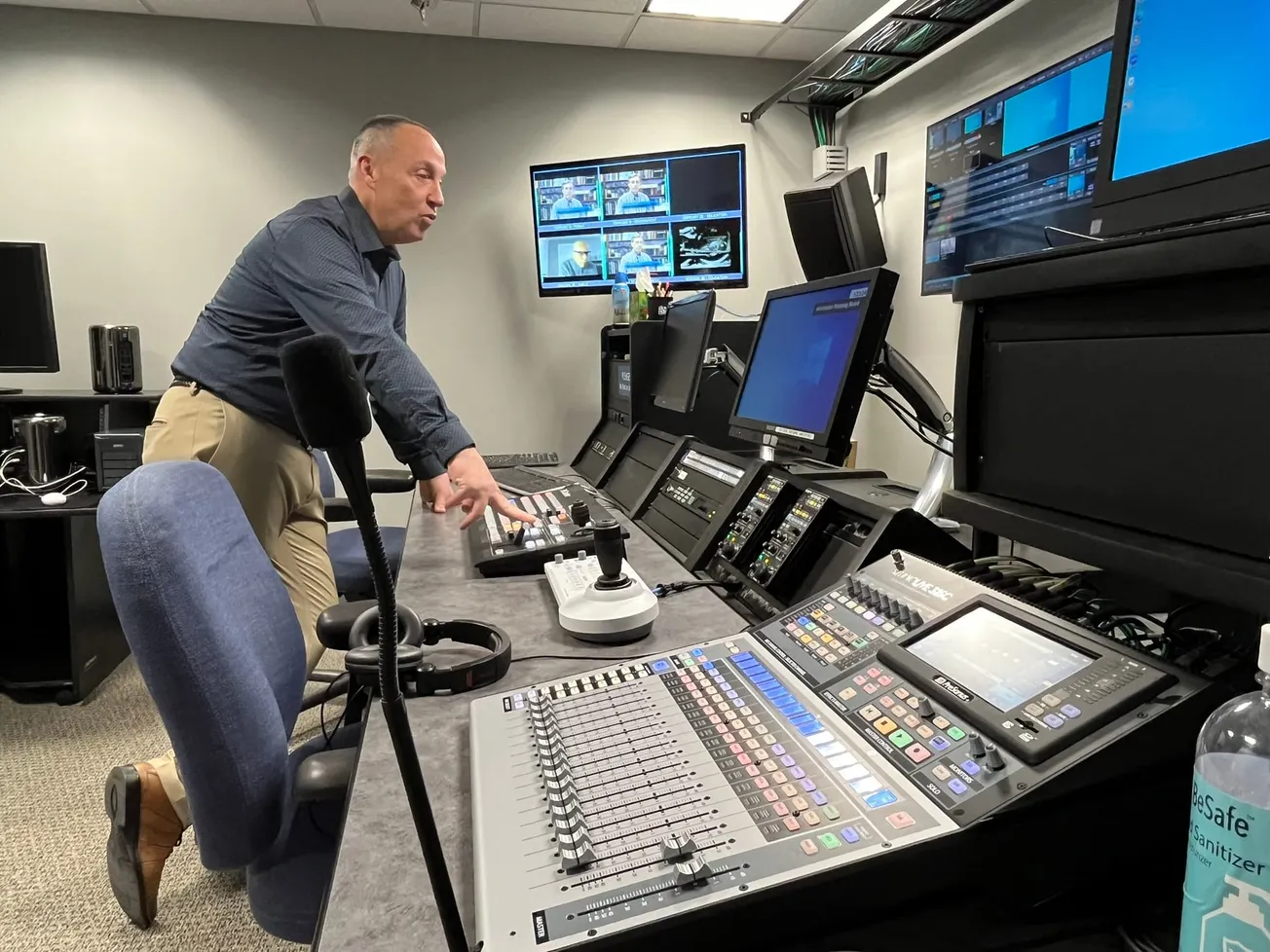
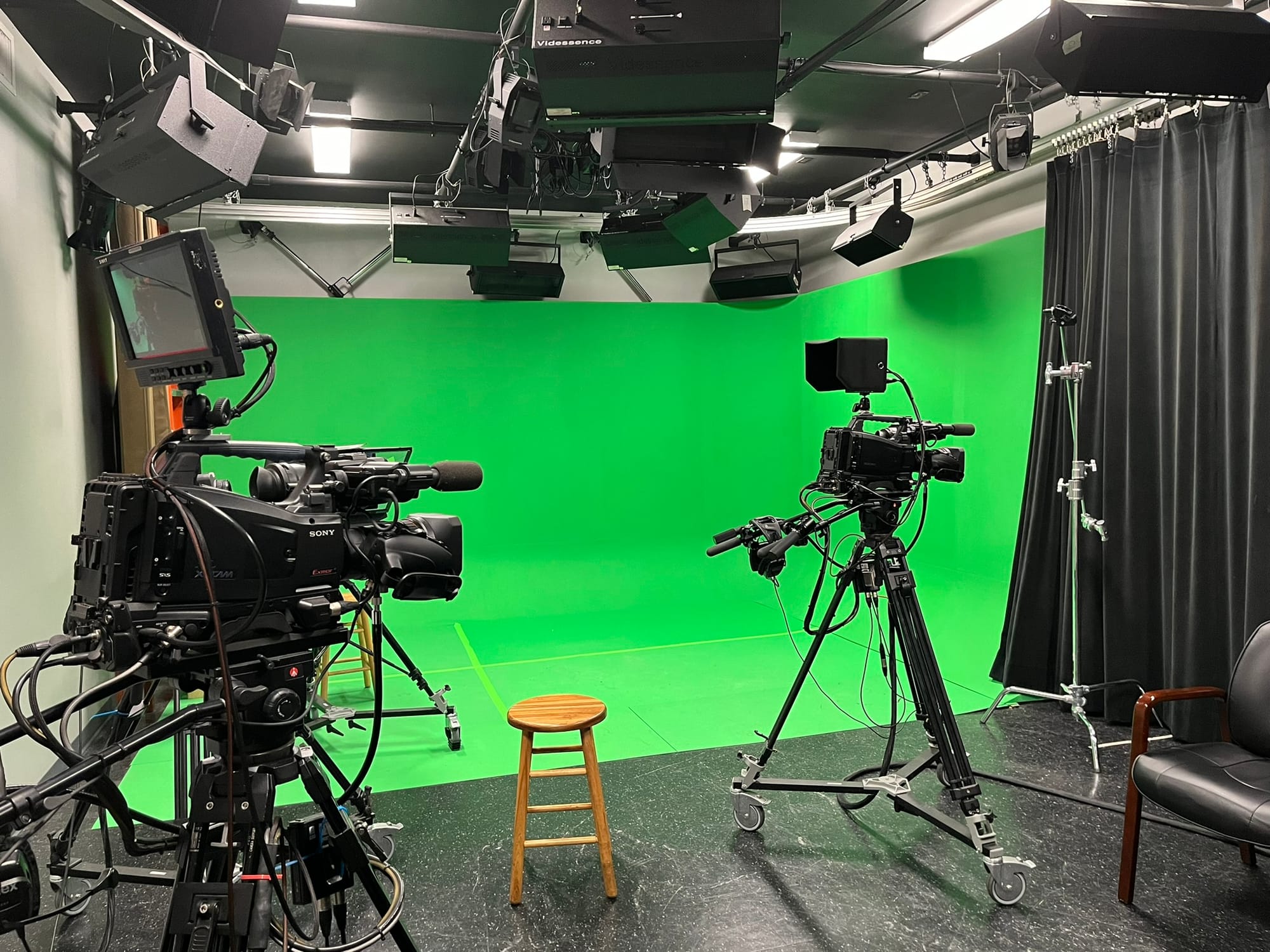
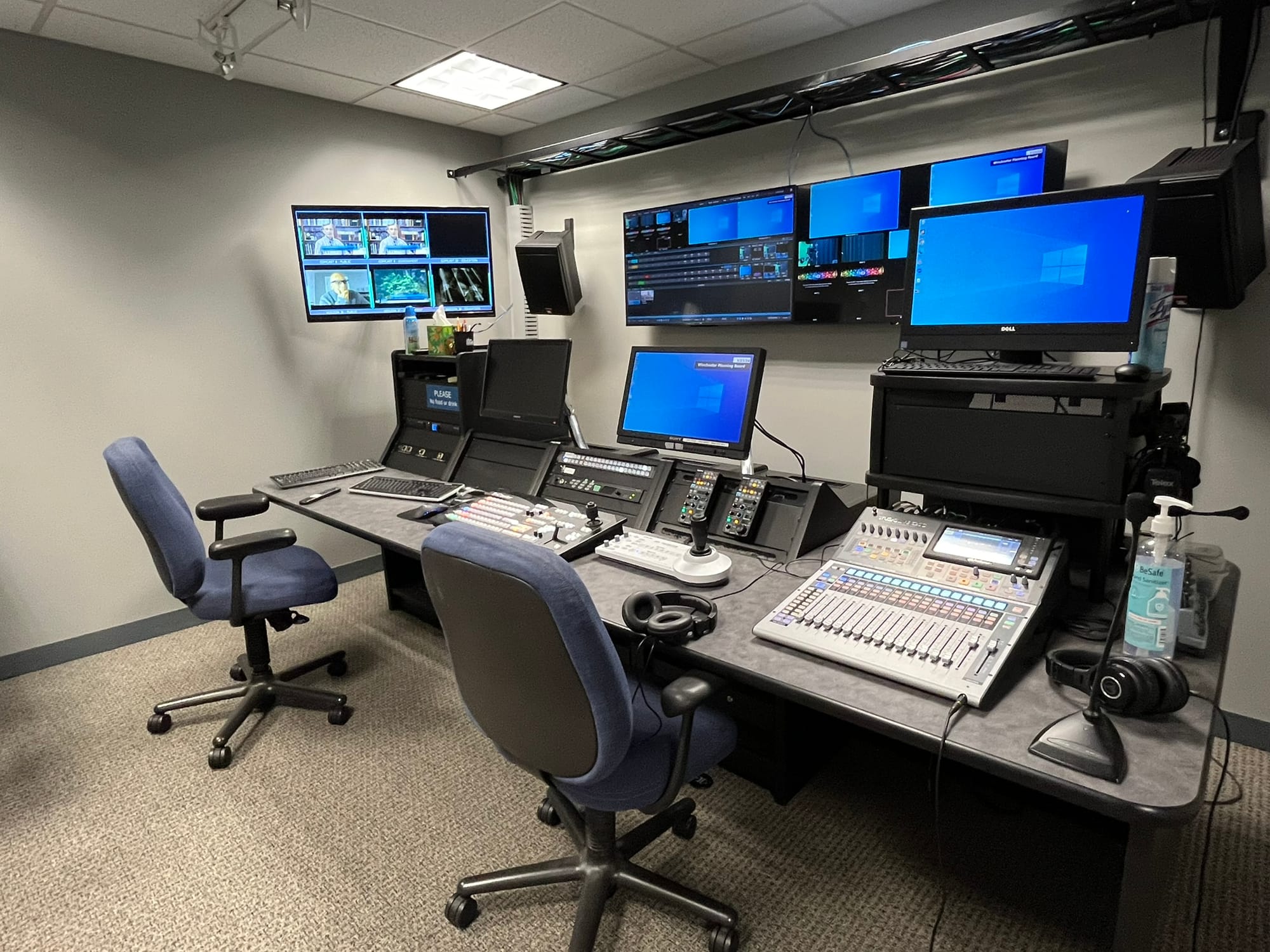
Gauthier is the executive director of Winchester’s community access cable station, WinCAM, which covers local government meetings and community events, broadcasts Winchester High sports, and offers space and training for community members to produce their own content.
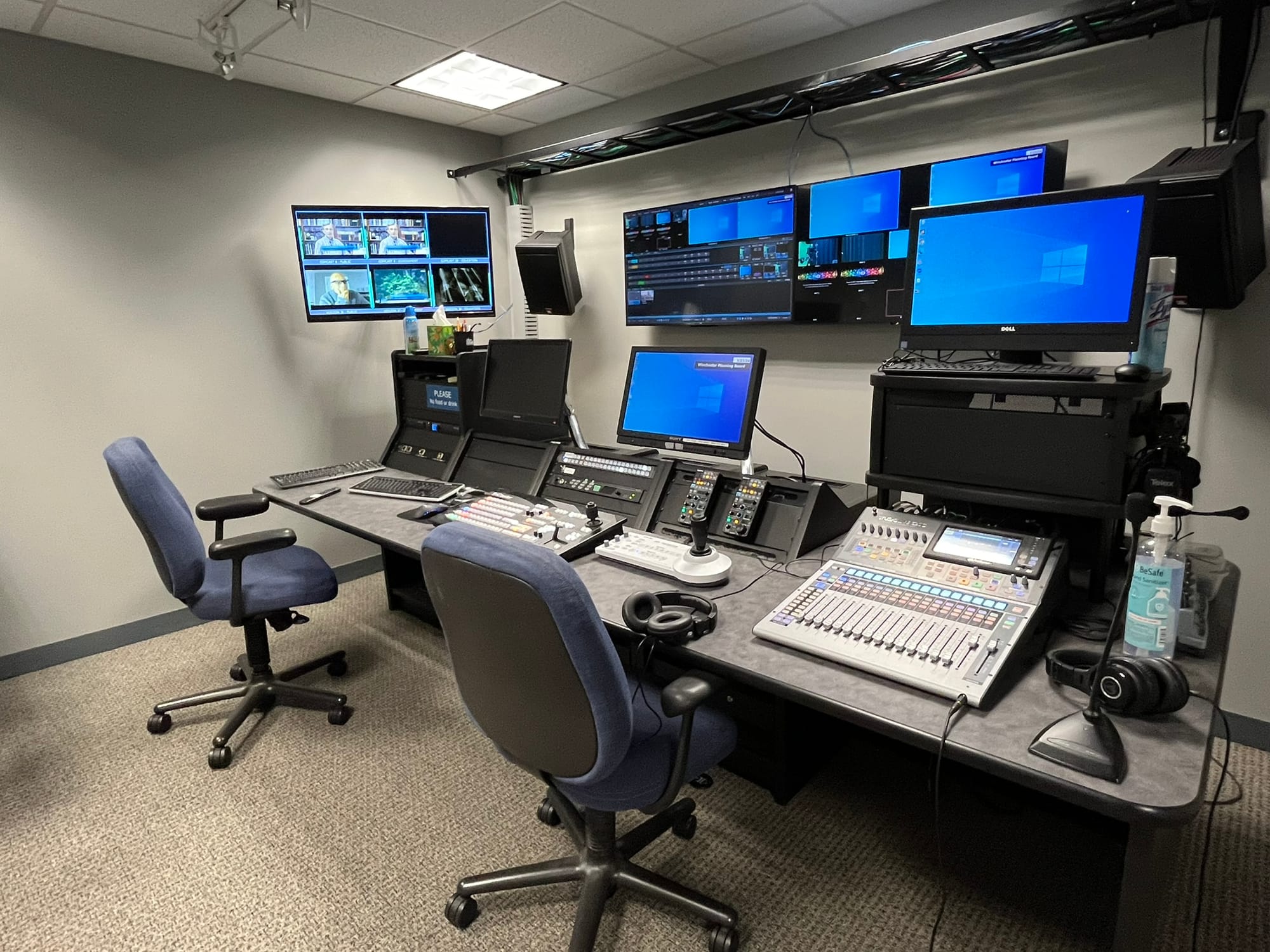
But WinCAM is in trouble. Revenues are down dramatically, and costs are up. Staff has been reduced, and, most urgently, WinCAM may be forced to move, which has implications for its open access mission.
Pending legislation and new fundraising efforts could help, but community support is needed.
Declining revenues
In Massachusetts, stations like WinCAM operate as local franchises and are funded primarily through a franchise fee. That fee is based on the gross annual revenues that corporate cable companies like Comcast and Verizon generate from cable television.
Importantly, that fee does not include any revenue from streaming or internet services. And, the FCC is trying to remove the franchise fee regulation altogether.
For WinCAM, the franchise fee accounts for about 90% of its budget. As people increasingly shift from cable to streaming, WinCAM’s revenues keep dropping.
On average, WinCAM has been losing about $20,000 per year for the last 10 years. Statewide, community access stations have experienced a 20% drop in income in that same time period.
But, as Gauthier points out, “the infrastructure is still the same.” Comcast and Verizon use the exact same infrastructure for both cable and streaming services. Companies like Netflix, Hulu, and Amazon use it, too.
But WinCAM does not receive any income from the streaming side. Streaming video is taxed in many states, but not in Massachusetts. It is completely unregulated.
Budget Crunch: Staff cuts, possible relocation
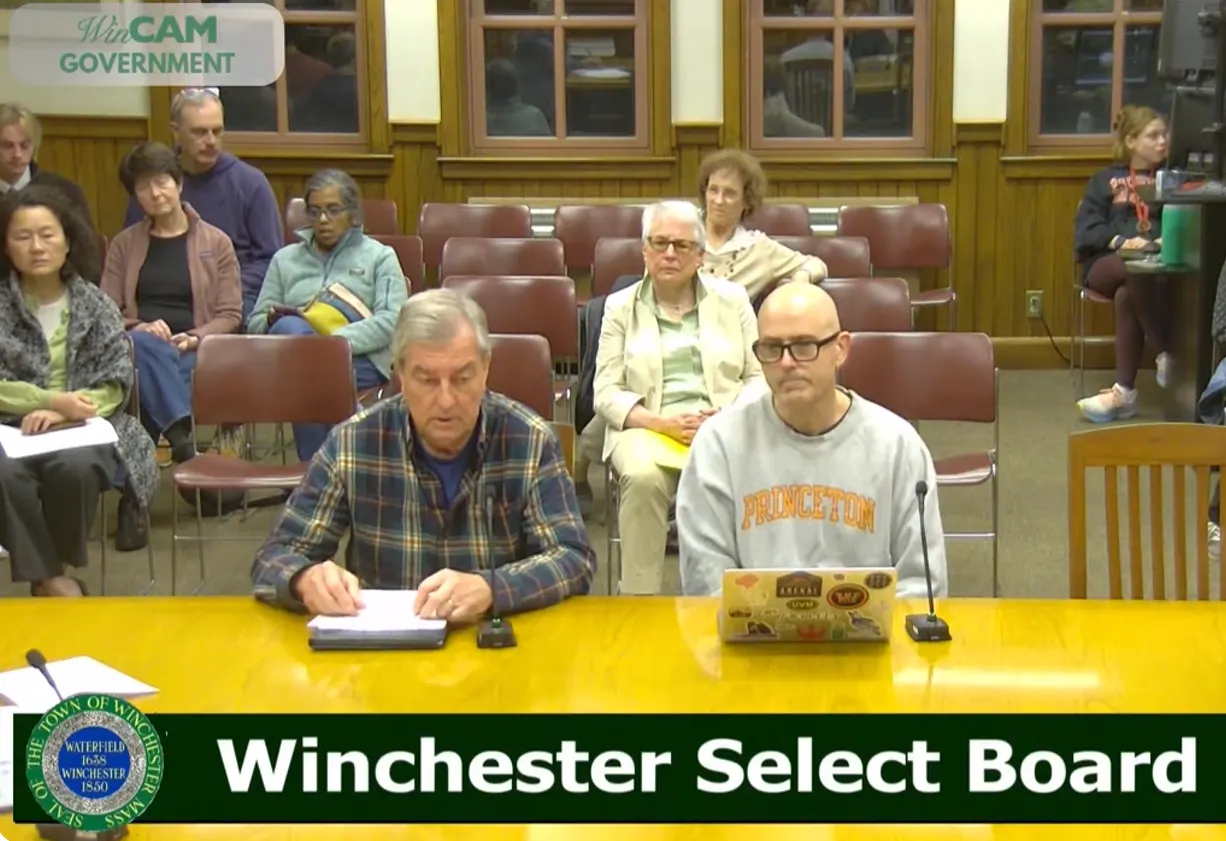
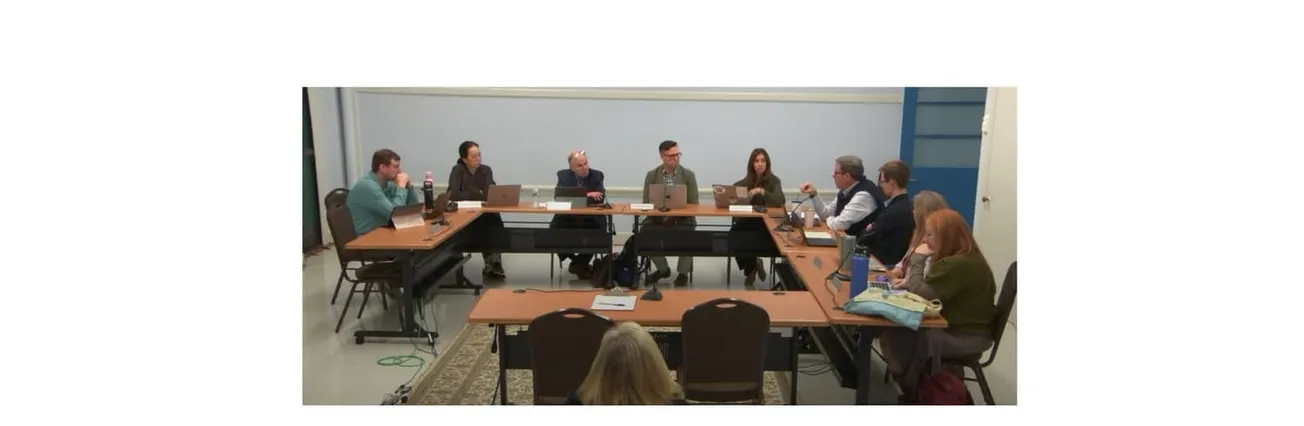
These declining revenues have had real impacts for WinCAM. The organization is down to just four staff members — two of them part-time. This small staff is contractually obligated to cover all town meetings and all meetings of the Select Board and School Committee. They are often called on to broadcast community events, and they help cover numerous sporting events.
With a fiscal year 2026 annual budget just over $400,000, there is, as Gauthier noted, “nothing left to cut.”
As early as June, the station may be forced into a decision to leave its current home at 32 Swanton St. The lease is up in September, and with current projections, the board is concerned about making the rent.
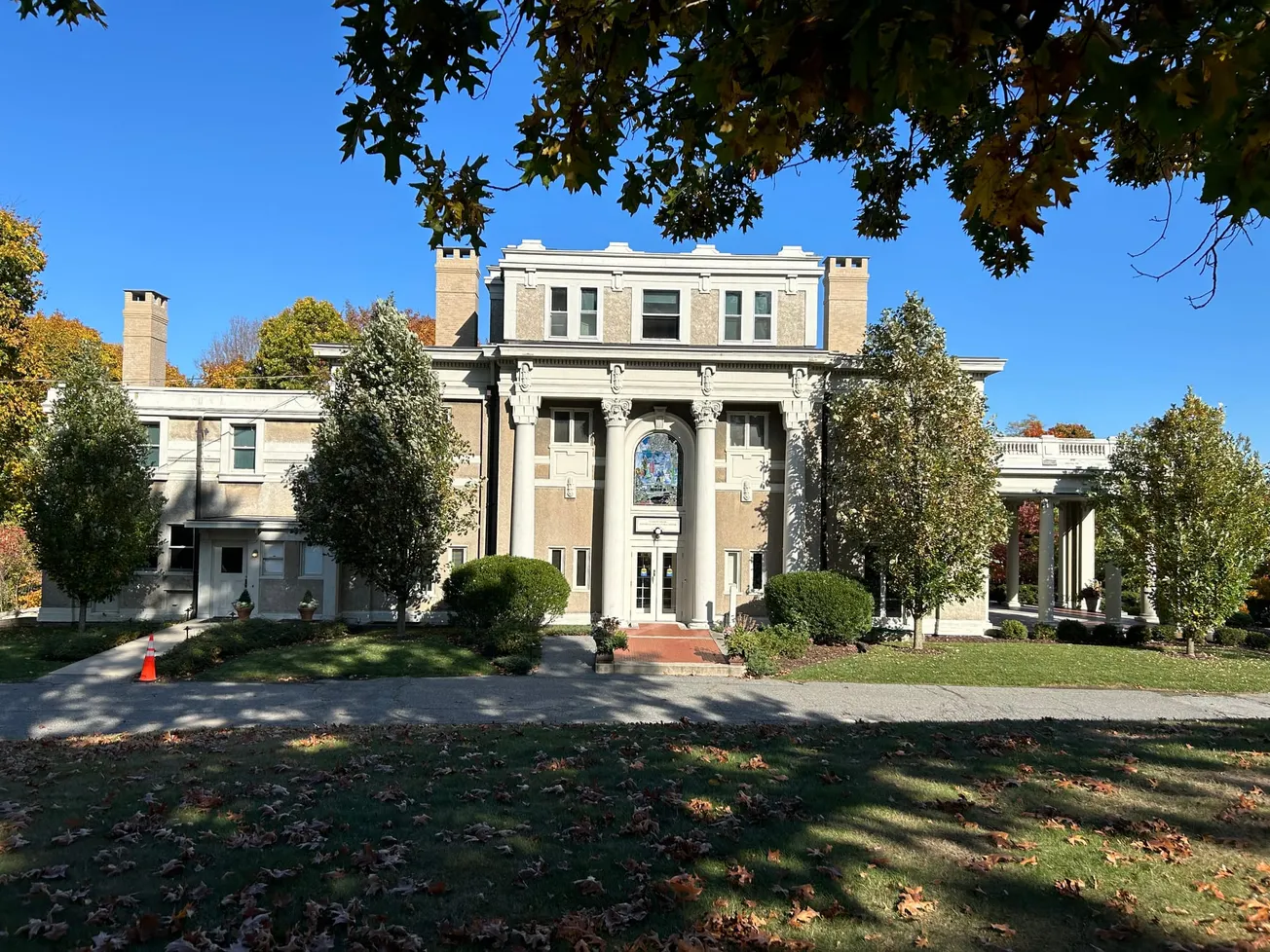
One option under discussion is relocating to the Parkhurst School.
Beyond the disruption of a move, the possible location is also concerning to Gauthier and WinCAM because it would hinder their mission of open community access. WinCAM was originally housed at the high school, and many students take advantage of the opportunities the station offers.
At its current location, students can walk to WinCAM from the high school. Parkhurst is not so accessible. WinCAM can’t return to the high school for both security and space reasons.
Exploring Options: Legislation, fundraising
WinCAM is of course exploring ways to boost revenue. The recent override proposal included some funding for WinCAM. When the override failed, it put even more pressure on an already strained organization.
As WinCAM explores options to raise revenue, one major focus is proposed state legislation that would include streaming revenues when calculating franchise fees.
Gauthier was instrumental in getting this legislation drafted, and there are currently bills pending in both the Massachusetts House (H91) and Senate (S2556) with about 80 cosponsors across both chambers.
How to support WinCAM
Call or write your state legislators to express support for H91 in the House and S2556 in the Senate. Also ask them to check with their Ways and Means Committee Chair on the bills’ status.
Donate on the WinCAM website.
Join as a member.
The Select Board and School Committee have both written letters of support in the past.
Sen. Jason Lewis, a Winchester resident, has been championing the bill on the Senate side, and Rep. Joan Meschino, of Hull, has been a supporter in the House. Reps. Michael Day and Michelle Ciccolo and Sen. Pat Jehlen, who all represent parts of Winchester, have not expressed support to date.
On May 19, Gauthier testified before the Massachusetts Joint Committee on Economic Development and Emerging Technologies and advocated including the bill language in the governor’s economic development bill, known as Mass Wins.
WinCAM generates some funds through memberships, but the amount is small. To protect the WinCAM mission of open community access, Gauthier and the WinCAM board do not want to raise membership fees or introduce paywalls to view programs. They are turning to private fundraising efforts to keep afloat, and anyone can donate directly on the WinCAM website.
WinCAM ensures transparency in government, broadcasts high school sports, and offers opportunities for community members of all ages to learn, inform, and educate. It delivers valuable community services. Now, it needs community support.
Jennifer Haefeli is a Winchester resident.
EDITOR’S NOTE: This article has been corrected to reflect that community access stations have experienced a 20% drop in income for the past 10 years instead of 45% as previously stated. That 45% number reflects the loss in cable subscriptions statewide since 2013, but new data from 2025 shows that number has grown to 48%.