Table of Contents
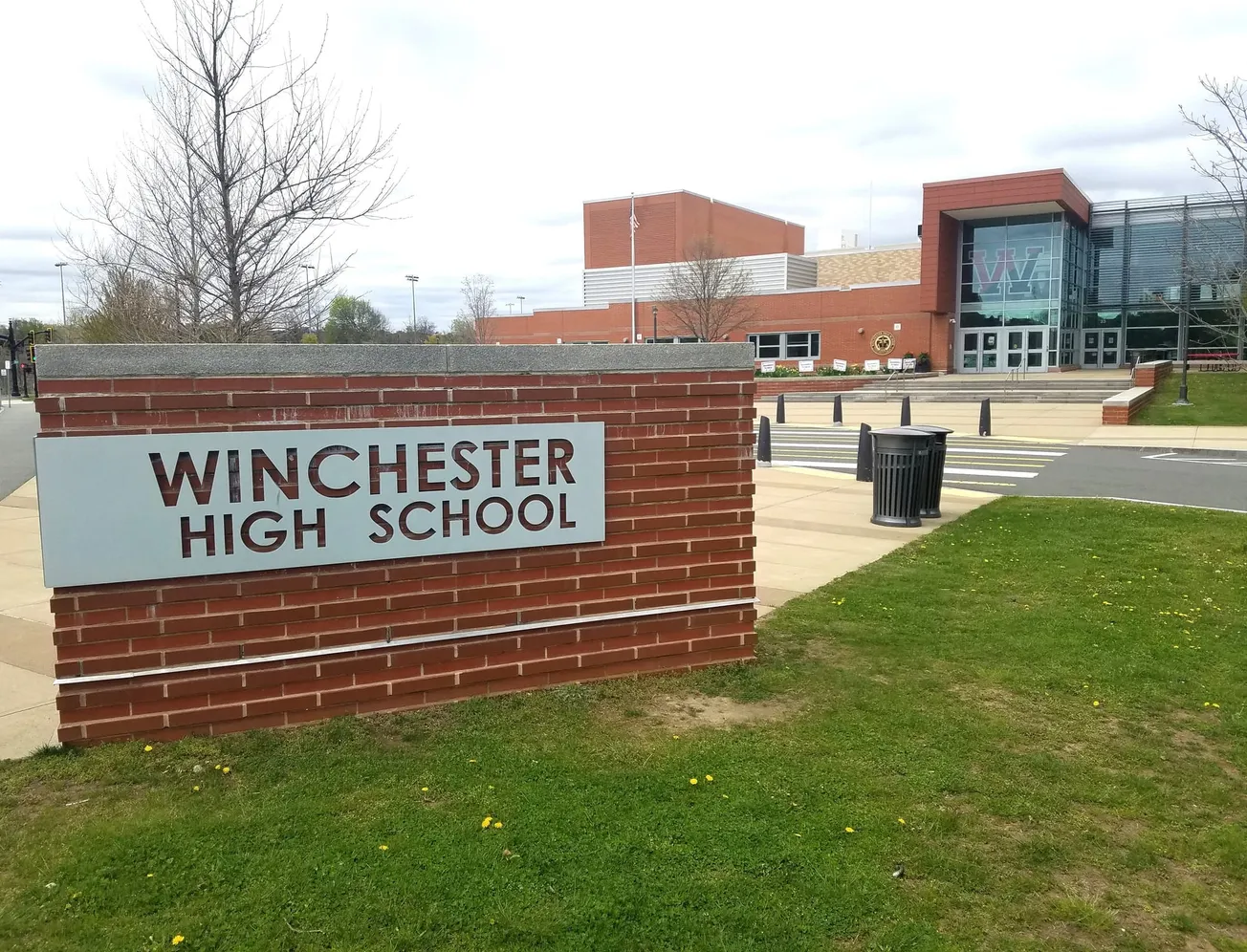
Students, teachers and administrators recently met to discuss how to make Winchester High School more inclusive, settling on a plan to re-evaluate the history and English curriculum and create change in the school’s environment.
The members of gender, racial and religious minority clubs came together on June 3 to discuss their experiences and concerns with how representation for different cultures was depicted in English and history curricula. As well as students’ experiences surrounding race, gender and religion.

Clubs included in the discussion were the Black Student Union, Jewish Student Union, Japanese Culture Club and Girl Up.
Administrators at the meeting included WHS Assistant Principal Anna Paradis, Superintendent Dr. Frank Hackett, Director of English Carolyn Plosky, Director of Social Studies Chris Kurhajetz, and history teacher Anne Marie Edenhofner.
Students were given a prompt prior to the meeting, asking where they felt connection and belonging and what got in the way of that connection and belonging.
Some students shared their experiences with their peers making racist comments or using slurs. While others shared concerns the history and English curricula lacked accurate representation of women and other cultures.
Members of the Jewish Student Union also spoke about how students are overburdened with classwork when returning to school after unhonored religious holidays. There were also concerns about surveys and forms sent out to students from the Massachusetts Department of Elementary and Secondary Education where students were given limited options to define their race.
Administrators and students drafted a plan to re-evaluate the curriculum and help foster a more inclusive environment within the school.
Paradis said the administrators would be working closely with DESE to revise surveys and forms to accurately represent the student population.
For Carson Sarpong, the outgoing president of the Black Student Union, the meeting “gave power and credibility” to student experiences.
“This was a good first step,” Sarpong said. “Saying what changes are [needed] is one thing, but actually pushing for change is an entirely different thing.”
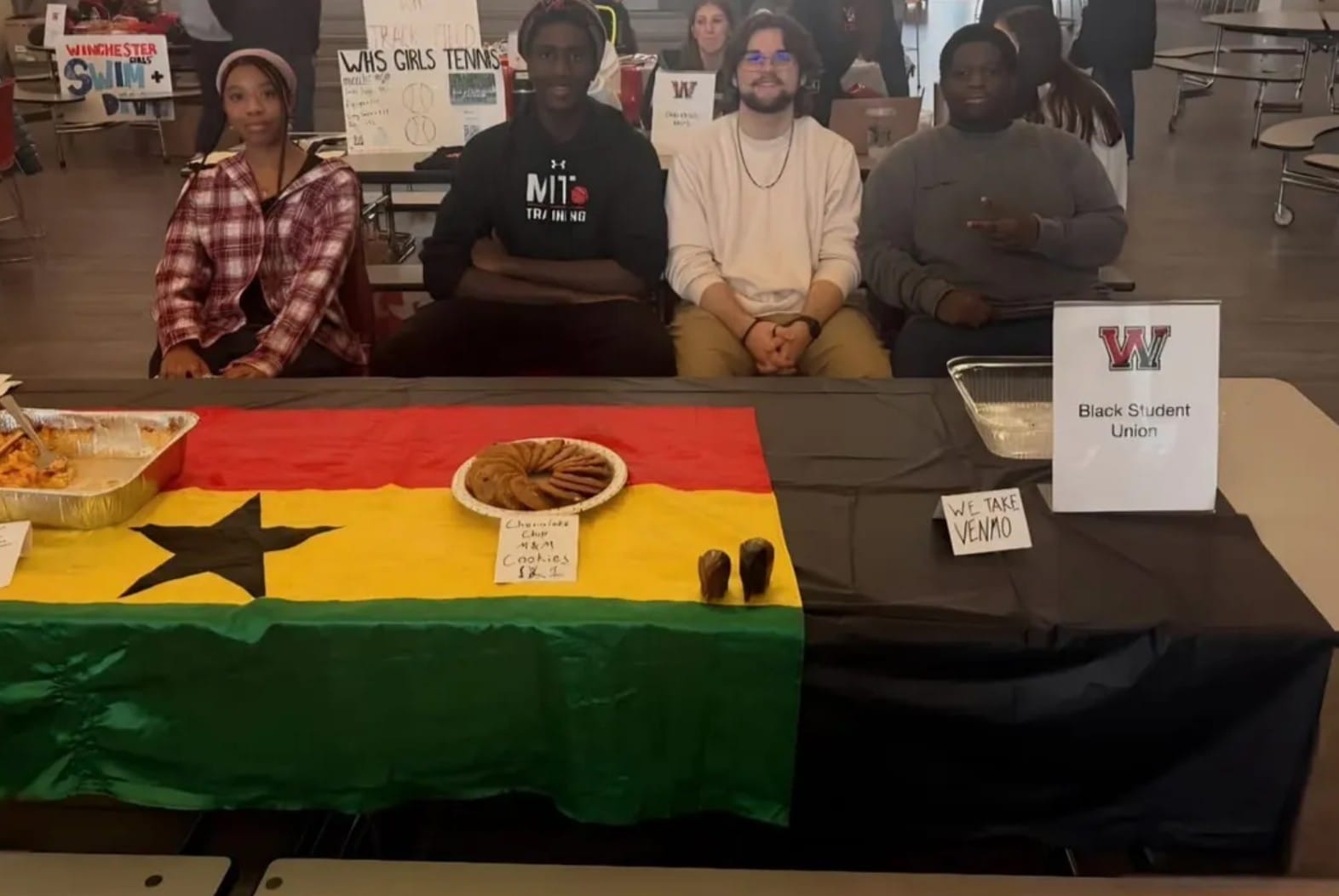
There will also be a collaboration between the Network for Social Justice and the high school to find town-wide solutions to make Winchester more inclusive. The Japanese Culture Club, Black Student Union and Girl Up will be partnering with the NFSJ to create a version of the organization within the high school.
Why the meeting happened
The session was put together by Paradis, who got the idea after speaking with other public schools in the area that had done something similar.
While the Student Council has worked on diversity-related issues before, other schools said listening sessions gave them more actionable items and more useful information.
“We recognize that, as administrators, we are increasingly further from our student population in terms of age and experience,” Paradis said. “We are finding it more and more important for us to have moments where we sit down and hear what they have to say.”
The group of students was brought together by the Black Student Union, which was asked by Paradis to bring in other students to the session.
The club was founded three years ago, and Paradis said its formation helped administrators realize they needed to take a new approach to understanding the high school’s environment.
Administrators will continue to meet with students from these clubs at least once a month in the next academic year.
Tavishi Chattopadhyay is a journalism student at Boston University.