
Table of Contents
The following was submitted by the Office of Rep. Michael S. Day:
The Massachusetts House of Representative recently passed the Environmental Bond Bill, a $3.5 billion measure that will modernize environmental laws, strengthen climate resilience, support agricultural and food systems, streamline permitting processes and improve the management of the Commonwealth’s natural resources.
The bill advances a broad set of reforms designed to help communities prepare for the impacts of climate change, accelerate critical infrastructure projects, improve environmental protections and support Massachusetts’ cities and towns.
The House adopted a number of amendments filed by Rep. Michael S. Day.
“This legislation reflects our ongoing commitment to creating healthier and more resilient communities across Massachusetts,” said Day. “I was happy to secure bond authorizations totaling over $2.3 million for Winchester, including critical investments in Winchester Public Schools, Mystic Valley Parkway and infrastructure for municipal and public use. If we move forward on these projects, we will improve our municipal energy efficiency to help meet our community’s needs and prepare for a more sustainable future.”
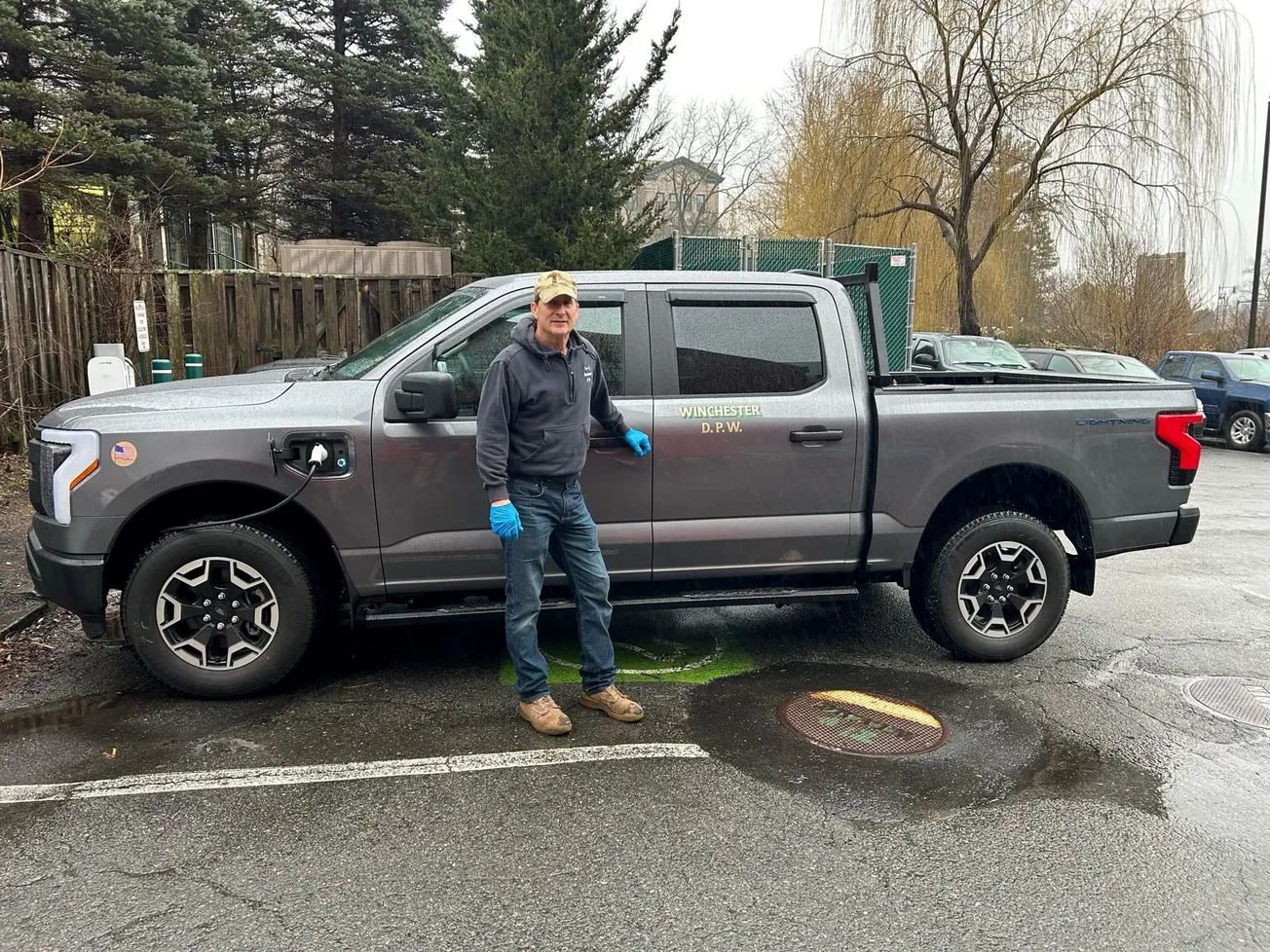
Day secured bond authorizations totaling $2,352,000 for Winchester, including $752,000 for heating, ventilation and air conditioning (HVAC) improvements in Winchester Public Schools, $600,000 for vehicle charging stations for public and municipal use and $1,000,000 for a multi-use path, stormwater management and roadway safety improvements on Mystic Valley Parkway.
A bond bill is legislation that authorizes the state government to borrow money by issuing municipal bonds. These bills raise funds for large scale, long-term investments with the costs spread over several years.
“There is perhaps no responsibility more fundamental to the role of government than ensuring that residents have access to clean drinking water and are breathing clean air. This legislation is the latest example of Massachusetts’ ironclad commitment to protecting our environment and to leading the fight against climate change,” said House Speaker Ronald J. Mariano, D-Quincy. “At the same time, the bill takes steps to ensure that the Commonwealth’s environmental regulations aren’t unnecessarily burdensome when issuing permits for new housing developments and other critical infrastructure projects.”
The bill establishes a new “Resilience Revolving Fund” to help municipalities, tribal governments and public water and wastewater districts finance climate-resilient infrastructure projects and technical assistance.
To address urgent housing and environmental challenges, the bill streamlines permitting and environmental review for priority housing developments, nature-based solutions projects, culvert replacements, wetland restoration efforts and other initiatives that strengthen climate resilience while maintaining environmental protections.
The bill strengthens land conservation by creating clearer pathways to designate and manage forest reserves, enhancing protections for forested, agricultural, and recreational lands, and recognizing carbon sequestration and storage as valuable forest products under state law.
Additional provisions require flood risk disclosures for prospective homebuyers and tenants, modernize waterways and wetlands permitting processes, strengthen environmental enforcement authority, support septic system upgrades in nitrogen-sensitive watersheds and create new tools to enhance the maintenance and resilience of critical water infrastructure.
The bill improves management of public lands and waterways and streamlines regulatory processes while preserving public access to outdoor recreation and natural resources.
Some new authorizations include:
● $120 million to address PFAS contamination of public water supplies and private wells.
● $75 million for the Flood Risk Protection Program to proactively reduce risk, protect lives and property and restore natural floodplains and wetlands as climate buffers.
● $50 million for the Healthy Homes Program to provide grants and zero-interest loans to homeowners and landlords to eliminate habitability hazards like lead paint, asbestos, mold and pests and to promote energy efficiency and decarbonization efforts.
● $50 million for the Massachusetts Housing Finance Agency's revolving fund to accelerate mixed-income and multifamily housing development through low-cost financial assistance.
Major re-authorizations include:
● $385 million for the Water Pollution Abatement Trust to support wastewater, stormwater and drinking water projects.
● $315 million for the Municipal Vulnerability Preparedness (MVP) Grant Program for cities and towns to assess climate risks.
● $294 million to repair, construction, and improvement of Department of Conservation and Recreation (DCR) properties.
● $177 million for repairs and improvements of DCR-managed roadway and bridge infrastructure.
● $150 million for the Food Security Infrastructure Grant program to support initiatives that improve food security and ensure equitable access to locally grown, raised, harvested and caught foods by strengthening Massachusetts’ food supply chain.
● $120 million for conservation and open space grant programs including land protection, watershed remediation, coastal habitat preservation, parks development in underserved areas.
The bill passed the House of Representatives 151-0 and now goes back to the Senate for further consideration.