Table of Contents
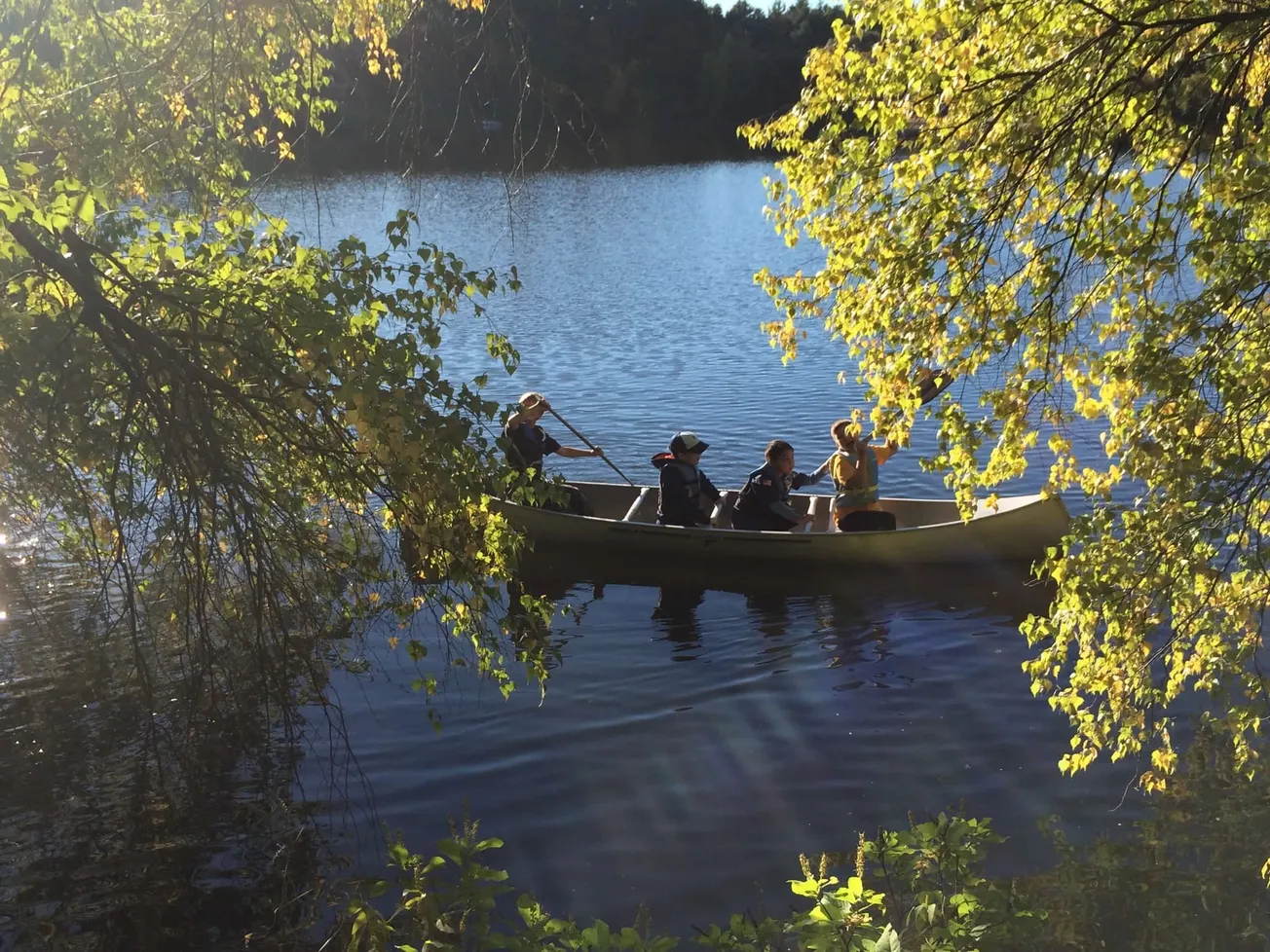
A $150,000 state earmark for Wedge Pond water quality will put the largest item in Winchester’s latest donation slate toward one of the town’s most visible environmental concerns: the health of a public pond used, watched and worried over by residents.
The money, from the Massachusetts Department of Fish & Game to the Conservation Commission, was the biggest piece of an unusually long list of donations, grants, in-kind gifts and state support the Select Board voted to accept during a regular meeting.
Taken together, the items reached across town government and daily life: conservation work, youth substance-use prevention, outdoor air monitoring, summer concerts, older-adult transportation, police support, tennis court maintenance and seating on the Town Common.
The Wedge Pond earmark stood out both for its size and its public visibility. The pond has long been more than a backdrop. It sits in the middle of neighborhood life, recreation and conservation questions, and water quality work there can affect how residents experience the pond, the surrounding open space and the town’s broader environmental stewardship.
The agenda described the $150,000 as support for the “Wedge Pond water quality effort.” The meeting materials did not spell out a full project scope in the agenda language, but the size of the earmark makes it the most consequential item in the package.
The earmark gives the Conservation Commission a major source of outside funding for work tied to the pond’s condition rather than requiring the town to rely only on local dollars.
The next largest cash item was $20,000 from the Cummings Foundation to the Winchester Coalition for a Safer Community for fiscal year 2027 expenses. The coalition also appeared elsewhere on the list, through $2,675.57 in remaining grant money from the Mystic Valley Public Health Coalition to the Health Department for the coalition’s youth substance abuse programming.
Those two items place youth prevention work near the center of the donation slate.
The Cummings Foundation money is designated for FY27 expenses, while the Mystic Valley Public Health Coalition money is tied specifically to youth substance abuse programming. The meeting materials did not provide a detailed spending plan for either item, but both continue outside support for work that runs through the Winchester Coalition for a Safer Community and the Health Department.
Public health also showed up in a non-cash form. The board accepted five PurpleAir Flex sensors through the Massachusetts Department of Environmental Protection’s Massachusetts Air Sensor Grant Program. The sensors are to be installed in outdoor locations in Winchester, giving the Health Department new equipment to monitor local air conditions.
The agenda did not list the specific installation locations. Even without those details, the sensors represent a practical public-health tool: small pieces of equipment that can gather local air-quality information closer to where residents live, walk, commute and spend time outside.
The Recreation Department also received support, including $750 from Pediatric Dental Associates of Winchester for Concerts on the Common. The amount is modest compared with the Wedge Pond earmark or the Cummings Foundation donation, but it is aimed at one of the town’s familiar summer civic rituals.
Concerts on the Common are the kind of programming where a private donation can show up not as a line in a budget but as an evening event families can attend.
Two in-kind gifts added to the recreation and public-space side of the slate. The Winchester Tennis Association donated two pallets of Har-Tru clay to the Recreation Department for the clay courts at Packer-Ellis Tennis Courts. No dollar value was listed for the clay, but the purpose was clear: maintenance of the town’s clay tennis courts, where material condition matters to playability and upkeep.
The Winchester Home and Garden Club donated 16 Adirondack chairs to the town to be placed on the Town Common. That gift is smaller in fiscal terms because no value was listed, but it may be one of the most immediately visible.
Unlike a grant reimbursement or a program expense, chairs on the Common are tangible. Residents will be able to see them, sit in them and use them as part of the everyday public life of the center of town.
The Council on Aging received $395 in donations, including $195 in appreciation of transportation services and a separate $200 donation.
The agenda did not identify a specific new program attached to the money, but the transportation reference gives the item a human dimension. For older residents, transportation can be the difference between isolation and access to appointments, errands, programs and social connection.
The smallest cash item on the list was $200 from Aberjona Post #3719 VFW to the Police Department, to be deposited in the police gift account. It was not presented as a major public-safety initiative, and the materials did not assign it to a specific purchase. It was, instead, one more example of local civic groups directing money into town accounts for public purposes.
The Select Board handled the items procedurally in one vote, accepting them with gratitude. But the substance of the slate was broader than the motion. It was unusual not because any single gift solved a town problem, but because the list stretched from a pond to the Police Department, from youth substance-use prevention work to older-adult transportation, from tennis courts to air sensors and from summer concerts to chairs on the Common.
Some of the support will be visible quickly. Some will move through departments, grants and program accounts. The combined effect is scattered by design: cleaner water work at Wedge Pond, outdoor air data from new sensors, prevention funding for youth programming, clay for tennis courts and 16 new places to sit on the Town Common.
Will Dowd is a Massachusetts journalist who covers municipal government and community life for Winchester News. He is also the founder and editor of The Marblehead Independent, a reader-funded digital newsroom.