Table of Contents
Labor Day. It’s the first Monday in September and for many, the traditional end of summer and beginning of the fall season. School starts, the holidays are around the corner and the warm weather turns crisp while the days grow shorter in Massachusetts.
But Labor Day isn’t just another holiday. It has its roots in the organized labor movement of the 19th century, when 12-hour shifts for American workers, including children, were the norm for families struggling to survive.
But radical reform changed all that. Today, we owe our 40-hour work weeks, child labor laws and safety rules and regulations to all those people who spoke out to make them happen.
So, on this Labor Day, we offer you 10 things we bet you didn’t know about Labor Day.
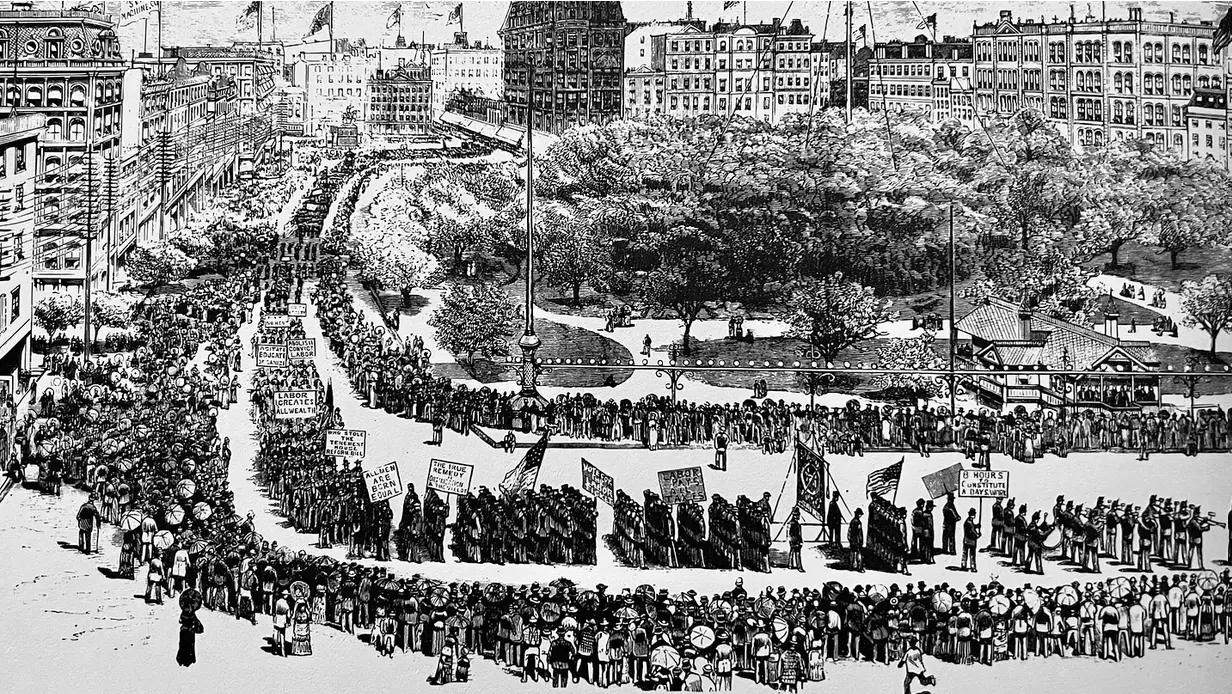
1) Sept. 5, 1882 is generally thought to be the first public recognition of a Labor Day event
According to the National Constitution Center, “the unions of New York City decided to have a parade to celebrate their members being in unions, and to show support for all unions. At least 20,000 people were there, and the workers had to give up a day’s pay to attend.”
That parade inspired other regions of the country to celebrate their workers. By 1887, Oregon, Massachusetts, New Jersey and Colorado had joined the celebrations.
2) No one knows who actually came up with Labor Day idea
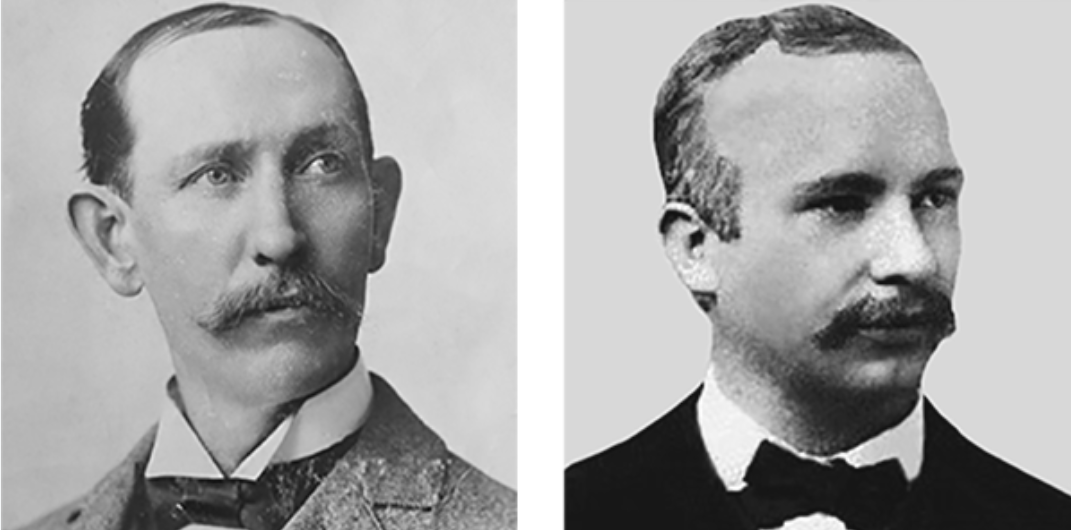
According to the U.S. Department of Labor the true founder of Labor Day is up for debate. All we know is its either a Maguire or a McGuire.
Matthew Maguire was a machinist and a secretary of the Central Labor Union while Peter J. McGuire was a carpenter and co-founder of the American Federation of Labor.
Because their names sound exactly the same and records at the time weren’t exactly crystal clear, no one is sure what transpired. There are some written indications it was McGuire, but others have said it was Maguire who came up with the idea.
See the problem?
Even Linda Stinson, a former U.S. Department of Labor’s historian, said in 2011 she didn’t know which man should be credited. And she would know.
3) Oregon first made Labor Day a holiday
On Feb. 21, 1887, the state of Oregon passed a law to make Labor Day a holiday. Other states soon followed: Colorado, Massachusetts, New York, Nebraska and Connecticut.
4) President Grover Cleveland made Labor Day a national holiday
While states were celebrating the Labor Day holiday on their own, it took an additional seven years for it to become a national celebration.
If you don’t know, the labor movement in the late 1800s was fraught with violence as workers challenged the status quo. For example, a bomb exploded at a union rally in Chicago’s Haymarket Square in May 1886, killing seven police officers and four others.
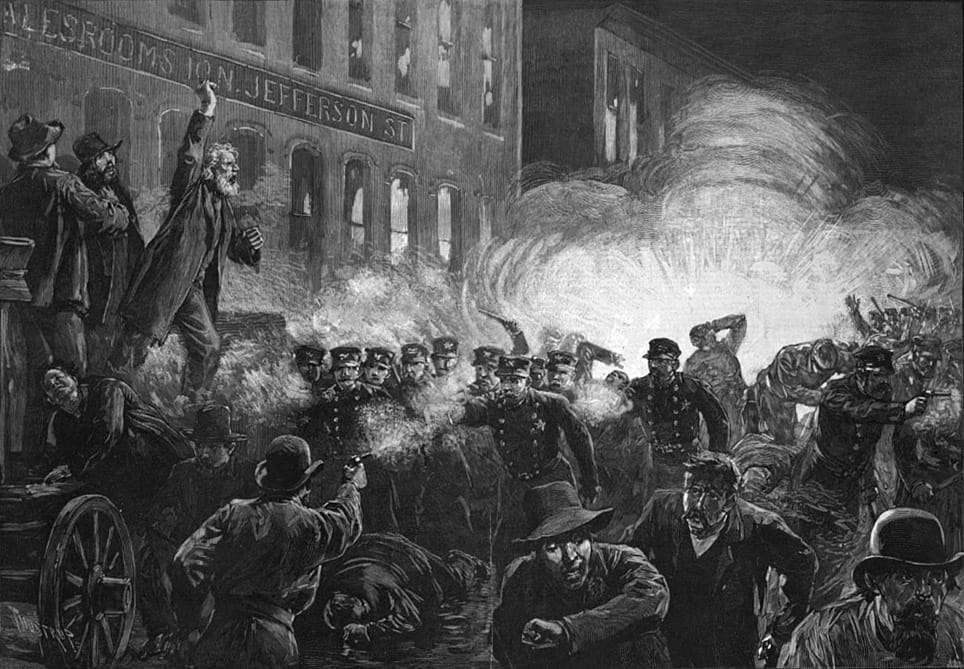
The Pullman Strike in 1894 was the turning point in U.S. labor policy.
It started when the American Railway Union (ARU) boycotted against the Pullman factory in Chicago in 1894. When the ARU got no traction in its demands against the company, it boycotted all passenger carrying trains nationwide.
More unions jumped in for or against what the ARU was doing and violence broke out nationwide, with 30 people killed in riots in Chicago alone and another 40 killed in other states. Property damage was thought to be at least $80 million.
The federal government finally got involved, demanding boycotters leave trains carrying U.S. mail alone. When they refused, President Grover Cleveland ordered in the army to stop the strikers.
More violence broke out. The strike eventually collapsed. Boycotters and strike leaders were arrested and sentenced to prison. The ARU was dissolved.
The bright star in all of this? Cleveland and lawmakers in D.C. realized the U.S. had to change its labor policies. And the nation had to recognize all the workers who kept the country moving.
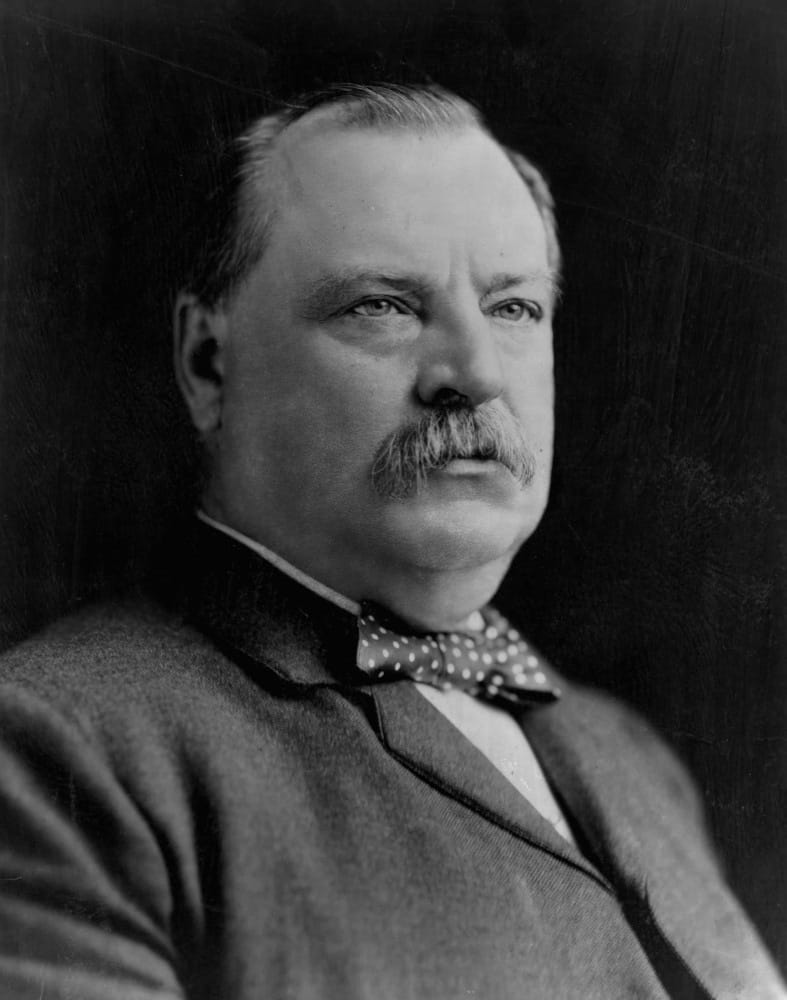
In 1894, Cleveland signed a bill into law establishing Labor Day as a federal holiday.
But, it was actually Sen. James Henderson Kyle, of South Dakota, who introduced S. 730 to make Labor Day a federal legal holiday on the first Monday of September. It was approved on June 28, 1894.
5) The Labor Department didn’t exist until 1913.
If you’re doing the math, Labor Day was made a national holiday in 1894, but it wasn’t until March 1913 that the U.S. Department of Labor was founded.
Yeah, that’s 31 years. Go figure.
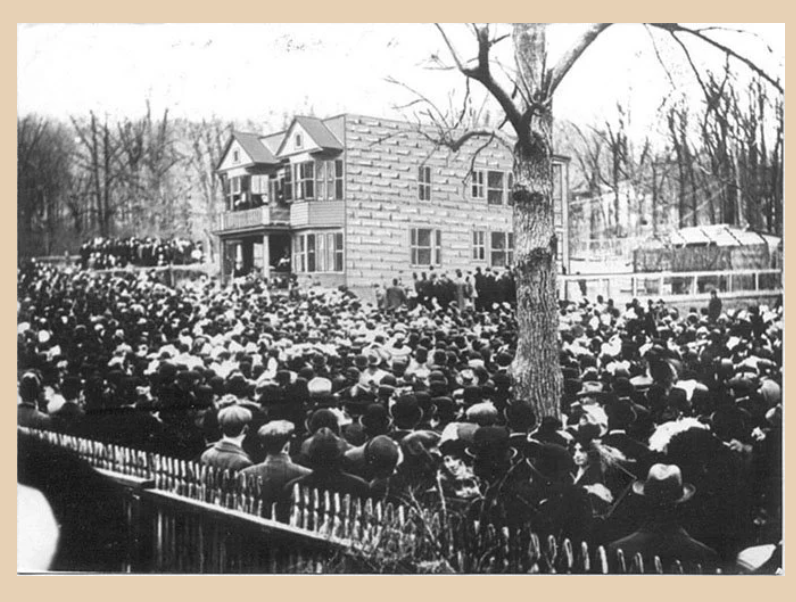
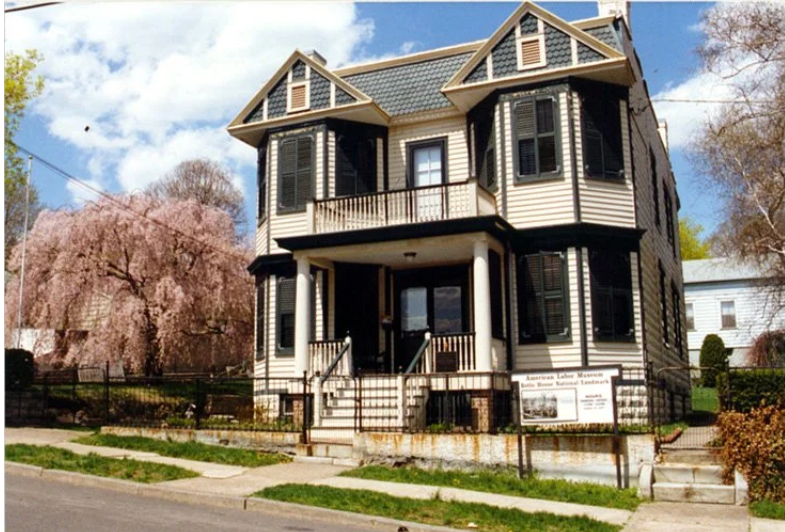
The American Labor Museum, right, was once the site of the 1913 Paterson Silk Strike. COURTESY PHOTOS/AMERICAN LABOR MUSEUM
6) New Jersey is home to the American Labor Museum
As Americans, we love a museum. And this one is in New Jersey.
“The Today Show” recently did a story about Labor Day and the museum. The following is an excerpt from that story (they said it better than we could):
“Once home to Pietro Botto, a silk mill worker back in the early 1900s, this Haledon, New Jersey property is now a museum where visitors can tour Botto’s old Victorian house.
“Its significance is that it was once was the site of a groundbreaking labor strike. In 1913, more than 20,000 silk mill workers gathered at the Italian immigrant’s home to organize a protest over poor working conditions and advocate for the end of child labor, among other demands, which eventually lead to sweeping labor reform.
“Today, the American Labor Museum offers various exhibits and events to recognize the contributions of all workers.”
7) Labor Day is celebrated worldwide
Celebrating the workforce is not a totally American concept. Across the world, many countries celebrate Labor Day on May 1. But they call it International Workers’ Day.
If that May date seems familiar, it’s because it’s a nod to the Haymarket riots in Chicago that killed several people.
By the way, if you think the labor movement is no longer relevant, many countries are testing out a four-day work week or simply allowing employees to opt to work fewer days, albeit for the same amount of hours.
Who’s floated those ideas? Spain, Ireland, South Africa, Belgium, Iceland and Japan.
8) There are actual songs dedicated to Labor Day
Christmas, Halloween, sappy love songs on Valentine’s Day? Check.
Labor Day ditties? Yes, there are some out there, believe it or not!
Check out the Black Eyed Peas’ “Labor Day (It’s a Holiday),” John McCutcheon’s “Labor Day,” and even a kid’s song by the Kiboomers entitled, “Labor Day Song.”
And, as our friends over at “The Today Show” have pointed out “while Dolly Parton’s “9 to 5” wasn’t written for Labor Day, it would definitely make a great addition to the list!
9) Top jobs have changed
Once upon a time, the most in-demand jobs for U.S. workers were in factories and mines. These jobs were acceptable for workers of all ages, some as young as 6 years old.
Today, U.S. News and World Report cites the following as the top jobs of 2026: Nurse practitioner, financial manager, IT manager, information security analyst, physician assistant, medical and health services manager, software developer, data scientist, speech-language pathologist and pilot.
And while kids once worked in factories, mines, mills, retail outlets and on the streets, that all stopped after the Fair Labor Standards Act of 1938. Today, the minimum age of employment is 14, but with all sorts of restrictions.
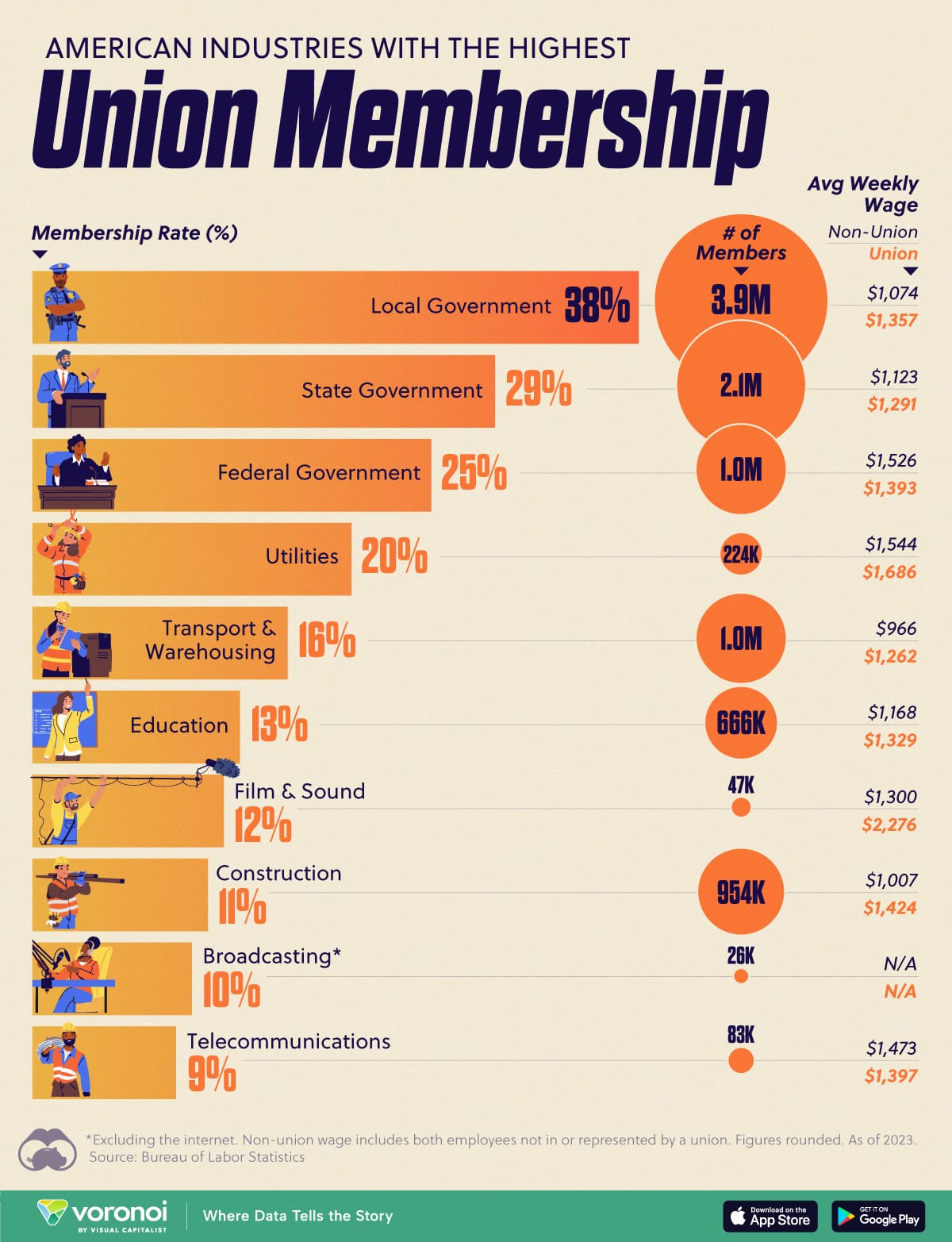
10) The National Education Association is the largest union in the U.S.
If you’re wondering what the top 5 unions in the United States are, check out this list.
• National Education Association: Approximately 3 million members.
Represents public school teachers, education support professionals, higher education faculty, and counselors.
• Service Employees International Union (SEIU): Approximately 2 million members.
Represents workers in healthcare, public services, and property services (such as janitorial and security staff)
• American Federation of Teachers (AFT): Approximately 1.7 million members.
Represents teachers, higher education staff, public employees, and healthcare workers.
• American Federation of State, County and Municipal Employees (AFSCME): Approximately 1.4 million members.
Represents public sector workers including nurses, corrections officers, child care providers, and sanitation workers.
• International Brotherhood of Teamsters (IBT): Approximately 1.3 million members.
Represents blue-collar and white-collar workers, heavily featuring truck drivers, warehouse workers, and logistics personnel.
Nell Escobar Coakley has been a journalist for more than 30 years. She is co-founder and editor-in-chief of Gotta Know Medford and editor of Winchester News. She can be reached at editor@winchesternews.org.