Table of Contents
In a time when Yiddish has become a minority language, a librarian at Winchester Public Library put on Yiddish events throughout the year to re-expose people to the culture and literature.
Sarah Feldman, a then-school librarian, discovered just before the COVID-19 pandemic a month-long program at the Yiddish Book Center for educators to learn about Yiddish culture. She spent weeks learning about different eras of Yiddish and Jewish literature.
Prior to the program, Feldman didn’t have a lot of experience with Yiddish literature and culture. She had heard it growing up when her parents would speak it, usually as a way to keep things a secret from her.
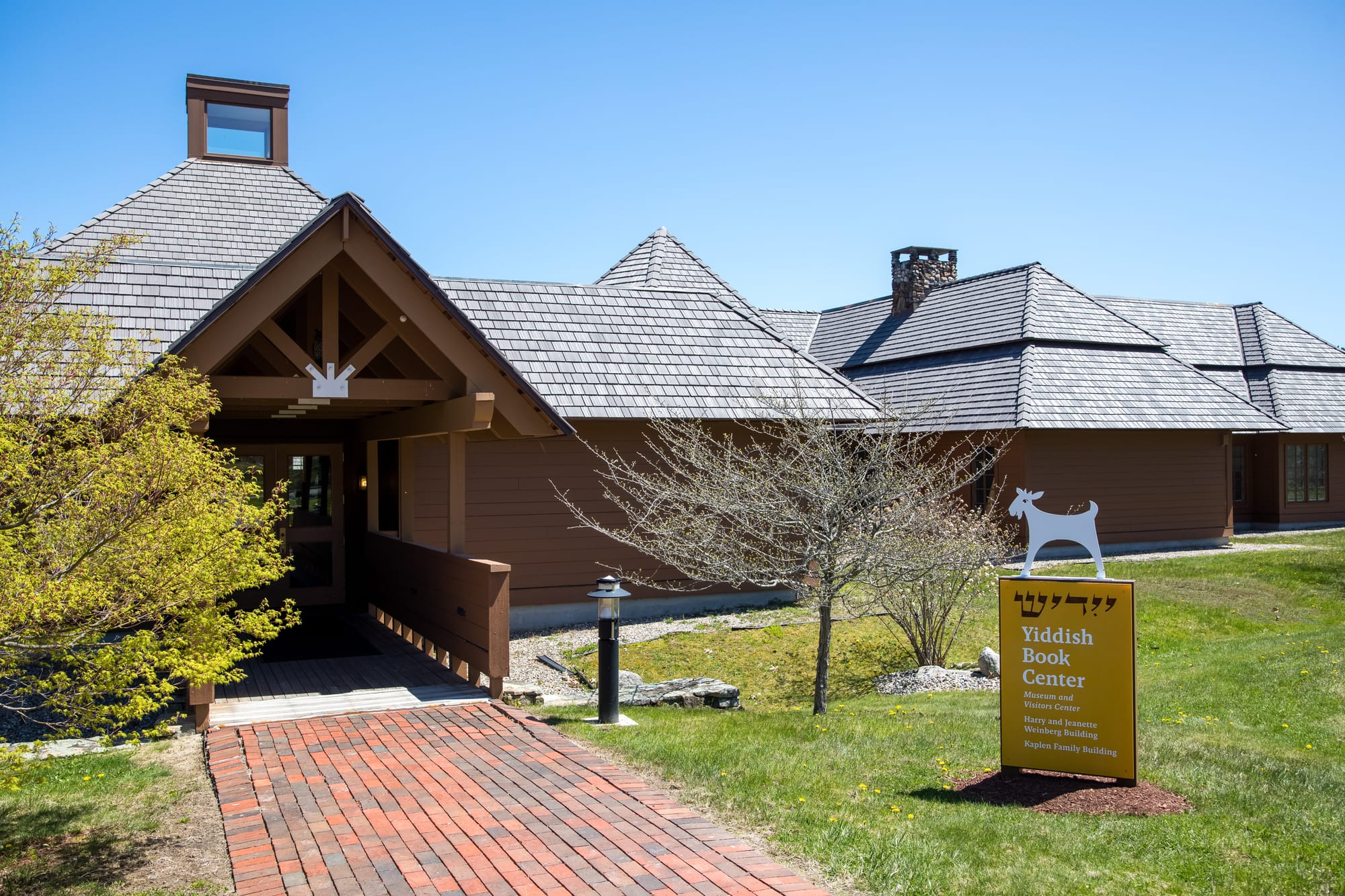
While it hadn’t impacted how she interacted with her Jewish identity, the program did captivate her.
“As a librarian, I was very taken by a whole subgenre of literature,” Feldman said.
A few years later, she had become a librarian at Winchester Public Library and discovered the center’s Public Libraries Program.
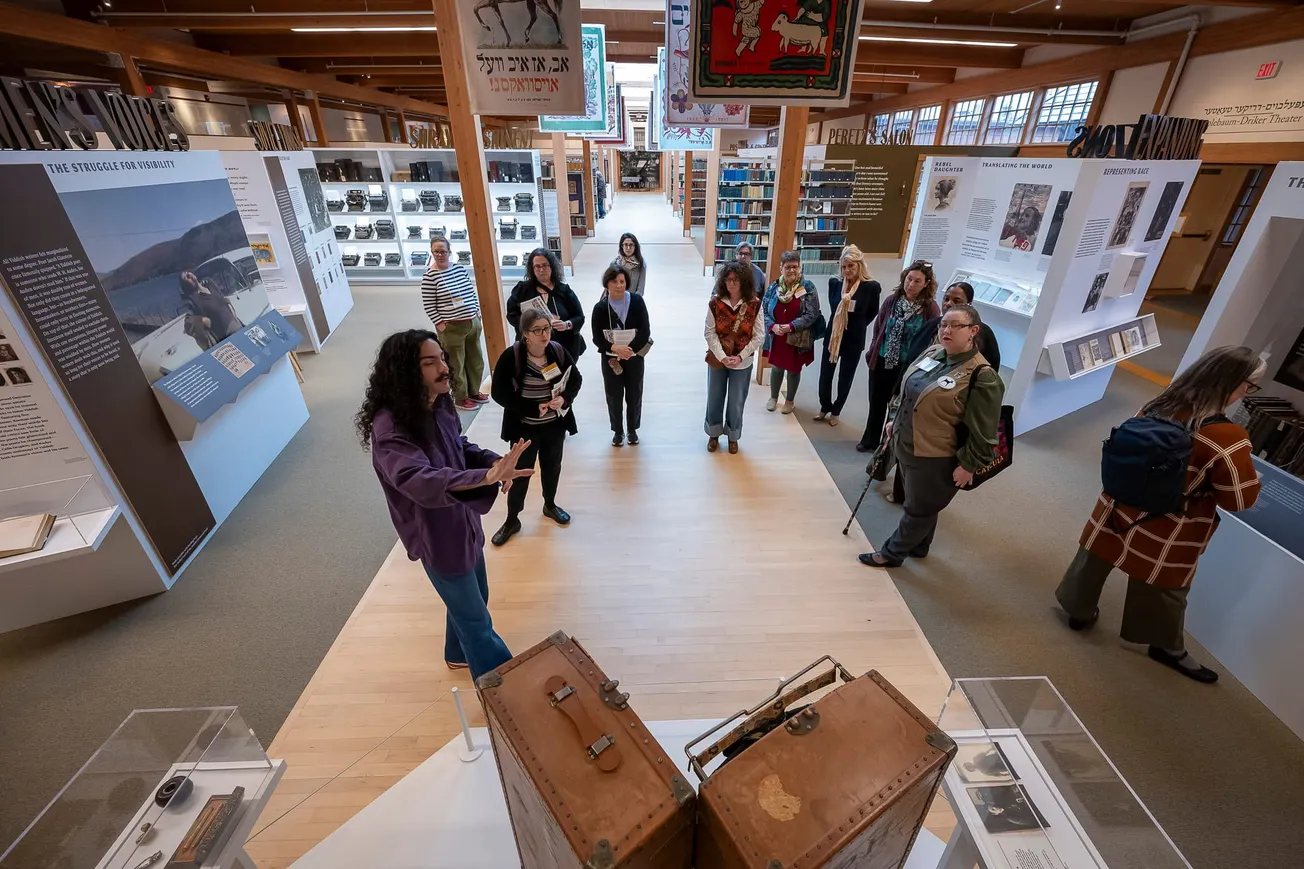
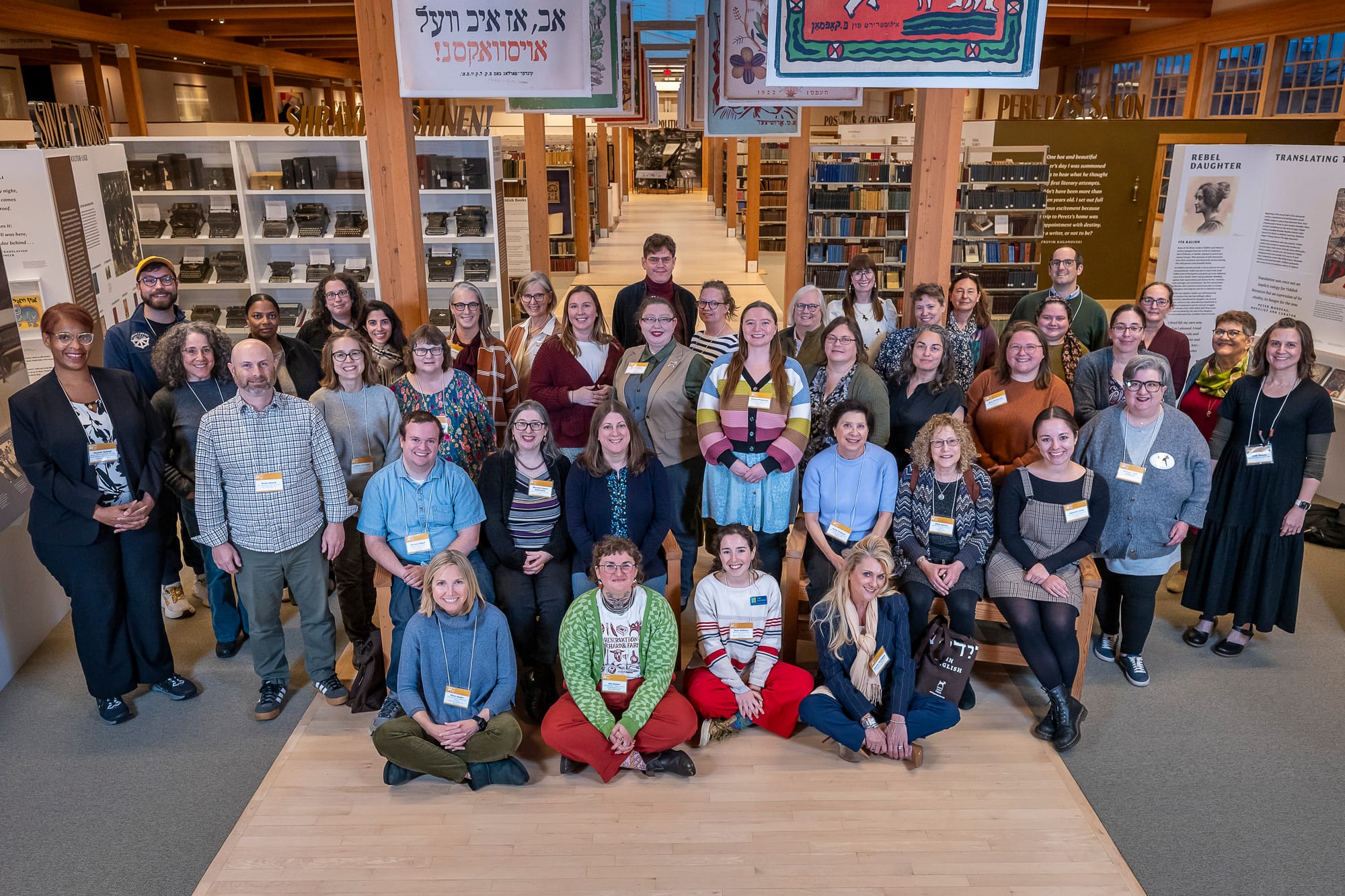
This is the first year the library has participated in the Yiddish Book Center’s Public Libraries Program, which is a three-day program for librarians across the country to come to the center to learn about Yiddish literature before starting a program of their own at their home libraries. It’s part of the center’s mission to help Yiddish culture become more widely recognized and understood both inside and outside the Jewish community.
While Yiddish has faded largely from mainstream Jewish culture as a result of the Holocaust, the center upholds that it can be a great way to reengage with different cultures and history.
“Yiddish allows us to learn anew, to relearn, to unlearn things,” said Sebastian Schulman, the director of special projects and partnerships at the center. “For lots of people it can be incredibly eye-opening.”
The program’s first pilot was in 2020, and last year it received a grant from Lily Endowment, a private foundation that funds religious, community, and educational development within communities, which allowed them to expand the program.
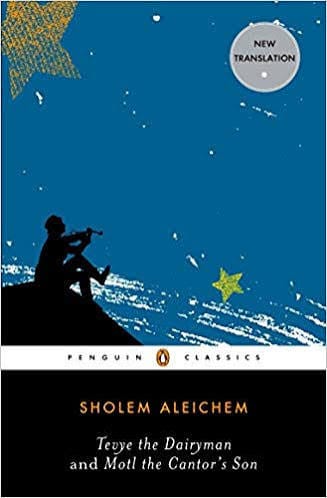
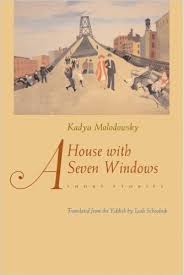
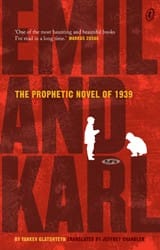
The Public Libraries program gives librarians three books to read and take back with them to their communities. COURTESY PHOTOS
The first cohort of this larger program was the 2026 group, which Winchester is a part of.
The Public Libraries program gives librarians three books to read and take back with them to their communities. The books — Sholem Aleichem’s “Motl, The Cantor’s Son,” Kadya Molodowsky’s “A House with Seven Windows: Short Stories,” and Yankev Glatshteyn’s “Emil and Karl: A Novel”— are what Schulman says are both “the greatest hits of Yiddish culture” and easily accessible.
The program aims to explore the idea of being between two worlds and encourages librarians to pick out a fourth book that speaks to the theme while also relating to their communities. Feldman chose to include Maxine Hong-Kingston’s “The Woman Warrior” as a way to speak to Winchester’s Chinese population.
Throughout the year, Feldman has put on a variety of events in the library with the $2,000 stipend from the program. The events included book groups, movie nights, and speaker events.
NewsMatch is our biggest fundraising campaign of the year. Your donation could be doubled, or even tripled. To make the most of your donation, hit the button now. Thank you for supporting local news.
The events have drawn in people from Winchester and beyond. A Medford resident, Donna Rebibo, came to the events after seeing the programming’s advertisements in the library during one of her visits.
Rebibo had been surprised when she saw the advertisements because “it’s not something you see frequently.”
When she went to the events, she was fascinated by the range of knowledge attendees had. Some didn’t have a lot of knowledge while others did. Rebibo herself had picked up a little bit of Yiddish from living with her grandmother during her childhood.
“This was a wonderful opportunity for someone like me who’s grown up with it, but also for people who haven’t,” Rebibo said.
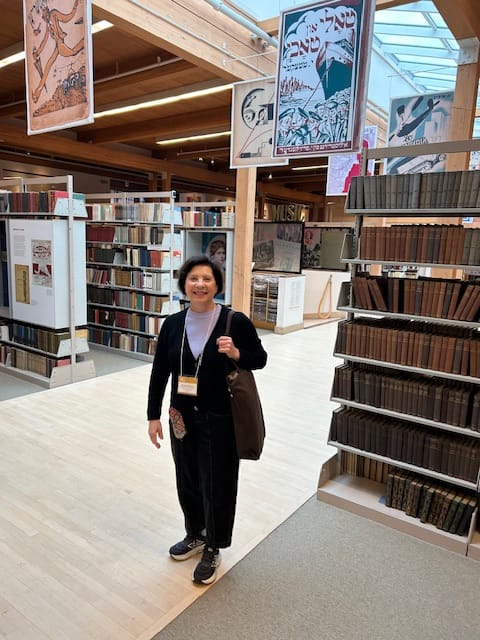
Kate May, a reference librarian at Winchester Public Library, hadn’t experienced Yiddish culture before. She’s Catholic and remembers a time when she wouldn’t have been able to learn about other religions like this.
“It was like a whole new world,” May said.
Shulman, like May, agrees Yiddish isn’t something that can be condensed into one singular thing; instead, it’s multitudinous.
“It has incredible potential to shift thinking and open things up for anybody who interacts with it on so many different levels,” Shulman said.
For other participants, being able to see Yiddish in a library event was a reminder of the past. Joel Goldstein, a Winchester resident who attended a few of the events, described Yiddish as a “part of the fabric of his family.”
“It makes me nostalgic,” Goldstein said.
For the final event of Feldman’s programming, she wanted to focus on something that was a great unifier, music.
She’s planned a concert at the Griffin Museum of Photography on Nov. 22 where members of a Northhampton-based band will perform klezmer, Ashkenazi Jewish instrumental music, and Yiddish songs. The concert will run from 2:30 p.m. to 4 p.m.
Tavishi Chattopadhyay is a journalism student at Boston University. They have been both an intern and freelancer with Winchester News since 2025.