Table of Contents
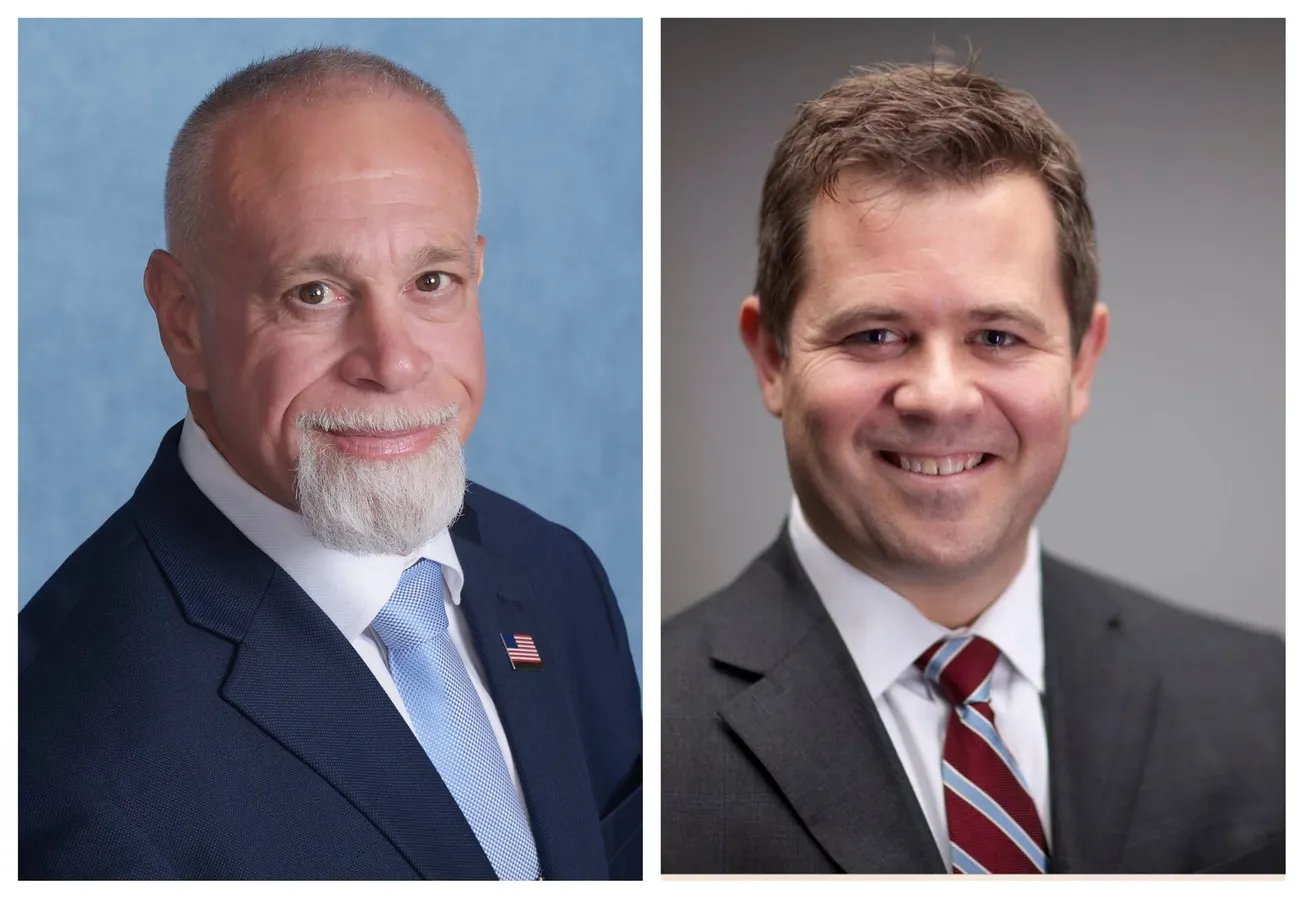
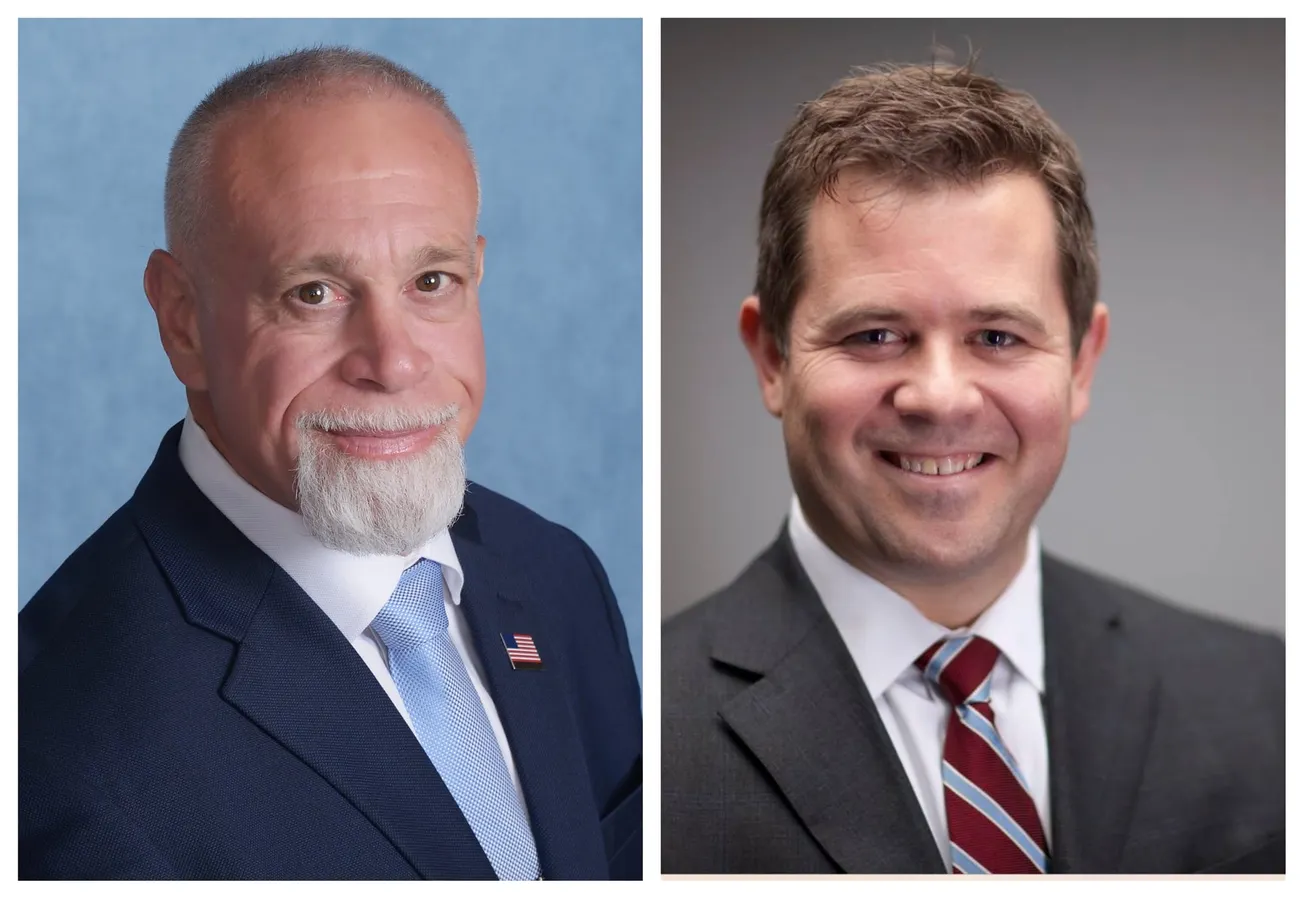
Christine P. Barber and Erika Uyterhoeven agreed on almost everything. Both said so. Both are Somerville Democrats in the Massachusetts House, both wanted the same outcomes on housing, transit, climate and affordability, and most of the field conceded they would vote alike on most bills.
What separated them was what a legislator is for — and who was willing to say so out loud on their behalf.
Two résumés, two theories
Barber has held the 34th Middlesex since 2015, a district straddling Somerville and Medford that cast 20,064 ballots in the 2024 general election, split 10,530 to 9,534. She chairs the Joint Committee on Environment and Natural Resources.
Barber came up through community organizing on food insecurity and homelessness, worked as a health policy expert at Community Catalyst and helped draft the state’s 2006 health reform law.
Her pitch was a list of things already law. A co-pay cap for chronic-disease drugs. The Work and Family Mobility Act, which let undocumented immigrants get driver’s licenses. Pay equity and menstrual equity, co-sponsored with Patricia D. Jehlen. The Green Line Extension into Somerville and Medford.
Uyterhoeven has held the 27th Middlesex since 2021, a district entirely inside Somerville that cast 24,561 ballots in 2024.
She launched her 2nd Middlesex District campaign in March at the Medford/Tufts MBTA station and ran on the premise that the building is the problem: committee votes stayed hidden until she helped force them open, and the reform recently let advocates kill an energy bill she called the work of corporate polluters.
“I learned from a young age that workers, immigrants, and strong women like my mom, we aren’t going to win by asking nicely,” she said.
The endorsement ledger, and what each side bought
Barber’s backers were the ones that usually settle a race like this. Jehlen, who had held the seat since 2005 and who rarely comments publicly on her own succession, named her. Gov. Maura Healey named her. She entered with the largest starting balance in the field, $112,811.52.
Uyterhoeven’s list ran the other direction: the Massachusetts Teachers Association, IBEW Local 2222 and several area city councilors. No governor, no retiring senator.
She had money anyway — $144,886 on hand June 30, the largest reserve of anyone running, built from 60 maxed-out $1,000 donors worth $60,000 and from small gifts, with 64% of her 689 itemized contributions, roughly 441 of them, coming in at $100 or less.
There is an awkward detail inside the Healey endorsement. Uyterhoeven had published an investigation into the Healey administration’s contract to deploy OpenAI’s ChatGPT to state employees.
The governor then endorsed her opponent, and Uyterhoeven’s whole campaign was that Beacon Hill protects itself. It is hard to design a better foil.
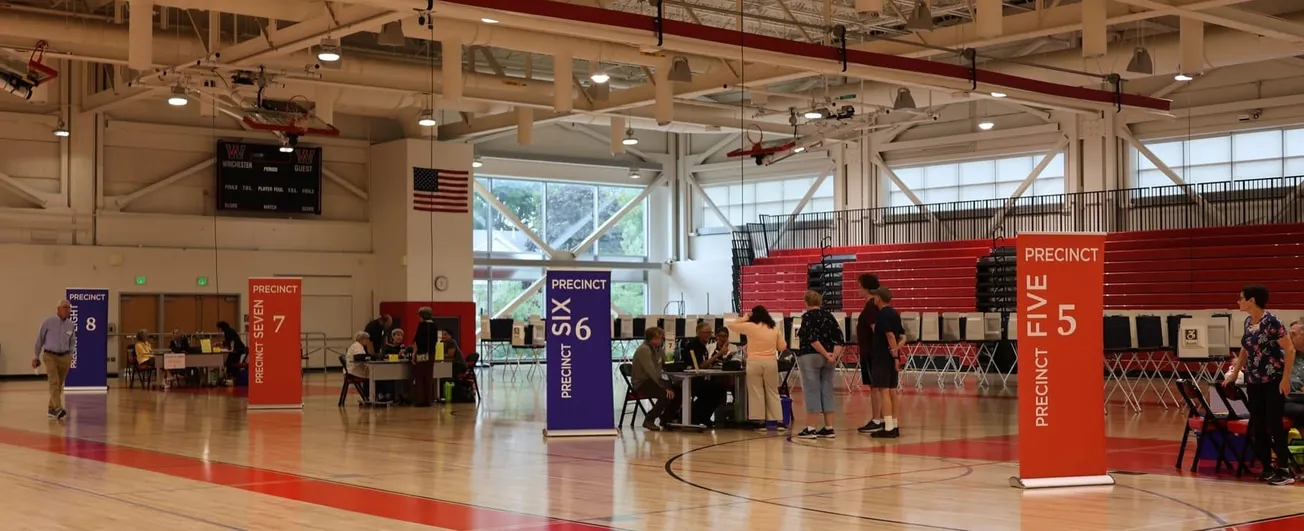
Winchester’s returns let you price the endorsement precisely. In the town’s four 2nd Middlesex precincts, Healey drew 1,581 of 1,918 Democratic ballots — 82.4%, running unopposed. Her endorsee in the same precincts, on the same ballots, drew 618, or 32.2%.
Barber won those precincts. She also won Medford 3,523 to 3,302 — her own House turf, the half of her district that is not Somerville. Across all five communities other than Somerville, she finished 234 votes ahead of Uyterhoeven.
Then Somerville voted 6,886 to 4,446, a 2,440-vote margin out of 16,742 ballots, and Uyterhoeven won the district by 2,206. The endorsements delivered exactly the places where Barber was already known and nothing in the one city that decided it — the city where 44% of her own House district lives and where she finished second.
The same night, endorsements worked perfectly
Two contests on the same ballot ran the opposite way.
Jason M. Lewis lives in Winchester, served in Town Meeting and endorsed Kate Lipper-Garabedian on Aug. 25, asking voters to join him “in voting in the Democratic primary for Kate Lipper-Garabedian for the Fifth Middlesex State Senate.”
She had more than 35 local officials behind her, six in Winchester, and $70,027 on hand at the end of June against Carey McDonald’s $26,288 raised.
In the four precincts where that endorsement applied, she took 1,165 of 1,794 ballots, 64.9%. She won the district with 15,890 votes, 57% of the 27,889 cast, a margin of 10,065.
Lipper-Garabedian lost Malden, where McDonald beat her 2,907 to 2,248 and Ryan J. O’Malley took 1,392 more, and it changed nothing.
Note what the teachers’ union did here. The MTA backed Uyterhoeven in the 2nd Middlesex and O’Malley in the 5th. Uyterhoeven won. O’Malley finished third with 6,638 votes, 11.9% of ballots cast.
The same endorsement, the same night, two opposite results — because in one district it landed on a candidate who already owned a city and in the other it landed on one of two men splitting theirs.
Edward J. Markey ran the maximal version. He held Elizabeth Warren, Bernie Sanders, Alexandria Ocasio-Cortez, Ayanna Pressley, Boston Mayor Michelle Wu, most of the state’s U.S. House delegation, most major labor unions and roughly 73% of delegates at May’s state Democratic convention.
Seth Moulton’s most prominent endorsement was the Boston Globe editorial board, which came Aug. 18, 13 days out.
Moulton had the money — $1.84 million on hand to Markey’s $1.35 million through Aug. 12, plus at least $5.4 million in outside spending from Advance Progress against $2.2 million from the pro-Markey Commonwealth Together. He finished with 314,198 votes to Markey’s 580,628 out of 913,768 cast statewide, 34.4% to 63.5%. Markey’s convention share was 73%; his primary share was 63.5%.
What the pattern actually is
Endorsements did not fail on Sept. 1. They performed exactly to their reach.
Lewis’s carried Winchester because Lewis is from Winchester. Markey’s institutional wall held because it covered the whole state he was running in. Healey’s and Jehlen’s carried the places Barber already had and could not reach into a city where three candidates were fighting over the same base and one of them held half of it.
Matthew McLaughlin, a seventh-term Somerville Ward 1 councilor whose mother cleaned nights at MIT, ran on home rule petitions dying at the State House and took 8,436 votes, 11.7%.
Burhan Azeem, the 29-year-old Cambridge vice mayor running on abundance, was also sharply critical of State House secrecy and took 12,402, or 17.3%, winning just 2,111 of the 6,713 ballots in his own city’s in-district precincts. Barber and Uyterhoeven together took 3,650 there — more than Azeem’s own total in Cambridge.
Three candidates made an anti-Beacon Hill argument. The one with a Somerville House seat is the nominee.
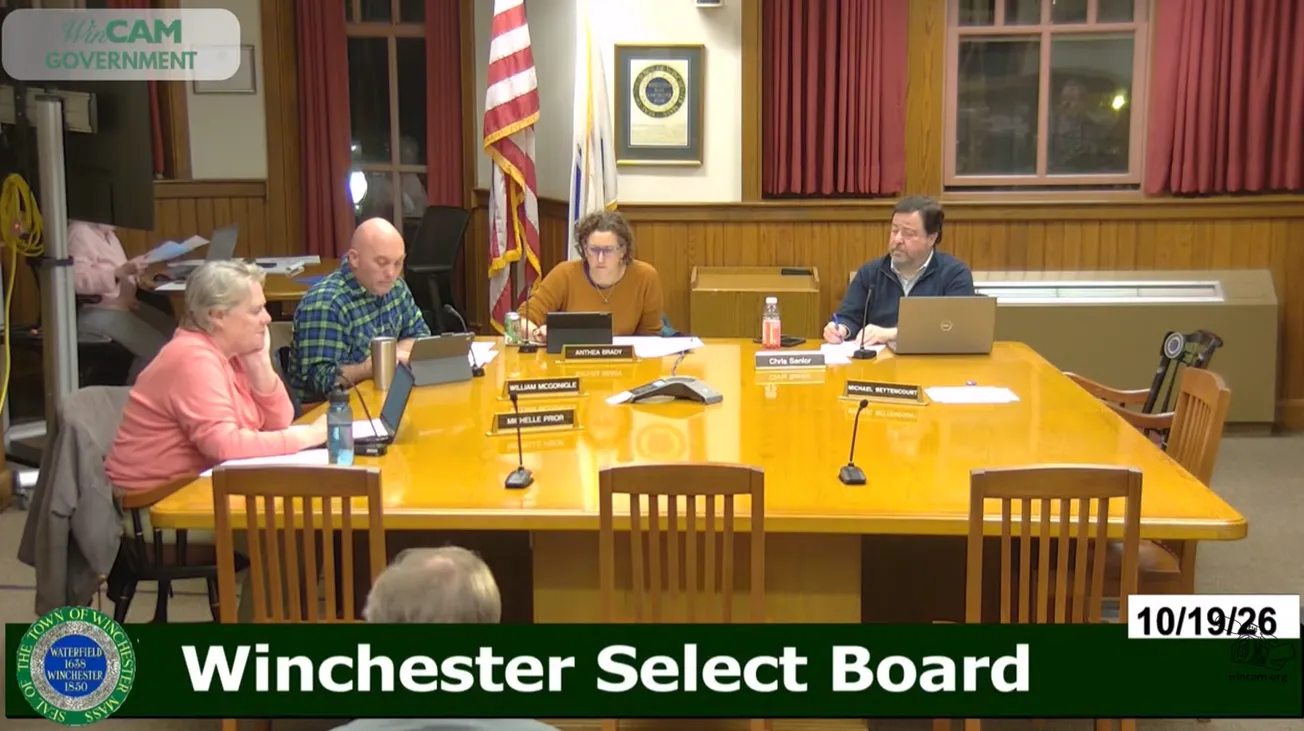
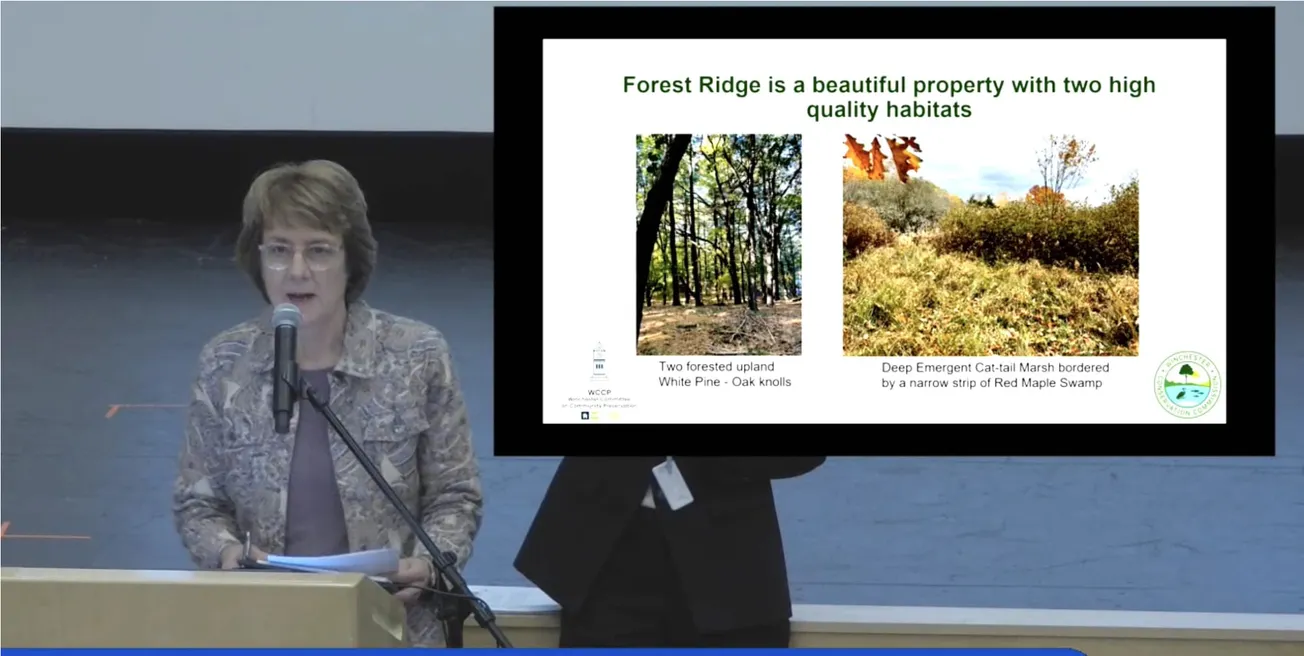
Thomas E. Hopcroft, the Winchester School Committee member who quit in July and could not get his name off the ballot, drew 666 districtwide. Winchester supplied 5.3% of the district's ballots and 46% of his vote.
No Republican filed in either seat, so Nov. 3 decides nothing here. About 65% of 2nd Middlesex Democrats marked a name other than Uyterhoeven’s. Jehlen entered with 38% in 2005, Lewis with 43% in 2014.
Both of Winchester's senators arrive as freshmen in January, and the one whose predecessor endorsed against her got there without needing the town at all.
Will Dowd is a Massachusetts journalist who covers municipal government and community life for Winchester News. He is also the founder and editor of The Marblehead Independent, a reader-funded digital newsroom.