Table of Contents
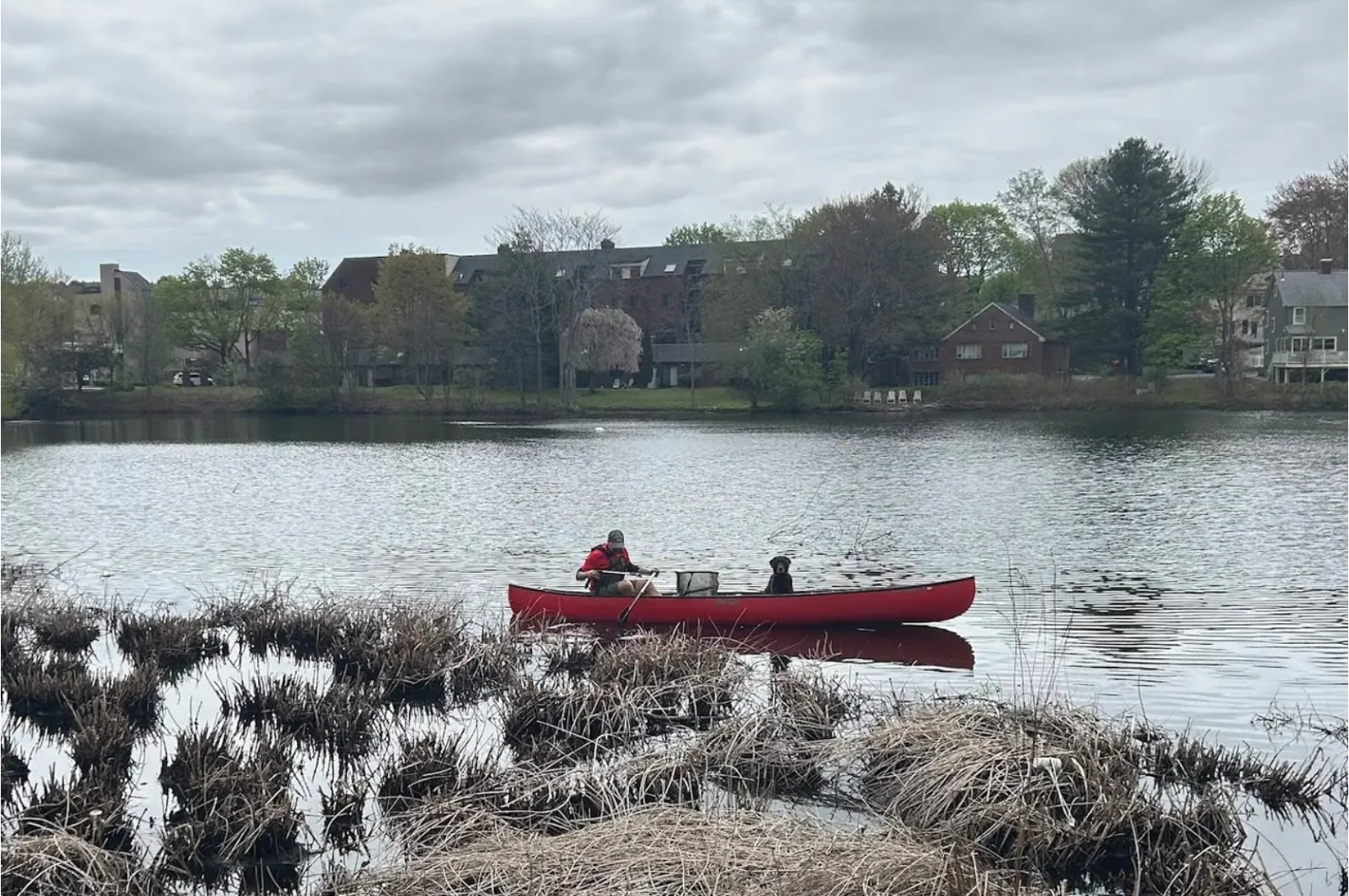
More than 45 people brought clippers and shovels to Judkins Pond and Borggaard Beach on Oct. 26, 2024, for the town’s second fall invasive plant clean-up day, and spent the morning cutting bittersweet vines, knotweed, bamboo and tree of heaven. That morning is, by the public works director’s account, Winchester’s program for removing invasive trees.
“No, we do not have a specific line item in the budget to remove invasive plants,” Robert LaBossiere, director of the Department of Public Works, said. “The Conservation Commission has a volunteer program that removes some invasive plants and the DPW will assist with disposal.”
Asked how many removal requests his department has fielded this year compared with past years, LaBossiere answered with a single character: “0.”
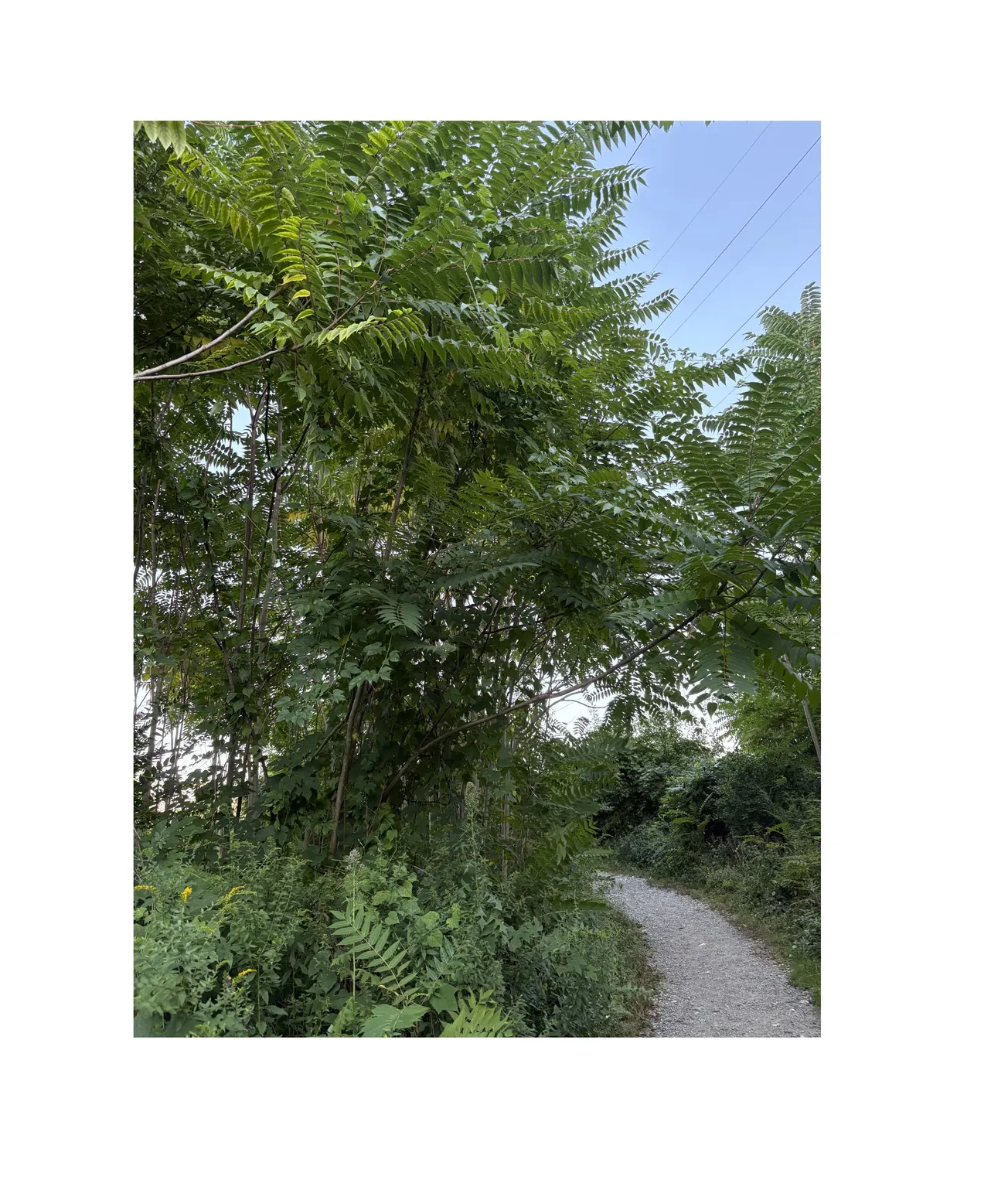
The tree has come up repeatedly in local Facebook groups this summer.
Town counts acres, not trees
A Tree Canopy Assessment by the firm PlanIT Geo, published in September 2024, compared aerial imagery from 2013, 2018 and 2023: the town gained 53 acres of canopy between 2012 and 2018, then lost 143 acres between 2018 and 2023.
The net loss of 90 acres is a 2.3% drop in the town’s total canopy, which the firm likened to roughly 68 football fields.
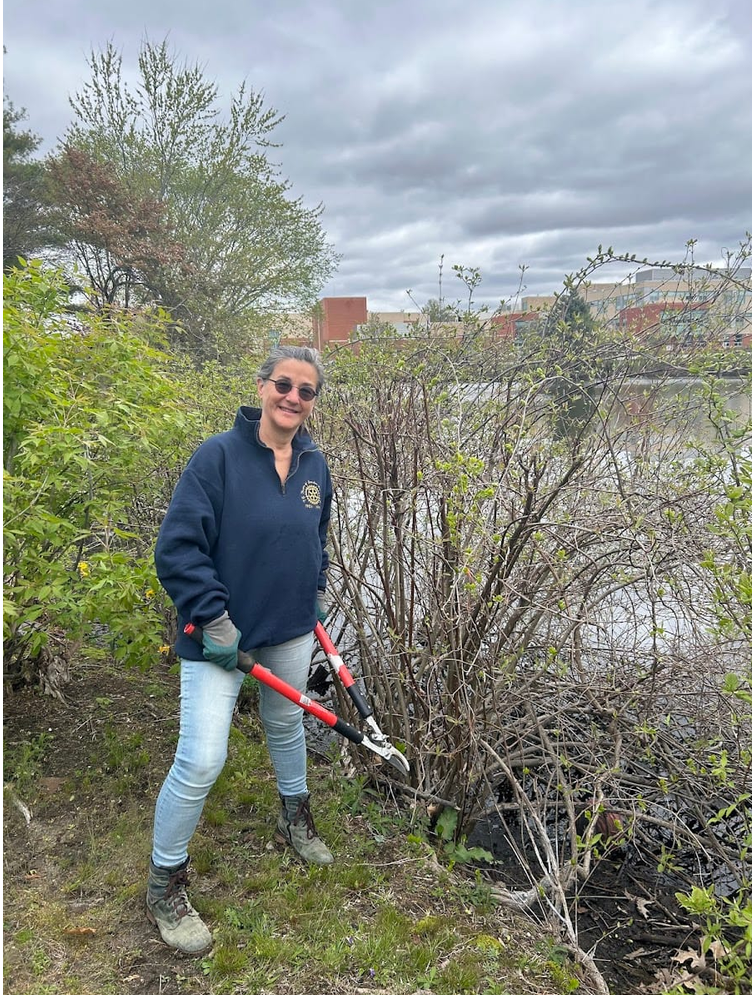
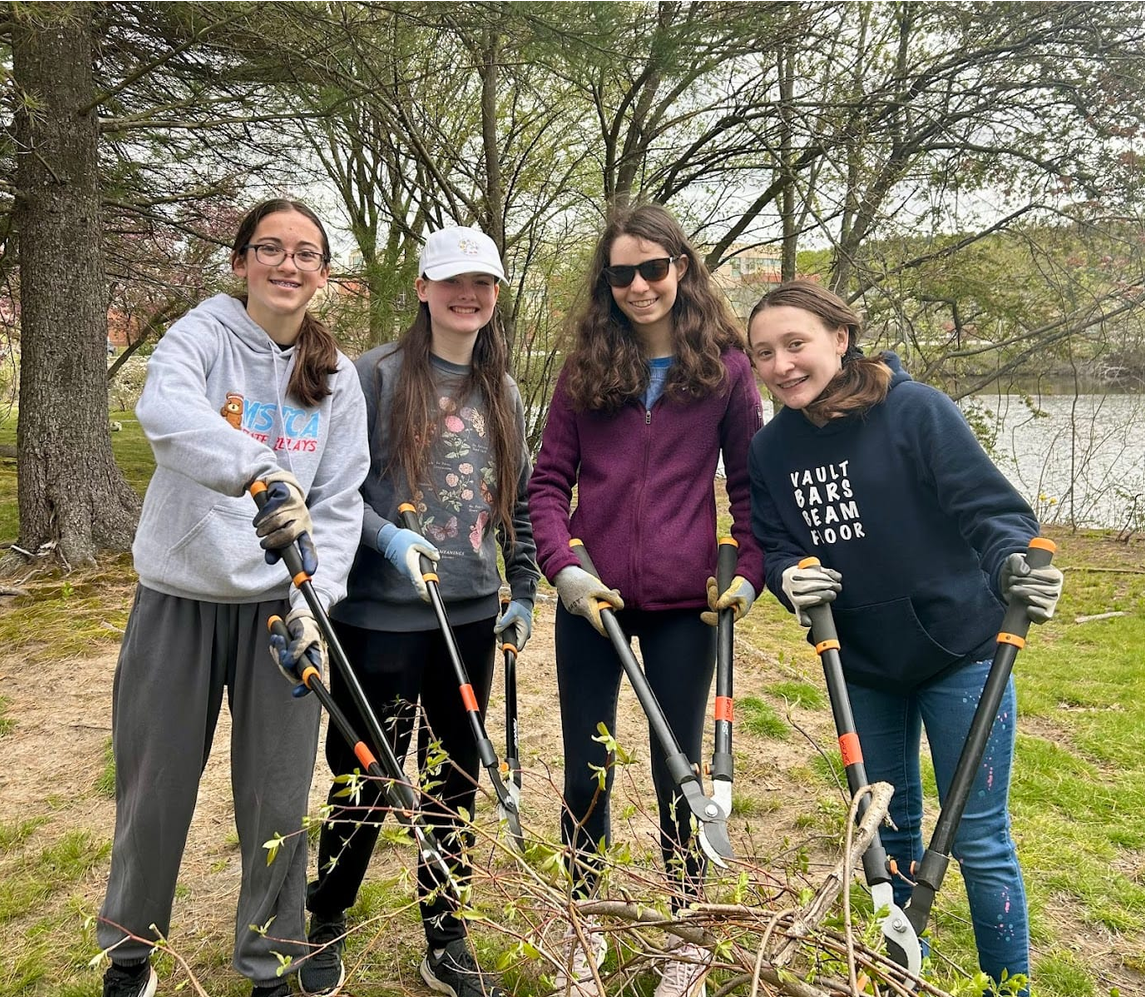
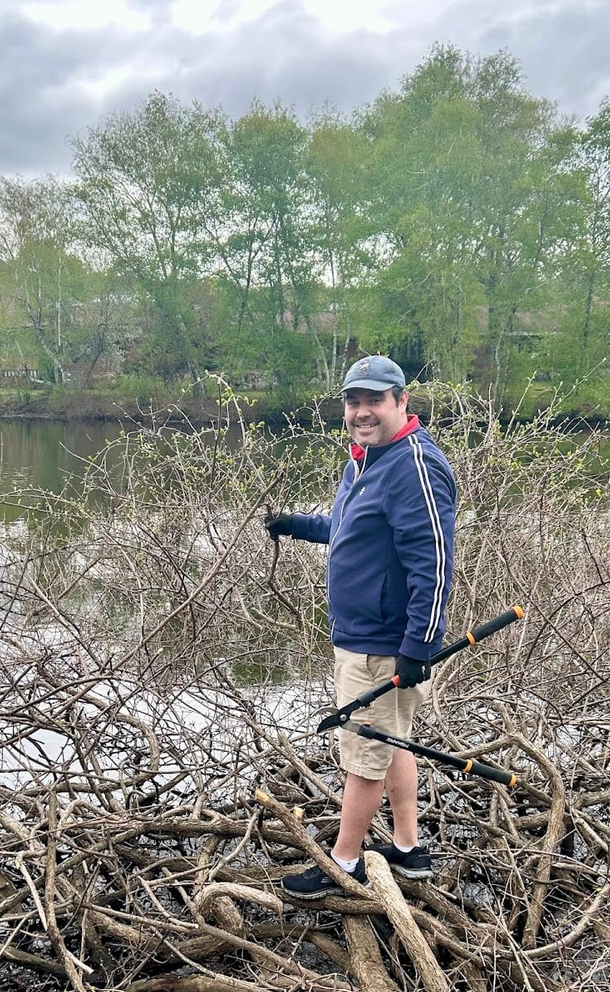
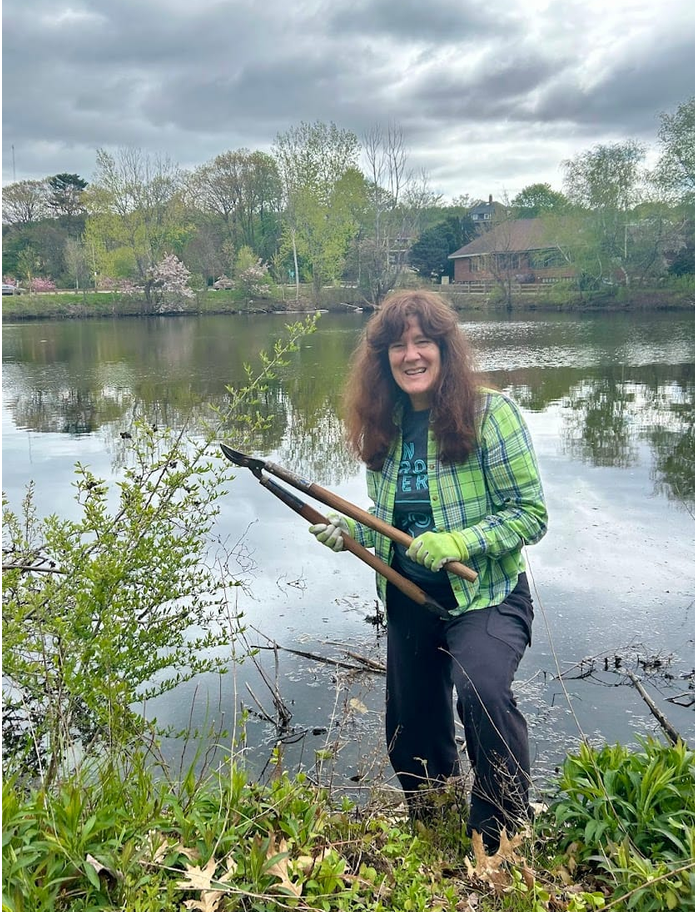
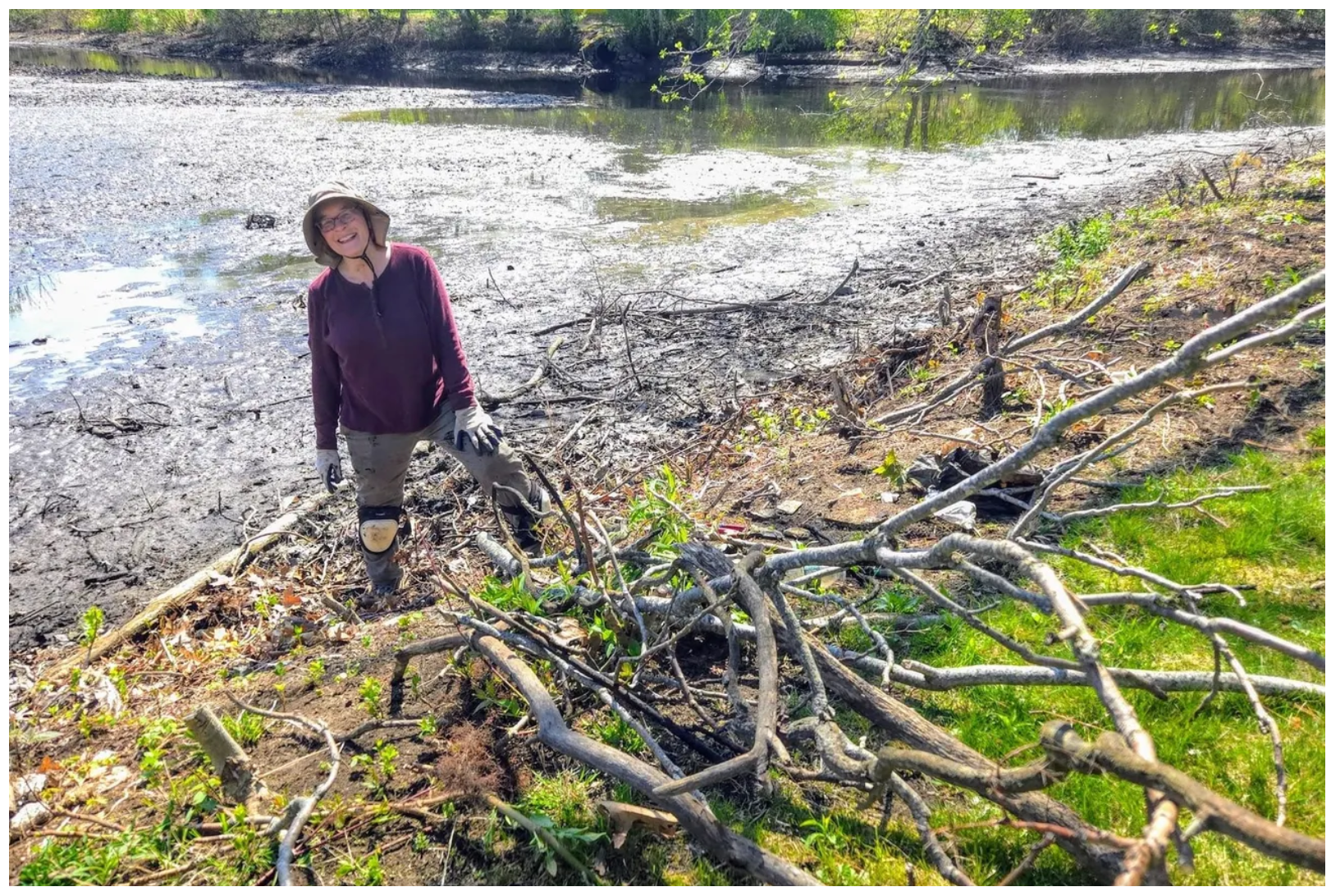
How does Winchester get rid of its invasive plants? The Conservation Commission holds events to clean up along the Aberjona River or other areas of the community. WINCHESTER NEWS FILE PHOTOS
The $10,000 study — $5,000 from the Peter Van Aken Tree Fund and $5,000 in American Rescue Plan Act money — maps land cover from 60-centimeter aerial imagery. It cannot say where a single tree of heaven stands.
“There is no budget for invasives ID and removal, so at this point it would need to be done by volunteers or perhaps with a grant of some kind, but that would be a one-time project,” said Sustainability Director Ken Pruitt, via an email.
Pruitt wants a full inventory of town trees before recommending a removal budget.
Bylaw guards street trees, not this one
The Public Shade Tree Bylaw, adopted at 2013 spring Town Meeting, sets a standard of no net decline in public tree coverage under Massachusetts General Laws Chapter 87, which requires a tree warden permit and an advertised public hearing before any public shade tree wider than 1.5 inches comes down. The statute carves out nothing for invasive species.
LaBossiere draws the line elsewhere.
“Any tree that is categorized as invasive does not get treated like a public shade tree,” he said.

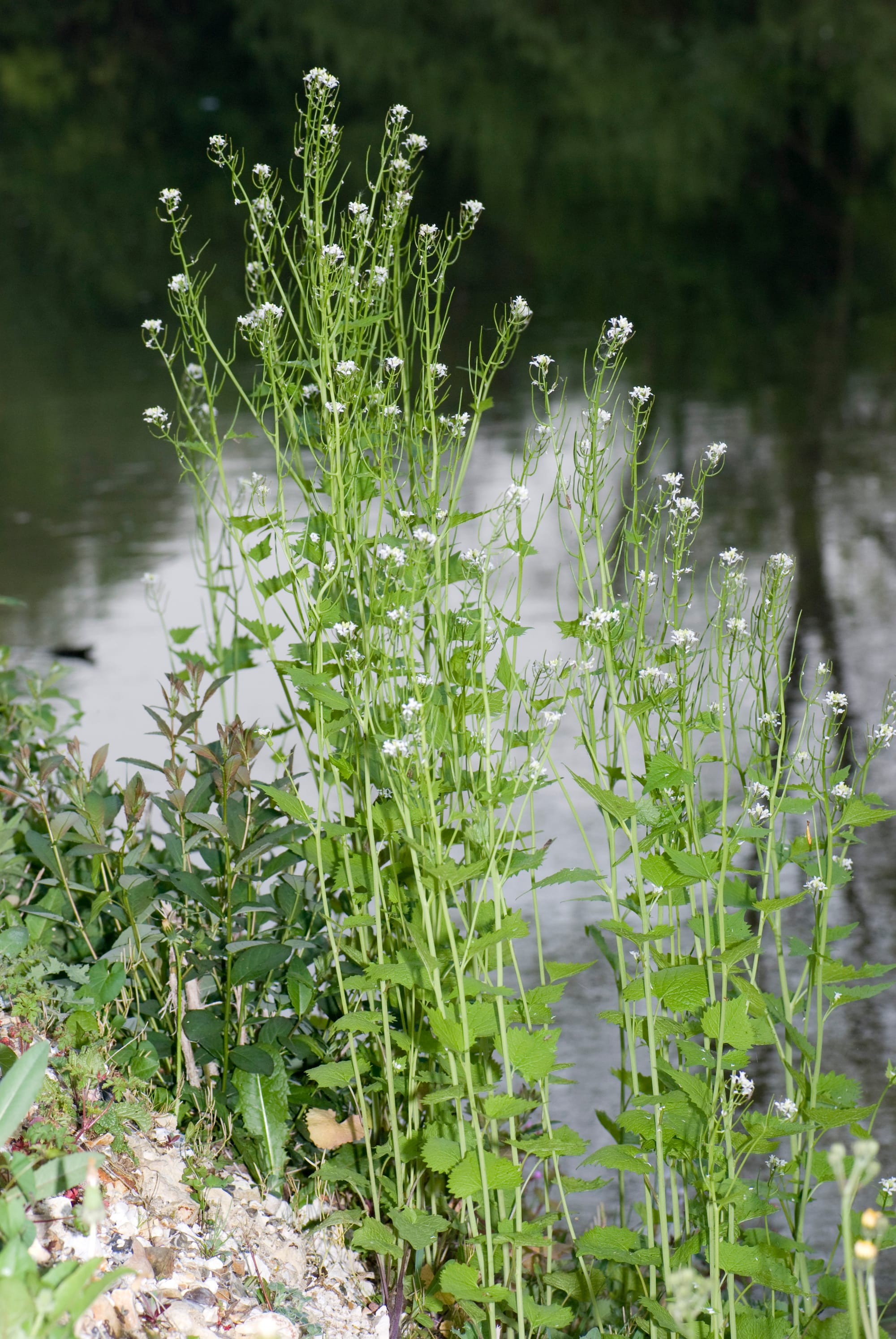
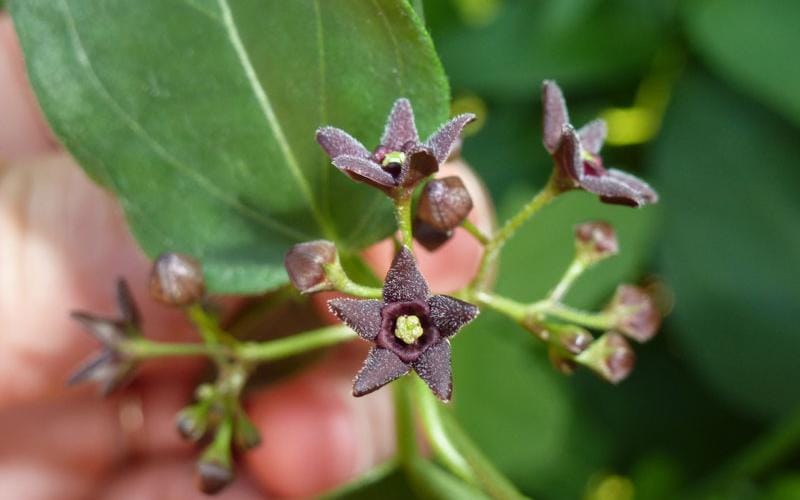
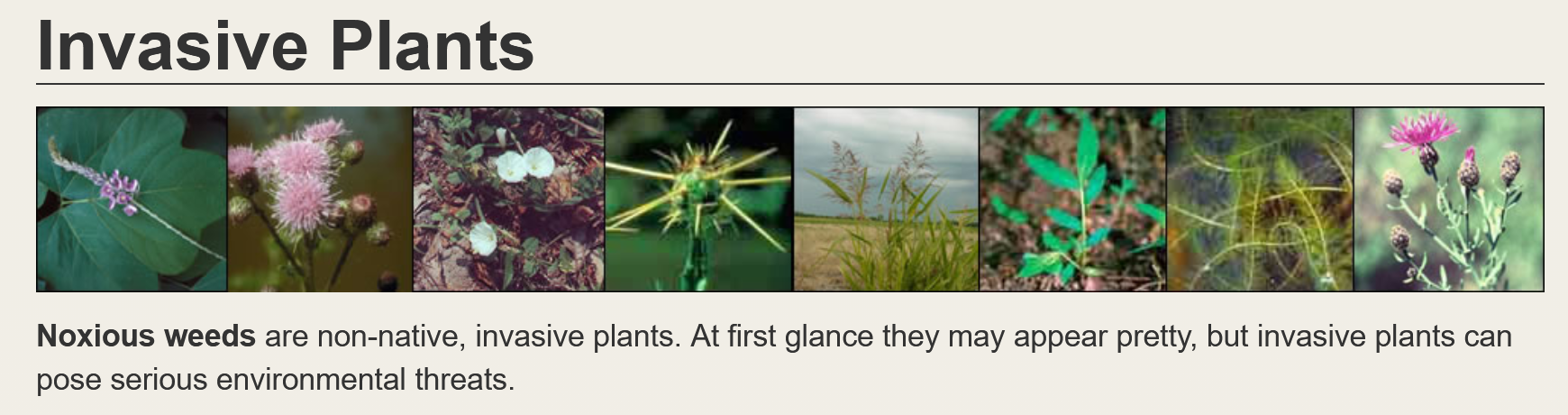
Have you spotted any of these invasive plants in the Winchester area? COURTESY PHOTOS/WIKIPEDIA/U.S. PARK SERVICE
The town bylaw gives him two doors: it exempts trees the tree warden finds in writing to be hazardous, and trees the Commonwealth flags as a risk of disease or insect infestation. LaBossiere, who serves as tree warden, was not asked which exemption he relies on, and did not say.
The bylaw reaches private land only when a tree there threatens the public way or town property; the tree warden then notifies the owner and may remove it at the owner's expense.
Asked about roots and seedlings crossing onto town land, LaBossiere said, “We do not unless it becomes a hazard.”
State bans the tree, then stops
Tree of heaven sits on the Massachusetts Prohibited Plant List, which bars its import, sale, trade, purchase, distribution and propagation. Nothing requires anyone to cut down one already in the ground.
Somerville’s ordinance singles out the species, allowing removal without a permit at any size.
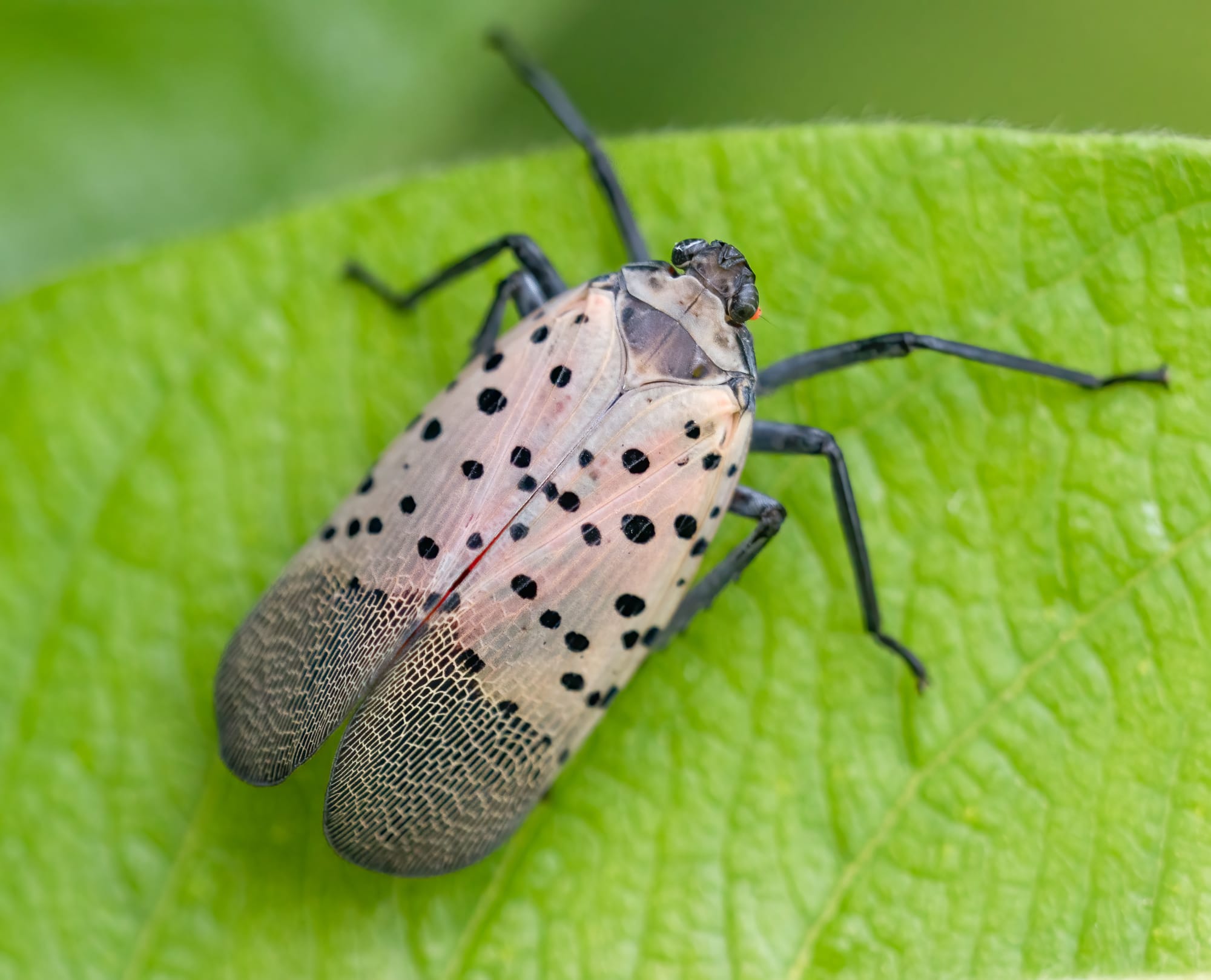
The tree is the preferred host of the spotted lanternfly, which the state Department of Agricultural Resources said in August 2025 had been confirmed in more than 50 cities and towns across nine counties.
Cut one without treating it and it answers with root suckers and stump sprouts; state extension guidance calls for systemic herbicide from mid-July through early October, then removal.
Handbook skips the species
Pruitt pointed to the Sustainable Landscape Handbook, which Winchester produced with Arlington and Stoneham in 2023 on a $40,400 Metropolitan Area Planning Council grant.
The handbook warns that “Herbicides should only be used as a last resort.”
It names burning bush, black swallow-wort, garlic mustard, glossy buckthorn, invasive honeysuckles, roundleaf bittersweet, knotweed and barberry. It never names tree of heaven.
Nor has the species come before the Permanent Street Tree Committee (PSTC).
“I don’t recall that species specifically coming up in PSTC discussions, but probably every committee member is aware of it and sees it around town,” Pruitt said.
At 2025 spring Town Meeting, Winchester adopted a no-net-loss policy requiring that any public tree removed be replaced.
“We’ve watched the suburban tree canopy just, frankly, get decimated,” Austin Whitman, a member of the committee, told Winchester News in July 2025.
Will Dowd is a Massachusetts journalist who covers municipal government and community life for Winchester News. He is also the founder and editor of The Marblehead Independent, a reader-funded digital newsroom.