
Table of Contents
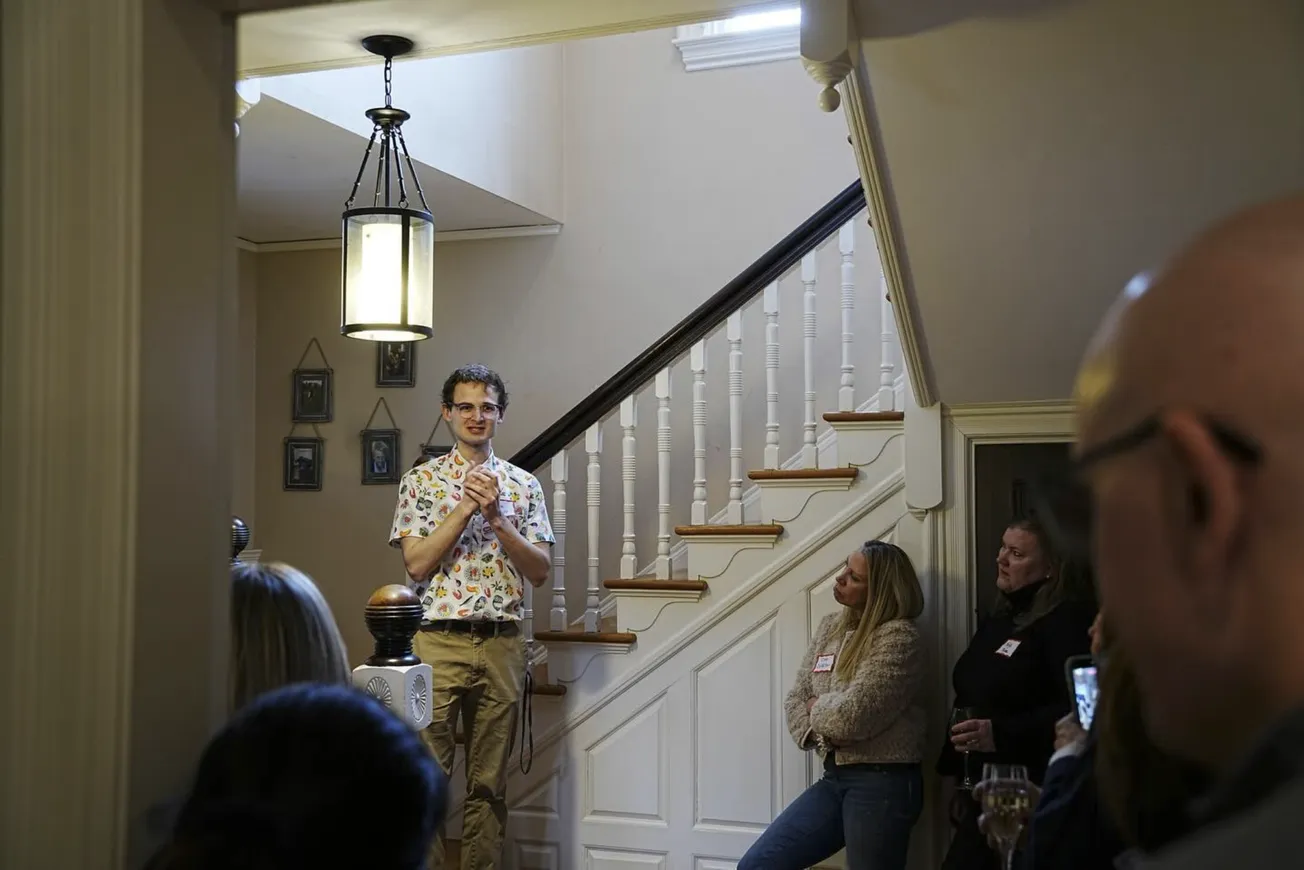
What experiences and perspectives would you contribute to the School Committee? As an education researcher, experienced youth mentor, and proud Winchester Public Schools graduate, I would bring a unique combination of policy expertise, research skills, and personal experiences to the Winchester School Committee.
In my current role at a leading education non-profit, I conduct research and develop financial models to help state legislators and advocates build equitable and transparent school finance systems. I also conduct school quality reviews for urban districts across the U.S. to provide actionable feedback to improve student achievement. I received my B.A. in Education Studies from Brown University, and have presented research to the American Educational Research Association, Sociology of Education Association, and Arkansas Department of Education. These experiences – promoting continuous classroom improvement, interrogating school budgets, and collaborating with education stakeholders – equip me to deliver for Winchester Public Schools students.
Beyond my education policy background, I am deeply passionate about youth mentorship and student development. Currently, I work part-time as the Weekend Mentor for Winchester A Better Chance (Winchester ABC), where I facilitate programming and build connections with the seven current scholars. I have extensive experience in the outdoor education space leading wilderness trips in tech-free environments, and also worked as a substitute teacher at Vinson-Owen Elementary School during the 2021-2022 school year. In college, I led a civic education initiative that logged over 2,000 hours of non-partisan voter registration for young voters. My commitment to helping young people build the futures they envision for themselves undergirds my campaign.
As a proud graduate of Muraco Elementary School, McCall Middle School, and Winchester High School, I also have firsthand experiences as a student growing up in Winchester. My personal experiences balancing academics and the arts with athletic and extracurricular activities motivate me to provide high-quality student engagement opportunities, address technology in the classroom, and support student mental health.
What are two or three issues facing Winchester, related to the public schools, that you think are most important and what are your positions on them?
STRATEGIC BUDGETING
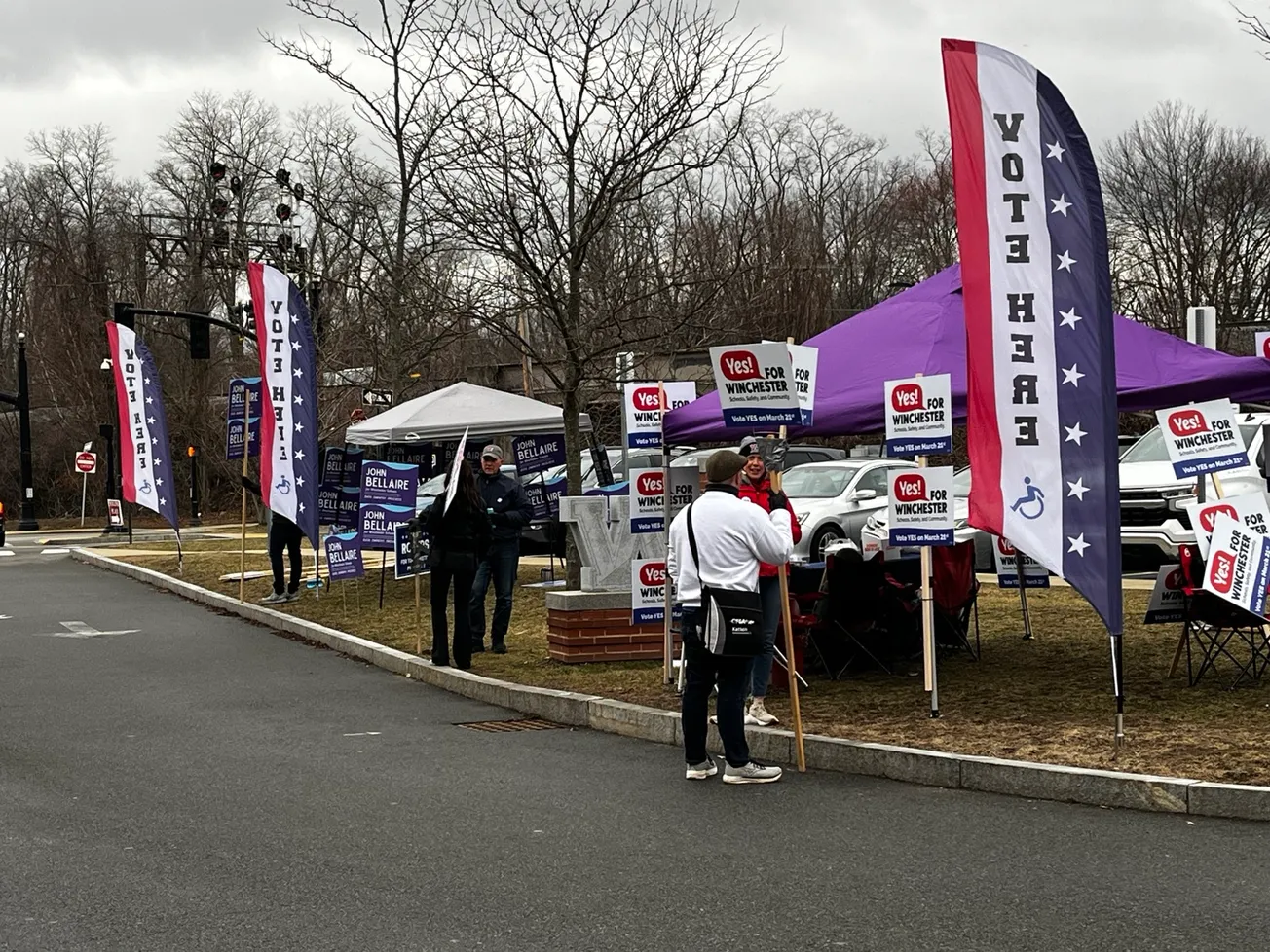
As Winchester navigates a challenging fiscal environment with lower enrollment, receding federal aid, and inflation, Winchester Public Schools must vigorously monitor its budget to ensure we maximize the impact for our students. I am proud to support the $11.5 M Proposition 2.5 override on the ballot on March 21st, which among many town priorities will fund critical school needs such as classroom materials, special education, and curriculum reforms. This Fall, I assisted the Winchester State of the Town Committee in analyzing student achievement trends since 2019 which helped inform these requests.
As a School Committee member, I would set clear and measurable goals for each of our strategic priorities so that we can put our students first and build broad support for our school budget through transparency and accountability. I would also work collaboratively to create a digital progress monitoring dashboard so community stakeholders can see our goals and how we're defining success beyond test scores alone. As a trusted school finance researcher and data analyst, I possess the skillset and mindset that can help us drive progress forward.
TECHNOLOGY & STUDENT MENTAL HEALTH
Growing up as a student in Winchester Public Schools during the digital age, I know firsthand how rapidly technology and generative artificial intelligence are reshaping learning and student mental health. Although we need to support students in developing the skills to use technology effectively and responsibly, an overreliance on technology can impede student learning. Existing research grounds my commitment to a limited role for technology at the elementary school level, and I support the current cell phone bans in place at McCall Middle School and Winchester High School. Even though generative artificial intelligence is profoundly reshaping K-12 education, Winchester currently does not have a comprehensive AI policy. I would help lead the School Committee in convening students, teachers, and parents to develop a policy that protects student safety, promotes critical thinking skills, supports our teachers, and prepares students to be AI literate.
In 2025, one in four Winchester High School students found their anxiety to be overwhelming "most of the time or always" within the past twelve months. While maintaining academic rigor to challenge and engage all students, WPS must continue its efforts to implement social-emotional learning to help students find confidence in themselves and belonging amongst their peers. Supporting our extracurricular, artistic, and athletics programming can help students find community and explore their passions. From an early age, WPS must help students develop communication, behavioral, and social skills to help them navigate and tackle future challenges.
MURACO SCHOOL REBUILD
When I enrolled as a student at Muraco Elementary School in 2009, it was the top elementary school in the State of Massachusetts. Our strong public schools brought my family to Winchester, and every child deserves the opportunity to learn in a safe and vibrant school setting. Despite the Muraco life extension project this past summer, significant work remains to ensure that Muraco students and teachers have access to the facilities conducive to engaged learning. The inequities across our buildings are only made worse by the fact that Muraco has the second-highest concentration of low-income students among our elementary schools.
Winchester is fortunate to be in a position where the Massachusetts School Building Authority has expressed interest in supporting a Muraco renovation or rebuild. I am committed to advancing this work, but also recognize that Muraco's student enrollment has decreased by 30% since 2013. Building a new Muraco will help attract young families to town, but the School Committee must work collaboratively with the broader town to make it easier for young families to move to Winchester. Working to combat enrollment decline through expanded Pre-K offerings, new school facilities, and new housing will provide the town with more state education revenue under Chapter 70 and allow us to offer comprehensive services and elective offerings.
What are your views on the proposed changes to the literacy curriculum? If elected to the Winchester School Committee, continuing to align our early literacy and mathematics instruction with evidence-based practices would be my top priority. As the son of a public school special education teacher, I know that investments in high-quality instructional materials and professional development can ensure every child has a strong foundation.
Embracing the "science of reading" and helping students build phonemic awareness will help all of our students learn to read, and enable them to read to learn in future years. The 2024 WPS Literacy Report revealed what many of our students, teachers, and parents already knew: that curricular incoherence, a lack of tiered supports, and unresponsive leadership have left students behind. Thanks to advocacy from parents and teachers over many years, Winchester Public Schools has piloted two literacy programs (EL Education 2025 and Arts & Letters) this year that are showing substantial progress with widespread support from teachers, administrators, and families. I support the Winchester School Committee's proposal to expand professional development and evidence-based literacy curricula to all of our elementary school classrooms in the 2026-2027 school year.
Perhaps just as important as elementary literacy reform is early mathematics reform. On average, students who experience persistent struggles in elementary math are 34 percentage points less likely to attend college as compared to their peers. While the research is clear around the "science of reading," there is far less consensus among education researchers about the best approach to teaching math. Far fewer causal studies have investigated effective math instruction, leading experts to disagree over how teachers should balance procedural fluency, conceptual understanding, and teacher-directed instruction. Additionally, while literacy reform is concentrated in Grades K-3, changes to elementary math pathways will affect the entire P-12 system and impact the course sequences at McCall and Winchester High School. As WPS moves forward with plans to pilot and implement a new math curriculum in the 2028-2029 and 2029-2030 school years, the School Committee will need a leader who understands education research and can bring a collaborative approach to interrogating these nuances.
If only some new programs proposed in the FY27 School Committee budget can be funded, how would you decide which programs to fund at higher levels, current levels, reduced levels, or to cut? One of my campaign's core values is "Data," which I define broadly to refer to insights from education research, student achievement data, and input from Winchester teachers, parents, and students. When faced with difficult tradeoffs, I would be curious to seek out information from these sources to make the best possible decisions for our students. I believe my curiosity, collaborative work ethic, and experiences in education finance empower me to navigate difficult budgetary decisions.
I fully support the Winchester Public Schools FY27 prioritized needs, which include high school course expansions, transportation, professional development, and elementary field trips. For me, continuing to develop multi-tiered systems of support so that all students receive tailored instruction and interventions is non-negotiable. Advancing the elementary math and literacy curricula reforms are also paramount. The additional area that I would push Winchester Public Schools to consider investing in as we recover from pandemic-era learning loss is high-impact tutoring. Research has demonstrated that small-group, high-dosage, in-person tutoring can help students build content and procedural mastery. Building tutoring into the school day, particularly targeted at elementary literacy, can help all of our students thrive.
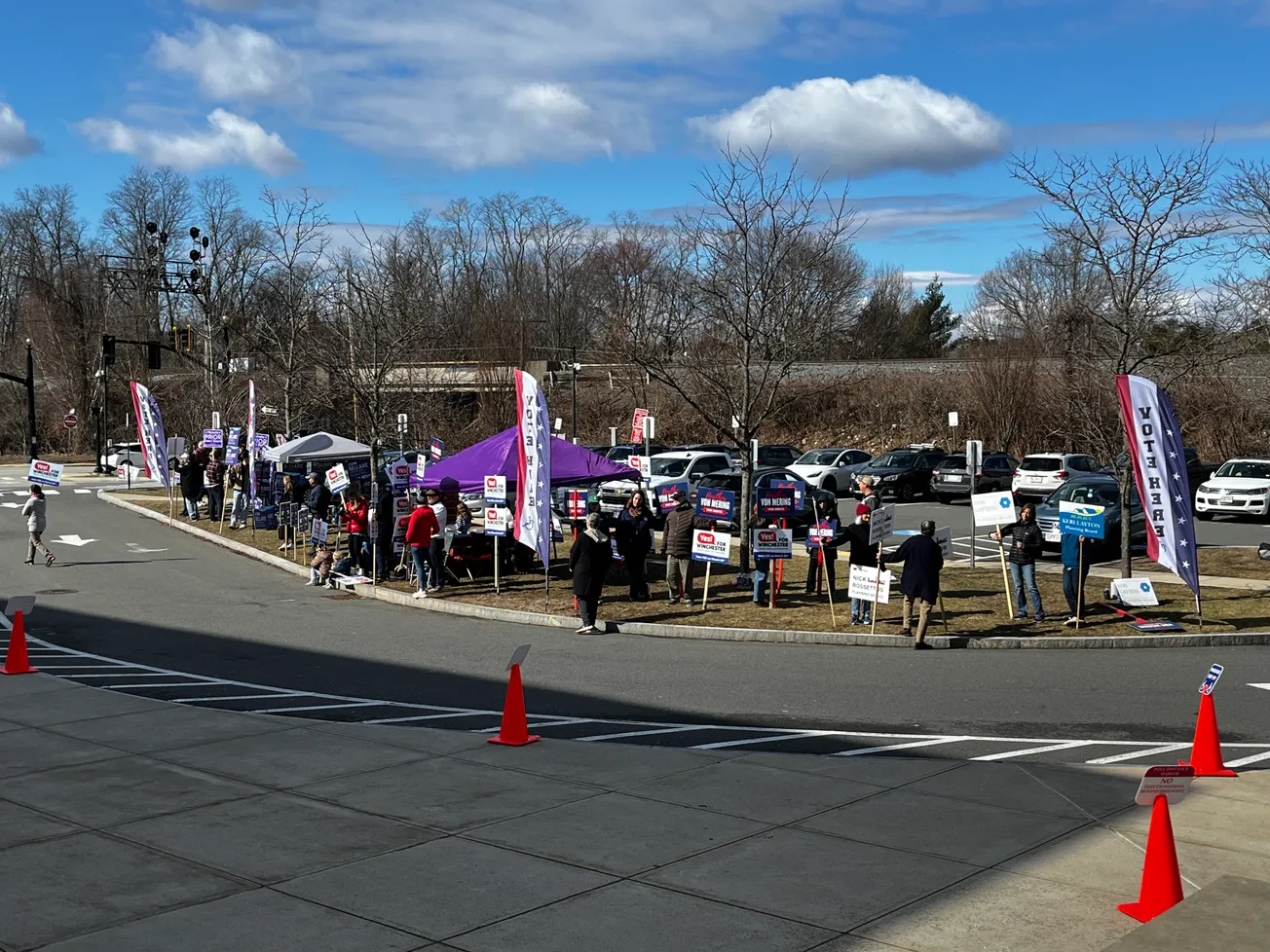
Why should voters elect you to the School Committee? I am running for the open seat on Winchester's School Committee to give back to the public school system that made me the person I am today. I bring a collaborative, measured approach as well as the energy and vigor to drive progress forward for our system. I believe that viewpoint diversity leads to stronger decision-making, and if elected I would be the only school committee member to have graduated from Winchester Public Schools, let alone recently. I hope to earn your vote on March 21st, and encourage you to join our campaign at bellairewps.org!
How would you like voters to contact you? Voters can learn more about my background in education policy and campaign platform at bellairewps.org. Additionally, I encourage community members to follow our campaign on Facebook and Instagram. I am committed to speaking with every community member who would like to, and encourage you to reach out to johnhbellaire@gmail.com so we can find a time to discuss your experiences with, and priorities for, our school district.