Table of Contents
Rumor has it that Sandy Thompson’s house is looking a bit like a museum.
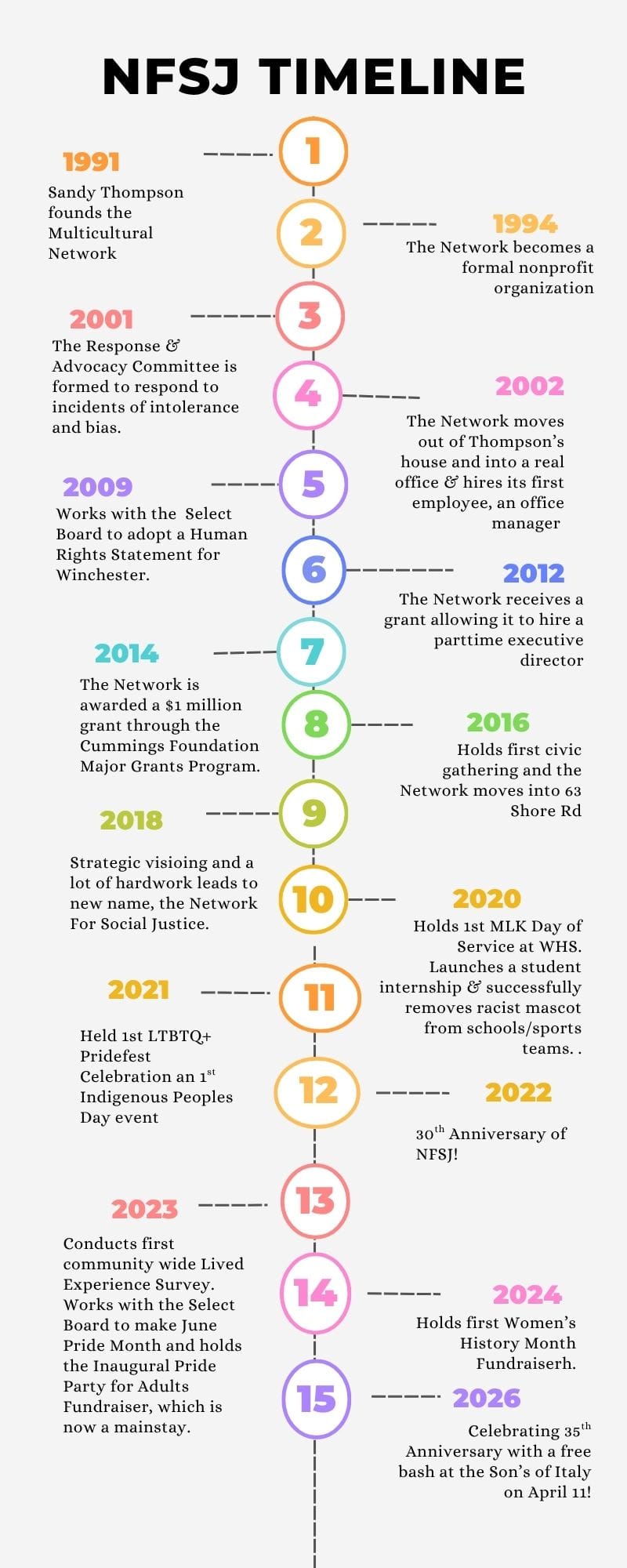
Thompson, a founding member of the Network For Social Justice, is getting ready to celebrate the organization’s 35th anniversary. She said one room in her house has become the nostalgia center as she thumbs through all that NFSJ has done over the last three-plus decades.
Gloria Legvold however said it’s not just one room.
“She has been working with Shawn (Macannuco, NFSJ office manager) on these big posters – they’re all over the living room,” she said. “They’re all over the house.”
But lets back up.
How it started
In 1991, we saw the start of the Gulf War, Rodney King beaten by three police officers, Magic Johnson reveal he was HIV positive, Freddy Mercury died of AIDS one day after announcing he had it and the end of Apartheid.
And in Winchester, Thompson launched The Multicultural Network, which would later become the Network For Social Justice. It wasn’t a single incident that triggered Thompson to launch the Network, there was more context, she said.
Thompson was involved with the ABC Program, which brings students of color to Winchester High School. At an ABC conference in Boston, she heard a speaker from VISIONS, an organization with a unique approach to helping individuals and organizations embrace cross-cultural conversations.
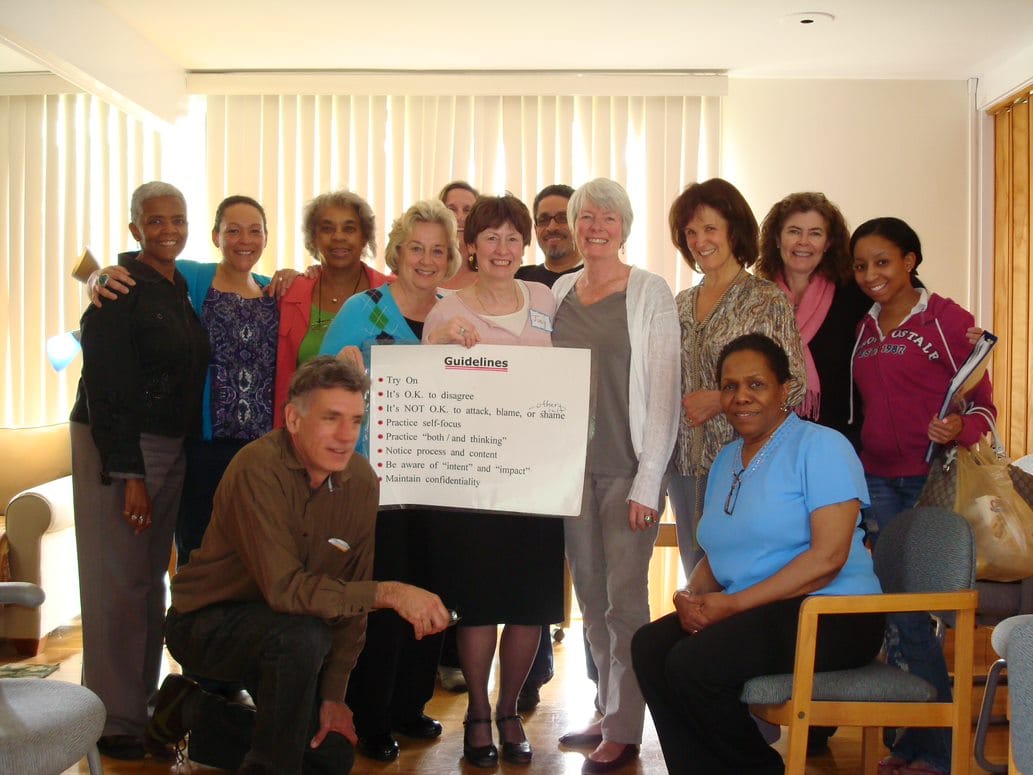
She was so struck by the speaker, she took an intensive four-day VISIONS workshop that focused on “a personal approach to multiculturalism.”
“And that workshop was life changing for me,” Thompson said. “I always tell people I felt like I was shot out of a cannon, but landed in a dry field.”
Thompson said when she came home from the workshop, she saw the world differently and she wanted to share what she called VISIONS’ inclusive framework for looking at “isms” with the community. She said it took a year of talking to people to get some traction, but after meeting a like-minded teacher and holding some open meetings at the public library, they picked a name and settled in.
“We came up with The Multicultural Network and that was our original name until around 2018 or 2019, when we became the Network For Social Justice,” Thompson said. “That’s the story.”
Well, that’s the beginning of the story.
Thompson said she came away from the workshop feeling that this multiculturalism, anti-racism, anti-bias work needed to be done in white communities, not just in diverse communities or Black communities.
“I don’t want to ruffle anything, I just think there’s an assumption that this work needs to be done out there,” she said, spreading her arms.
In the early years she was often asked, “Why do we need a multicultural network?” Her answer: Winchester is mostly homogeneous, mostly white, which it was in 1991, and my response was, ‘Well, why is it mostly white?’”
You’re speaking my language
Like a snowball rolling down a hill, the Network began getting bigger and bigger as the years went on, Thompson said.
She believes a key to their growth was that for about 20 years, they hosted training sessions from VISIONS so everyone could have a slice of the four-day workshop that had changed her life. It gave her the belief, which she still holds today, she said, that there are many ways to look at multicultural issues, but it’s important to have a common framework.
“We don’t have to think the same, but we can use the same language,” she said.
She said they’d recruit about 15 people to attend the workshop, which were always free. A couple of years later, Thompson founded a board of directors and eventually, they gained nonprofit status.
Tommy Bellaire serves on the board today and is one of its youngest members. The WHS grad has lived in Winchester since 2004 and it was that common language that first drew him in.
Ironically, it took leaving the bubble that is anyone’s hometown for Bellaire to hear words like diversity, inclusion and equity. He said they were topics he’d never heard discussed in Winchester, but that he reckoned with in college.
With a semester of higher education in his pocket and some coursework buzzing in his head, Bellaire said he wanted to bring some of the lessons and realizations he’d had to Winchester so he reached out to the NFSJ, “and they were like, ‘perfect.’”
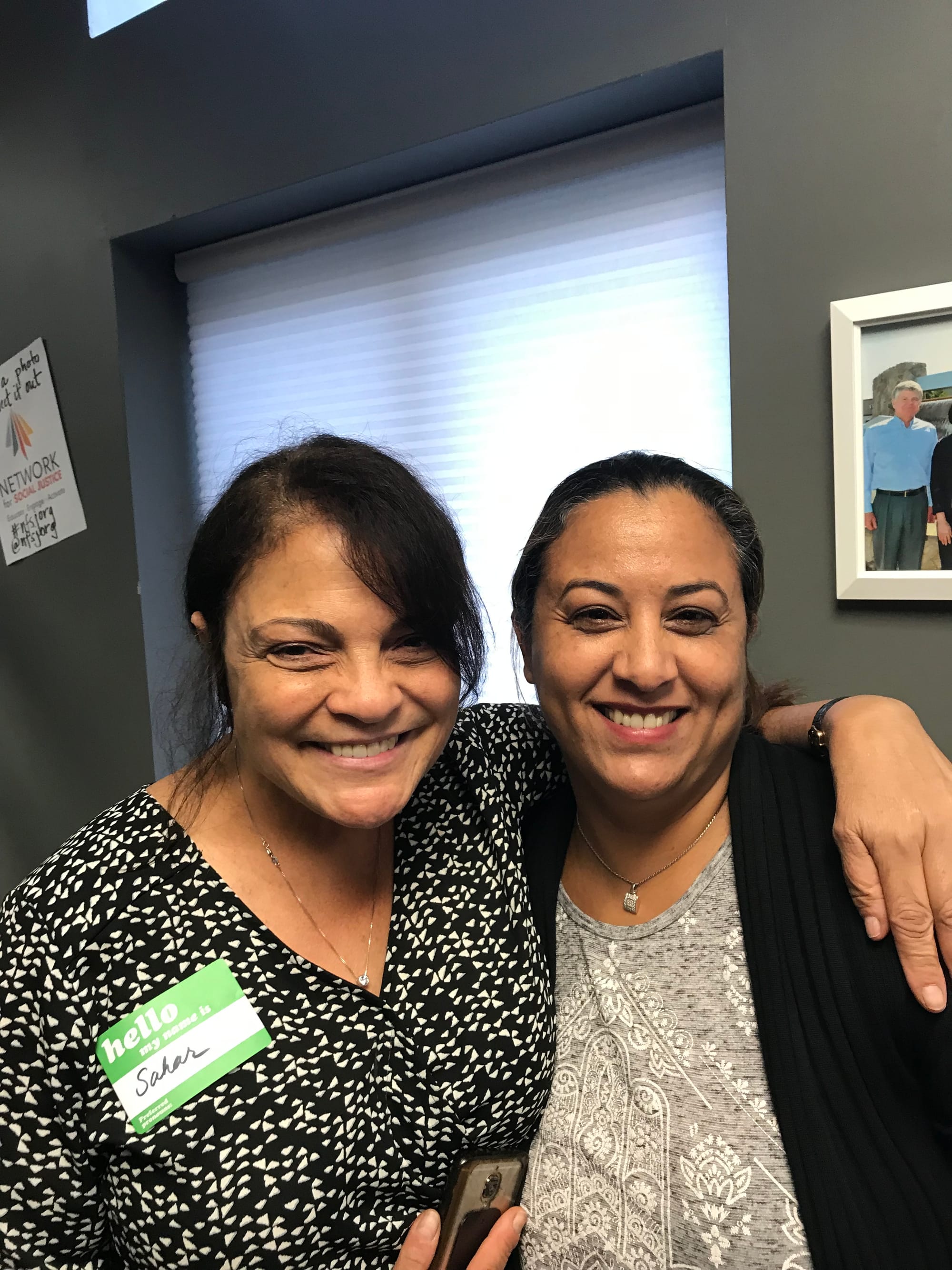
NFSJ was getting ready to run a Day of Service and asked Bellaire to help with the logistics.
“And from there, I continued to stay involved,” he said.
That Day of Service was in January 2020 and by March, the COVID-19 pandemic had swept into town.
“We had a lot of events around the pandemic,” he said.
Bellaire helped with panels on mental health, and with the facilitation workshops related to the murder of George Floyd and the Black Lives Matter Movement, he said, as well as Juneteenth and PRIDEfest.
Language also proved important to Tricia Syed.
Syed’s aha moment came from her own kids. Syed grew up in Winchester as Tricia O’Neil, an Irish/Italian white girl, but her children are half Pakistani. She became aware of NFSJ when her son, who was in high school at the time, landed himself an internship with the organization.
“I like to think I’m worldly, you know, I’ve traveled and I’ve lived in many other countries and I have had an interesting life, but I don’t know what it’s like to know what microaggression feels like,” she said. “And I think that’s what my kids taught me. We had a lot of those conversations and it was good because I think it made me realize, ‘Wow, their path is going to be a bit different than mine.’”
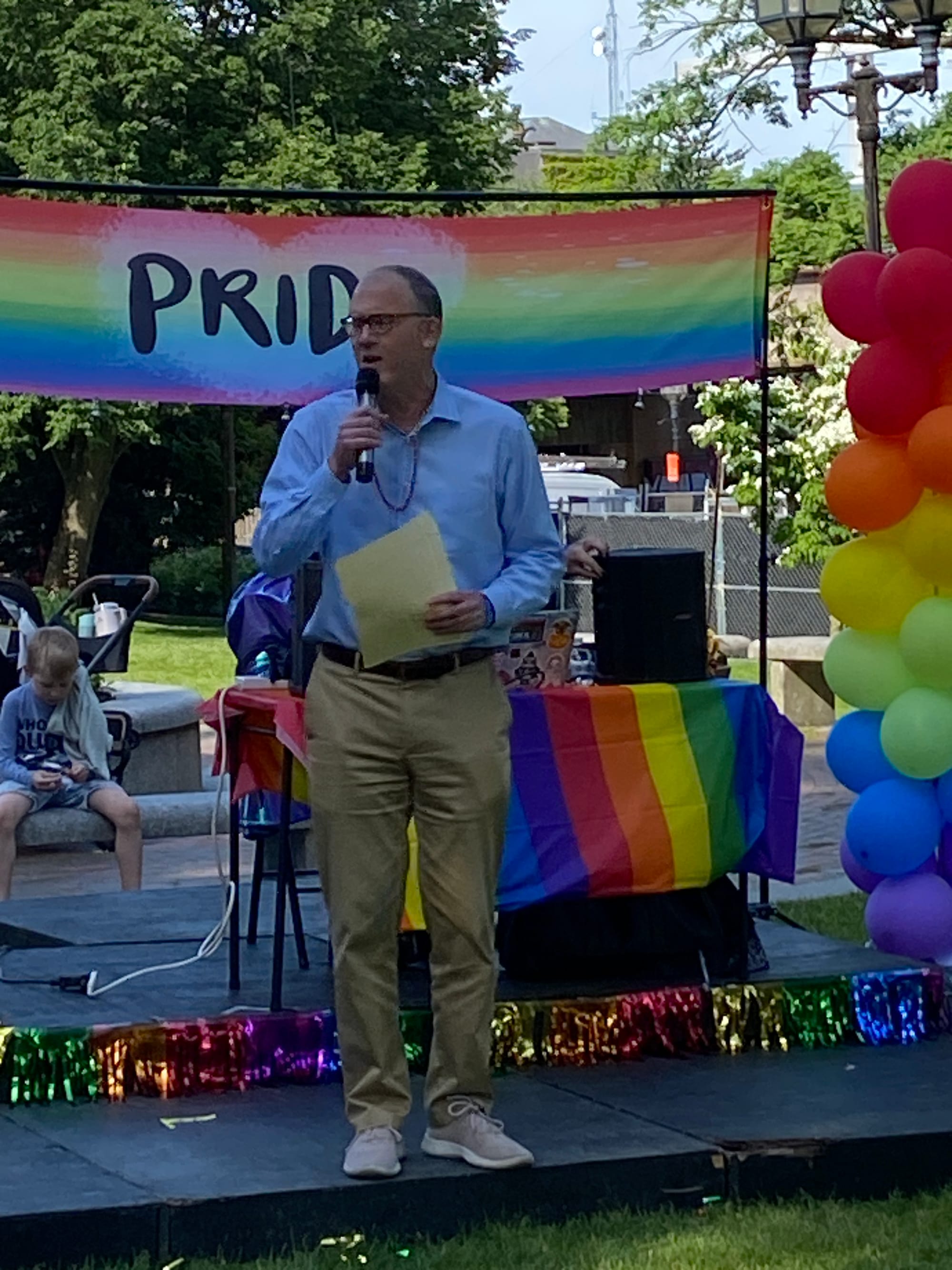
But they do share a path with NFSJ. Like her son, her daughter also got involved with the Network.
At first, Syed said she felt she didn’t have the time to get involved because of work, but then she decided she could do something small, which turned out to be PRIDEfest.
The first year she went, it was a bit disorganized, needed better signage, more tables and PR, she said.
“So the next year, I really got involved,” she said.
She happened to go to a PRIDEfest in Greenville, S.C., “and it was amazing.” Not only did she take photos and videos, but she found out who organized it and reached out to them as well for direction.
Syed said the next year, NFSJ had new signage, more engagement and balloons that made it feel exciting and festive.
And at the same time, the organization was dealing with vandals who were ripping down the Pride flag and the Black Lives Matter flag, which were both flying on the town’s flagpole.
“There was a lot of strange disconnect,” Syed said.
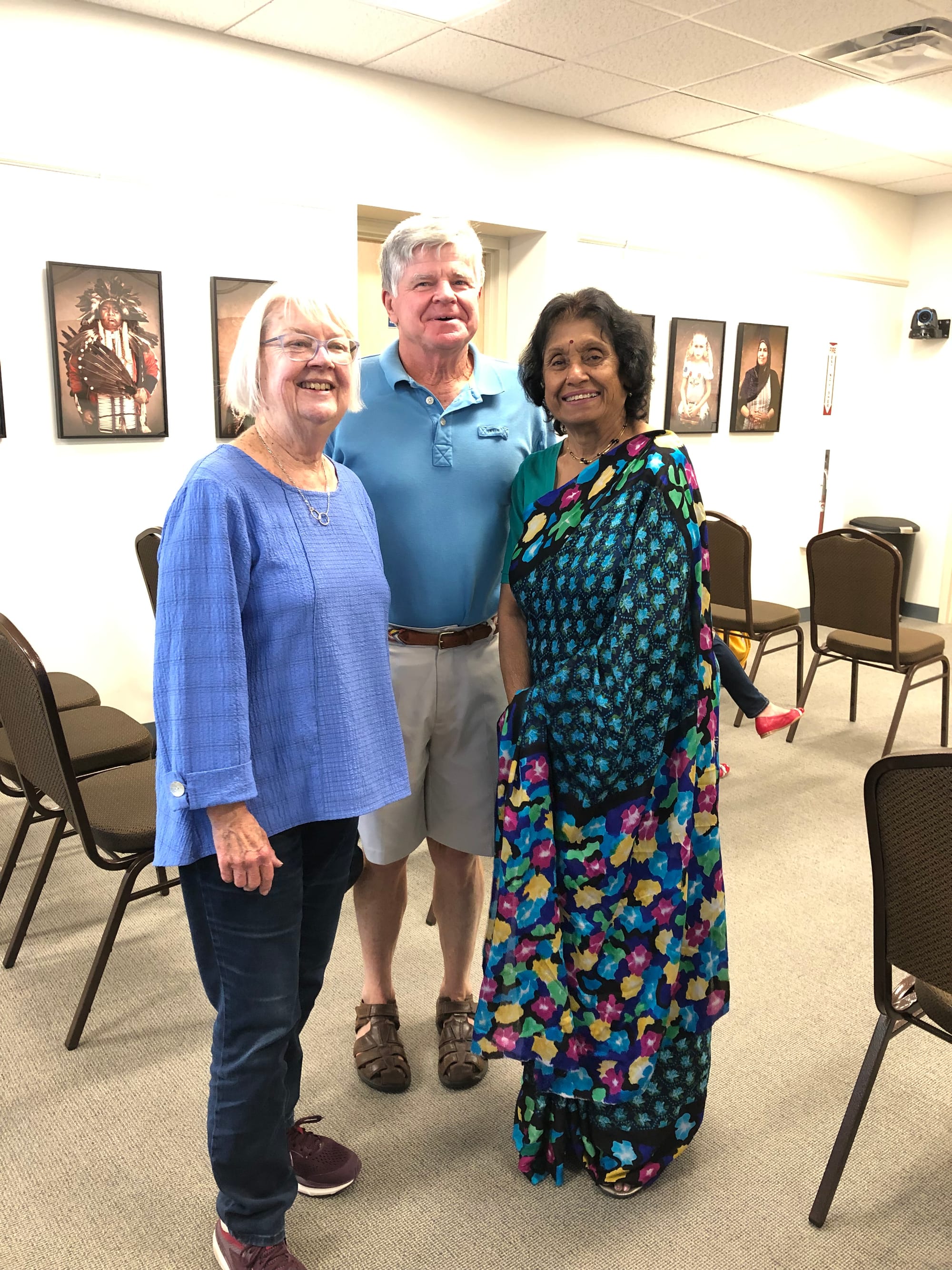
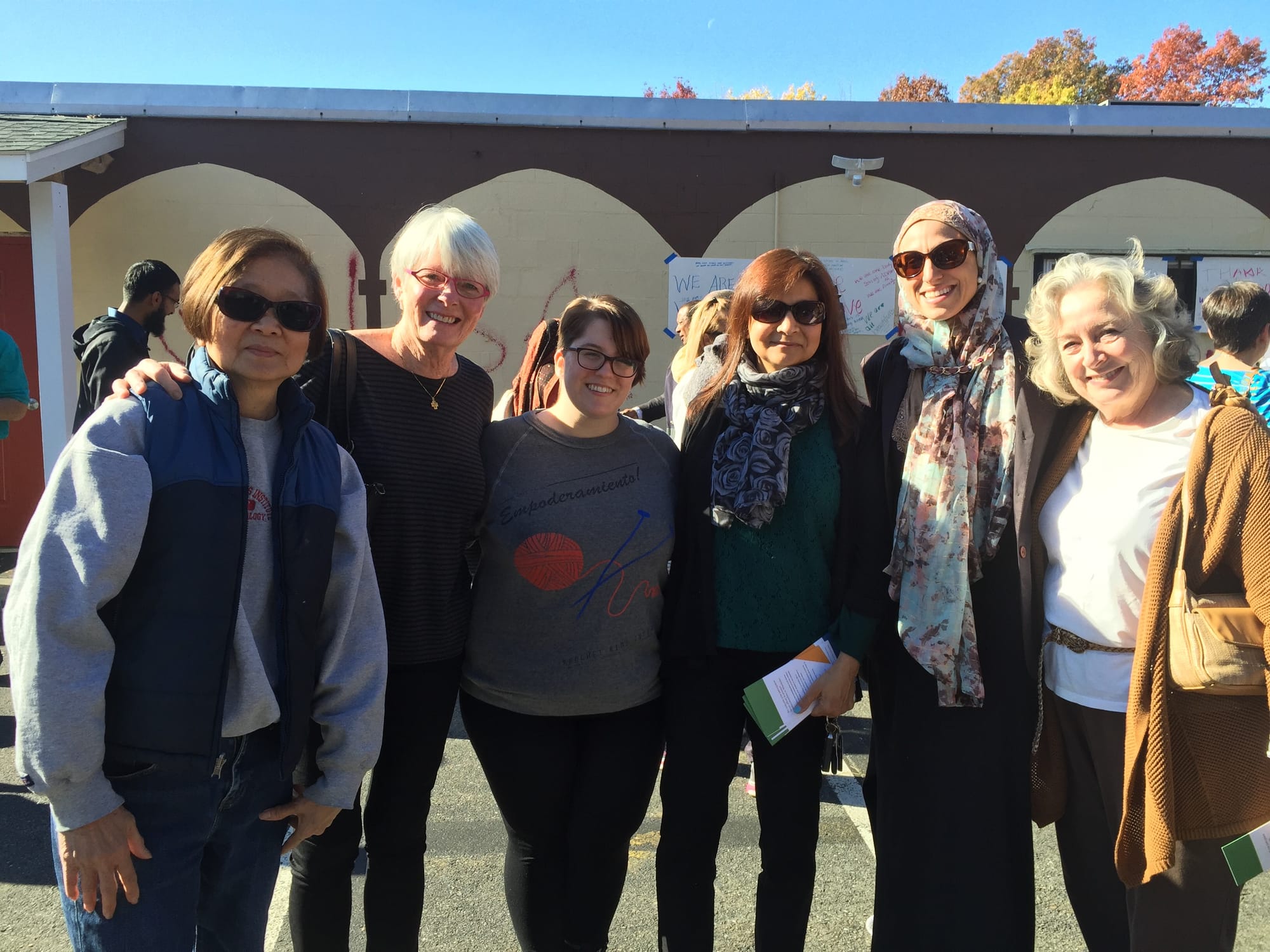
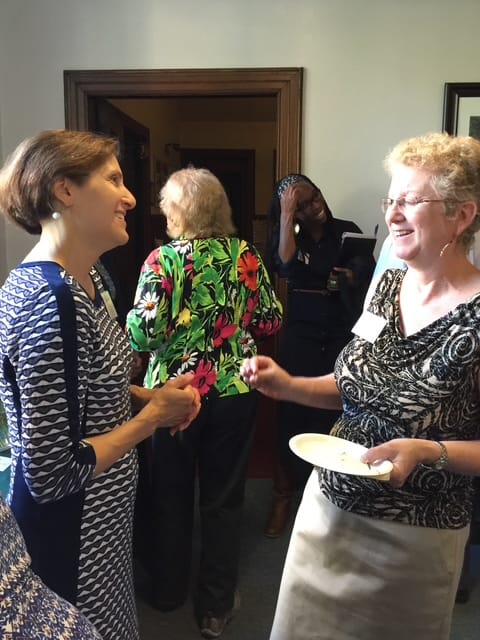
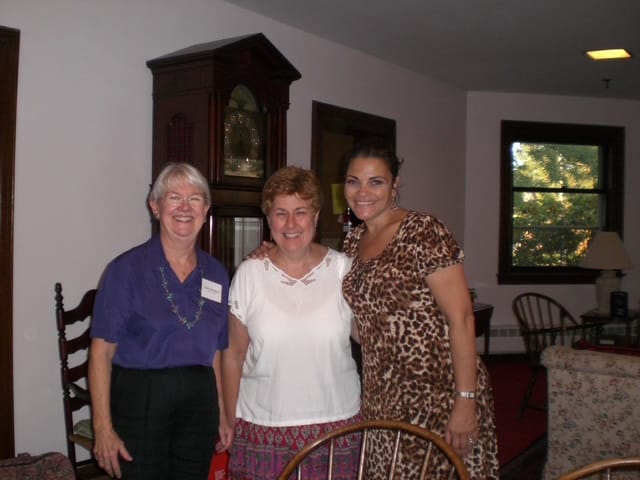
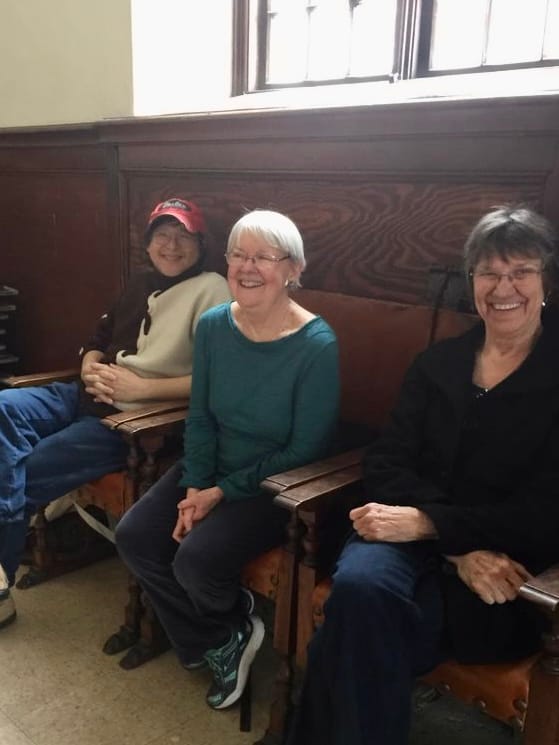
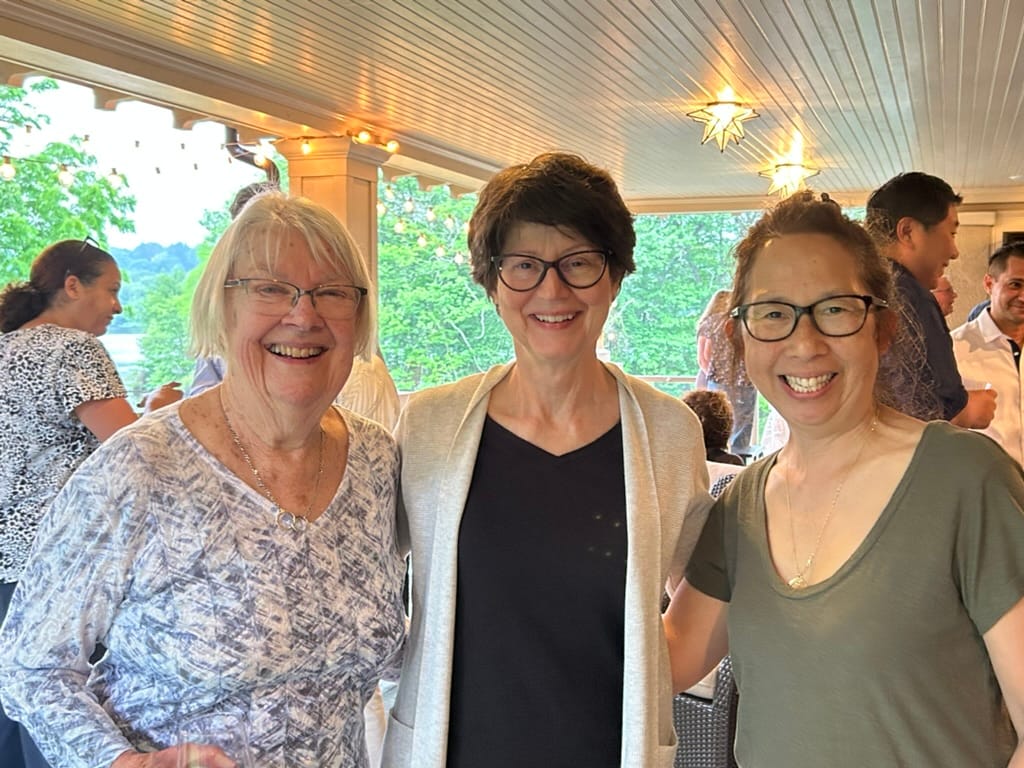
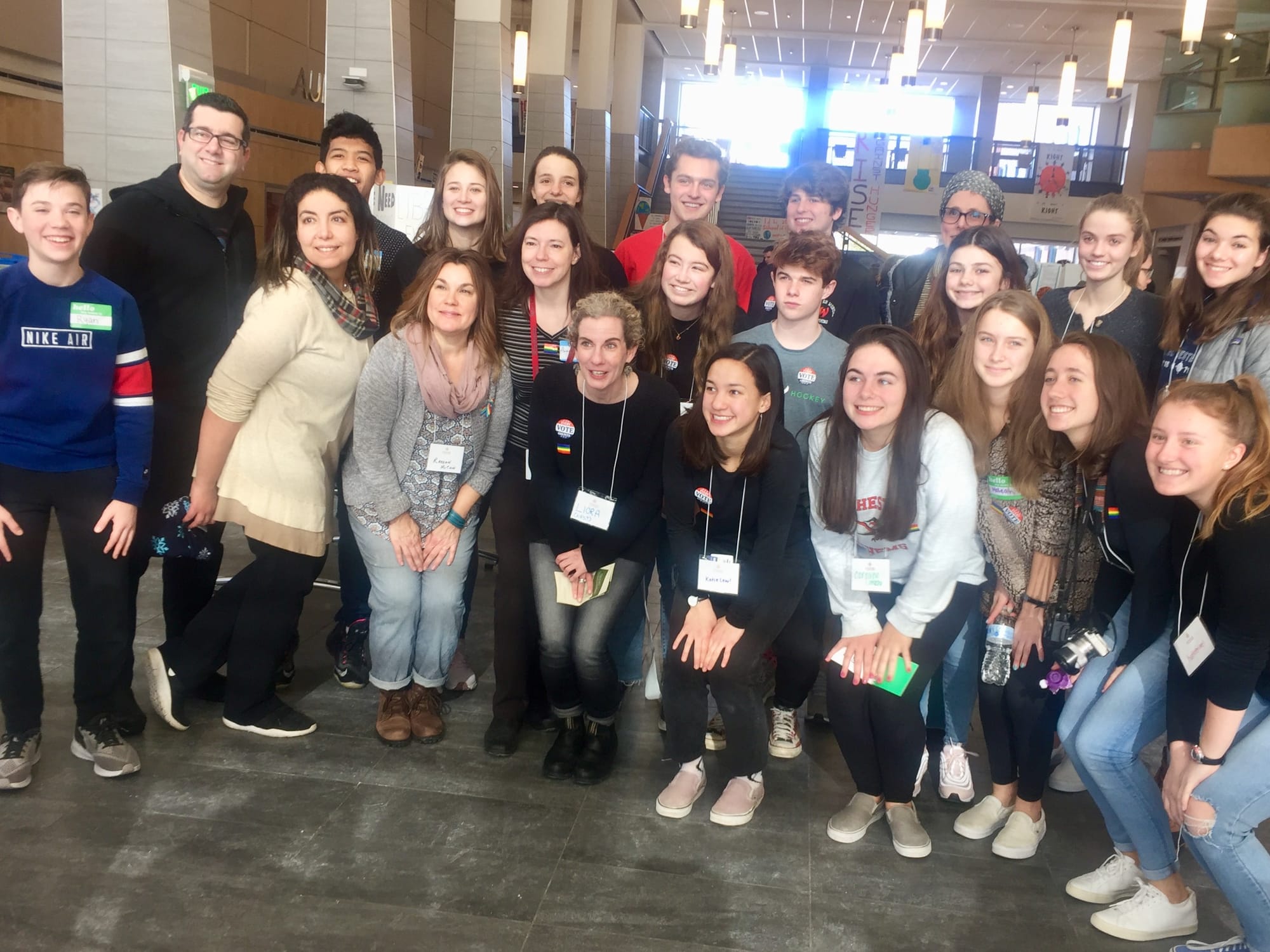
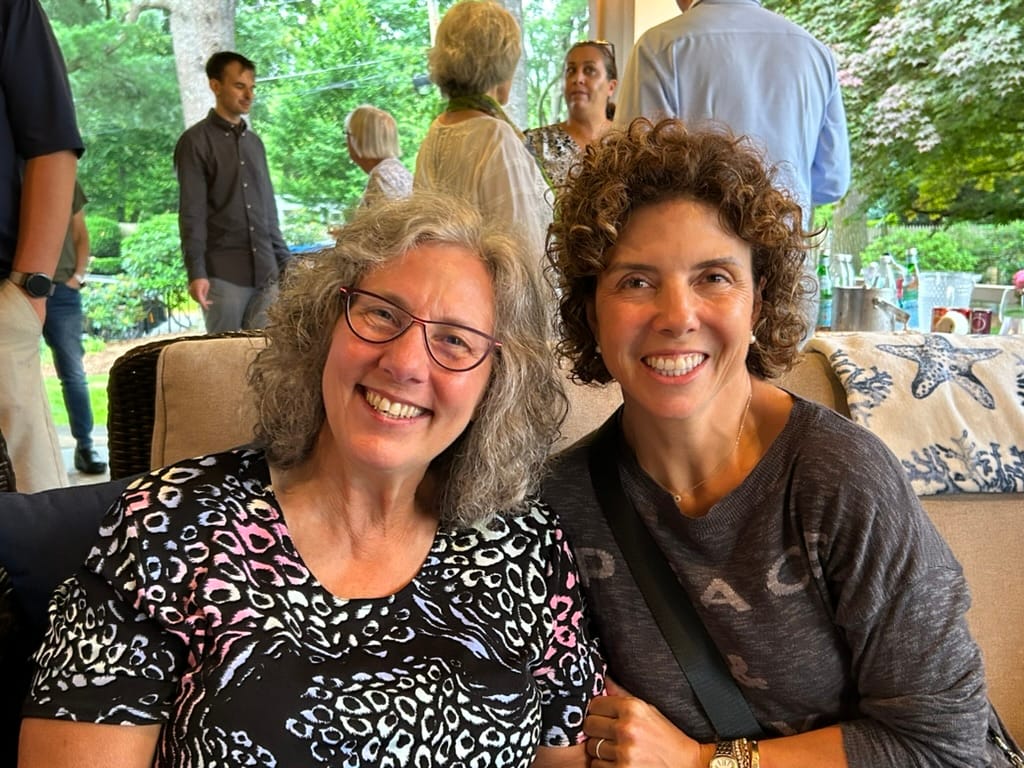
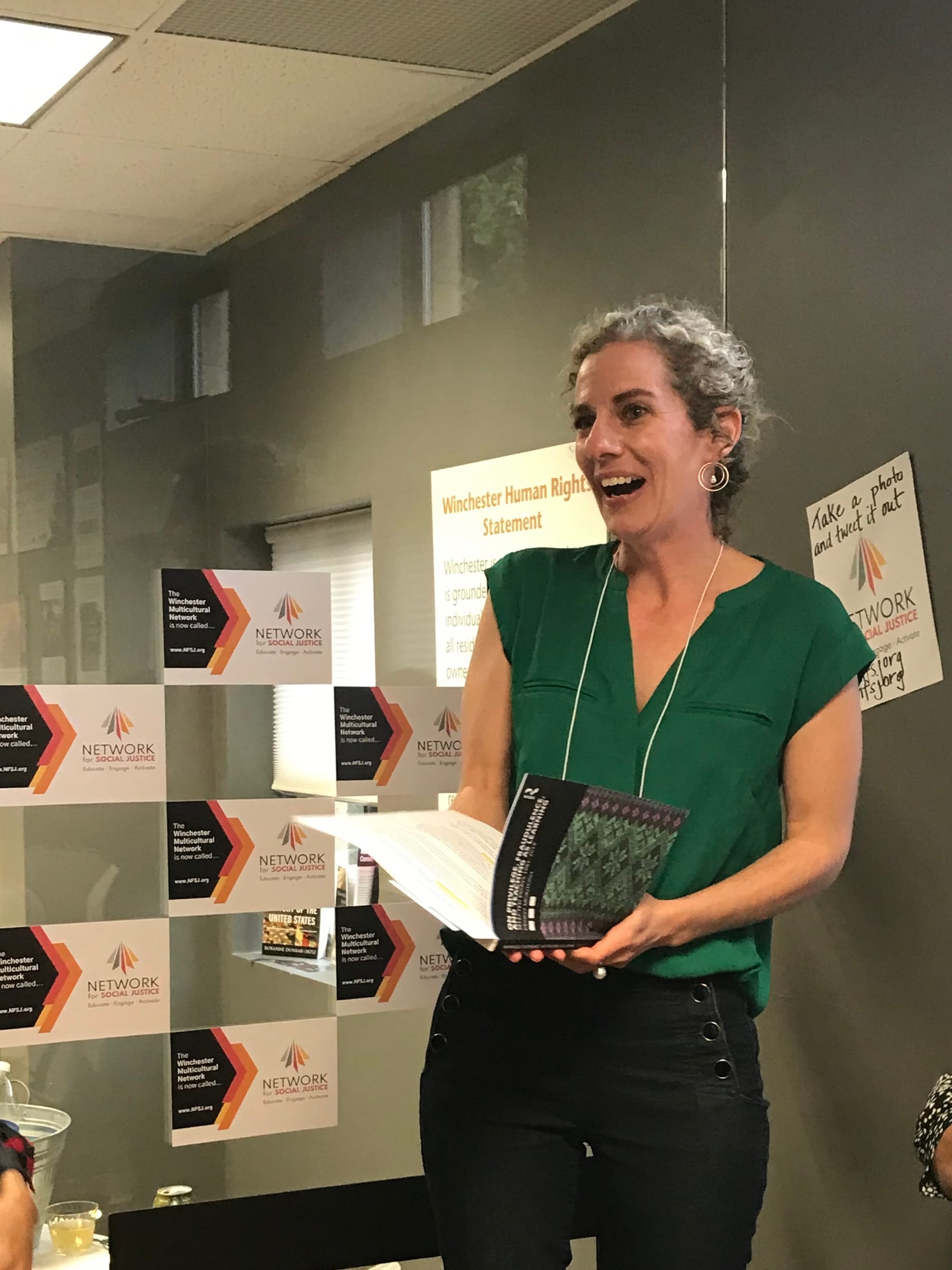
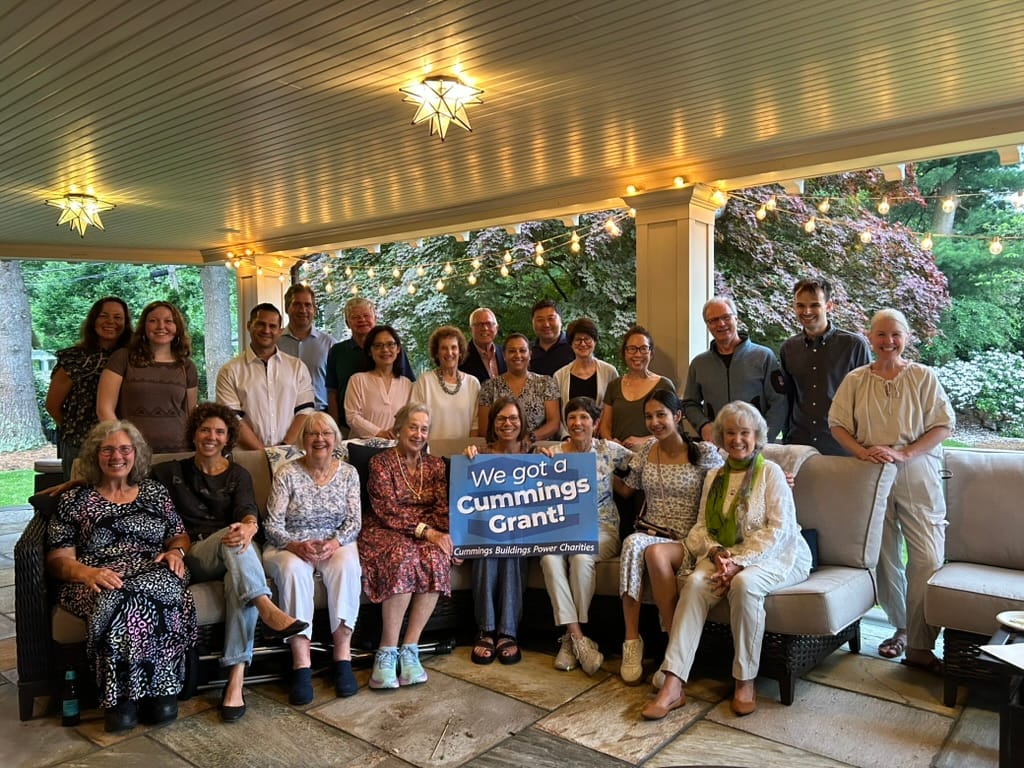
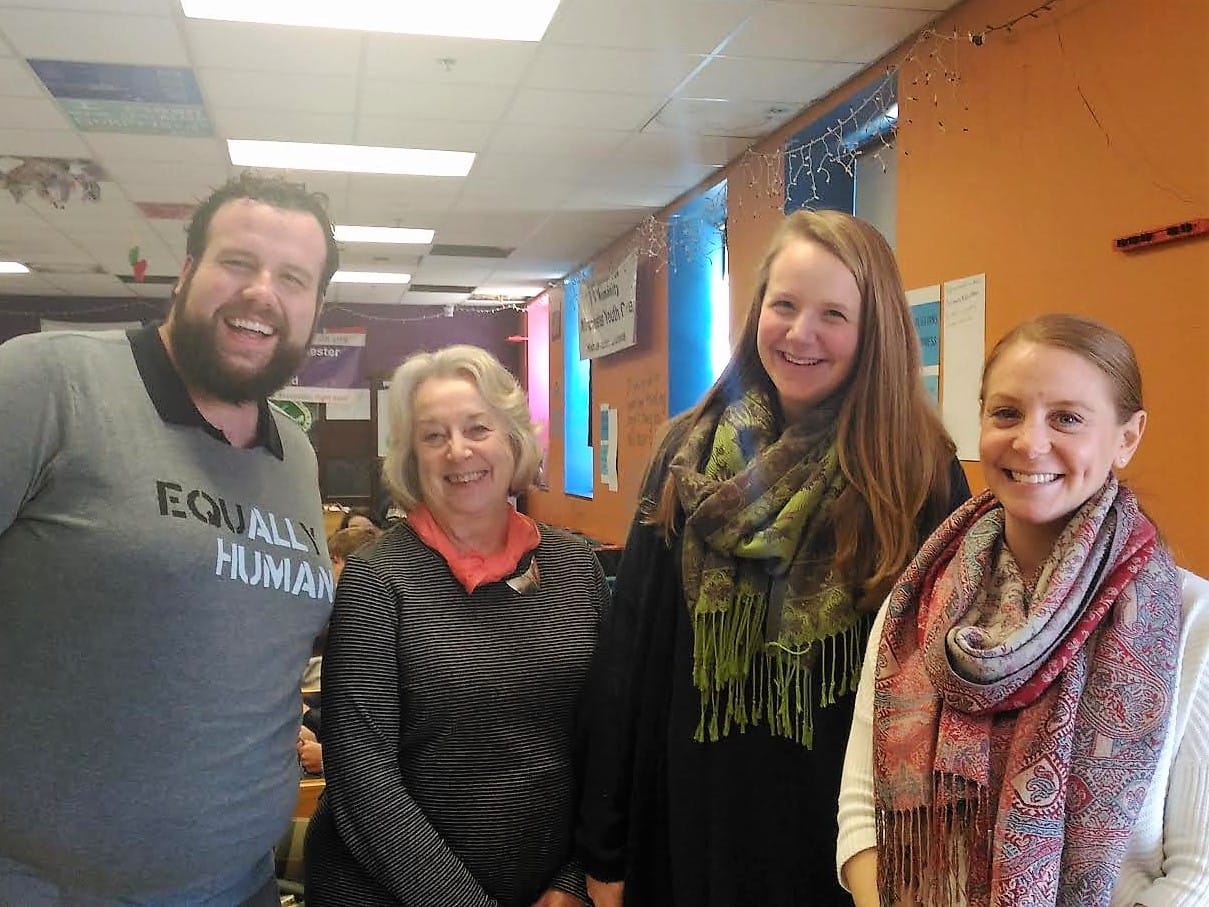
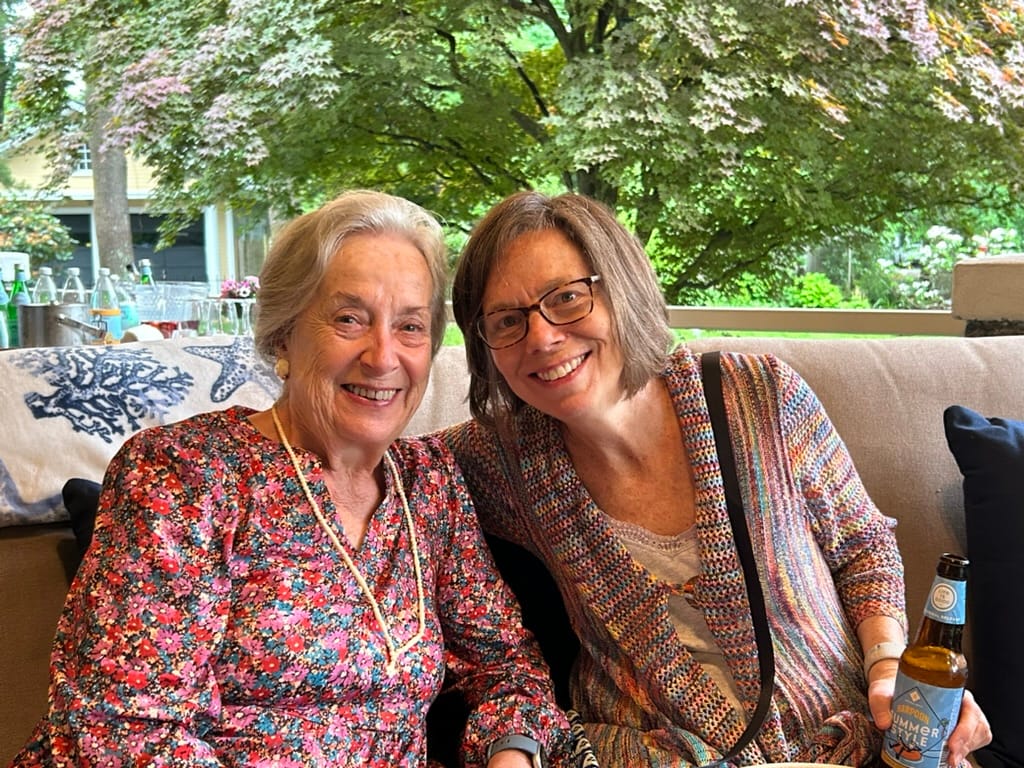
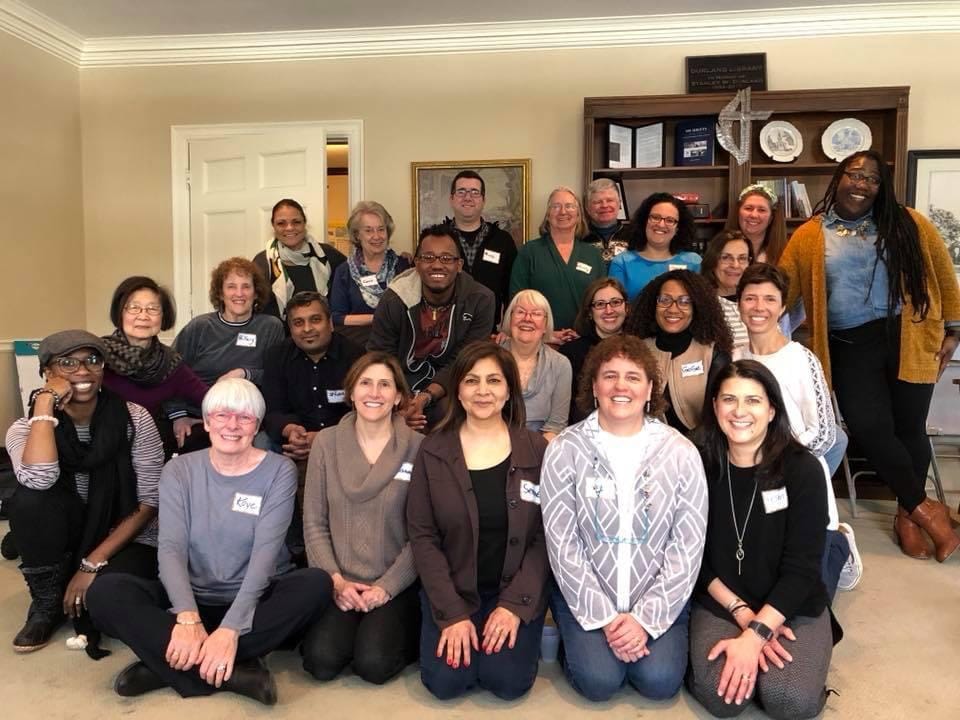
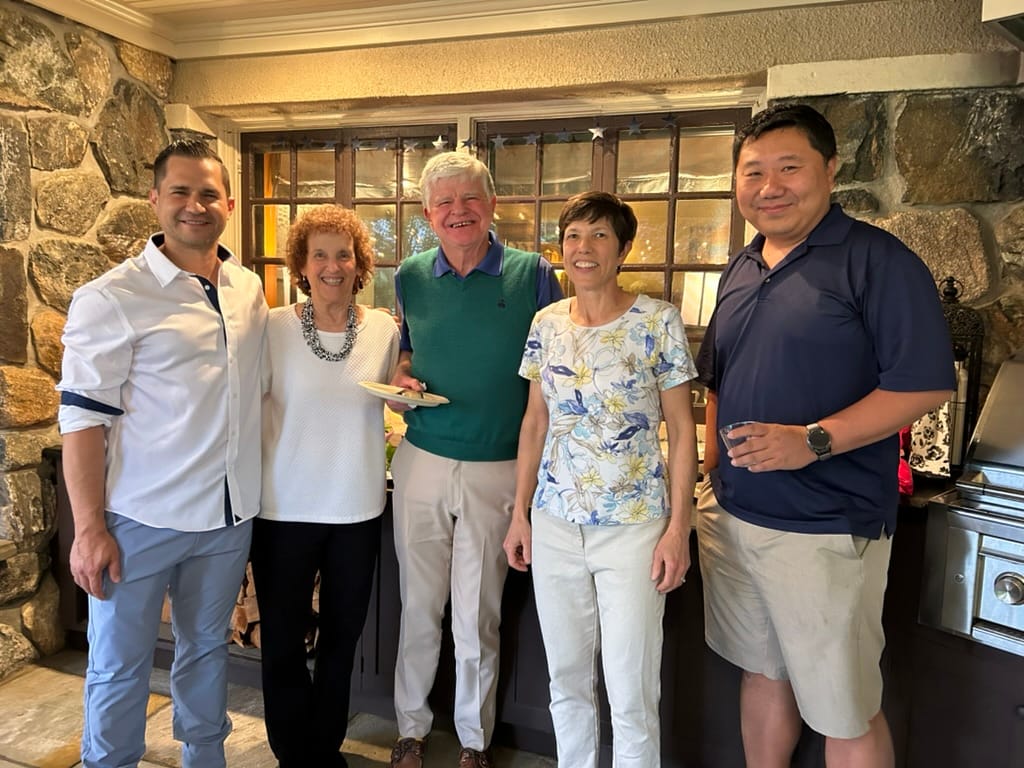
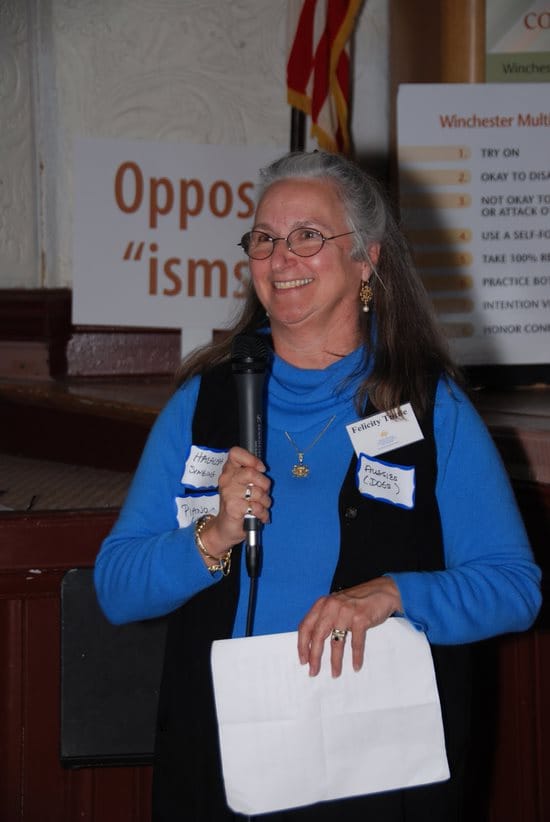
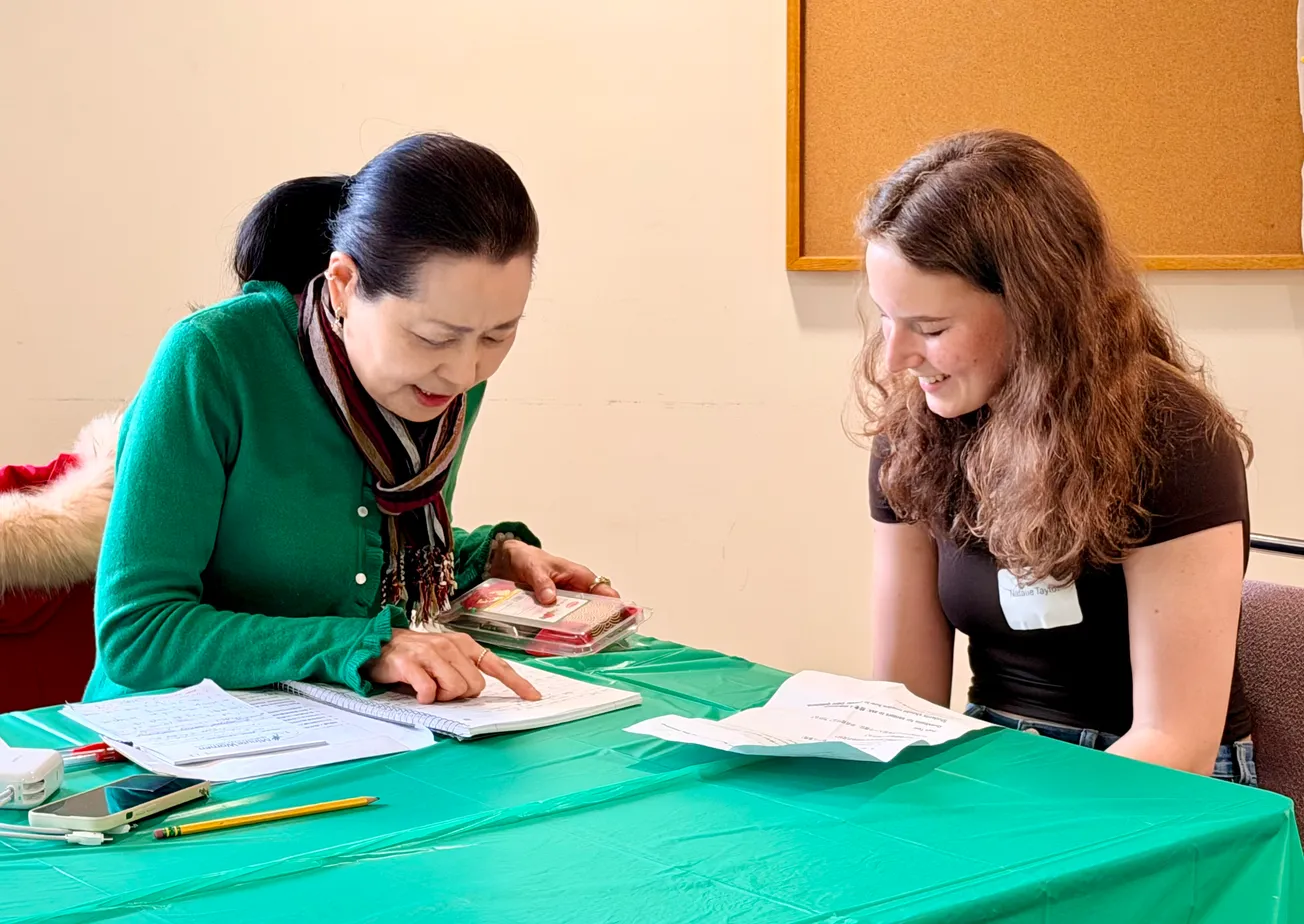
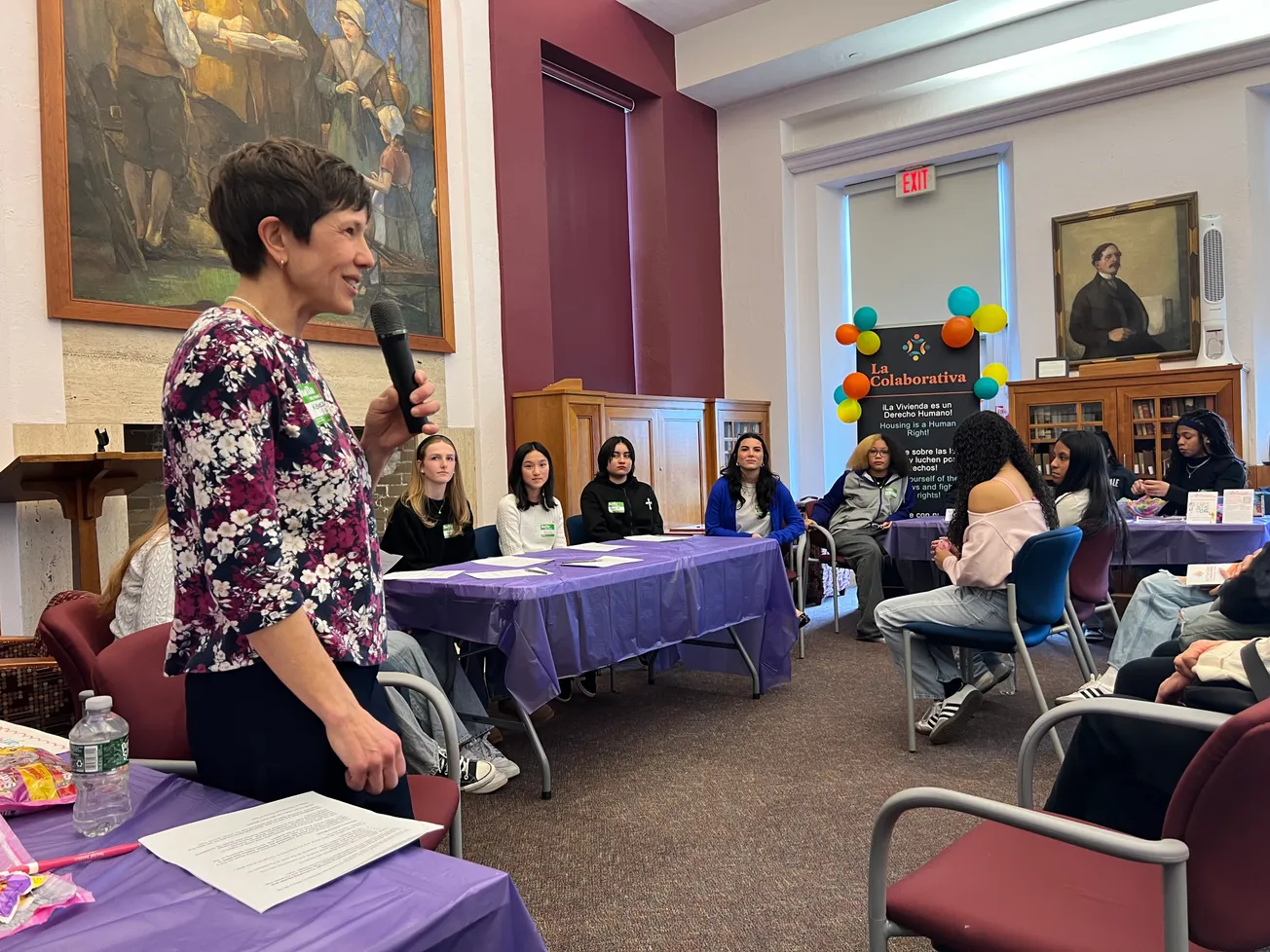
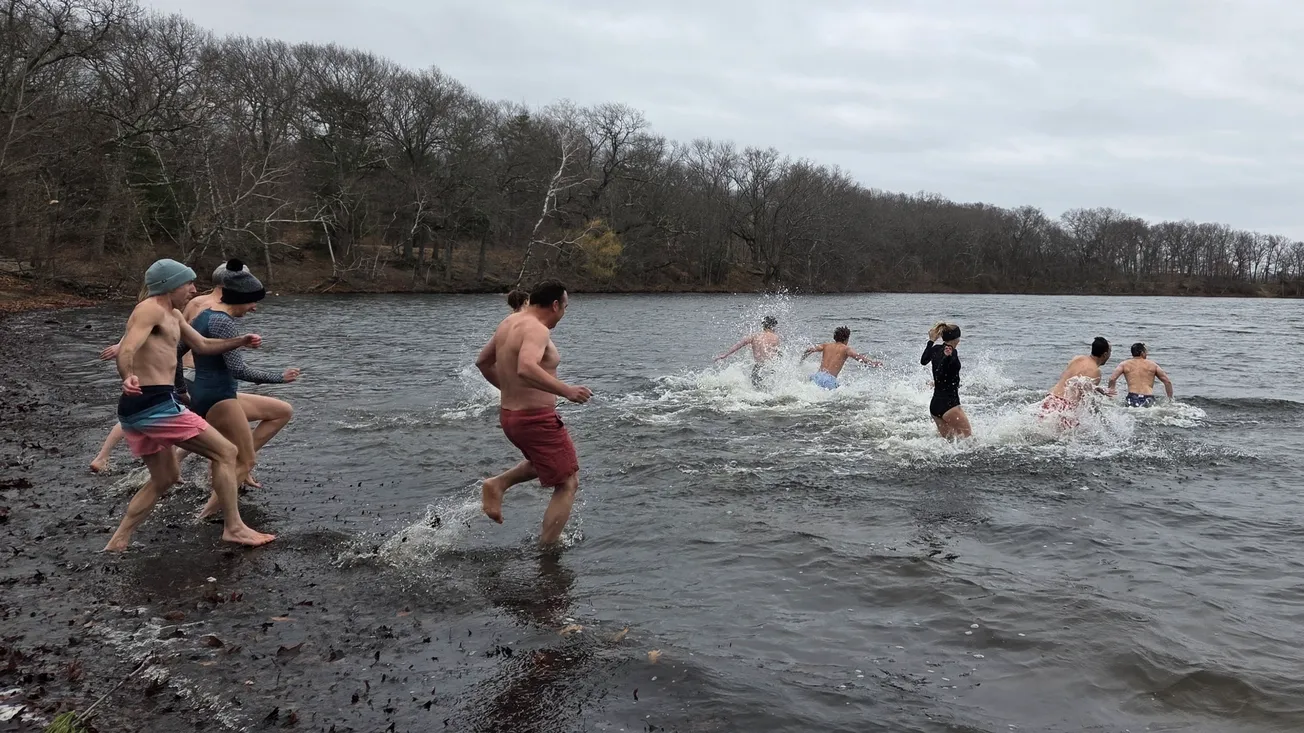
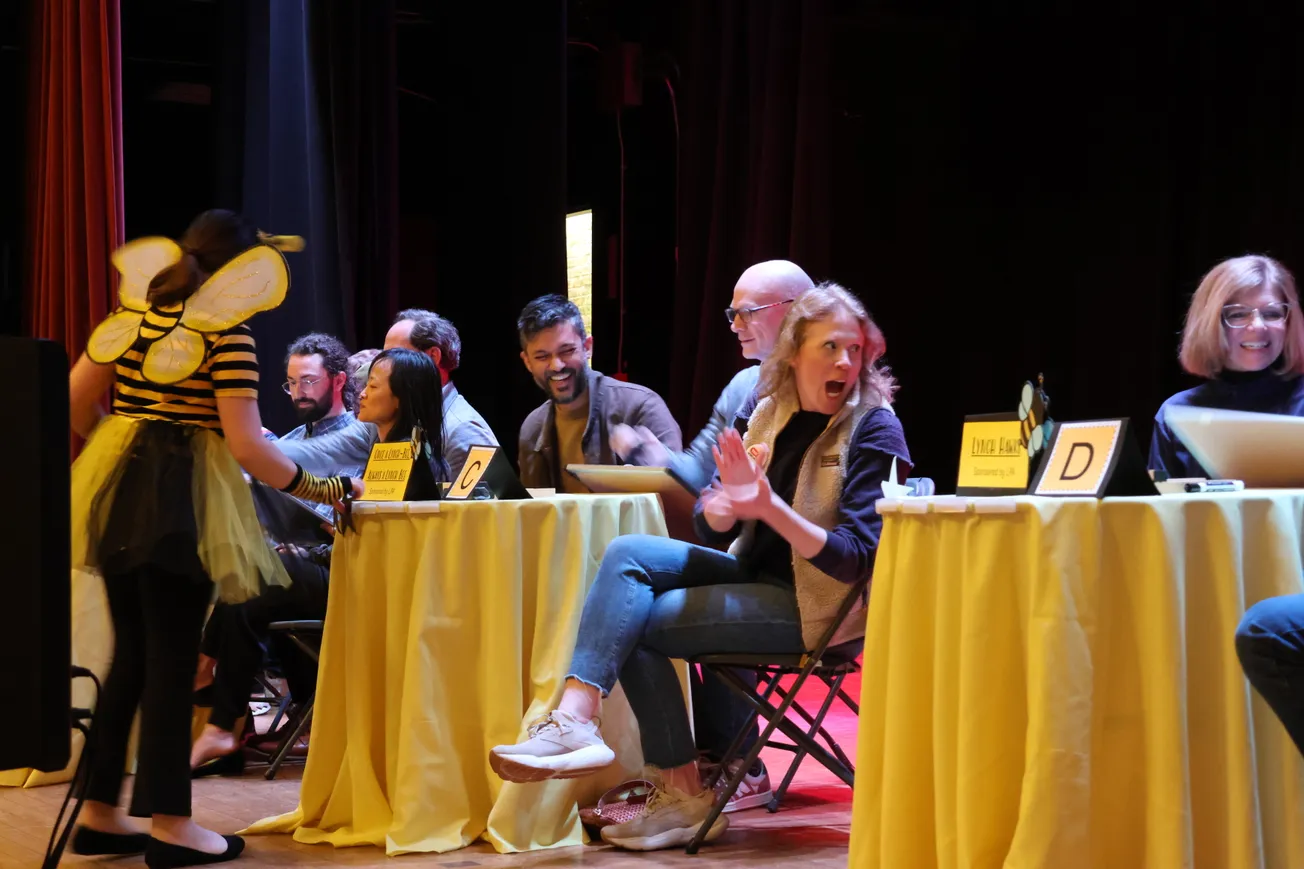
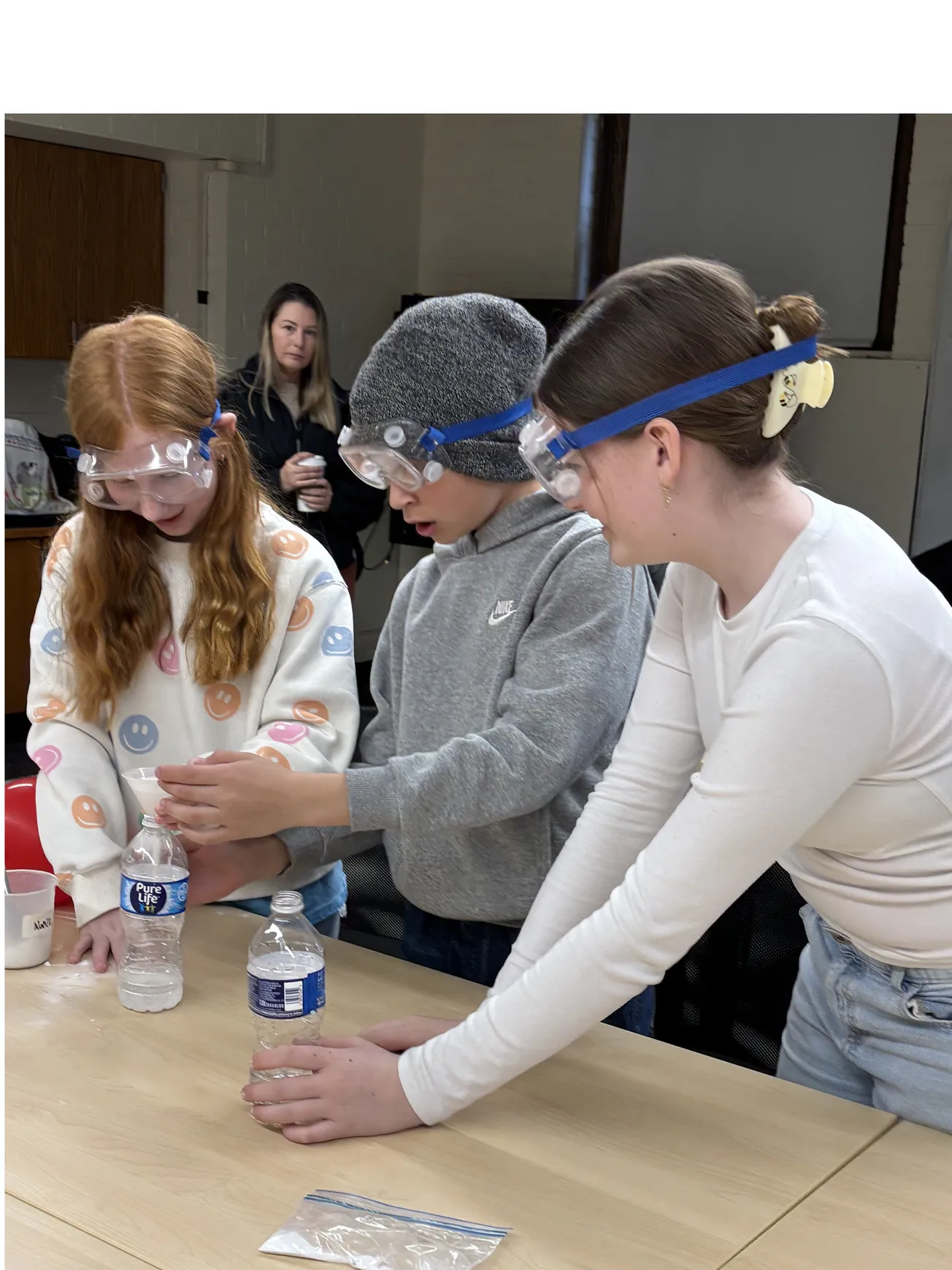
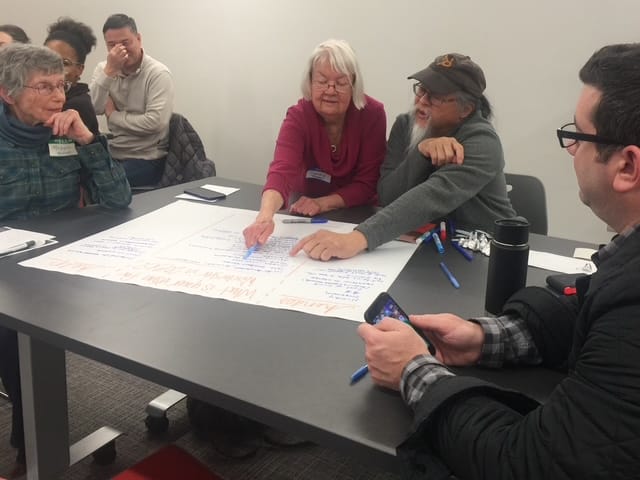
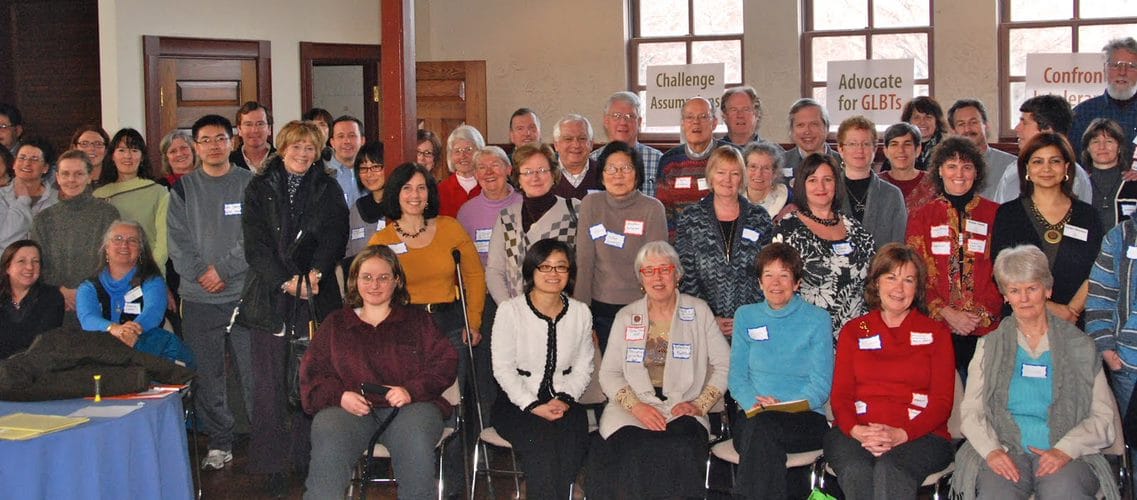
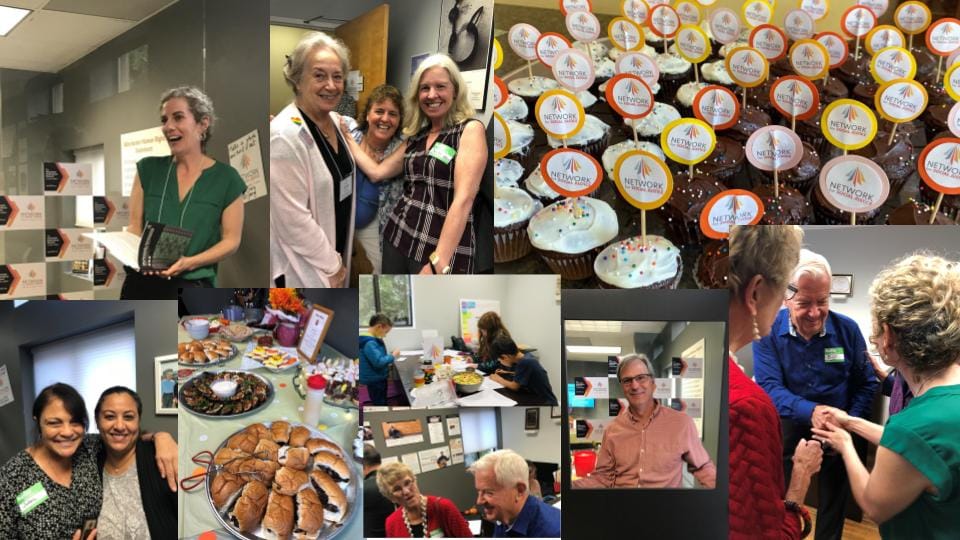
A look at the many faces of the Network For Social Justice over the years. COURTESY PHOTOS/NETWORK FOR SOCIAL JUSTICE
Syed said she’s in a place in the Network now where she wants to figure out how to build better bridges. How to get people to not only come out for the fun stuff, like Women’s History Month, but also for the hard stuff.
“I think that my kids both dove into that,” she said. “I was really impressed by that and that they had that exposure.”
Legvold admitted it was a bit of a wakeup call to realize that despite years of teaching and travel, she was not as sophisticated as she thought.
She remembered talking to one of ABC scholars who told her he was nervous walking around Winchester at night, because it was so quiet and the streets seemed deserted. She said she thought then how working with people from different cultural backgrounds, different races gives you a perspective that’s quite different.
Legvold said she thinks what makes NFSJ unique is that it is not a government entity. There are many towns that have human rights commissions and are therefore bound by town rules and procedures.
But in Winchester, Legvold said they were free to take up whatever issue they wanted, whether it was gay rights, statements made about Islamic people in town or a kind of prevalent fear of the Asian community during the COVID-19 pandemic.
“We could just deal with that because we didn’t have to have a Select Board vote,” she said.
Different name, same work. Different mission, same vision
Around 2018 Thompson said there seemed to be a shift in the definition of multiculturalism, which is what led to the name change.
“It got to be in recent years that the term multicultural seemed to somehow define just different ethnic cultures, and the board began to feel that our name didn’t quite define what we were doing, and that’s why we changed to Network For Social Justice,” she said.
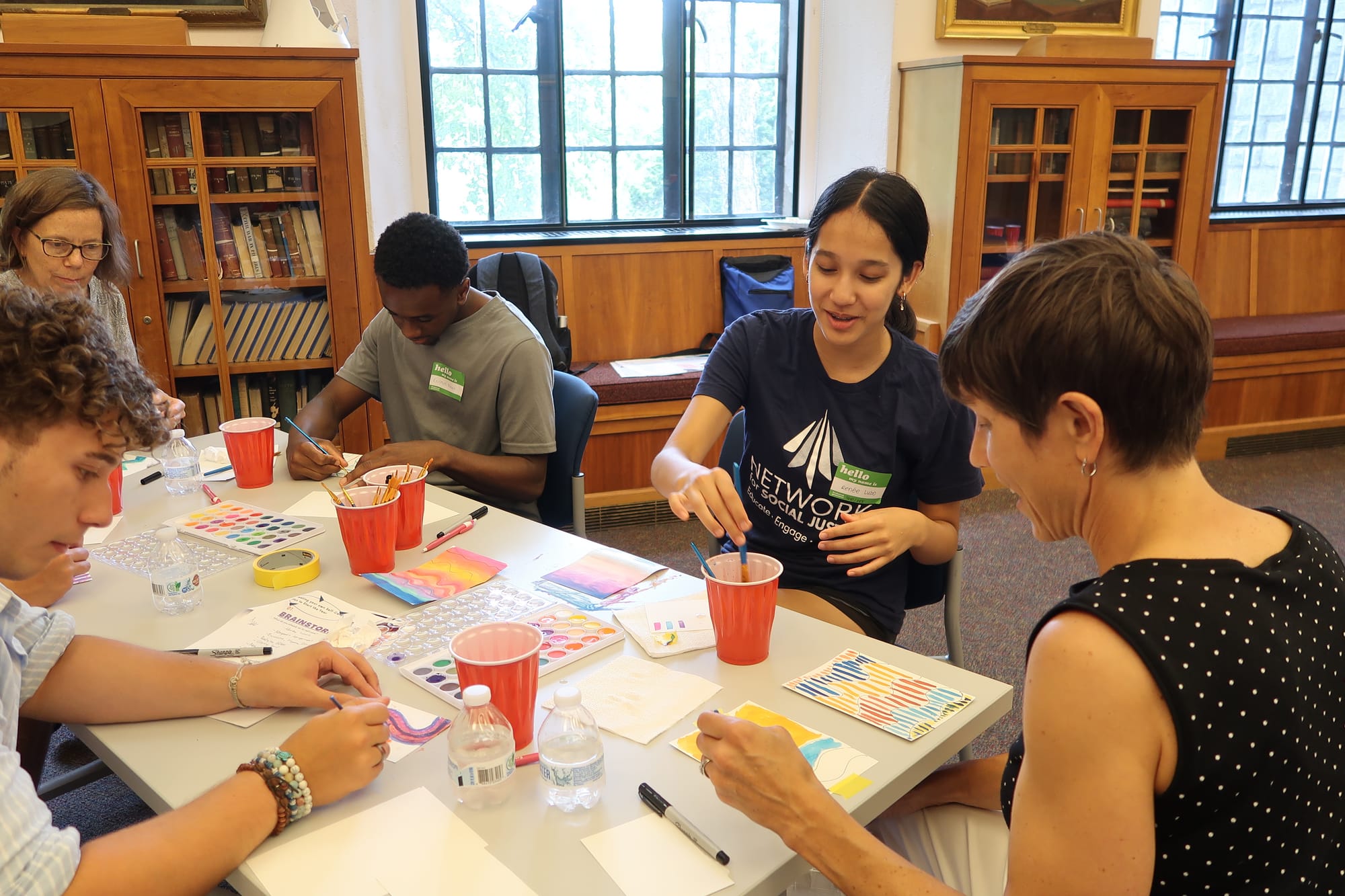
But that is the nature of the Network, said current Executive Director Rebecca Slisz. Looking back at the NFSJ’s history, Slisz said there is an ebb and flow in terms of needs.
She began volunteering about 10 years ago, before the first Trump administration and immigration was not on the forefront for the Network, she said. But by 2017-2018, there was a need for advocacy around safe communities.
One of the first big advocacy issues NFSJ tackled was securing the right to vote in local elections for non-residents. Why? Because they live here, they pay taxes, their kids go to Winchester Schools, Legvold said.
Slisz said they did accomplish that mission with a vote at Town Meeting and immigration issues largely subsided until Trump’s second term. Now people are being targeted and are vulnerable, she said.
IF YOU GO...
The Network For Social Justice will celebrate its 35th anniversary on Saturday, April 11, from 7-9:30 p.m., at the Sons of Italy, 117 Swanton St., Winchester. RSVP HERE
When Slisz took up the post as executive director in July 2024, she said she knew they had to take a look at the board’s mission. The mission was still the same — to build a safe, welcoming inclusive community — but the vision needed some refining.
Today, there are some urgent needs regarding DEI and funding and what could the Network, which was at the end of a 10-year Cummings Foundation grant, afford to support.
“That led us to ask ‘What is our role?’” Slisz said.
Working with a consultant, board members and volunteers past and present — including Thompson, Bellaire and Syed — helped create a vision map and ways to engage people in the community to work towards it.
The mission is the same, Slisz said, to respect all people, engage across differences and prioritize equity and justice. It just alters the way they’re looking to move forward into the future, she said.
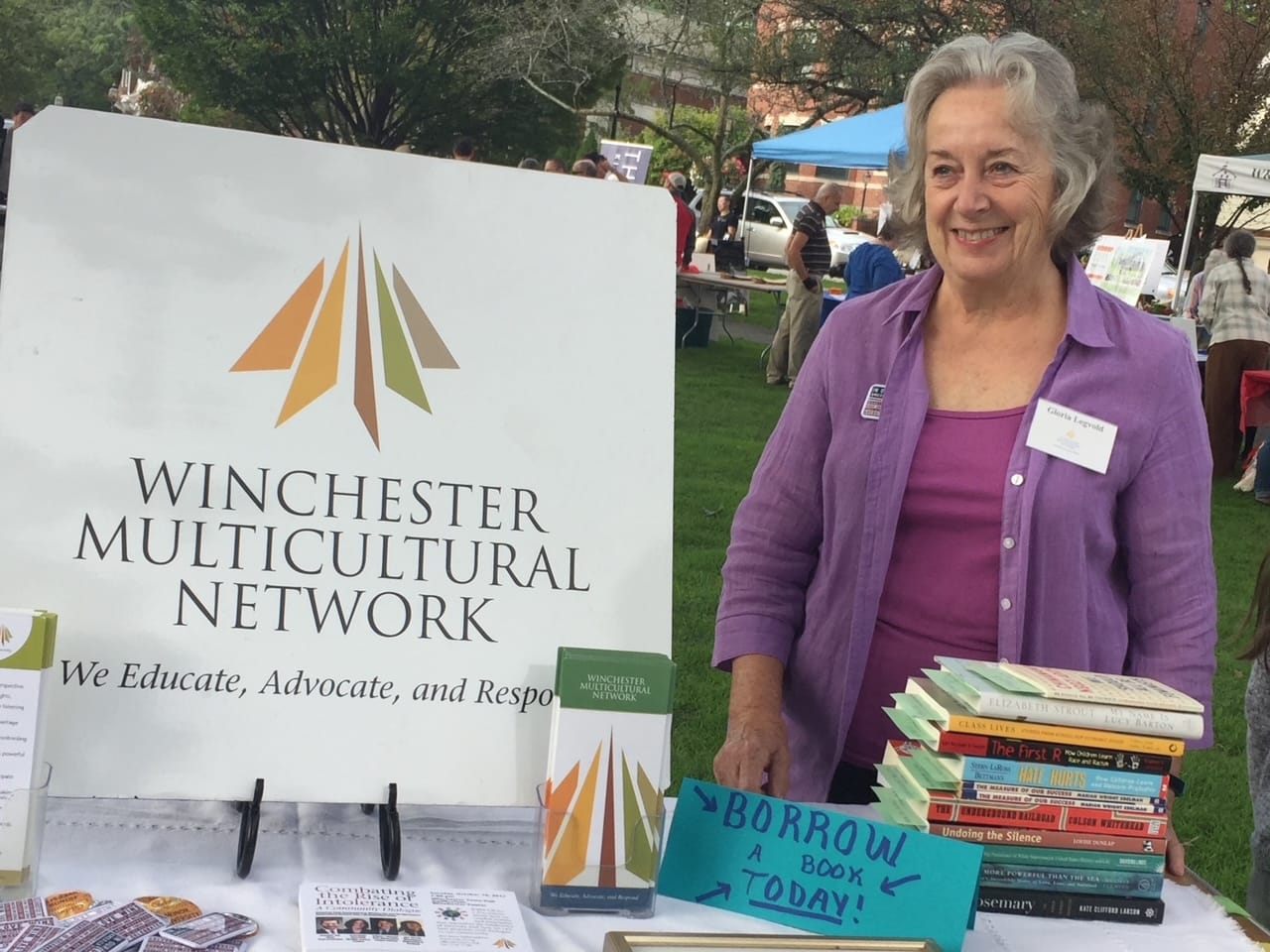
Syed is excited about redefining their role in the community.
“It was excellent, because we can’t be all things,” she said. “We’re not going to solve everything, so we have to kind of pick our lanes.”
Syed said she’d like to see the Network partner more with other communities, figure out how to involve different layers of the community. Both Syed and Legvold said they need to figure out how to engage young families in a subtle way.
“Because the world is filled with diverse people, and even if you’re not one of them — I don’t think of myself as diverse, again, I’m Tricia O’Neil, from Winchester,” she said, “but that doesn’t mean I can’t be involved, I can’t learn, I can’t have fun, I can’t get to know other people.”
Is it making a difference?
In 2012, Legvold worked on a program, “Winchester in Transition,” a conference aimed at building community. She said NFSJ opened it up to the public, but also specifically invited town officials as well as various organizations to send two representatives each to take part.
There was a panel discussion, a documentary about race and the “artificial things that sort of separate us,” and individual table discussions.
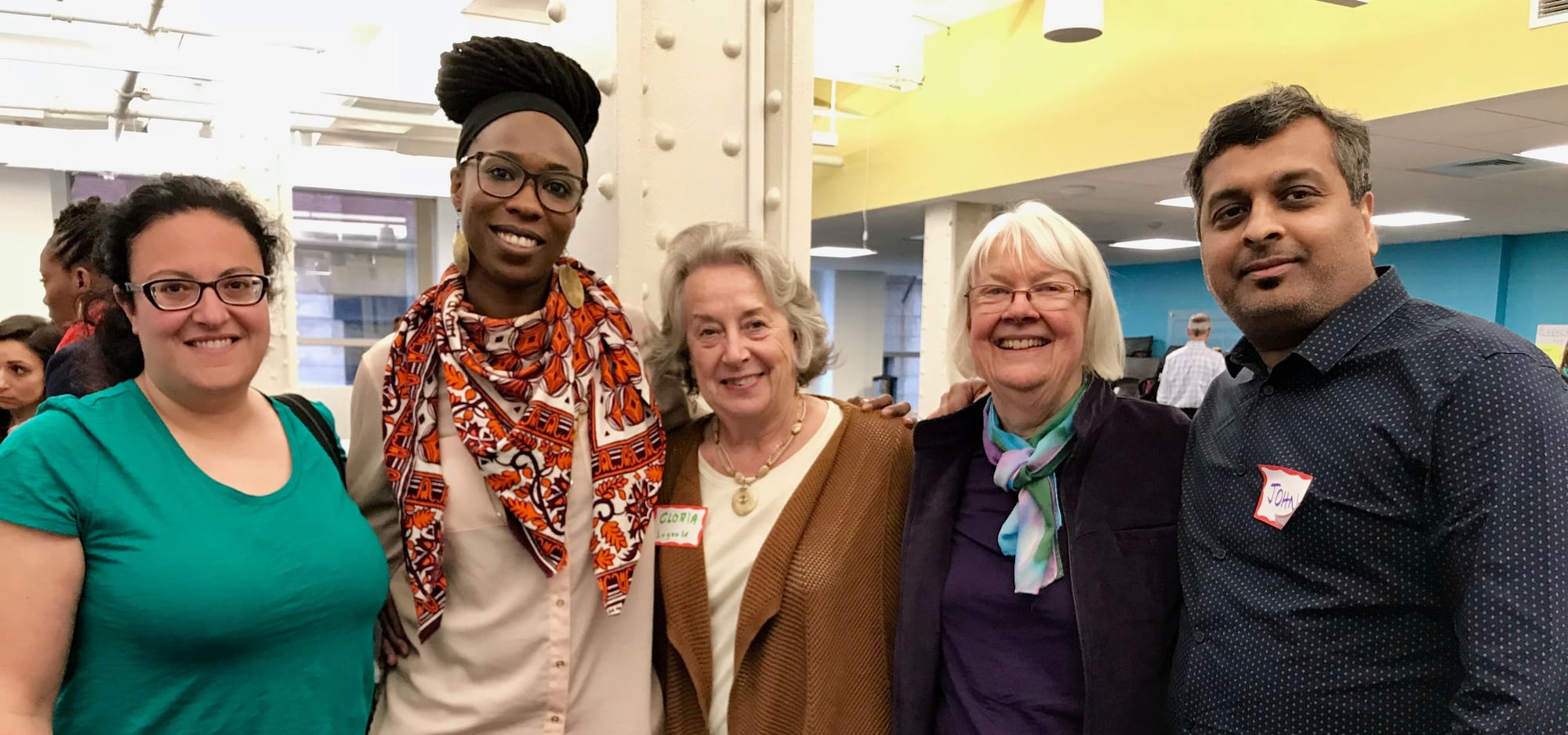
Legvold said she wrote copious notes from the more than 150 participants from both the table discussions, which covered everything from LGBTQ+ and senior issues to green communities, accessibility and diversity, spirit and faith as well as the panel discussion. Recently, she was reviewing the old notes and said she was hit by a very pleasant realization.
“I thought, ‘Oh, my God, some of this is actually beginning to happen,’” she said.
One discussion focused on the Town Center as a community center, which Legvold said she believes it is now.
“The Town Center is completely revived,” she said. “It’s really thriving.”
Over the years, NFSJ has hit some big milestones. In 2001, they formed the Response and Advocacy Committee or RAC.
Thompson calls it a behind-the-scenes committee that gives people a place to be heard if they feel they’re being treated unfairly or have a concern. It is completely confidential, but the Network will act on their behalf if the person wants to have something done about it or the issue could lead to a public program.
“But we always consult with a person, asking, ‘What do you want,’” Thompson said. “It’s been an important part of our network for all these years.”
In 2009, NFSJ worked with the then Board of Selectmen to adopt a human rights statement for the town.
In 2012, they won a grant that allowed them to hire their first part-time director and two years later, would win a $1 million grant through the Cummings Foundation Major Grants Program. It allowed them to hire a full-time director, other staff, move to a more suitable and expand programming.
And in 2020, they successfully led a campaign to remove the Sachem logo from the schools/sports teams. That was a big moment for both Bellaire, who called the mascot a racist symbol that he didn’t feel reflected the values of Winchester — at least not in 2020.
Syed’s son, who is now in college studying filmmaking, spoke out against the logo, explaining why he thought it was problematic, which was a proud moment for mom.
Syed said her son is autistic, high on the scale and very liberal. She was thrilled when he applied on his own, landed a student internship with NFSJ and found a home there.
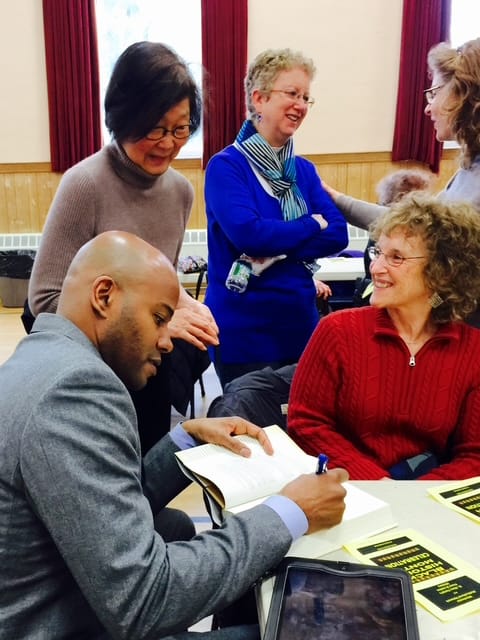
Slisz said the level of student engagement in regards to the mascot issue is actually one of the reasons the campaign stands out for her. Aside from the fact that she had made a pledge that she wanted Winchester to be a community where things like Native American mascots and the history or racism and its contemporary manifestations were not accepted — the fact that it was the students that helped lead the charge was huge.
“That is also what was important about that change,” she said, “that the next generation had a consciousness and concern.”
Does the work ever end?
The short answer from Slisz is no. There is an old belief that nonprofits should be working to put themselves out of business. They form to tackle an issue, hopefully they solve the issue and their work is done, but Slisz said she’s never actually known that to happen.
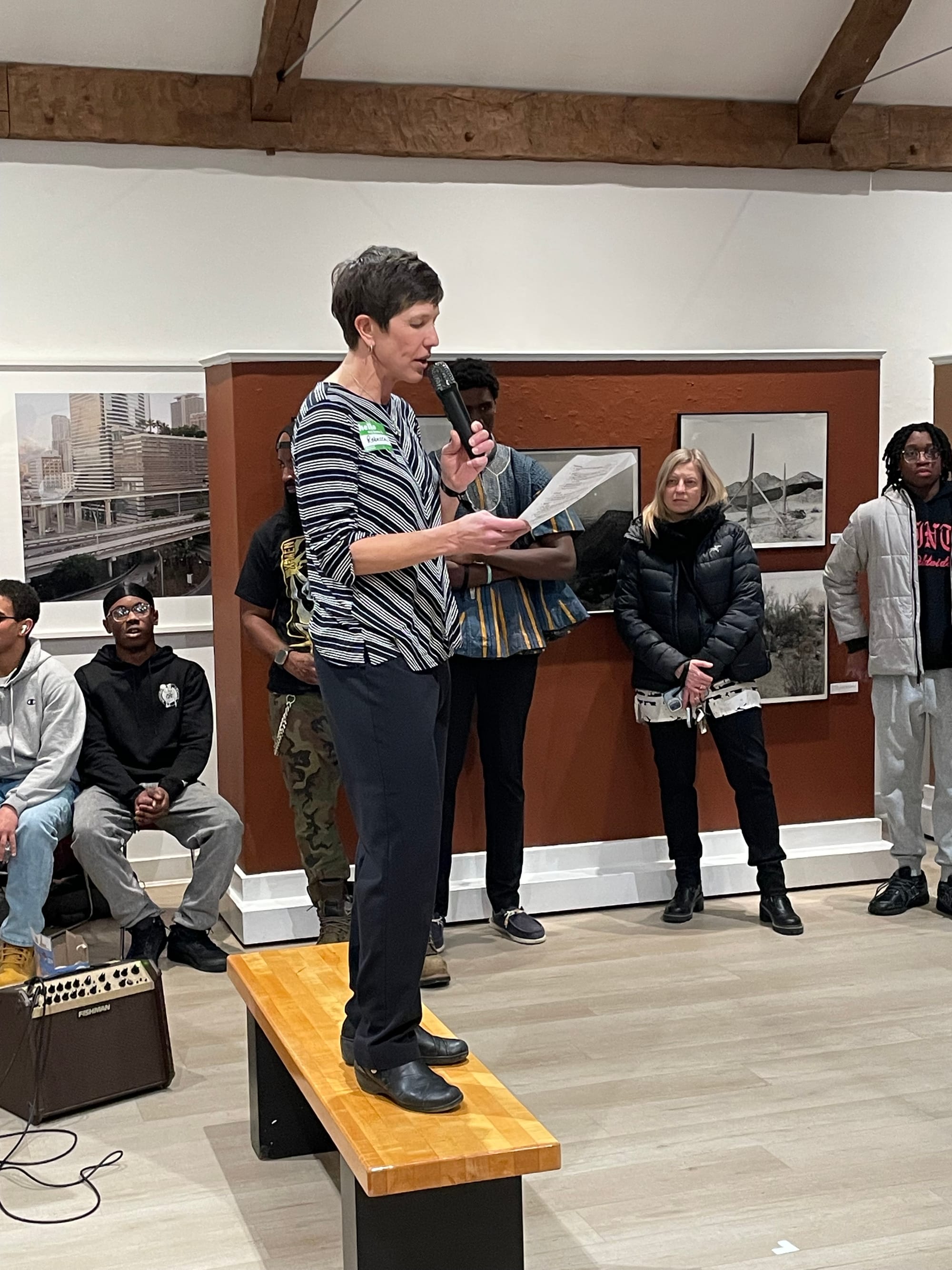
Homelessness, poverty, food insecurity, are things the Network works towards ending, but Slisz said she doubts the work will ever be finished. But that is not to say they haven’t made progress, she said.
She believes they have moved the needle on LGBTQ+ rights. Slisz feels identities are being seen and understood in ways they were not 25-30 years ago. And when people are able to live into their full identities then they can share wisdom, ideas and perspectives that only benefit everyone, she said.
Indigenous Peoples Day has continued to grow and Women’s History Month is now a thing.
When asked if she thought the Network was still relevant today, still needed, Legvold remembers talking to people who had been stopped just because they were a person of color.
“And those issues are still happening today,” she said.
Thompson, who ran the Network out of her basement for the first 10 years, said she really never had a particular expectation and still doesn’t.
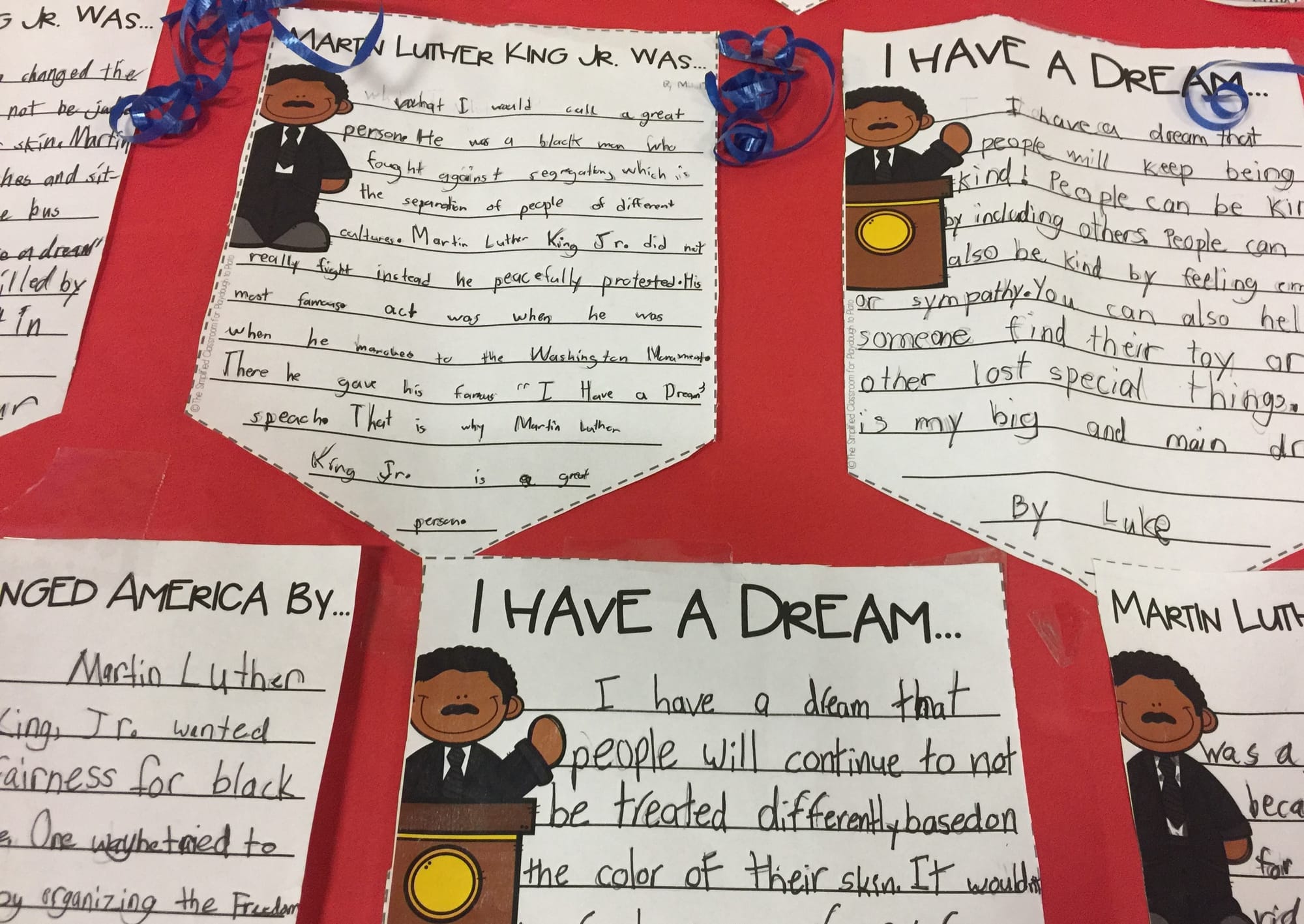
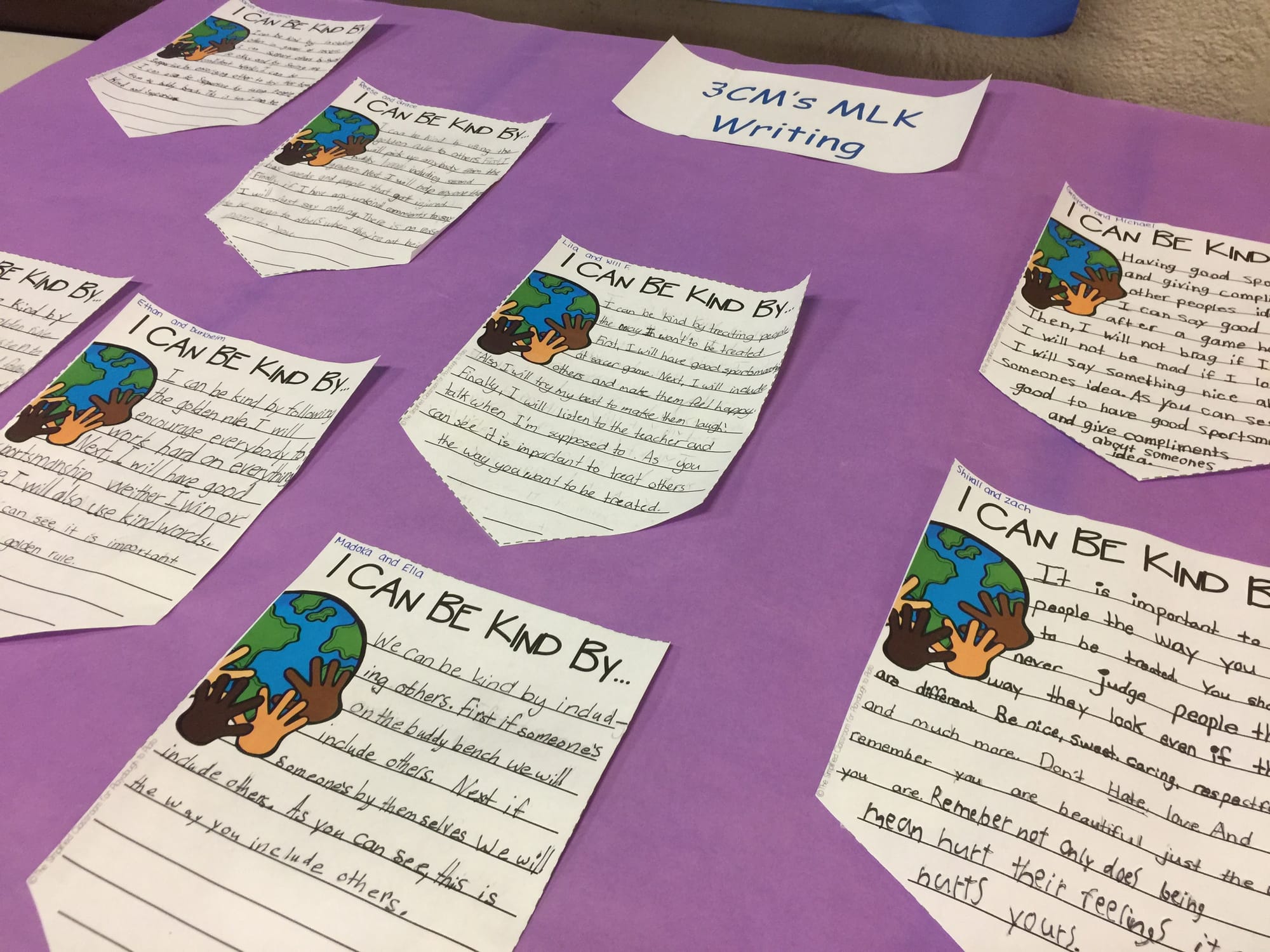
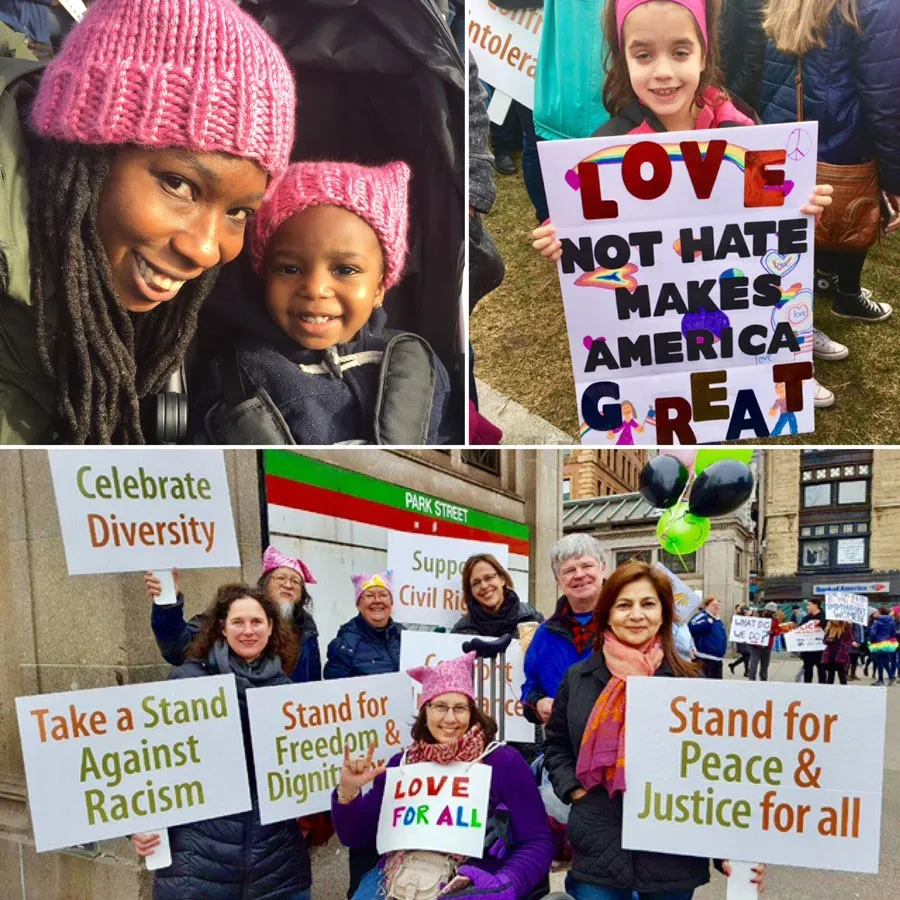
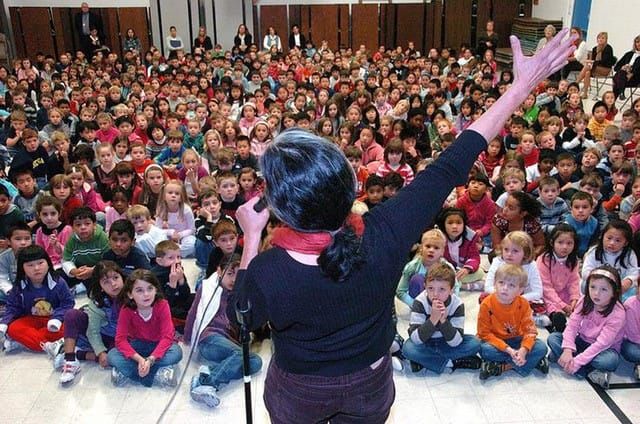
A look at kid responses for Dr. Martin Luther King Jr. Day events. COURTESY PHOTOS/NETWORK FOR SOCIAL JUSTICE
“But we still need a strong volunteer base. There’s no question, because an executive director can’t do it all,” she said.
And sometimes just joining in can be the hardest part.
Like Syed, Legvold thought she couldn’t give the time to NFSJ that it deserved.
The organization was about 10 years old when she retired and she said she had no intention of taking on anything, she simply wanted to enjoy her retirement for a while. Then Thompson brought her up short when she casually remarked that it was white privilege that allowed Legvold to not work on social justice issues.
“And I said, ‘You’re right, it is,’” she said. “And being involved is important to me.”
Legvold said she hopes anyone who is considering volunteering or simply curious about the Network comes to the 35th anniversary party, April 11 at the Sons of Italy. The party is free and open to the public.
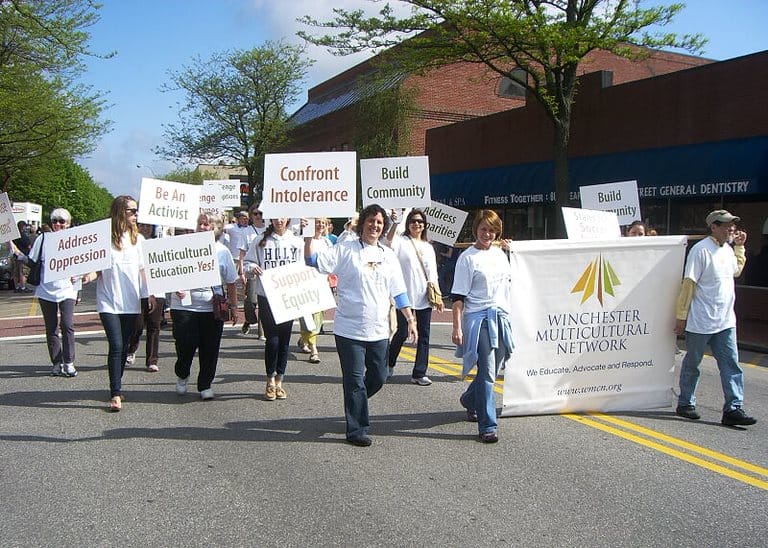
There is no lecture, just old friends, new faces and a video presentation of photographs through the years and the large posters that have been filling Thompson’s house.
“People can kind of just wander through them,” Legvold said. “It sounds like it’s going to be a great party. Yeah, it’s going to be a great party.”
Chris Stevens is an award-winning journalist who has spent 25 years chasing, editing and photographing stories on the North Shore. She is the co-founder and managing editor of Gotta Know Medford.