Table of Contents
The riverbank restoration of the Aberjona River has taken another step forward.
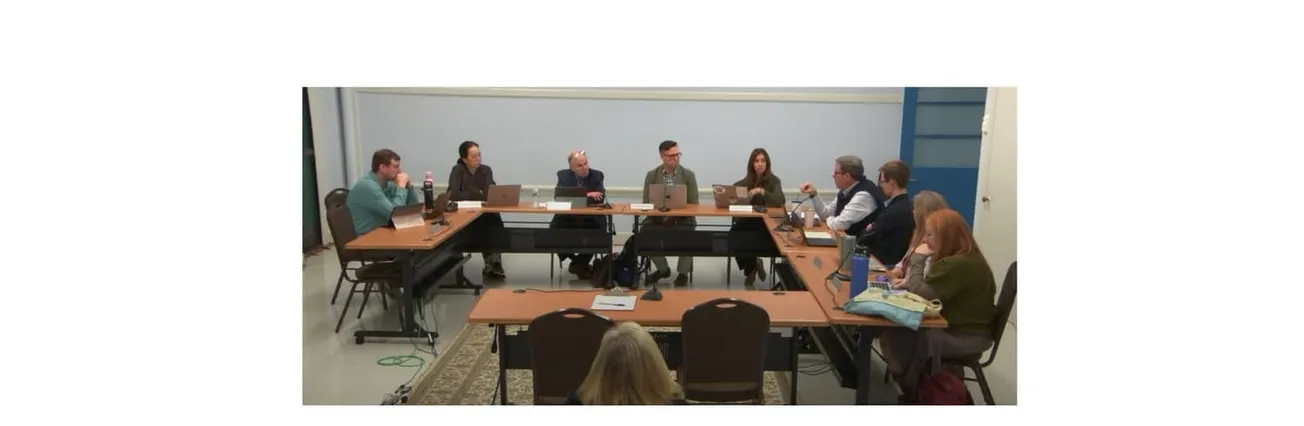
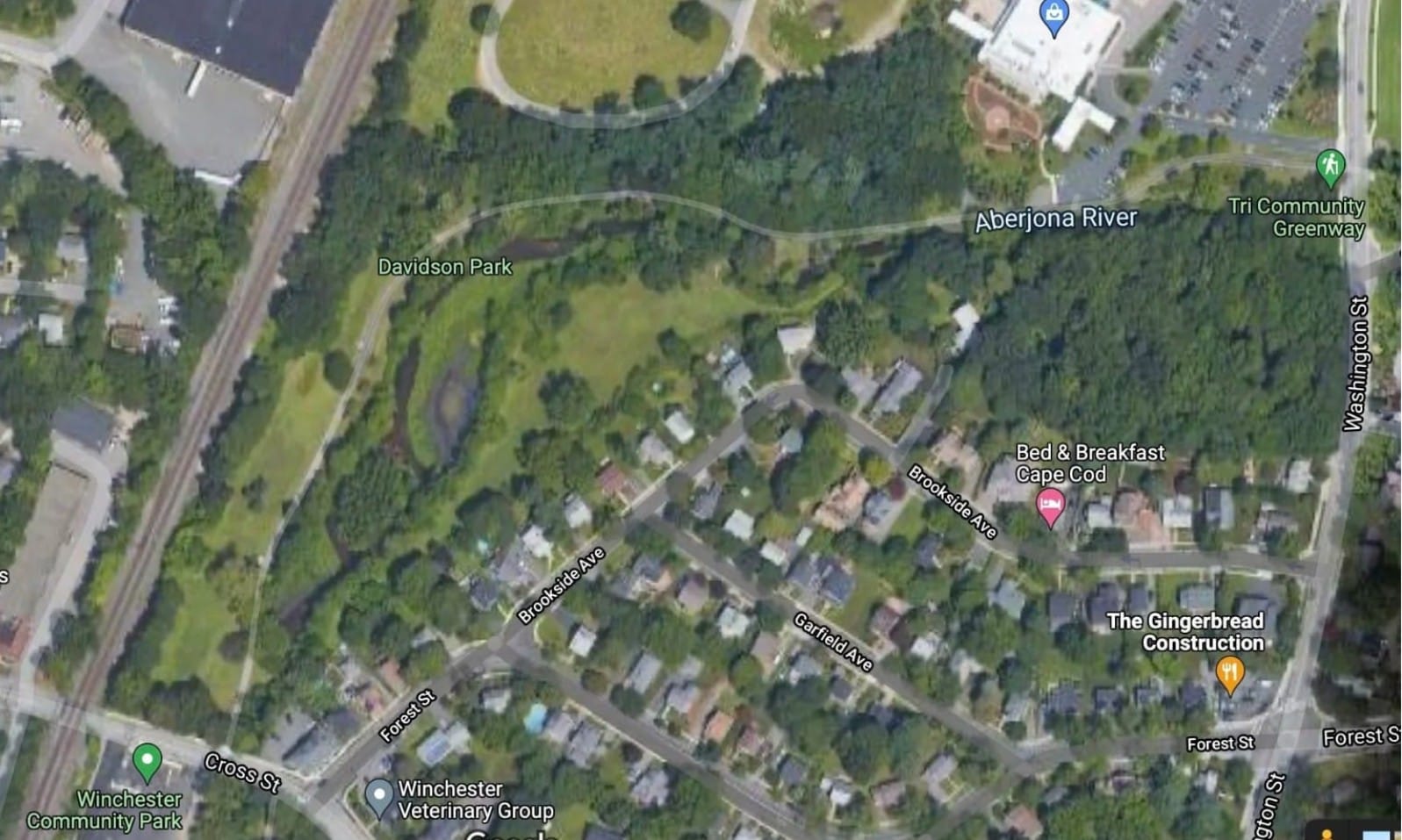
The Select Board on May 18 approved plans for the riverbank restoration of the Aberjona River in Davidson Park, allowing the town to apply for $500,000 in grants from the Industri-Plex Natural Resource Damages (NRD) Trustee Council overseeing environmental remediation in Woburn and surrounding communities.
“The NRD is behind this project; the stipulation is to get approval from this board,” consulting Horsley Witten hydrogeologist Neal Price told the members.
Town Engineer Matthew Shuman said the restoration plans have been scaled down to meet limited grant funding, but there is money available.
“We have to apply for the funds, but they’re there,” Shuman said. “We’re working on a slightly smaller scope.”
In the late 1800s, the Aberjona’s course was changed to accommodate development of the Brookside Avenue neighborhood on its west side. Faster flowing water led to erosion of its bank, which has been exacerbated in more recent years by losses of porous land.
“The amount of water moving into the system has changed due to development,” Price said. “More water is being driven into the river than 100 years ago. The more impervious cover, in the form of roads and sidewalks, the more water runs off and gets into the river faster.”
Price presented photographs from 1928 showing what he described as “a golf course-looking manicured landscape” surrounding a pond. He also said it was dredged at least once in the 1970s.
Plans of one kind or another have been circulating since 2013. In June 2022, the Select Board voted to endorse an ecological restoration project for the Aberjona through Davidson Park that mimics the original riverine environment.
Plans to dredge sediment were downgraded to bank restoration when only $500,000 was made available through NRD grants, with the stipulation it be a habitat restoration project as opposed to a park-centric project.
“That ended discussion of the dredging and brought us to the river design,” Price said, of the plan to use logs and wood debris to restore banks.
Bank construction will make use of woody debris to direct water flows away from side channels into a single main channel. The design will allow sediment and organic material to accumulate in the areas, helping revegetation.
It will include rock weirs to create step-like increases in the water level during typical flow conditions to counteract cascades resulting from man-made structures.
Weirs are channel-spanning rocks used to alter or create stream flows, provide fish passage by concentrating flows in flat bottomed channels to deeper channels, increase sedimentation along river banks, minimize river meandering by controlling flows and create a pool habitat.
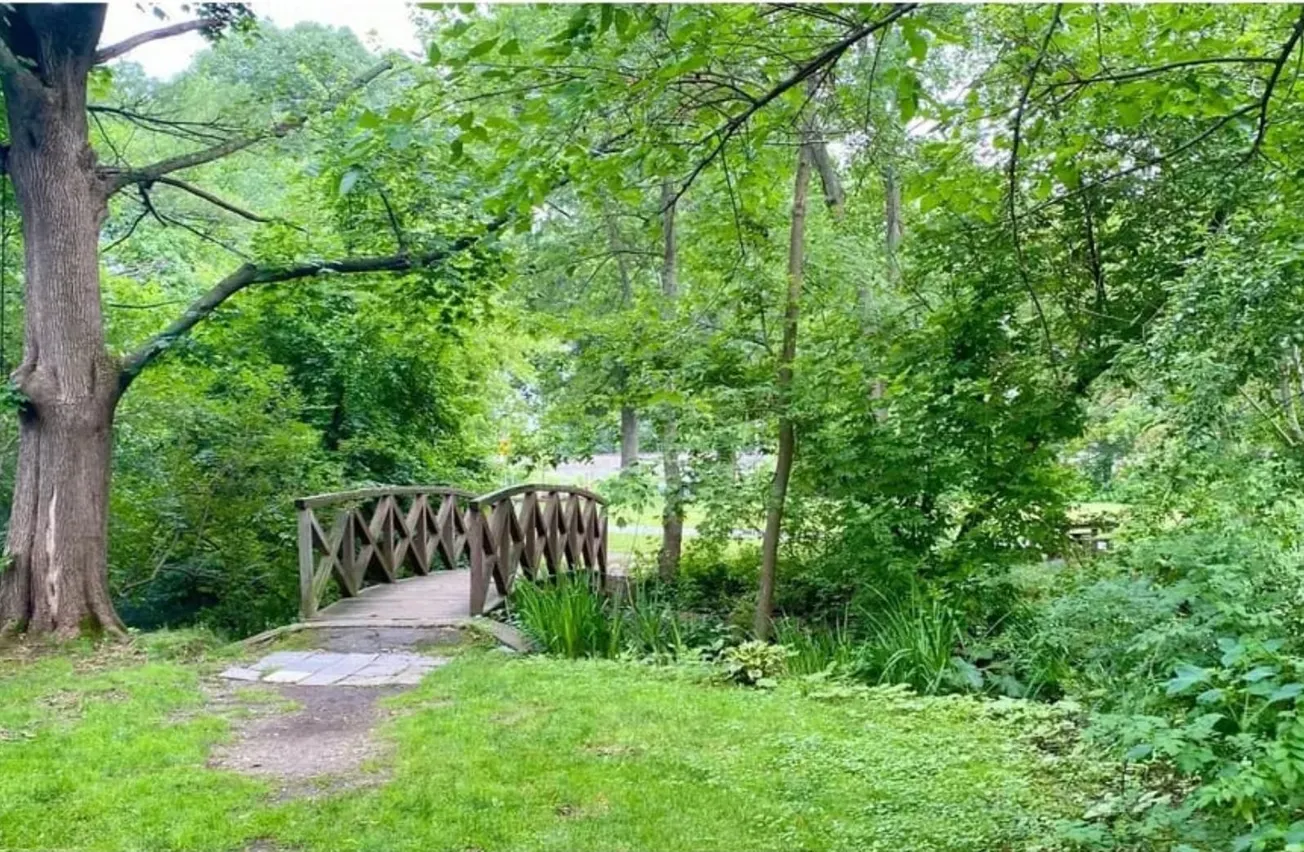
The proposed five weirs will create a gradual slope leading to the sewer main at the former pedestrian bridge at the center of the area, which will enable fish passage over the sewer main crossing during typical flow conditions.
“When you dam, river sediment moves through,” Price said. “They want to be rivers, not ponds. By putting woody debris in we can trap sediment and floodwater that overbanks the riverbank and hold sediment in.”
He added the process will nudge the existing transformation into a river a little faster than nature would.
“Rivers have a memory,” he said. “It’s turning back into what it was before the park was established. We’re trying to jump start the process.”
Town Manager Christopher Senior asked if the town would incur maintenance costs from the project.
“The project is designed to be more self-sustaining than it is now,” Price said. “It’s as self-sustaining as any project could be. Whatever maintenance is required is what would be required if you do this or not. At some point things will have to be addressed. I know the Conservation Commission is concerned about invasive species management, but that’s not part of this project. If that’s desired, it will need to be funded in other ways.”
Select Board Chair Anthea Brady said she was happy the project was pushing forward.
“I’m in that park a lot,” Brady said after the vote, referring to her living in the neighborhood. “I appreciate this moving forward for the sake of the river and the park.”
Neil Zolot has been a freelance journalist more than 40 years. He has worked for newspapers on the North Shore and in the Boston area.