Table of Contents
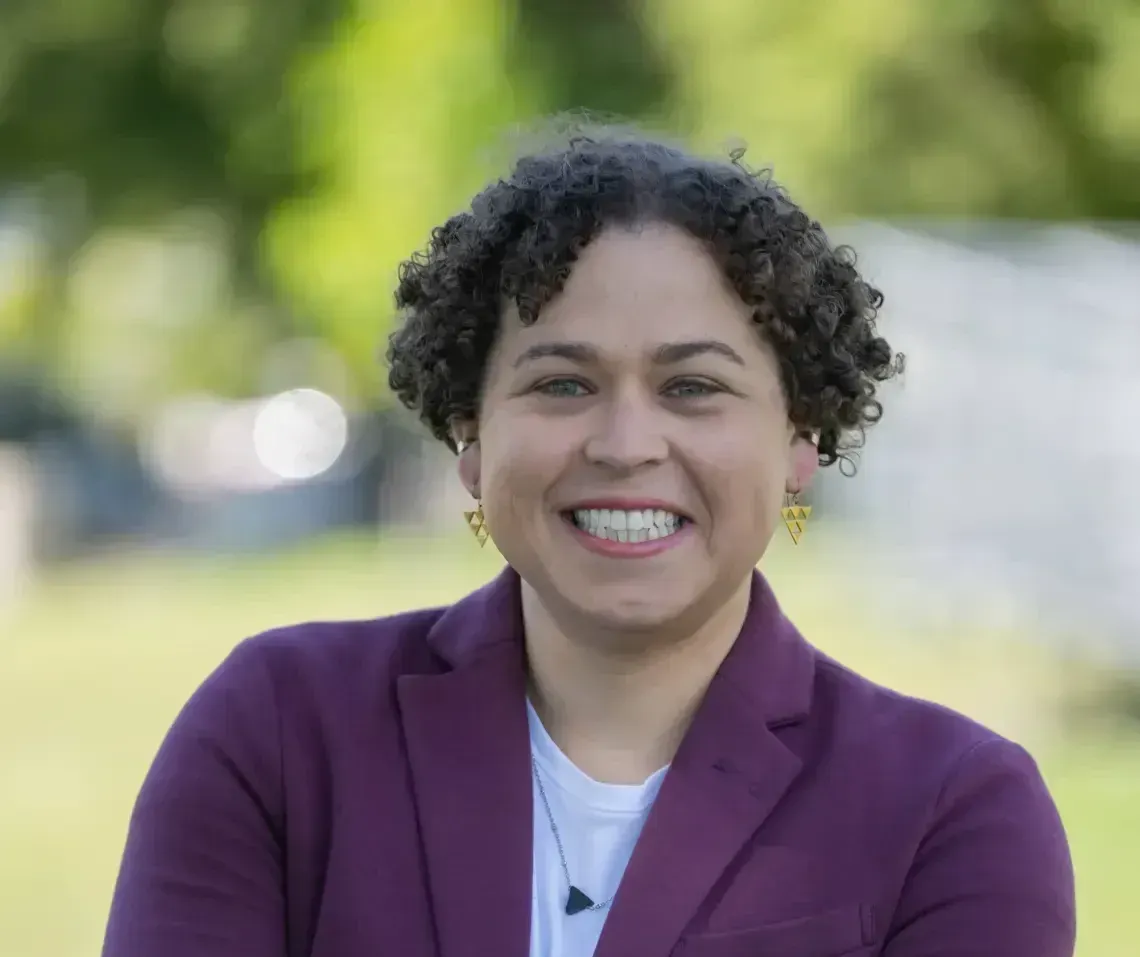
Carey McDonald did not set out to run for the state Senate. The Malden city councilor was deep in a different fight — trying to keep their own city from gutting services it could not afford — when state Sen. Jason Lewis, of Winchester, announced he would retire.
What McDonald learned in that local budget fight became the argument for a bigger one.
McDonald, a Democrat, is running to succeed Lewis in the 5th Middlesex District, which stretches across Malden, Melrose, Stoneham, Wakefield, Reading and part of Winchester.
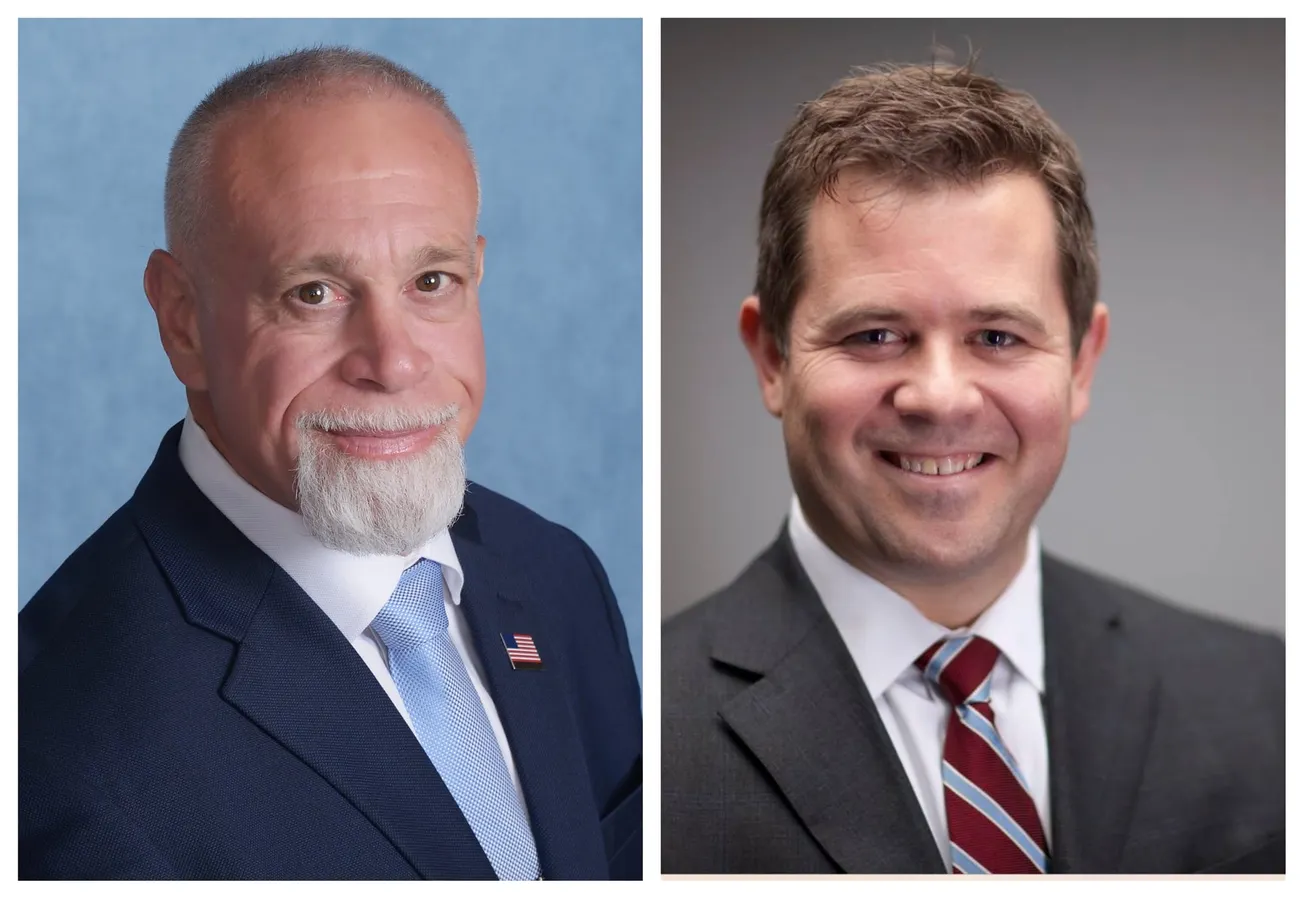
In the Sept. 1 Democratic primary — likely decisive in the reliably blue district — McDonald faces state Rep. Kate Lipper-Garabedian of Melrose, an education attorney and former teacher, and fellow Malden city councilor Ryan O’Malley, an attorney in his sixth term on the council.
They make an unusual pitch for a legislative candidate: that the most important preparation for Beacon Hill is the unglamorous work of balancing a city budget.
The State House, McDonald argues, has lost touch with what cities and towns actually face.
“Beacon Hill doesn’t understand that and isn’t focused on that in the way that they need to be,” McDonald said.
That conviction hardened over the past year, as one community after another in the district asked voters to raise their own taxes just to hold steady.
Winchester, Malden, Melrose and Stoneham have all run overrides in recent months, McDonald said, and Reading is preparing to consider one.
As Finance Committee chair, McDonald helped put a Malden override on the ballot, then campaigned to head off layoffs. It narrowly failed.
“We have this broken system of local finance that is forcing us to do these divisive votes just to maintain the status quo,” McDonald said, “which I don’t think was ever the imagination.”
Formed by public institutions
To understand why McDonald frames the race that way, it helps to go back to Columbus, Ohio, where they grew up without much money and leaned on the institutions around them.
They attended public schools, graduated as a valedictorian and reached Pomona College in California on scholarship. A first-time homebuyer program later helped the family buy a home.
McDonald describes those rungs — public schools, scholarships, student loans, homebuyer help — as a ladder that is harder to climb today.
“All of these pathways that I was able to use to get to the middle class are just not there in the same way for our kids,” they said.
McDonald studied economics, and the reason is one of the more revealing details of their story.
“I really wanted to understand how money and power work,” they said. “Those are not things that I really felt like I had access to growing up.”
That curiosity — about who pays, who decides and how systems hand out opportunity — would run through everything that followed, from school funding formulas to municipal budgets to the price of a house.
The fascination became a career. Back in Ohio after college, McDonald went to work in the state Legislature, eventually for the House speaker, during a stretch when Democrats took the majority and overhauled the state’s school funding system. They moved to the Ohio Department of Education and worked on an effort that won a federal Race to the Top grant.
From city hall to Beacon Hill
In Massachusetts, McDonald built a career outside electoral politics, rising to executive vice president of the Unitarian Universalist Association, the Boston-based headquarters of a progressive faith movement.
The role is a management one — McDonald oversees an organization with a $50 million operating budget and about 250 employees — but it is also values work, with national and local campaigns on immigration, racial justice, democracy, climate, LGBTQ rights and reproductive rights.
McDonald casts that work as obligation rather than charity, describing the denomination’s calling as “advocating for justice and liberation.”
The association also handed McDonald an unexpected tie to the district. McDonald said an ancestor, Frederick Windsor, helped found the Winchester Unitarian Society, and that they once preached there themselves — a small thread connecting a Malden candidate to a Winchester pew.
McDonald entered elected office in 2021, running for the Malden City Council in the middle of the COVID-19 pandemic with two young children, now ages 8 and 11.
They ran, they said, to help build a community where their kids could thrive and to bring progressive, values-driven voices to local government.
McDonald won an open seat, was re-elected twice, and now serves as city councilor at large, Finance Committee chair and president pro tempore.
On the council, climate was an early priority, and McDonald points to results they can name: a citywide climate action plan, a new Climate Action and Sustainability Commission, building-efficiency programs and a community electricity program that buys power in bulk for residents.
Some issues stopped being abstract. McDonald recounted a Malden constituent who was arrested by federal immigration agents; McDonald joined a press conference and helped organize a rally, and the man, whose spouse worked for Greater Boston Legal Services, was eventually released.
Another time, McDonald watched agents detain a parent walking a child to school just down the block from their own home, then stayed with the family and helped get the child to class.
“I don’t know what happened to their case,” they said.
The stories are why McDonald treats immigration and civil rights as immediate rather than theoretical.
Arguing against hopelessness
McDonald likes to recount meeting Joe Biden as a teenager at a politics camp in Washington, and a piece of advice that stuck: you should not run for office unless you know what you would be willing to lose an election for.
It is a fitting frame for the candidate McDonald is trying to be — someone who treats public office as a tool rather than a prize.
McDonald believes local government is where people can still feel that change. They tell a story about a small downtown Malden park, crowded with children, that the city expanded onto neighboring land.
“I can go see on a Friday afternoon the kids playing in that park that I helped support,” McDonald said.
It is, they argue, an antidote to helplessness — proof that government can be seen and felt.
They support a stronger public option and, eventually, single-payer health care, arguing that runaway insurance costs are quietly breaking municipal budgets; Malden recently shifted employees to the state Group Insurance Commission.
They back legislative transparency, recorded votes and open-meeting standards, calling lawmakers’ exemptions from public records “totally a double standard” and suggesting a neutral body such as the National Conference of State Legislatures review the Legislature’s internal practices.
McDonald is an out nonbinary transgender official, a rarity on Beacon Hill, and they are matter-of-fact about what that does and does not mean for the race. Representation matters, they said, but it is not the reason to vote for them.
“I don’t want people to vote for me because of who I am,” McDonald said. “I want people to vote for me for what I’m for and what I can do.”
Running beneath McDonald’s politics is a worry that has little to do with any single policy.
“Hopelessness is another epidemic right now,” they said, “and the nihilism of thinking change is not possible.”
McDonald rejects what they see as the two cynical options — sell out on the inside, or burn it all down — and argues for a harder middle path.
“What you have to do to change things is build coalitions,” they said. “You have to get people to learn and work together.”
Three competitive campaigns in Malden taught them, they said, that there is more listening than talking in the job.
Will Dowd is a Massachusetts journalist who covers municipal government and community life for Winchester News. He is also the founder and editor of The Marblehead Independent, a reader-funded digital newsroom.