Table of Contents
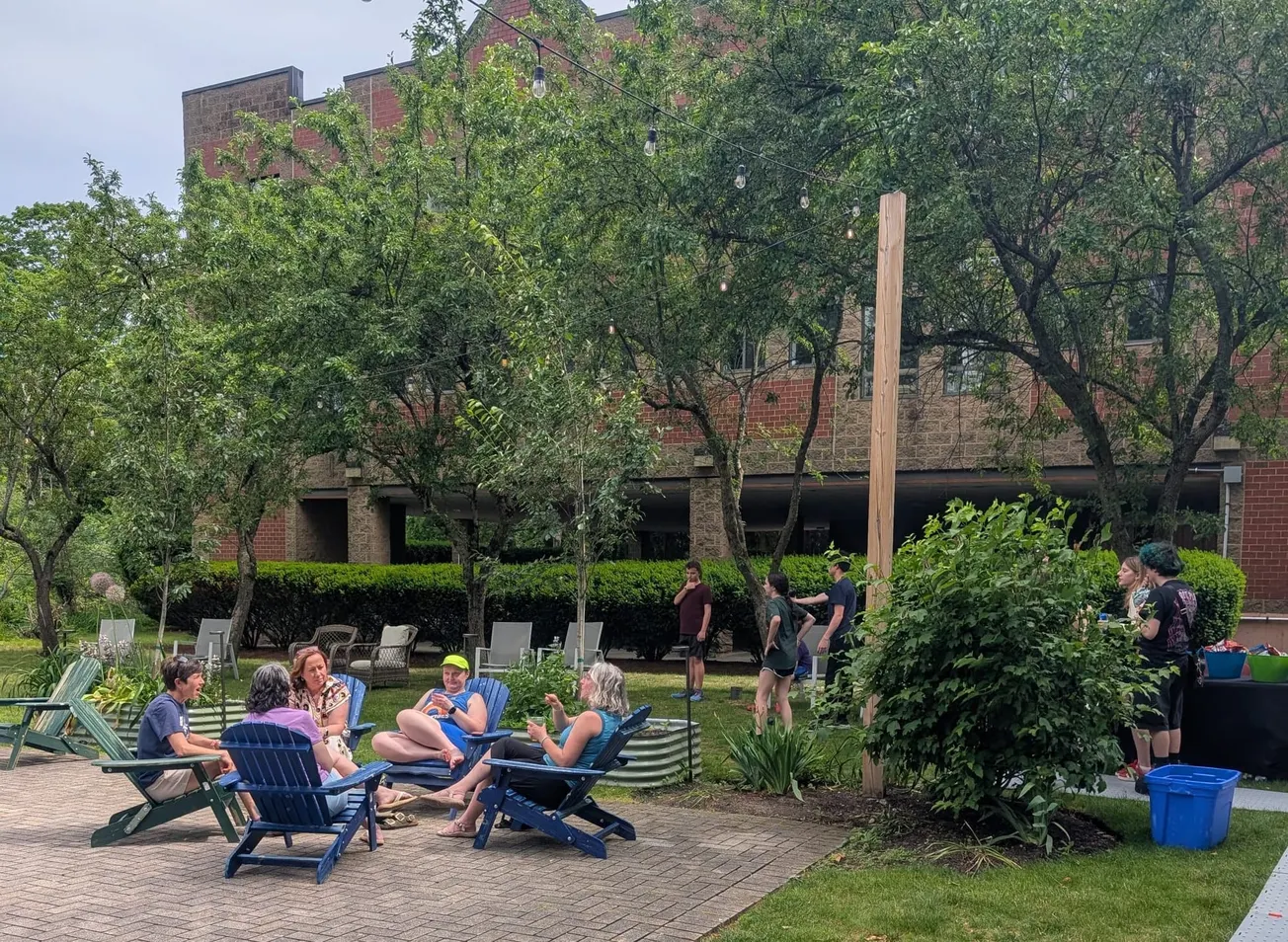
To the tune of ‘70s disco, 30 people gathered in the Griffin Museum of Photography for a tea dance event Sunday afternoon.
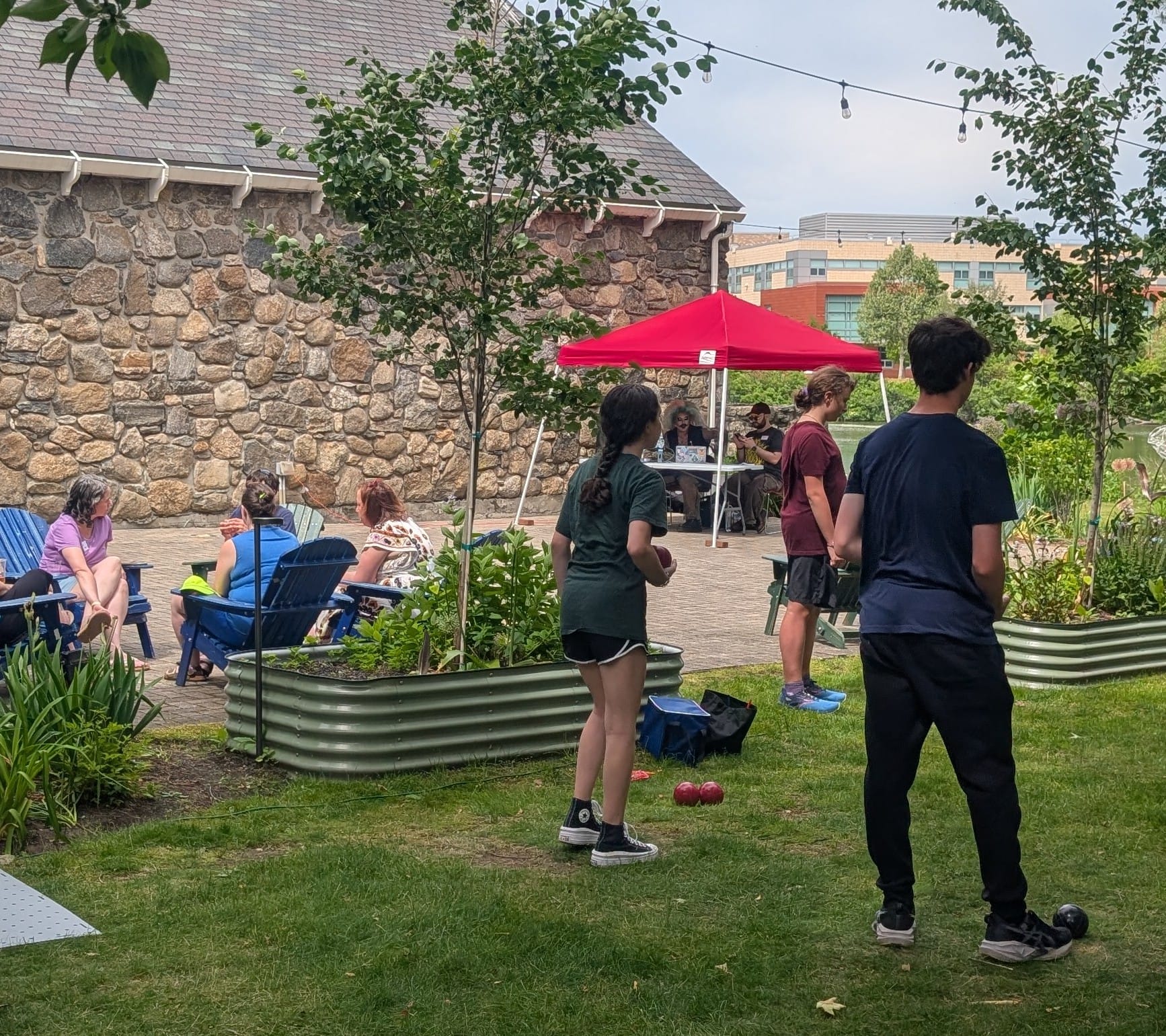
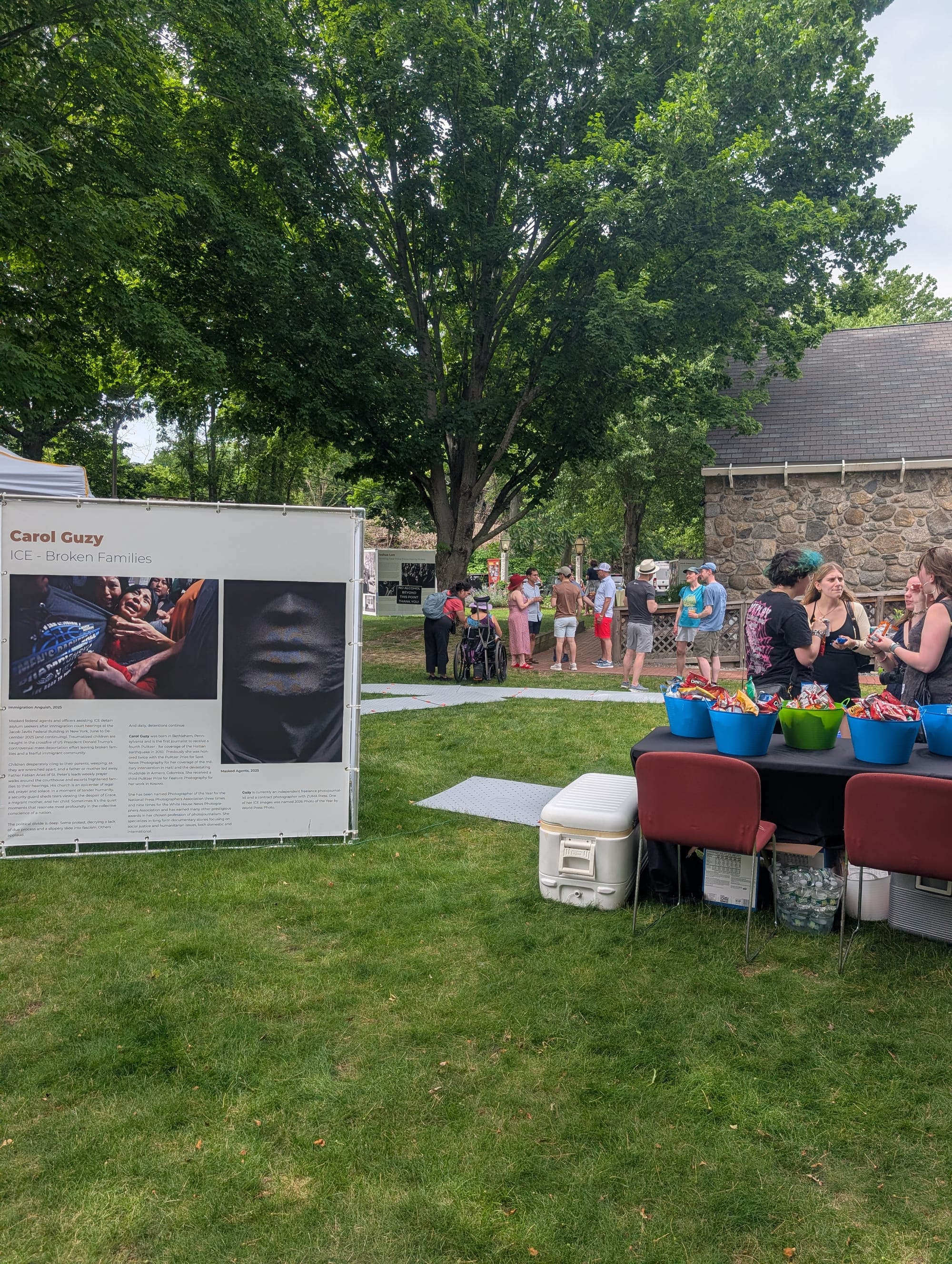
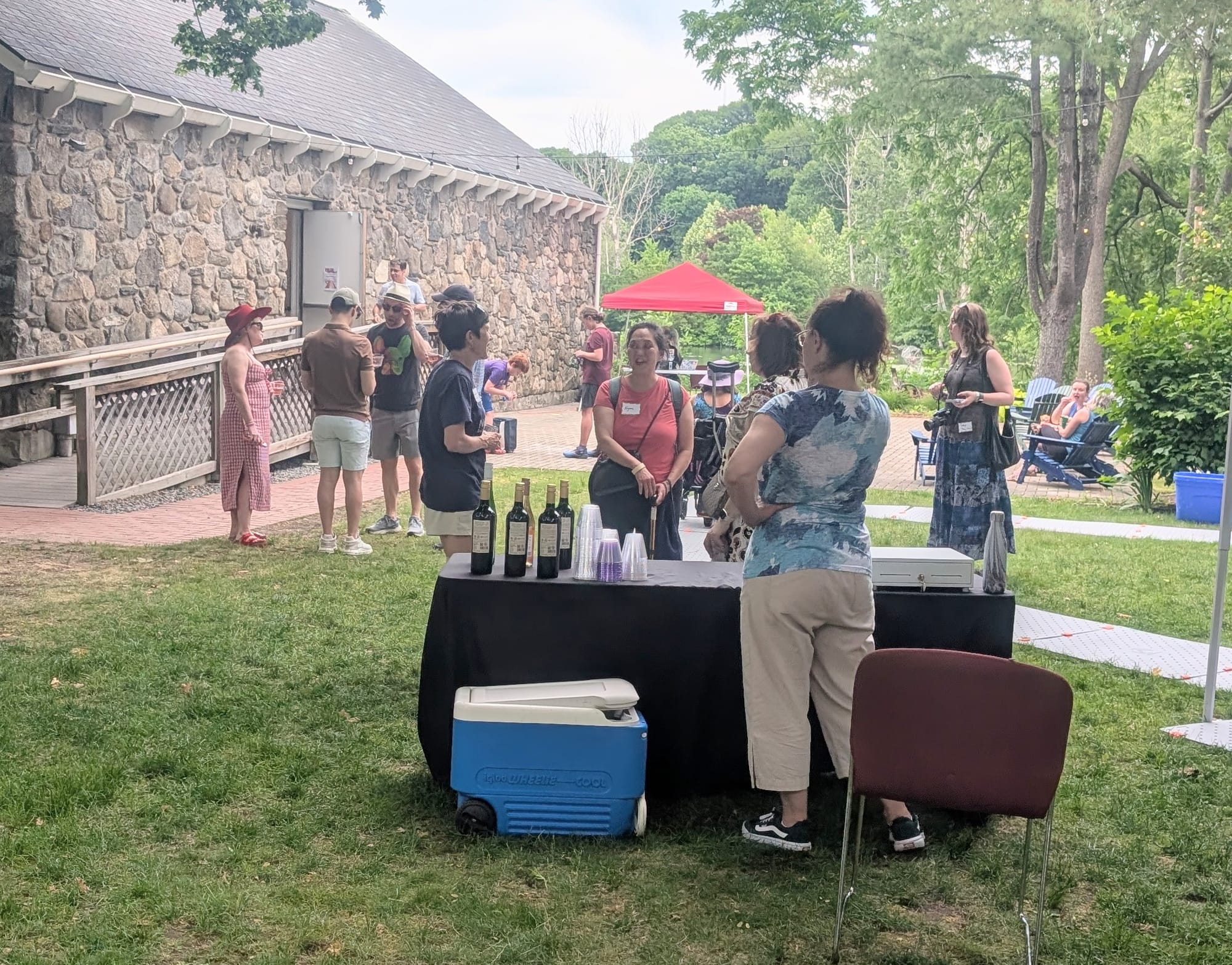
The event, done in collaboration with the Network for Social Justice, was held June 14, from 2 to 5 p.m. and was hosted in the outdoor area of the Griffin Museum. Snacks, beers, water and other non-alcoholic beverages were provided.
There was also a DJ set from drag queen Maxine Harrison made up of a mix of disco and new pop.
Harrison, who grew up in Salem, first got into drag in her freshman year of high school when she was in theater. Her theater teacher was an openly gay man, and Harrison quickly found her love for cross-dressing roles and drag.
Her inspiration comes from John Waters and Harris Glenn Milstead, a drag performer and actor known as Divine. As well as her mother.
She’d met most of the NFSJ when she worked at Whole Foods a few years ago and started performing at their events in October.
“I felt really proud to be serving the community here,” Harrison said.
The tea dance gained popularity in the ‘60s in New York City as a way to circumvent laws preventing queer people from being served alcohol. Eventually, the idea spread across the country before fading out of favor in the ‘90s.
They were recently brought back by gay vacation locations like Fire Island and Provincetown as a new form of nightlife. The tea dances at Provincetown’s Boatslip Resort & Beach Club are what inspired Crista Dix, the executive director of the museum, to put on this event.
Dix had gone to the tea dances frequently in the ‘80s, but since she moved back to Massachusetts six years ago, she hasn’t been able to go back. So, she brought the event to Winchester.
Evelyn LaMont is a senior intern at NFSJ who helped set up the tea dance. They were happy to see the tea dance make a reappearance in the modern day.
“Seeing the community bring back a part of our history is so special,” LaMont said.
Today, most people either don’t know what a tea dance is or they associate it with night life. The history of it is almost unknown.
Marianne DiBlasi came to celebrate Pride and heard about the event from the NFSJ’s newsletter and Facebook. She was surprised by the history of the tea dance.
“It feels like really honoring the past,” DiBlasi said.
Rebecca Slisz, the executive director of NFSJ, had hoped the event would help raise awareness, which is one of the goals of the organization’s work.
“That has really had an impact on people,” Slisz said.
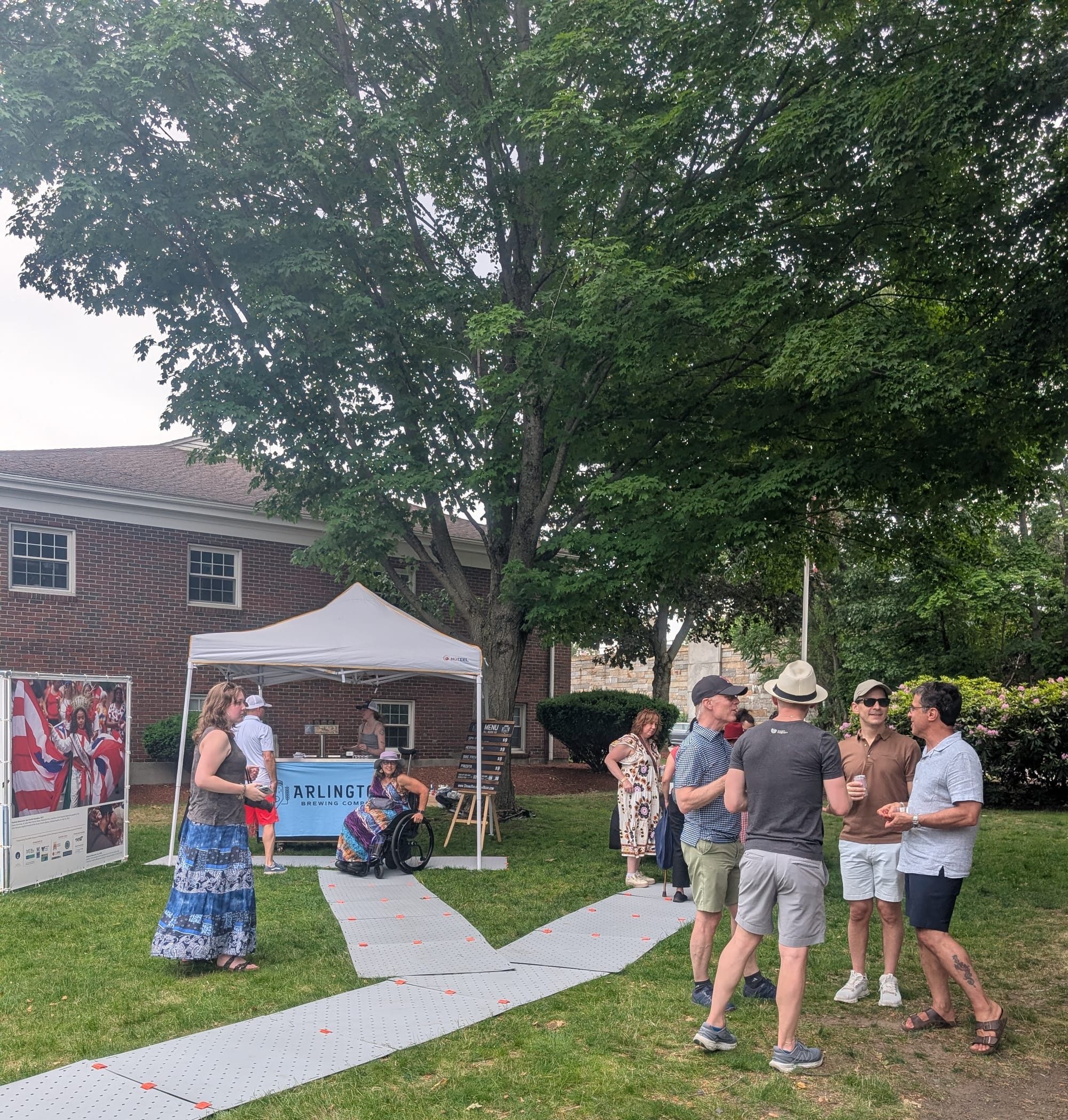
Slisz was happy to see that the event helped show community and connections can be made in more intimate events as well as larger ones, such as PRIDEfest. She recalled two volunteers, who’d never met before Sunday, bonding over skiing.
In recent years, the security of queer rights has been debated, with the Pride flag being removed from outside The Stonewall Inn and the Supreme Court hearing cases on transgender athletes in sports.
“Pride’s different this year,” Harrison said. “We have to be even more queer than before.”
Still, Slisz acknowledged that celebratory events are not enough to create substantial change, but coupled with the creation of the Human Rights Commission in Winchester, it can help.
Tavishi Chattopadhyay is a journalism student at Boston University.