Table of Contents
Established in 1973 by the National Trust for Historic Preservation, annual Preservation Month is meant to celebrate our historic treasures, highlight our architectural heritage and raise awareness of the social and economic benefits of preserving our history and historic places.
The Town of Winchester has maintained its small-town charm, despite its close proximity to the Greater Boston urban area, in no small part due to the preservation of its historic resources, including private residences, town and private buildings, landmarks, parkland and waterways.
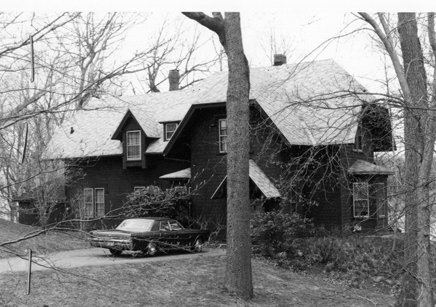
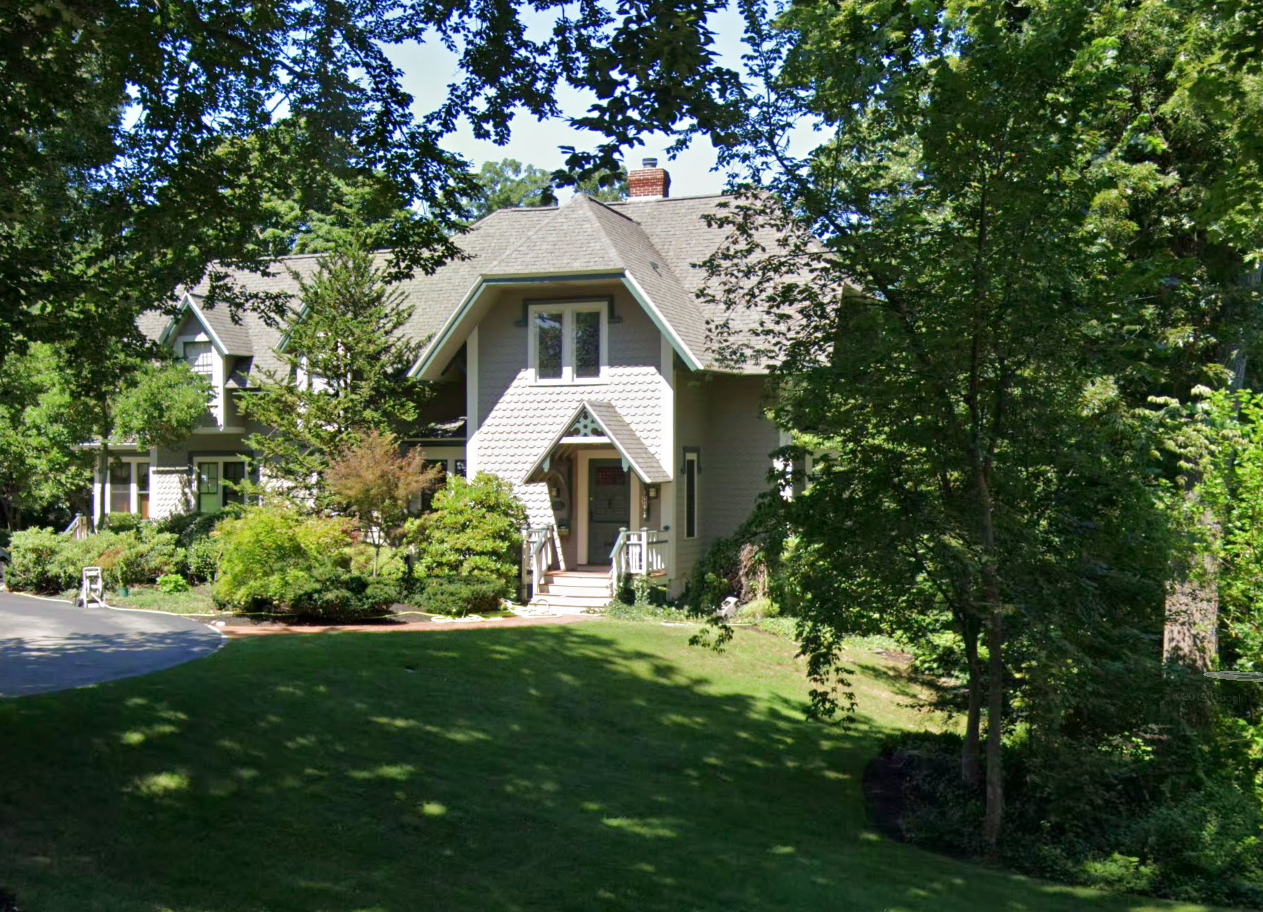
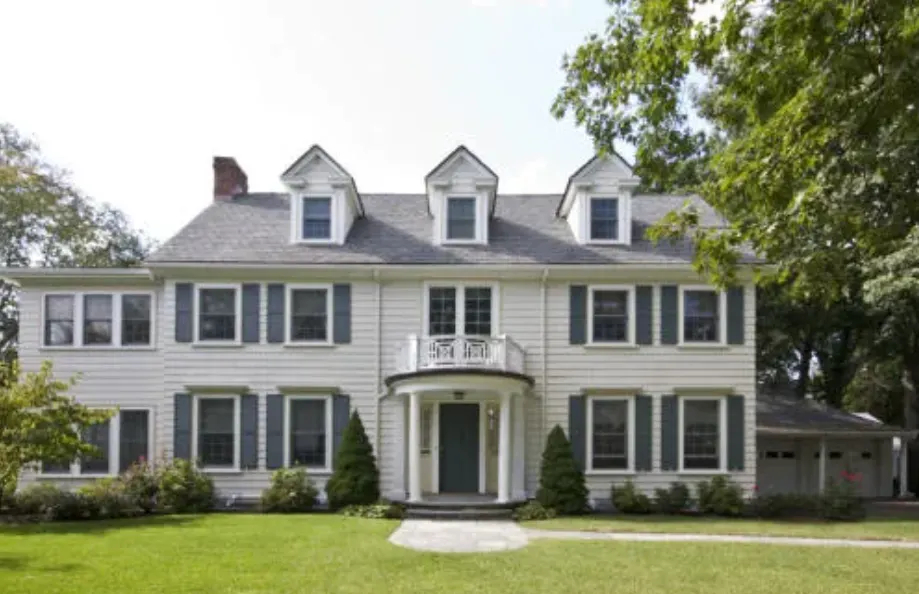
A look at 19 Dix St. from a historical point-of-view, left, and after a renovation. COURTESY PHOTOS/WINCHESTER HISTORICAL COMMISSION
The numerous historic buildings bring a unique appearance to the Town Center and each residential neighborhood. This helps to create an attractive and welcoming community, and each historic building or resource acts as a functioning monument to a small piece of Winchester’s history.
Winchester residents have made preserving historic residences, buildings and places a priority, as reflected in the Town’s 2030 Master Plan. To that end, Winchester Town Meeting enacted a “demolition delay” bylaw in 1995.
In its current configuration, Chapter 14 of the Town bylaws requires the Historical Commission to review applications to demolish any structure built before 1941.
The first part of the process involves determining whether the house or building is historically significant, which can include characteristics such as the architecture of the building, having been designed by a renowned architect, having been owned by a significant individual or being part of a neighborhood that is historically significant.
If the Commission finds that the building is historically significant, then the Commission votes whether to impose a demolition delay of up to 12 months.
In 2025, the Commission reviewed eight demolition permit applications and imposed the delay in six cases.
The goal of the demolition delay is to encourage homeowners and developers to consider how to preserve the existing building while achieving the owner/developer’s goals, such as a larger structure and/or a modern layout.
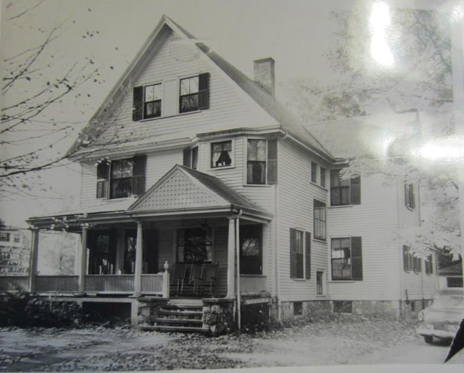
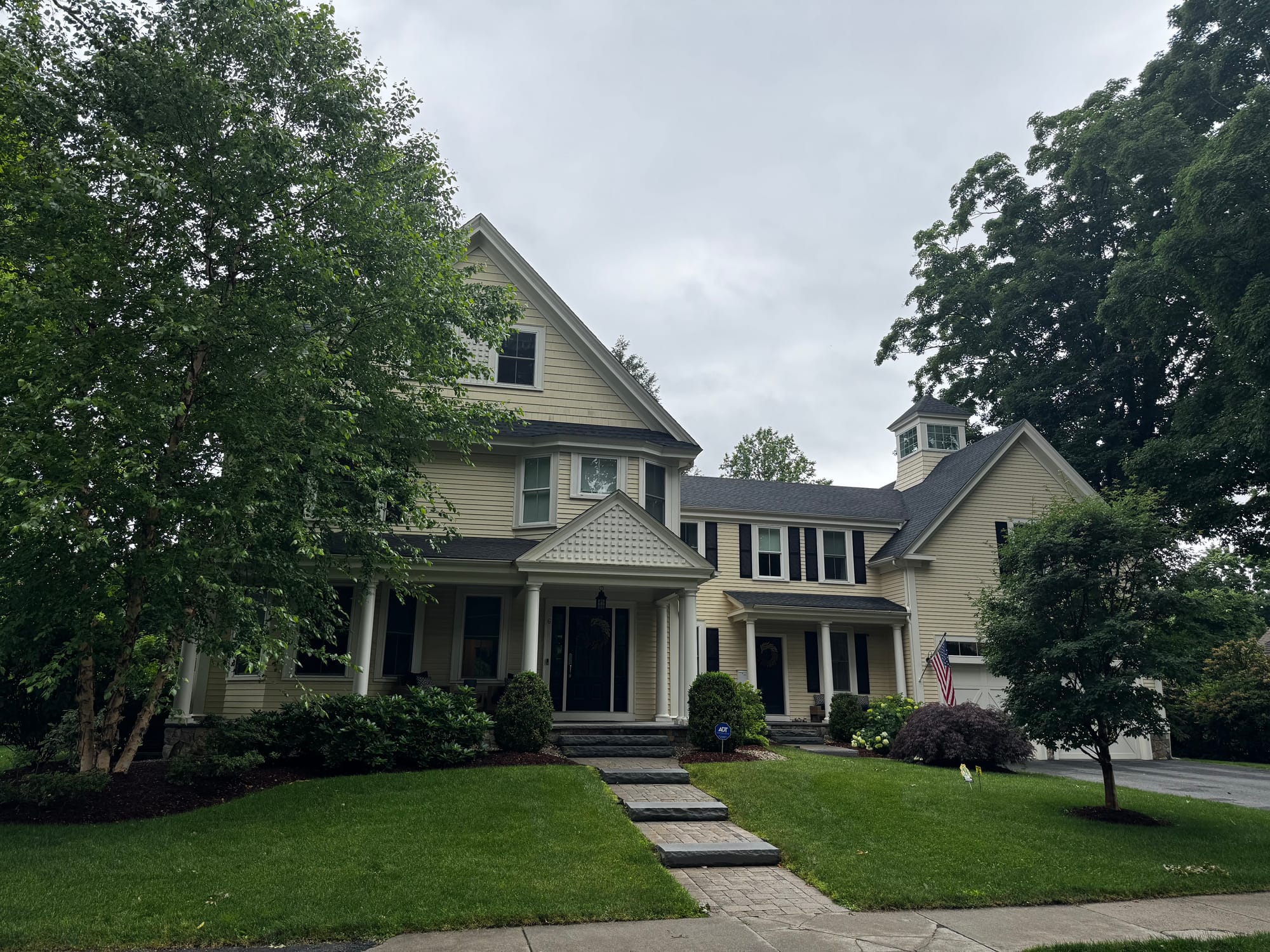
A look at this historic house at 6 Harrison, left, and after renovation work being done. COURTESY PHOTOS/WINCHESTER HISTORICAL COMMISSION
Over the years, the Historical Commission has successfully worked with numerous owners/developers to save historic houses and buildings by renovating and restoring the existing building, often adding onto the original building to achieve the desired final structure.
The Historical Commission is only authorized to act on demolitions and comment on exterior modifications; there are no preservation-related bylaws that prevent a homeowner from making interior changes, as long as applicable town rules, such as obtaining a permit, are followed.
The chair of the Winchester Historical Commission is Bruce Hickey and the Vice-Chair Michelle McCarthy; the other Commissioners include: Aysegul Bilgic, Janet Boswell, Julie Broderick, Jon Carlisle, and Emily Dowling.
All Historical Commission meetings are open to the public, and the Commission invites abutters and interested residents to attend and learn how the Commission is working to preserve historic structures in Winchester.
To understand the scope of Winchester’s historic buildings and homes, in September 2017 the Historical Commission created a Survey Plan to inventory these historic resources and has so far completed three surveys of Winchester neighborhoods (i.e., the Old West Side, the North End and Symmes Corner), with four surveys yet to be completed.
The comprehensive survey of the West Side received funding from the Massachusetts Historical Commission in March 2025 and is now underway. Remaining surveys to be funded and completed are Winchester Highlands, the Town Center, and Myopia Hill.
Information about the surveys can be found at the Historical Commission website.
In 2024, Winchester acquired an important new tool to promote historic preservation, the Community Preservation Act (CPA). CPA funds, which in Winchester come from a 1.5% property tax surcharge, can be used for historic renovation, rehabilitation and preservation projects; the other categories of projects eligible for CPA funding are open space, outdoor recreation and affordable housing.
In the 2025 CPA funding round, the Winchester Committee for Community Preservation (WCCP) and Town Meeting approved $162,000 for two historic preservation projects, restoration of 8 columns at the Sanborn House and funds towards the purchase of a new HVAC chiller for Lincoln School, a historic building.
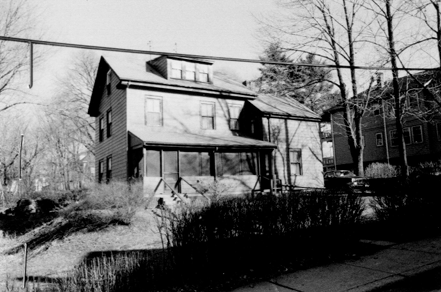
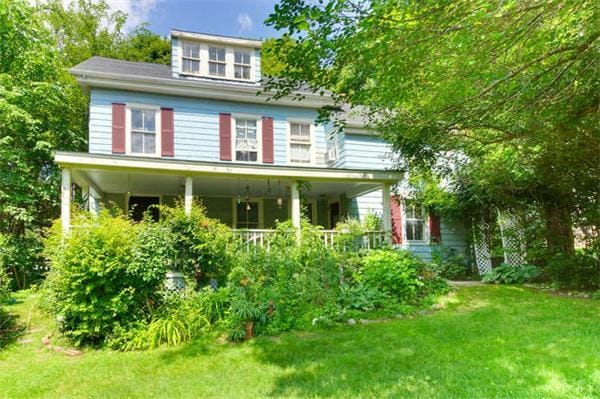
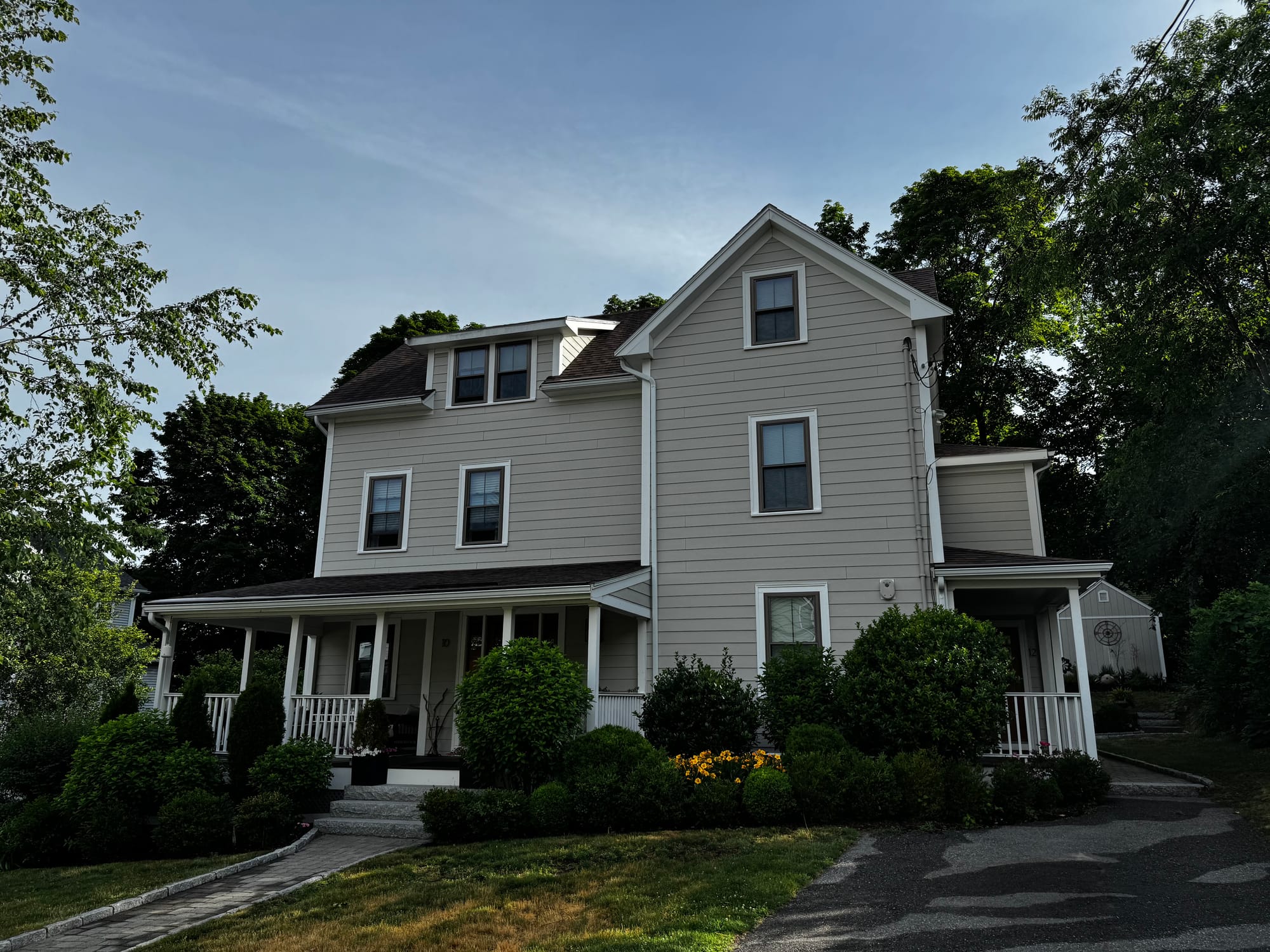
A look at 10-12 Bridge St. from a historic point-of-view, left, after a renovation, center, and then again prior to another renovation. COURTESY PHOTOS/WINCHESTER HISTORICAL COMMISSION
Home buyers and owners sometimes wonder about the impact of historic preservation measures, such as Winchester’s demolition delay bylaw, on property values. Numerous studies have shown that historic preservation in a neighborhood typically results in property values that increase at a greater rate than areas without historic preservation; these studies show that, at worst, there is no negative impact of historic preservation.
In addition to creating an attractive and charming neighborhood, preservation of older historic and architecturally significant homes provides assurance to prospective home buyers that the neighborhood character that attracted them in the first place is unlikely to change over time.
What do you know about Winchester?
Winchester and the surrounding Boston metro area are rich in the earliest history of the United States, from the original European settlers to these shores through the colonial period, the Revolutionary War and the Industrial Revolution to today.
Originally the lands of native Massachusetts tribes, the current community we know as Winchester originated with land grants to the Puritans from Charlestown starting in 1638, with the first house being built on the Aberjona River in 1640. The area was known as Waterfield at the time.
In 1642, a portion of Winchester was incorporated and became part of what was then known as South Woburn. The town began to grow in the early 1800s with rail access to Boston and was incorporated as Winchester in 1850.
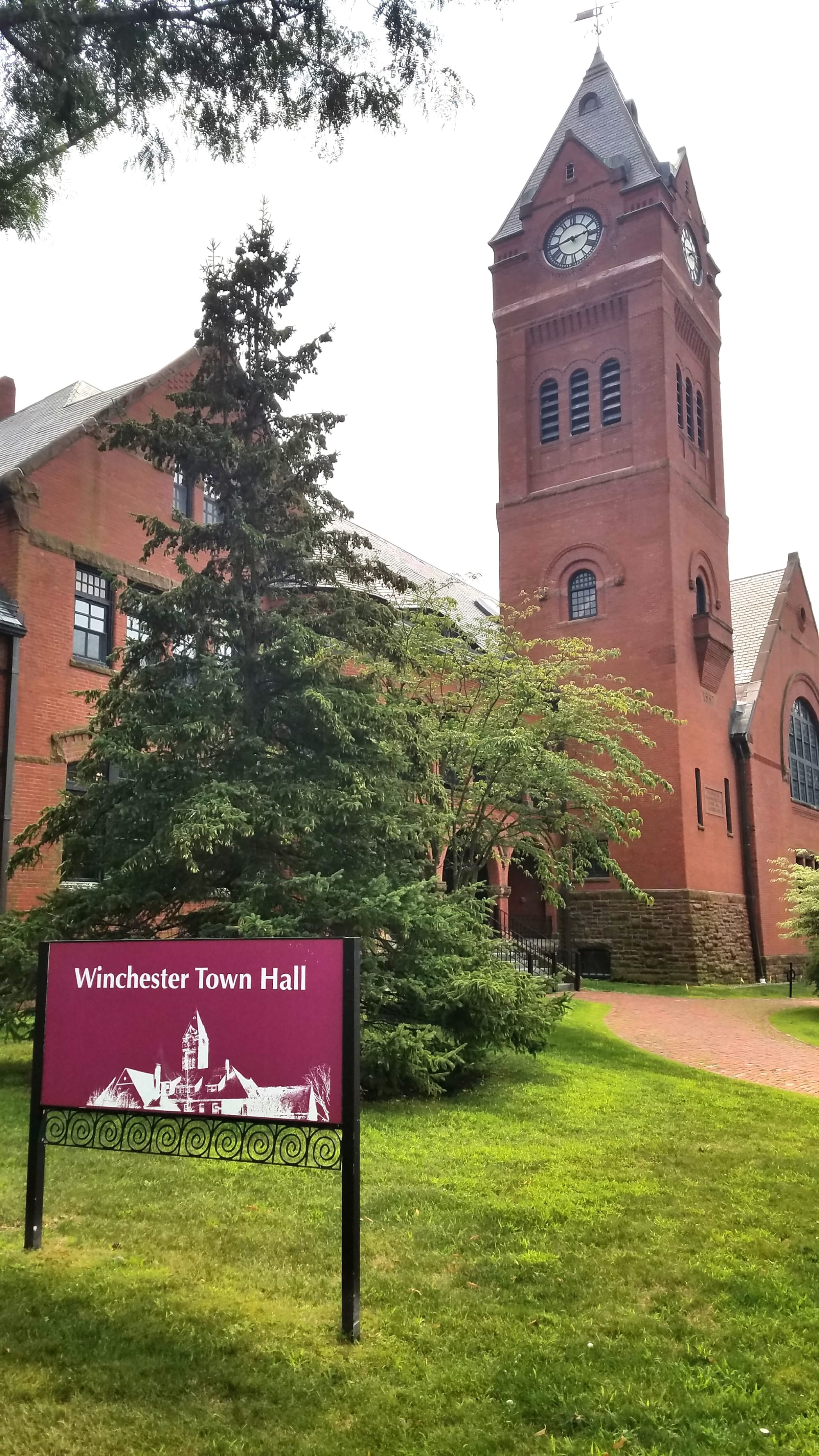
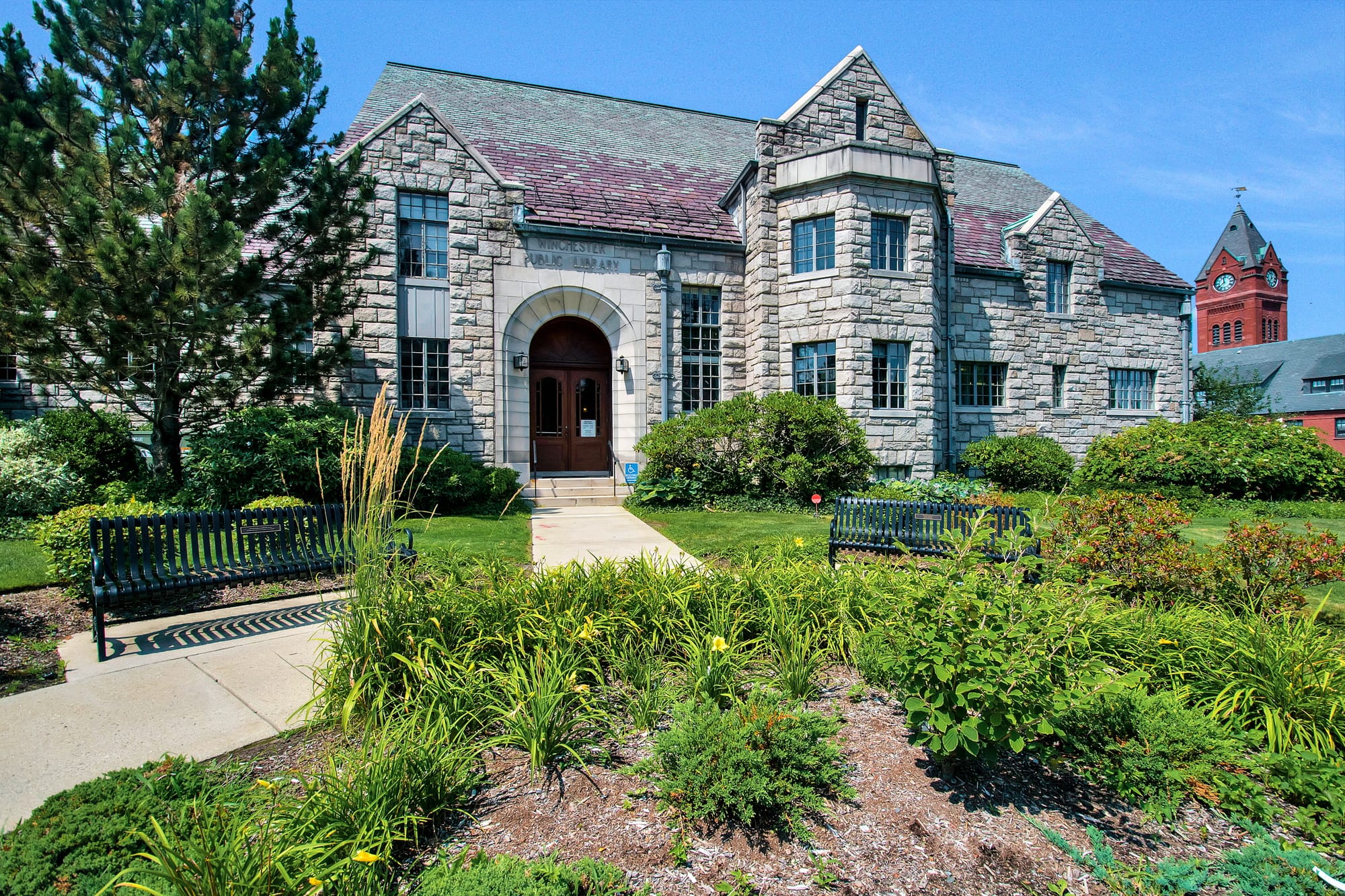
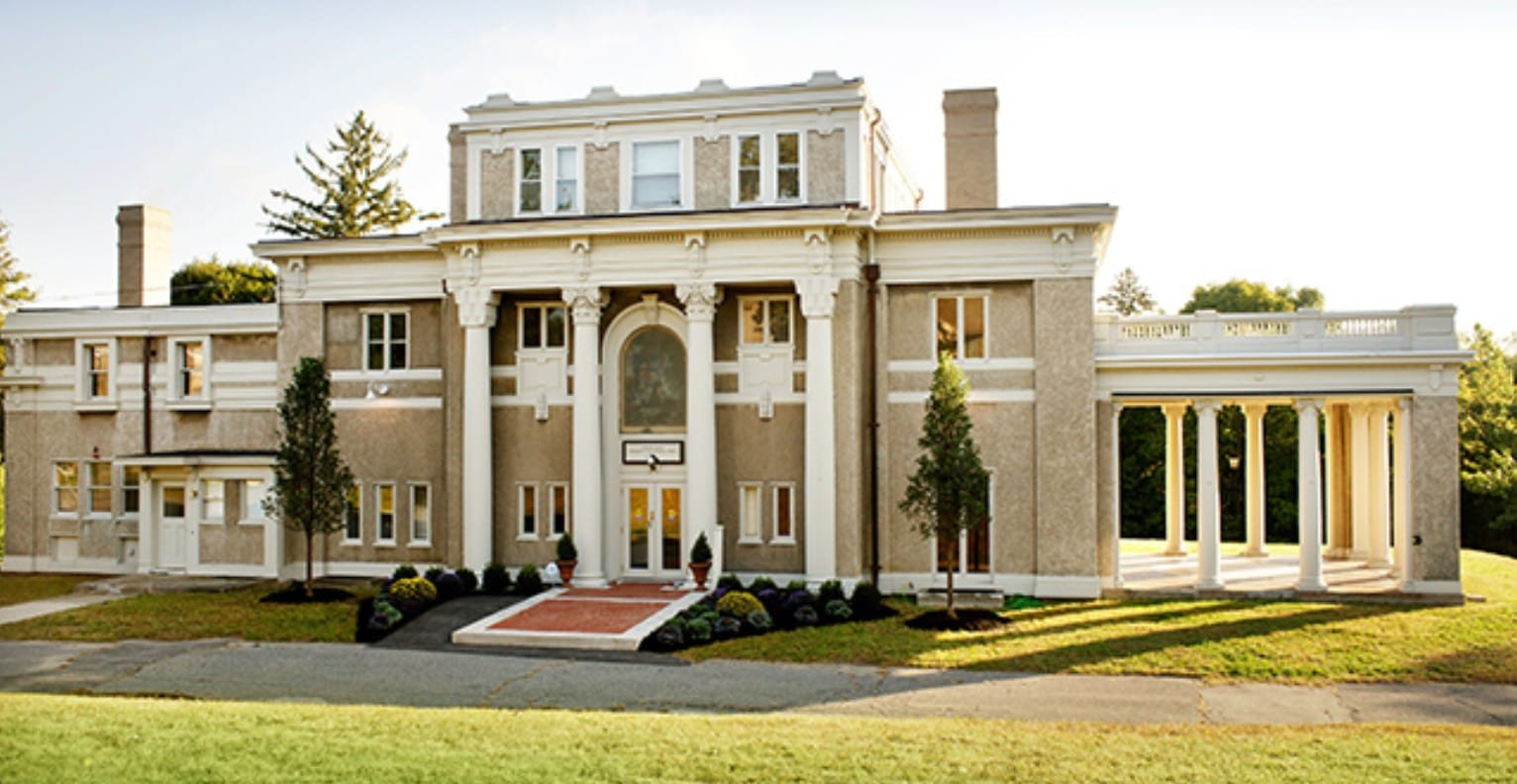
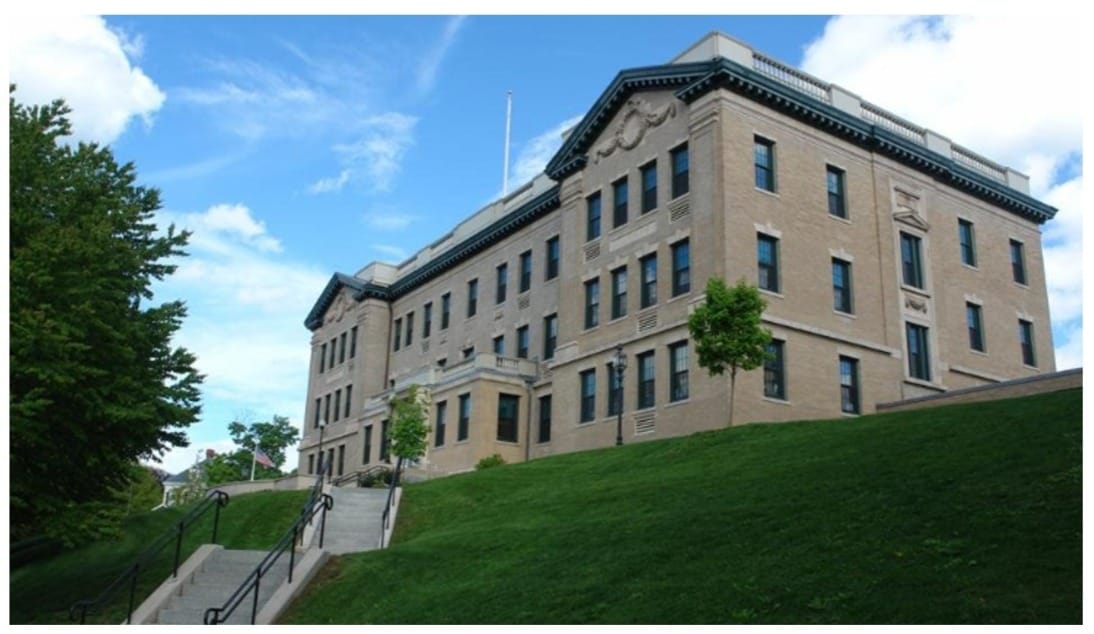
Winchester owns several historic buildings, including (clockwise from top) Town Hall, the Winchester Public Library, the Lincoln Elementary School and the Sanborn House. WINCHESTER NEWS FILE PHOTOS
A number of town buildings are historic, including the Winchester Town Hall (built in 1887), Lincoln Elementary School, originally a high school (1904), and the Winchester Public Library (1931).
Winchester’s Town Center has excellent examples of 19th century architecture, such as the Brown & Stanton Block (1886), housing the beloved Book Ends book shop.
Important town-owned historic properties include the Sanborn House (1907), managed by the Winchester Historical Society, and Wright-Locke Farm (farmhouse 1828), managed by a non-profit, Wright-Locke Farm Conservancy.
Winchester also has hundreds of historic residences. For example, the Symmes Corner area is replete with well-preserved historic homes.
Julie Broderick is a member of the Winchester Historical Commission.