Table of Contents
Inside the Griffin Museum, Debra “Sista Dee” Smith stood in white before a small seated audience, a projected image of a hammered steel drum behind her, and corrected an error she said follows the instrument nearly everywhere it travels.
“A lot of people don’t know that it’s from Trinidad. They don’t know that it came out of rebellion and slavery,” Smith said.
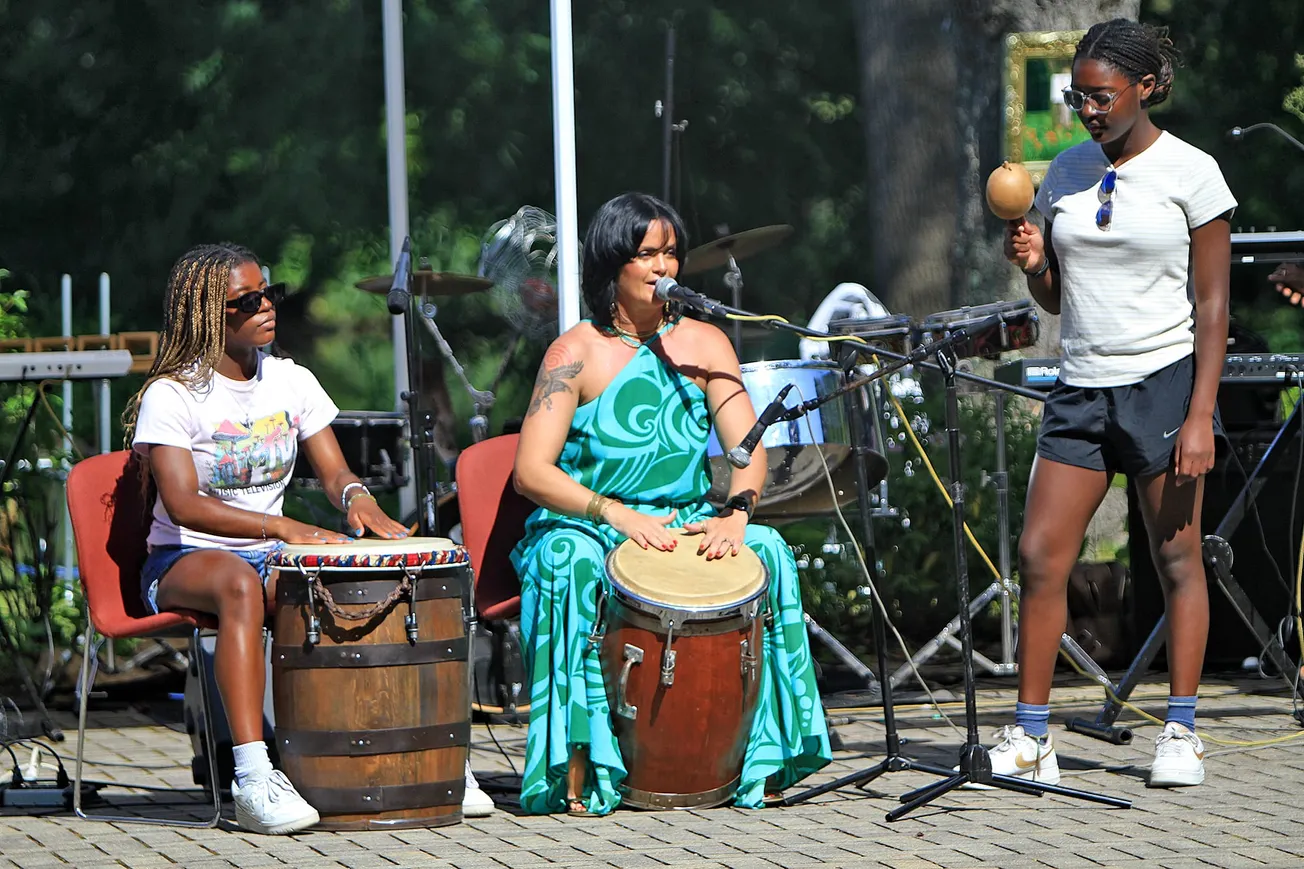
Her presentation was one strand of the AfroCaribe Festival, which Winchester Community Music School presented July 25 with Arts Winchester and the Griffin Museum at the Griffin Museum Terrace.
The free event ran from 2 p.m. to 5 p.m. and moved between African and Caribbean music, storytelling, Trinidadian history, Puerto Rican Bomba, drumming and hands-on art-making.
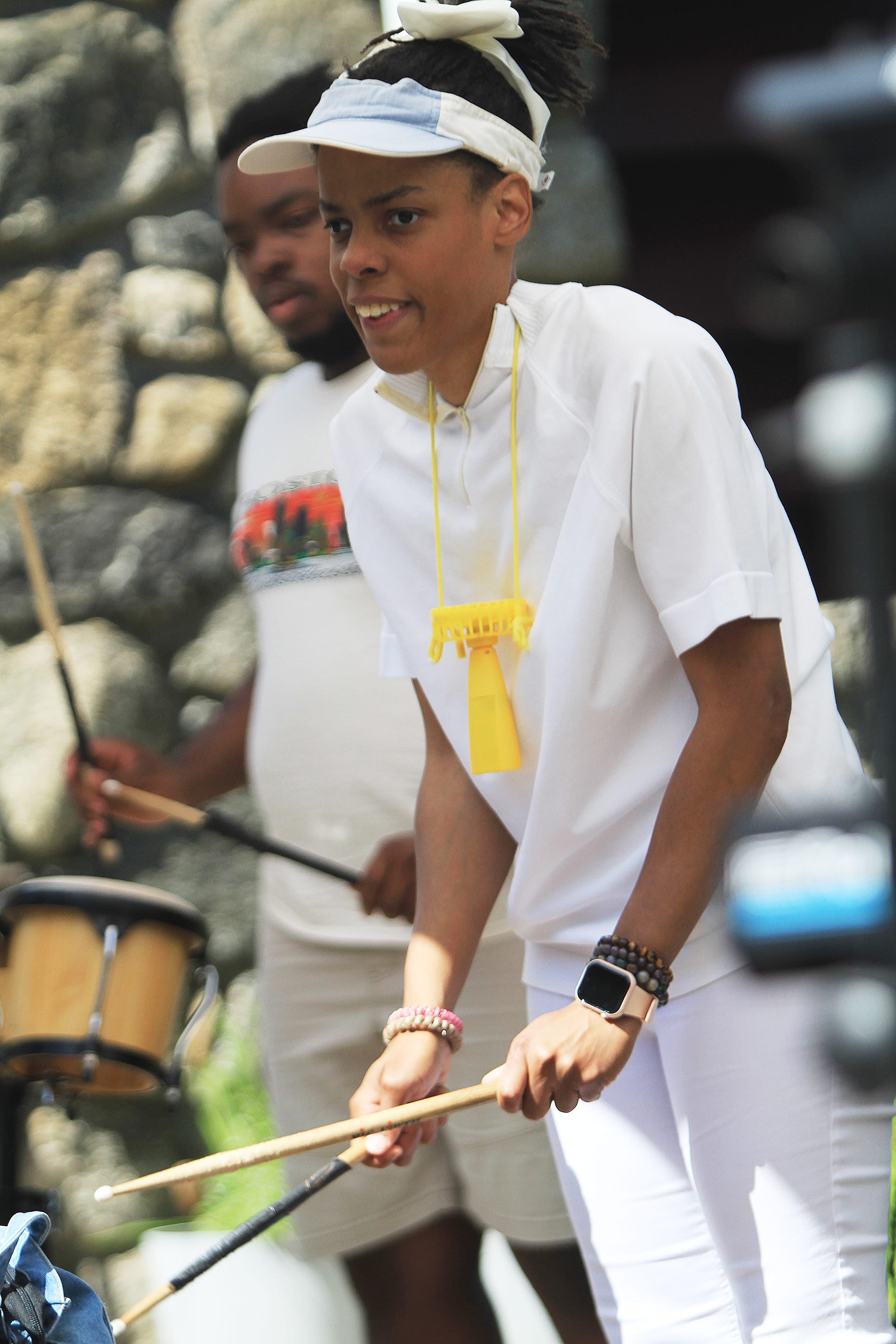
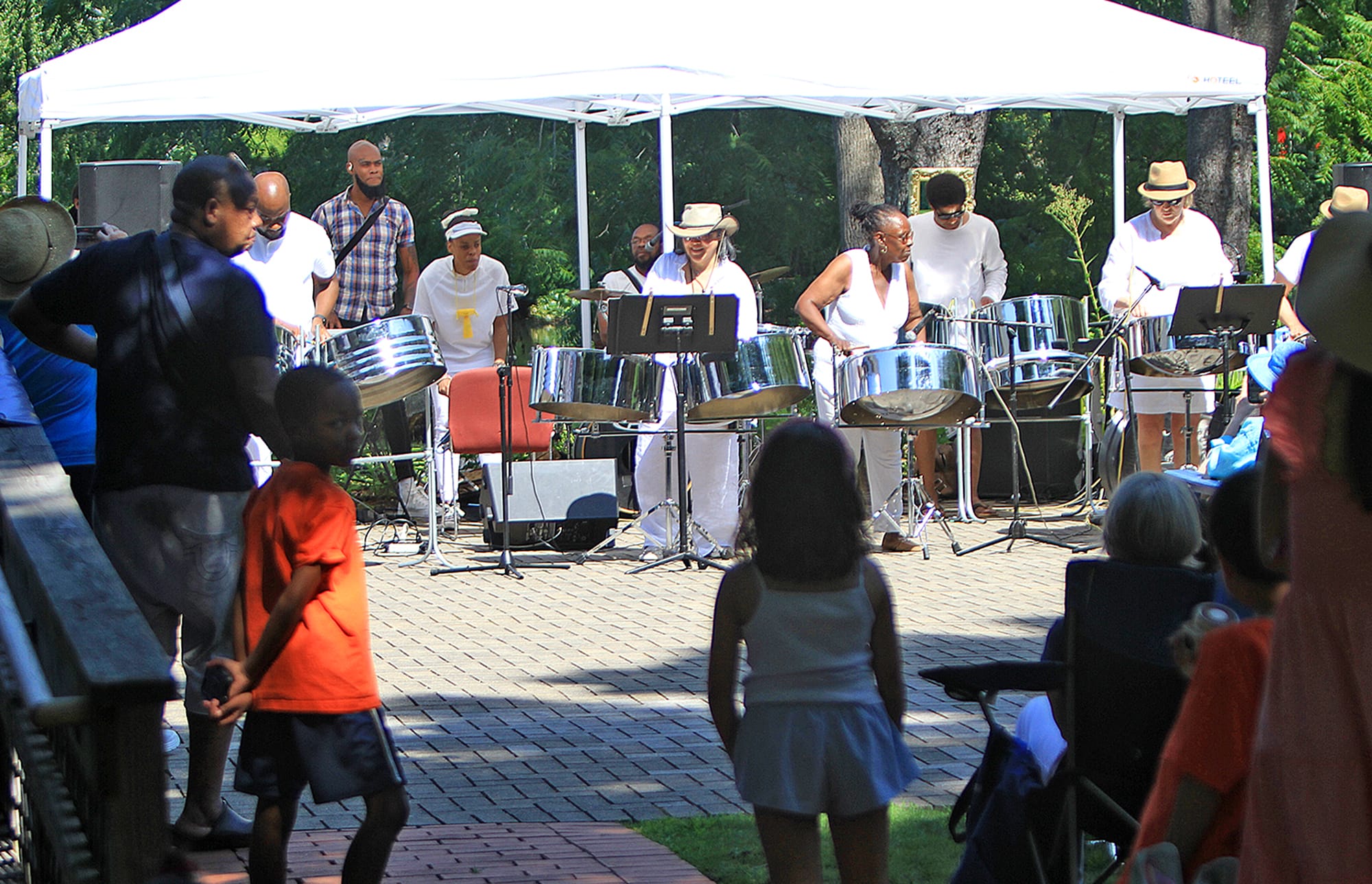
Smith and the Dis-N-Dat Band headlined with two sets. Yaya Inaru ni presented the cultural heritage of Bomba from Puerto Rico through storytelling, music, drumming and audience engagement in two sessions.
The school’s Wicked Steel ensemble played under Smith’s direction, and artist Linda Forsythe led visual-art activities through the afternoon.
Winchester Co-operative Bank, Winchester Rotary Club and the Winchester Cultural Council sponsored the festival.
Outside, the musicians worked beneath a canopy pitched against the museum’s stone wall. A trumpeter lifted a horn beside the wall, and drums and vocals carried out over the terrace.
Steel pans begin as oil barrels, Smith told the museum audience. The larger the playing area, the lower the notes. The lead pan carries the melody the way a lead instrument does in a band, she said, and the doubles sit in the alto range. A full bass set requires six drums because each one holds only three notes, and players who want octaves may use as many as 12.
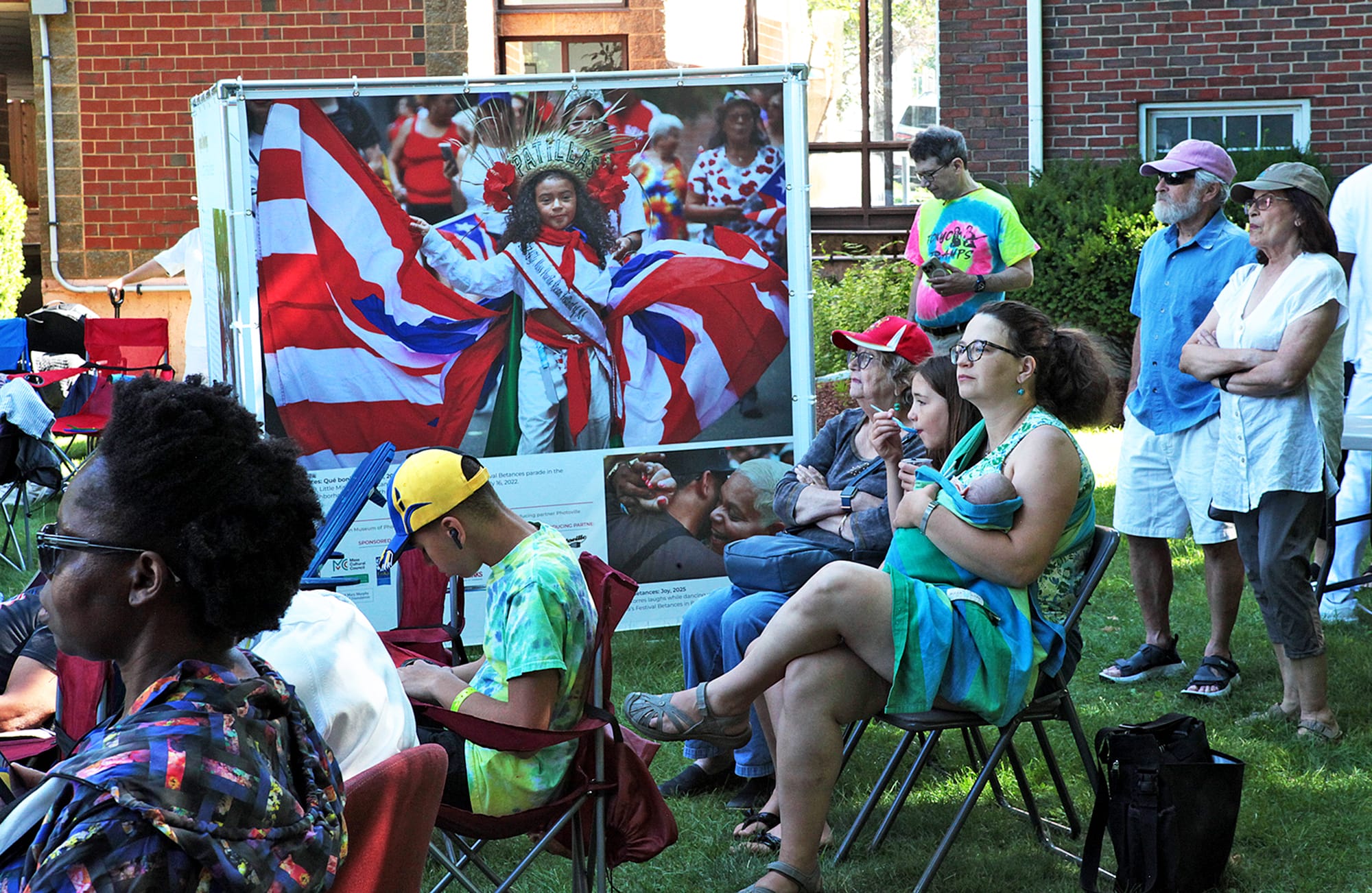
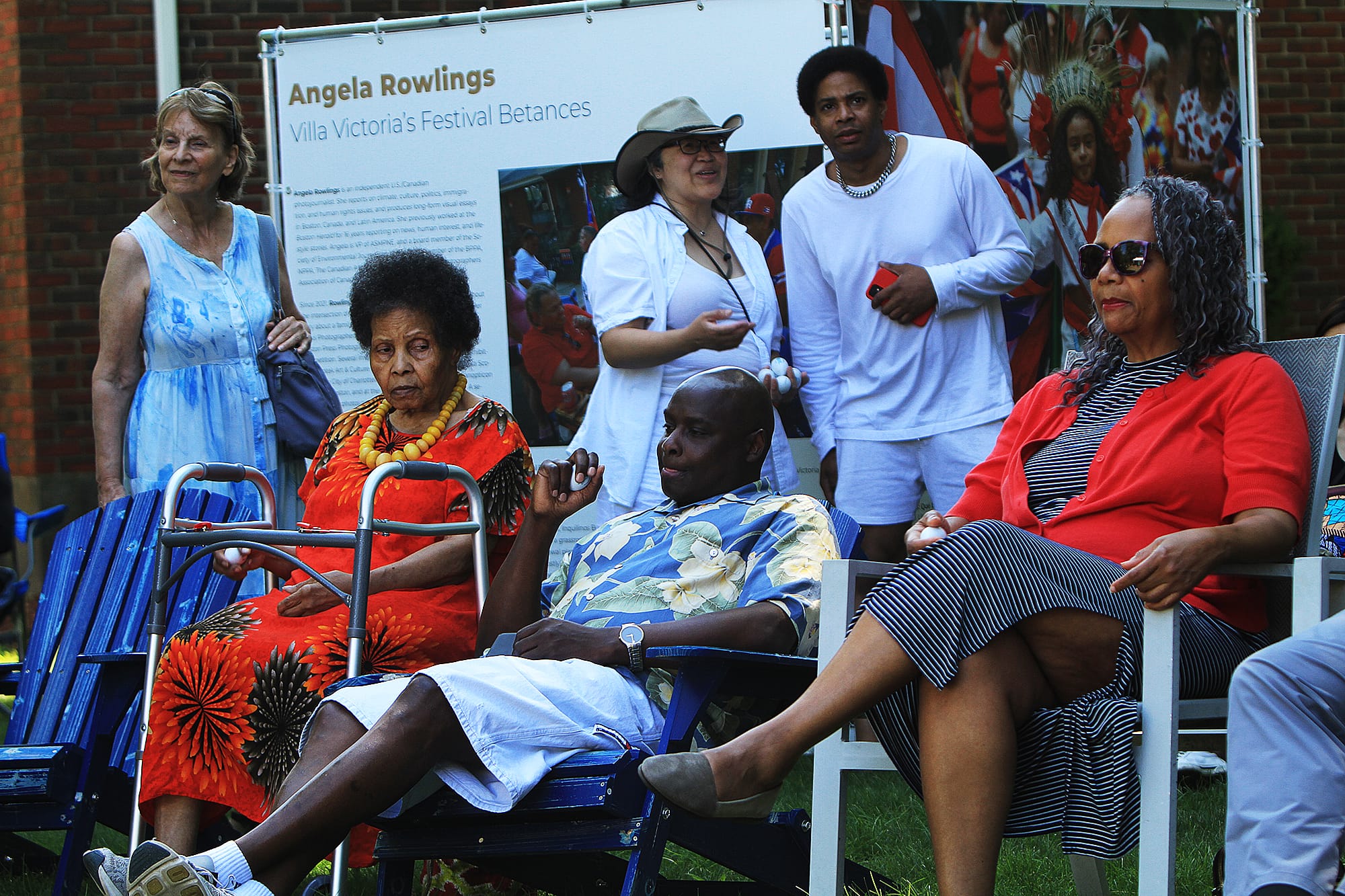
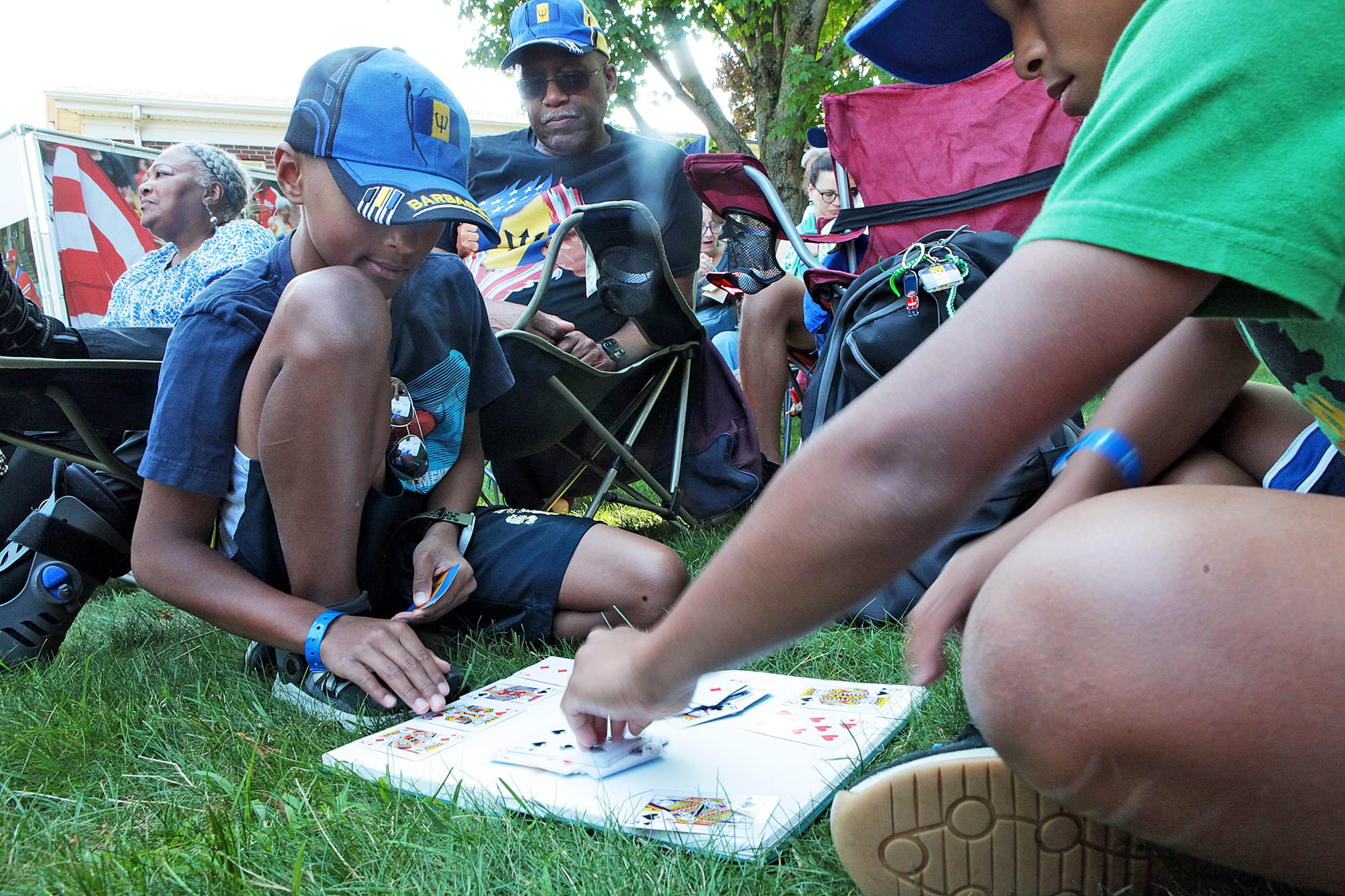
A gathered crowd listens to the music at the AfroCaribe Fest, held July 25, at the Griffin Museum of Photography. WINCHESTER NEWS STAFF PHOTOS/NICOLE GOODHUE BOYD
Smith is a performer, educator, producer, arranger, director and Winchester Community Music School faculty member, and said she delivers presentations like this one at colleges as well.
She would rather reach students earlier. Most of the players in her school ensemble had never touched a steel pan before they joined, she said, and the school keeps extra instruments for anyone who wants to try.
Marcus Smith, a drummer and singer with the band, grew up in Jamaica. Debra Smith is Trinidadian. The two are married, and he plays drums and sings in the group she leads and arranges.
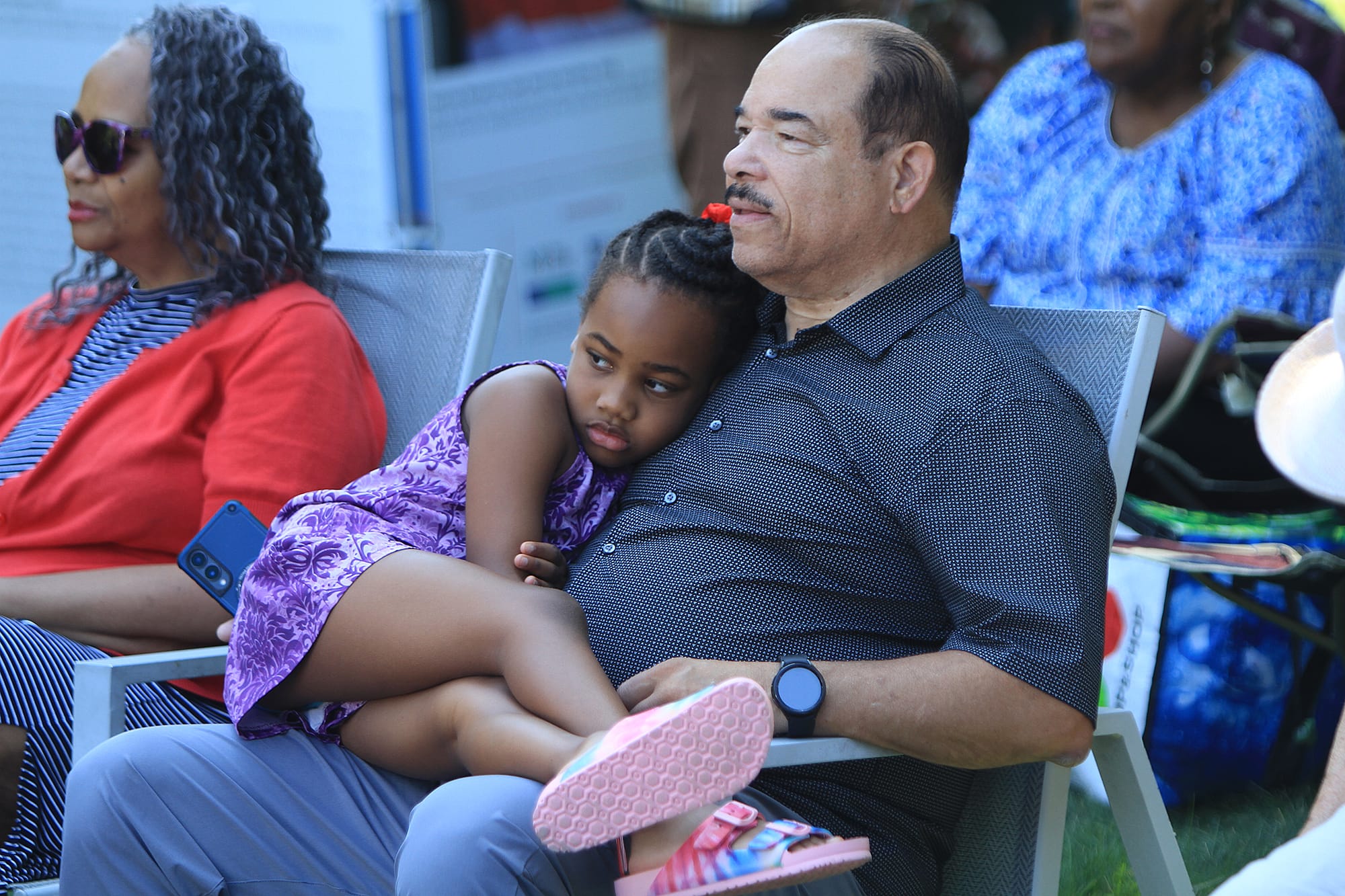
Asked what he feels onstage, he described a spirit that rises from inside him.
“It’s more my own vibe, my own spirit,” Marcus Smith said. “It makes me happy. It makes other people happy.”
The songs, he said, tend to return to love, peace and unity. He grew up listening to reggae, heavy metal, rap and jazz, and he said the band’s blend of traditions produces a sound neither country makes alone.
“It’s more like steel pan for soca and reggae for reggae vocals, and to put the two together is phenomenal,” he said.
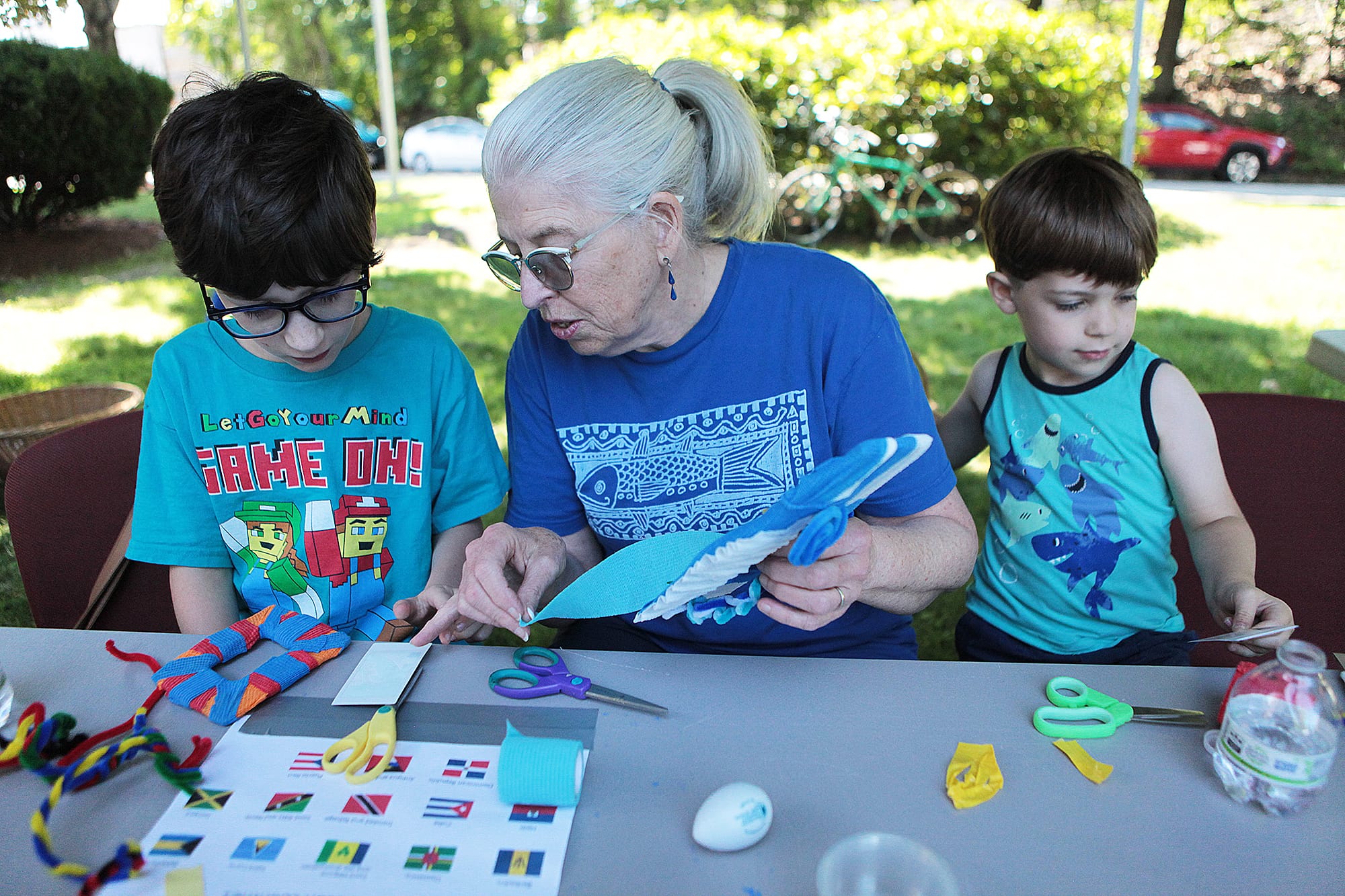
Earl Orlando Darlington, a Winchester resident, said the festival drew him because of his Caribbean background. His parents and all four of his grandparents came from Barbados, he said, and he grew up in a Caribbean neighborhood and attended a Caribbean church.
Outside Boston and Cambridge, he said, he had not come across programming like it.
Back in the museum, the questions ran toward pedagogy: whether public school music teachers know the instrument’s history, whether anyone without rhythm can learn it. Smith said the teachers often do not, and that the second question answers itself in her ensemble room every week.
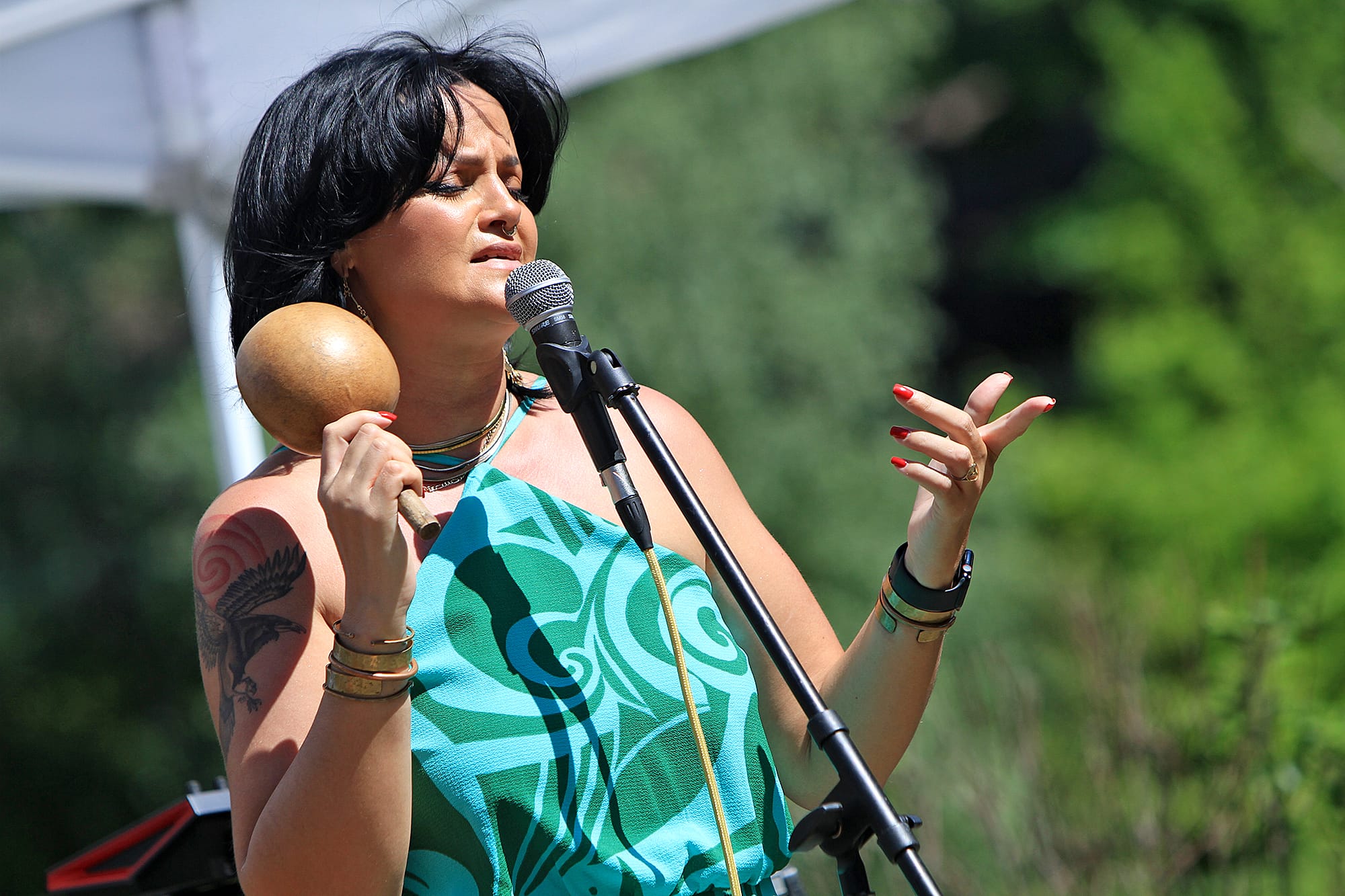
Outside, Smith was saving a celebratory number for the end of her 4:15 set, a song she planned to hand partly to the crowd.
Will Dowd is a Massachusetts journalist who covers municipal government and community life for Winchester News. He is also the founder and editor of The Marblehead Independent, a reader-funded digital newsroom.