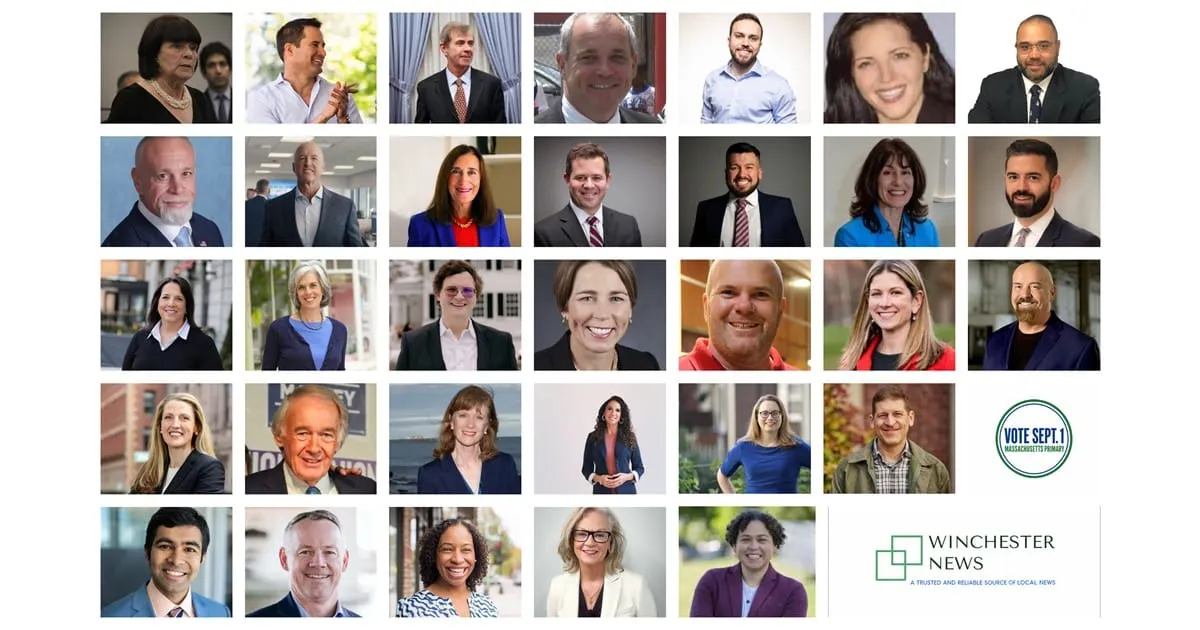
Table of Contents
Winchester voters will help decide more than a dozen offices in 2026, from the U.S. Senate down to the Middlesex register of probate.
This guide walks the ballot from the top down, but the races that matter most locally — and that are most contested — sit in the middle: two open state Senate seats that both touch Winchester and that both came open this year when their longtime senators announced they would not run again.
Each office entry tells you who is running, what is at stake and where the candidates differ. The marquee Senate races get full candidate profiles, direct quotations and side-by-side comparisons. Down-ballot and statewide races get the essential facts confirmed through official candidate lists, with a note where reporting is still being gathered.
A short reminder on what this guide is and is not: it is a reporting archive, not an endorsement. Quotations are drawn from Winchester News interviews and campaign events. Where a candidate makes a claim about a record or a result, the claim is attributed to that candidate and has not been independently verified unless noted.
Key dates
State primary: Tuesday, Sept. 1, 2026 General election: Tuesday, Nov. 3, 2026 Candidate-reporting cutoff for this guide: June 18, 2026
Deadlines at a glance
| Election milestone | State primary | General election |
|---|---|---|
|
Voter registration deadline Register or update online How to register |
Saturday, Aug. 22, 2026 (online until 11:59 p.m.; in-person or mail postmarked by 5 p.m.) | Saturday, Oct. 24, 2026 (online until 11:59 p.m.; in-person or mail postmarked by 5 p.m.) |
|
Last day to change party enrollment How to vote in a primary |
Saturday, Aug. 22, 2026 | N/A (party affiliation does not affect general-election ballots) |
|
In-person early voting window State early voting info Winchester early voting hours |
Aug. 22-28, 2026 | Oct. 17-30, 2026 |
|
Vote-by-mail application deadline Vote by mail |
Tuesday, Aug. 25, 2026 (application must be received by 5 p.m.) | Tuesday, Oct. 27, 2026 (application must be received by 5 p.m.) |
|
Ballot return deadline (mail or drop box) Track your mail-in ballot Find a drop box or your local election office |
Tuesday, Sept. 1, 2026 (must be received by 8 p.m., close of polls) | Tuesday, Nov. 3, 2026 (must be postmarked by Election Day and received by Nov. 6 at 8 p.m.) |
|
Election Day (polls open 7 a.m. to 8 p.m.) Find your polling place |
Tuesday, Sept. 1, 2026 | Tuesday, Nov. 3, 2026 |
Because the primary has not yet happened, the general-election party nominees in contested races are not yet known.
In Massachusetts, the Democratic primary is often decisive in the districts that cover Winchester, so the September contest deserves as much attention as November.
A crucial local quirk: Winchester sits in two Senate districts
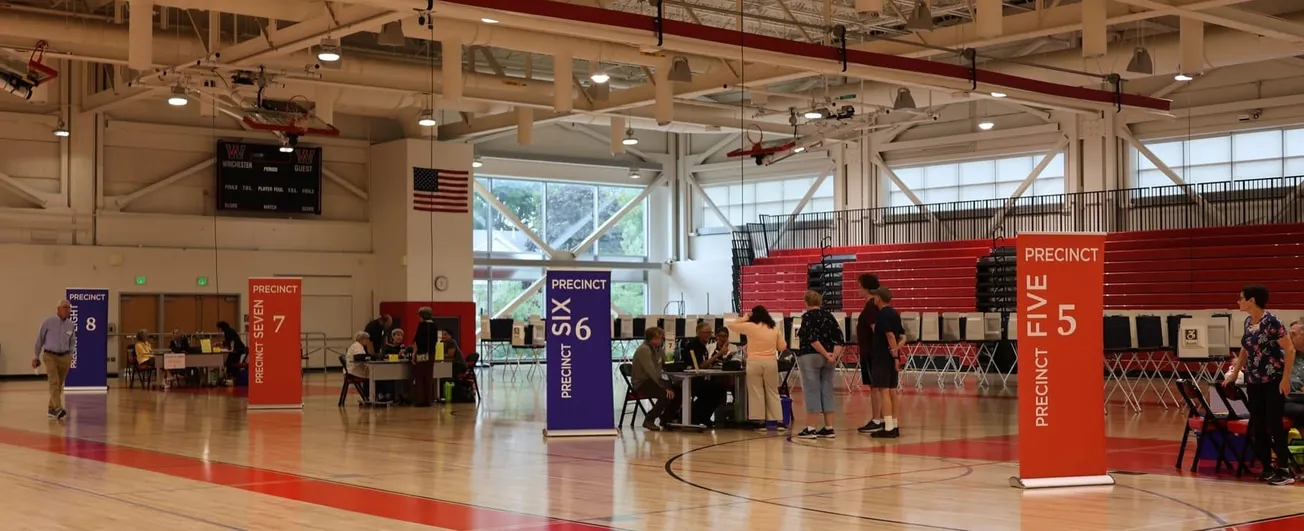
Winchester is split between two state Senate districts, and which one you vote in depends on your precinct. (Look up Massachusetts districts) This is the single most important thing for a Winchester voter to know in 2026, because both seats are open and both feature crowded fields.
Second Middlesex District includes Winchester precincts four through seven, along with Somerville, Medford and parts of Cambridge. The seat is being vacated by Sen. Pat Jehlen.
Fifth Middlesex District includes Winchester precincts one, two, three and eight, along with Malden, Melrose, Reading, Stoneham and Wakefield. The seat is being vacated by Sen. Jason Lewis.
Check your precinct before the primary. Winchester precinct maps Check your voter registration and precinct. You will see only one of these two Senate races on your ballot, and the candidates do not overlap.
The ballot at a glance
Party labels reflect the primary each candidate filed in. General-election matchups in contested offices will be set by the Sept. 1 primary.
| Office | District / scope | Candidates (party) | Incumbent |
|---|---|---|---|
| U.S. Senate | Massachusetts | Edward J. Markey (D), Seth Moulton (D), John Deaton (R) | Markey |
| U.S. House | Massachusetts 5th | Katherine M. Clark (D), Tarik Samman (D), Jonathan Paz (D) | Clark |
| Governor | Massachusetts | Maura Healey (D), Michael Roger Minogue (R), Brian Shortsleeve (R) | Healey |
| Lieutenant governor | Massachusetts | Kimberley Driscoll (D), Ann Manning Martin (R), Shawn Oliver (R) | Driscoll |
| Attorney general | Massachusetts | Andrea Joy Campbell (D), Michael C. Walsh (R) | Campbell |
| Secretary of the commonwealth | Massachusetts | William Francis Galvin (D) | Galvin |
| Treasurer | Massachusetts | Deborah B. Goldberg (D), Elizabeth Dionne (R) | Goldberg |
| State auditor | Massachusetts | Diana DiZoglio (D) | DiZoglio |
| Governor's Council | District 6 | Terrence W. Kennedy (D), Diann Mary Baylis (D) | Kennedy |
| State Senate | Second Middlesex Winchester precincts 4-7, plus Somerville, Medford and parts of Cambridge. Precinct maps | Tom Hopcroft, Christine P. Barber, Matthew McLaughlin, Burhan Azeem, Erika Uyterhoeven (all D) | Open seat (Jehlen retiring) |
| State Senate | Fifth Middlesex Winchester precincts 1, 2, 3 and 8, plus Malden, Melrose, Reading, Stoneham and Wakefield. Precinct maps | Ryan J. O'Malley, Kate Lipper-Garabedian, Carey McDonald (all D) | Open seat (Lewis retiring) |
| State representative | 31st Middlesex | Michael S. Day (D), Stephen G. Ternullo (R) | Day |
| State representative | 15th Middlesex | Michelle L. Ciccolo (D) | Ciccolo |
| District attorney | Middlesex (Northern District) | Marian T. Ryan (D), David Marc Solet (D) | Ryan |
| Register of probate | Middlesex County | Tara E. DeCristofaro (D) | Open seat |
Party labels reflect the primary each candidate filed in. General-election matchups in contested offices will be set by the Sept. 1 primary. Winchester is split between two state Senate districts; you will see only one of those races on your ballot. Candidate list current as of June 18, 2026.
Part 1: The marquee races — two open Senate seats
For 20 years, Winchester’s two state senators were fixtures. In the span of a few months, both announced they were done. That turned 2026 into the most consequential state-legislative year the town has seen in a generation, and it produced two very different contests.
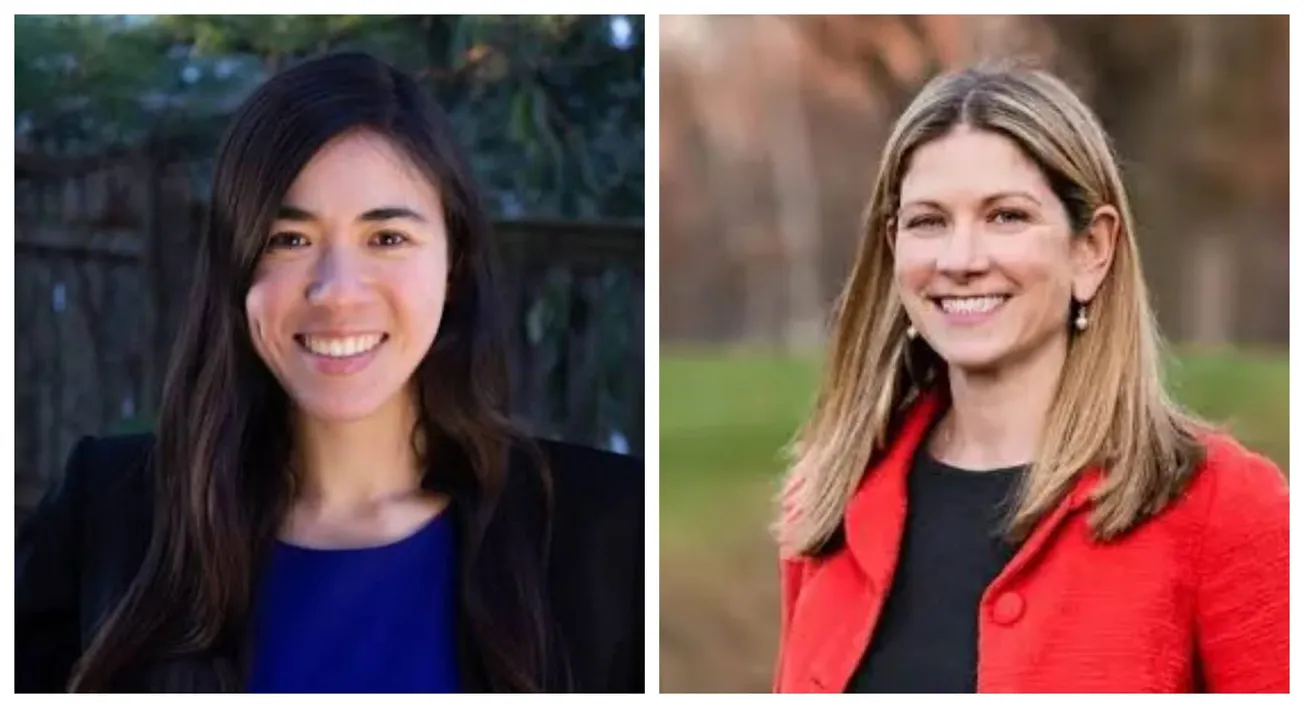
The 2nd Middlesex District race became a crowded, five-way Democratic scramble spanning Winchester, Somerville, Cambridge and Medford political bases. The 5th Middlesex District race narrowed to three candidates with sharply different governing résumés.
Affordability is the shared frame across both, but the candidates diverge on whether the answer is legislative experience, municipal-finance realism, transparency reform or building more of everything.
State Senate, Second Middlesex District
The seat: Open. Sen. Pat Jehlen, a Somerville Democrat first elected to the state Senate in 2005, announced in November 2025 that she would not seek re-election after representing the district for two decades.
The district: Somerville, Medford, parts of Cambridge and Winchester precincts four through seven.
The field: Four Democrats. The primary is Sept. 1.
The candidates largely agree on values — most acknowledge they would vote the same way on most bills — so the contest is really about biography, method and base.
Christine Barber and Erika Uyterhoeven offer legislative records. Burhan Azeem offers a building-and-delivery “abundance” pitch. Matthew McLaughlin offers a working-class Somerville story and 12 years of municipal frustration.
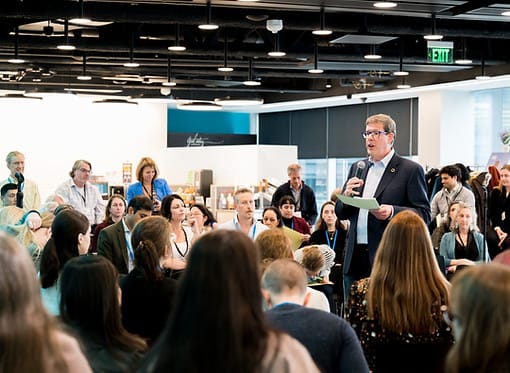
Tom Hopcroft (D) (withdrawn)
A Winchester School Committee member and a longtime technology and climate-sector leader, Hopcroft entered the race in early January as the field’s Winchester candidate, but withdrew in July.
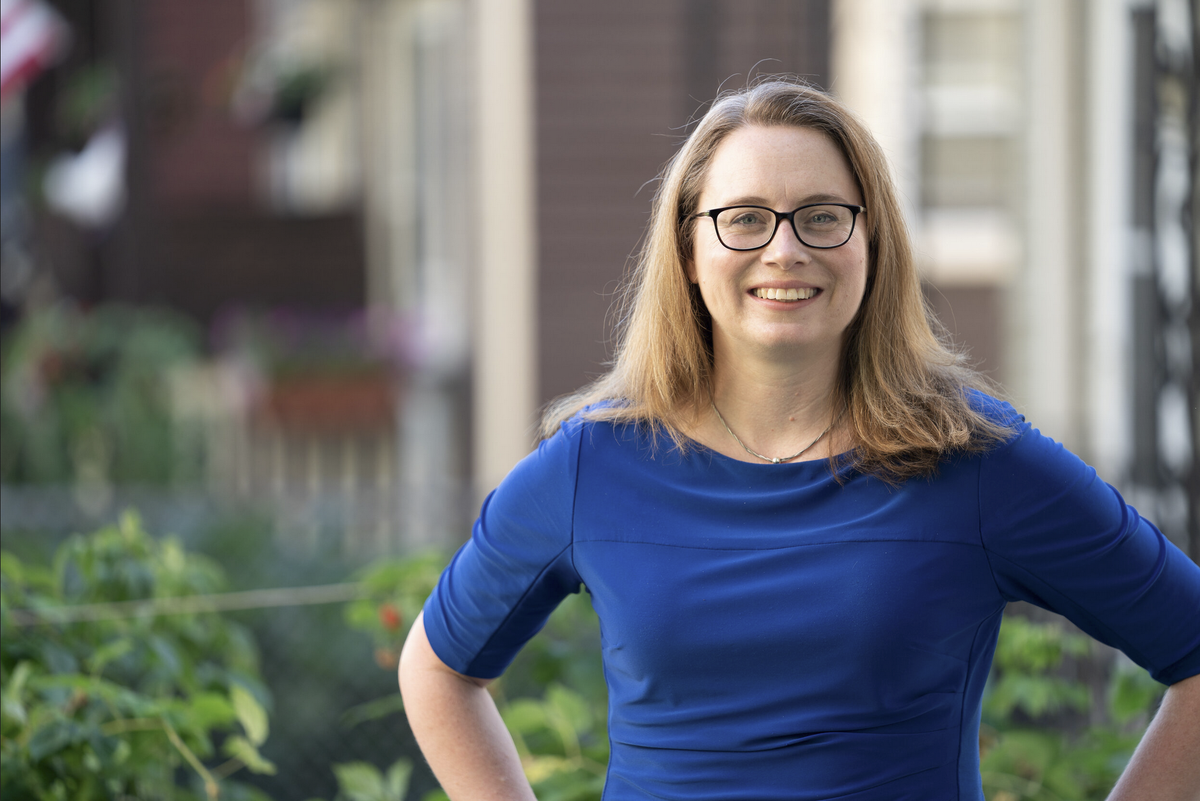
Christine Barber (D)
A state representative for the 34th Middlesex District since 2015 and chair of the Joint Committee on Environment and Natural Resources, Barber, 47, of Somerville, pitches herself as ready to deliver progressive results on day one and as a natural continuation of Jehlen’s legacy.
She grew up in North Kingston, R.I., the daughter of a public school teacher and a manufacturing worker, and came to politics through community organizing on food insecurity and homelessness.
A former health policy expert at Community Catalyst, she helped draft the state’s 2006 health reform law and worked on coalitions to pass the Affordable Care Act.
Her legislative record includes a co-pay cap for chronic-disease drugs, the Work and Family Mobility Act allowing undocumented immigrants to obtain driver’s licenses, pay-equity and menstrual-equity laws co-sponsored with Jehlen, and the Green Line Extension into Somerville and Medford.
“I met amazing people doing the work, and it really sparked my love for activism and working more on policy change to actually address the root causes of many of these issues.”
“Many people have gotten licenses because of it, and our roads are safer because more people have licenses and insurance, and it's been really successful.”
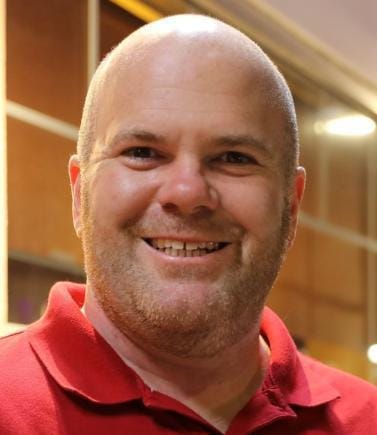
Matthew McLaughlin (D)
A seventh-term Somerville Ward 1 city councilor, McLaughlin, 44, is the field’s working-class biography candidate. He grew up in a Somerville that outsiders called “Slummerville,” lost his custodian father at 12 and watched his mother work nights cleaning at the Massachusetts Institute of Technology.
He served two tours in Iraq as an Army military journalist, graduated from Tufts University on the GI Bill and is now a Harvard Kennedy School master’s degree candidate.
His council record centers on housing — inclusionary zoning, a triple-decker ordinance — and on harm reduction, including a push to equip first responders with the overdose-reversal drug Narcan. His argument for going to Beacon Hill is institutional frustration: he says Somerville’s Home Rule petitions for tenant protections and housing authority routinely die at the State House.
“We’re reaching our limit for what we as a city can do to address an affordability crisis. We need the state to do something.”
“I’ve told stories about friends dying on the streets, and have people like say, ‘Thank you for coming, thank you for your testimony,’ and then nothing happens.”
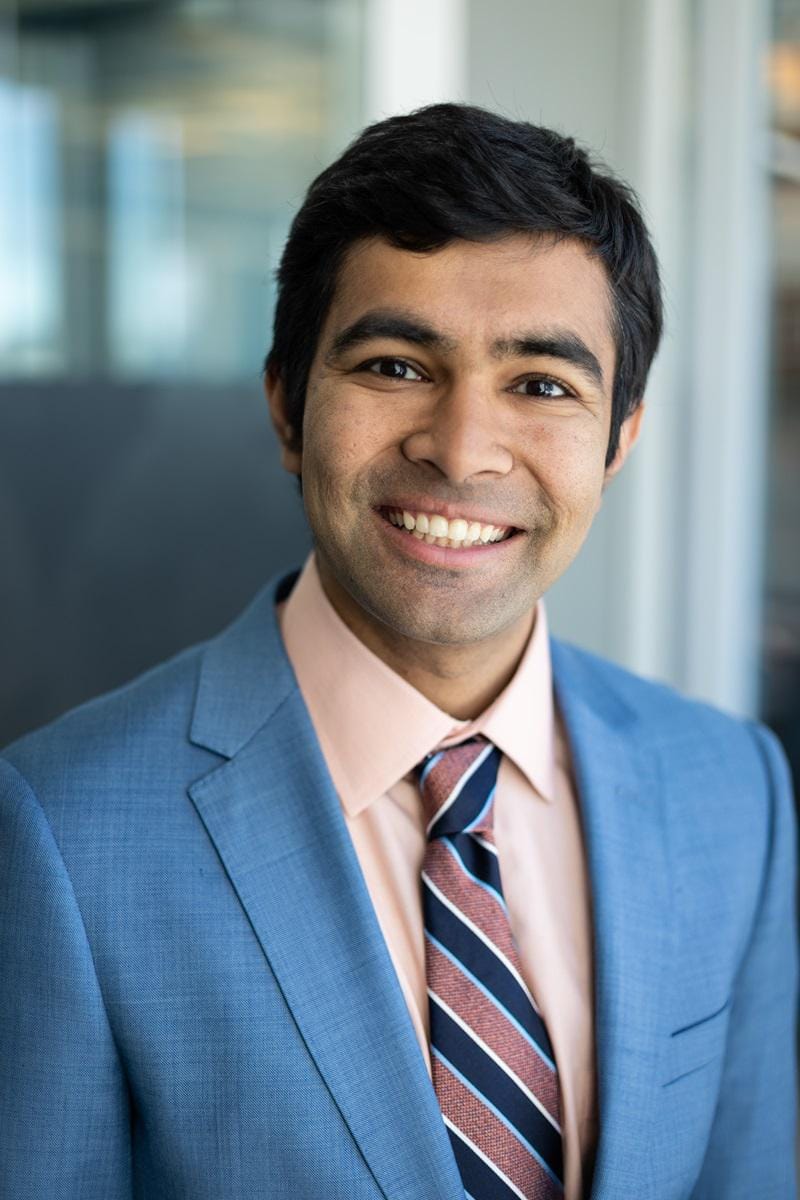
Burhan Azeem (D)
The Cambridge vice mayor and a city councilor since 2021, Azeem, 29, runs on what he calls a philosophy of abundance" — the idea that affordability and progressive goals align if government focuses on building and delivering.
He has named housing, transit, child care and utility costs as his top priorities, and he points to a council record that includes eliminating parking mandates, expanding the city's affordable housing overlay and passing a multifamily housing ordinance that drew coverage in The Economist.
He is sharply critical of State House secrecy, contrasting it with the open-meeting rules that bind the state's 351 municipalities. Azeem formally announced Feb. 18.
“Right now, we settle for managing problems instead of solving them.”
“Metro Boston has a GDP of Poland. We should be able to have a functioning transit system.”
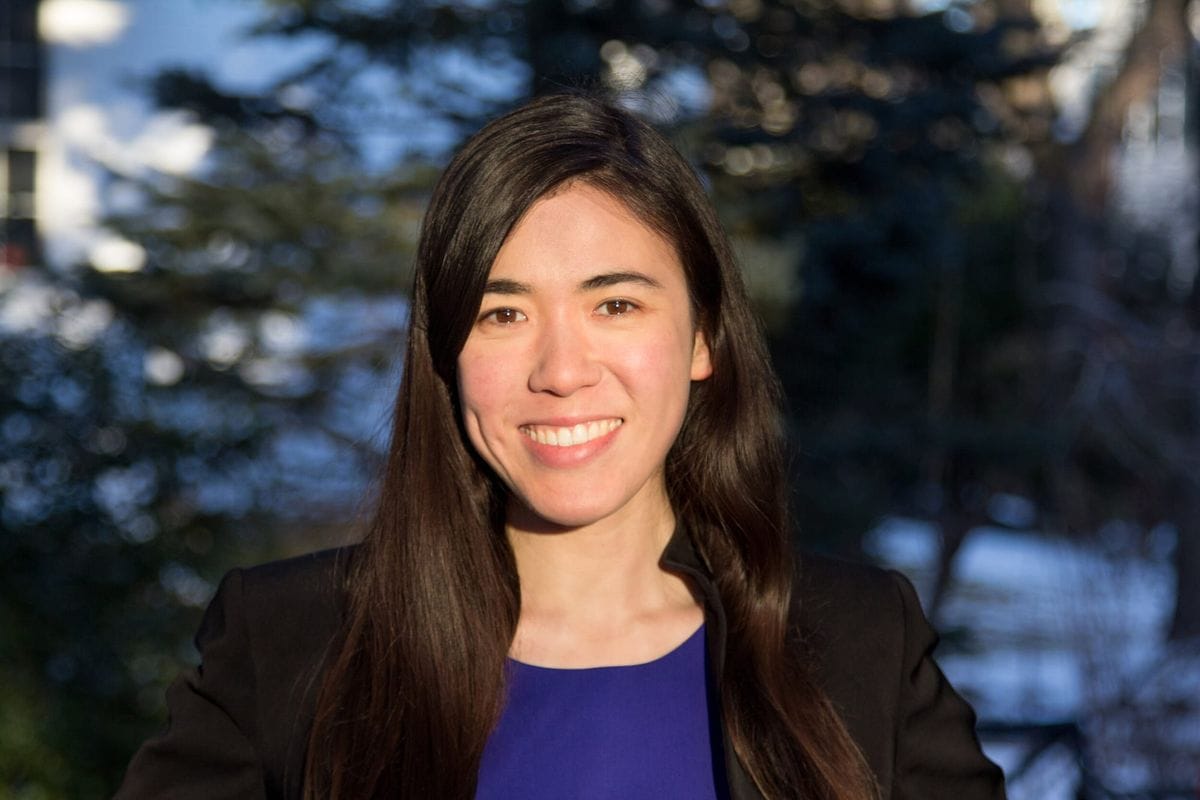
Erika Uyterhoeven (D)
A state representative for the 27th Middlesex District serving her third term, Uyterhoeven entered the race in March at the Medford/Tufts MBTA station and is the field's insurgent-transparency candidate.
The daughter of immigrants raised by a single mother, she frames politics as organizing against entrenched interests. She points to her role in making all committee votes public — a reform her campaign says recently allowed advocates to block an energy bill she characterized as written by corporate polluters — and to investigations she has published, including one into the Healey administration’s contract to deploy OpenAI’s ChatGPT to state employees.
She links data-privacy and immigrant-protection fights together, citing the detention of Somerville resident Rümeysa Öztürk, and she entered the race with early endorsements from the Massachusetts Teachers Association, International Brotherhood of Electrical Workers Local 2222 and several area councilors.
“Now we’re going to open every door on Beacon Hill and build a Massachusetts where everyone truly belongs.”
“I learned from a young age that workers, immigrants, and strong women like my mom, we aren't going to win by asking nicely.”
Second Middlesex: where they differ
| Candidate | The pitch | Signature issues |
|---|---|---|
| Tom Hopcroft (D) Winchester School Committee member; technology and climate-sector leader. The only Winchester resident in the race. | Systems thinking over ideology: zoom out, find leverage points and pull together interests that do not usually share a table. | Federal threats to research funding and the local economy that depends on it; Beacon Hill transparency, specifically committee process rather than floor votes. |
| Christine P. Barber (D) State representative, 34th Middlesex, since 2015; chair, Joint Committee on Environment and Natural Resources. Somerville. | Ready to deliver progressive results on day one, and the natural continuation of Jehlen's legacy. | Health policy and cost relief, including a co-pay cap for chronic-disease drugs; the Work and Family Mobility Act; pay and menstrual equity; the Green Line Extension. |
| Matthew McLaughlin (D) Somerville Ward 1 city councilor, seventh term. Army veteran; Harvard Kennedy School master's candidate. | Institutional frustration: the city has reached the limit of what it can do alone, and Somerville's Home Rule petitions keep dying at the State House. | Housing, including inclusionary zoning and a triple-decker ordinance; harm reduction, including equipping first responders with Narcan. |
| Burhan Azeem (D) Cambridge vice mayor; city councilor since 2021. | A "philosophy of abundance" — affordability and progressive goals align if government focuses on building and delivering rather than managing problems. | Housing, transit, child care and utility costs; eliminating parking mandates and expanding the affordable housing overlay; State House secrecy measured against municipal open-meeting rules. |
| Erika Uyterhoeven (D) State representative, 27th Middlesex, third term. Somerville. | Insurgent transparency: politics as organizing against entrenched interests rather than asking nicely. | Making committee votes public; investigations into state contracting, including the Healey administration's ChatGPT deployment; data privacy and immigrant protection; funding transit through the millionaires' tax. |
All five are running in the Sept. 1 Democratic primary, and most acknowledge they would vote the same way on most bills; the contest is largely about biography, method and base. Descriptions are drawn from Winchester News interviews and campaign events. Claims candidates make about their own records are attributed to them and have not been independently verified.
State Senate, Fifth Middlesex District
The seat: Open. Sen. Jason Lewis, of Winchester, announced Feb. 24 that he would not seek re-election. (Announcement coverage) Lewis had held the seat since making the jump from the House to the Senate in 2013, and he chaired the Education Committee.
The district: Malden, Melrose, Reading, Stoneham, Wakefield and Winchester precincts one, two, three and eight. Malden carries the largest share of the district’s registered voters, a fact that has shaped the early field.
The field: Three Democrats. The Sept. 1 primary is likely decisive in the reliably Democratic district.
This is a contest among three different governing résumés: a policy-heavy state representative, an accountability-focused city councilor and a municipal-finance specialist. Two of the three are Malden city councilors, reflecting that city’s weight in the district.
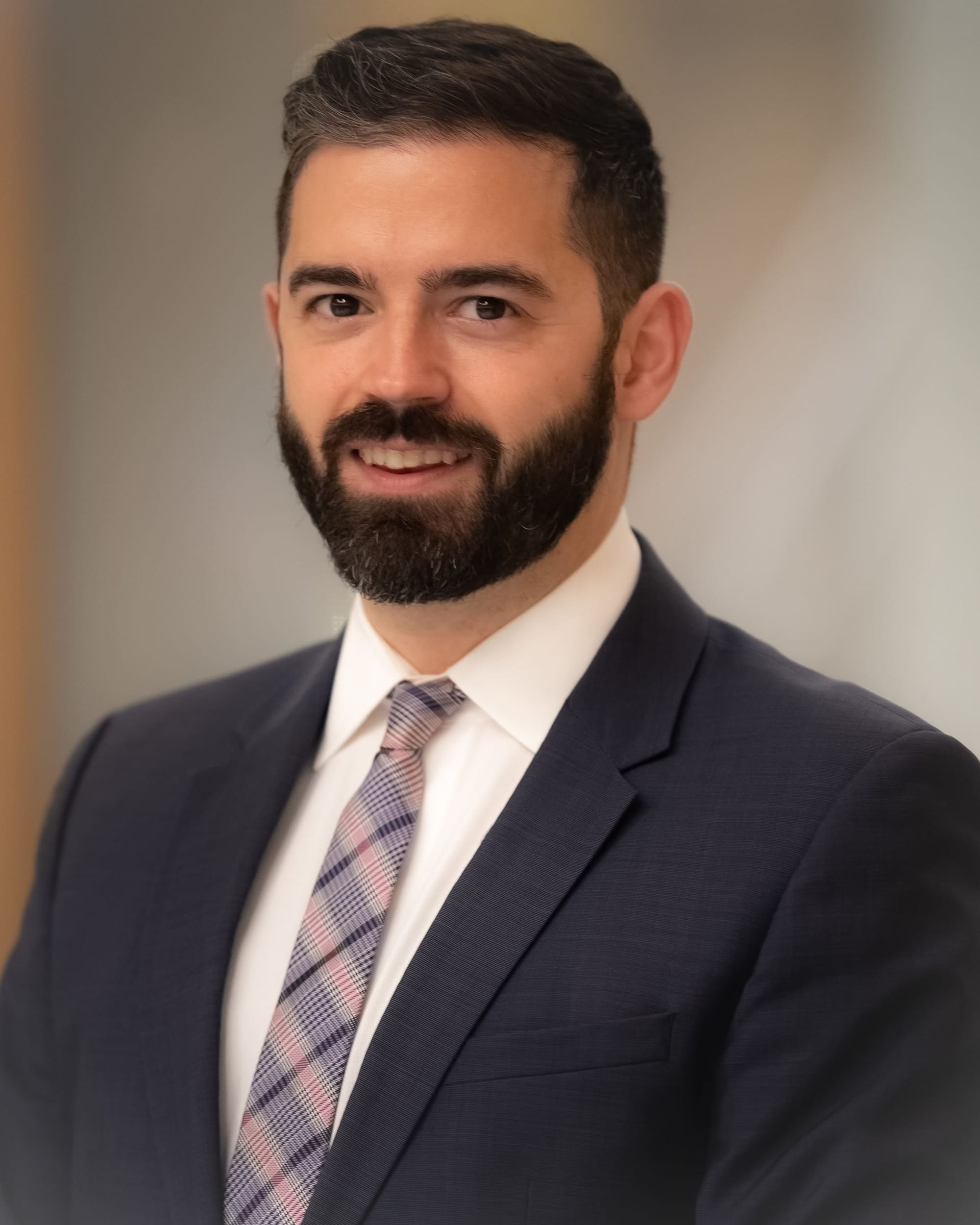
Ryan J. O’Malley (D)
A Malden Ward 4 city councilor for roughly a decade and an attorney, O’Malley centers his campaign on education-funding reform, government accountability and the stewardship of shared public resources.
A graduate of Malden High School and the College of the Holy Cross, he describes himself as a product of the Malden Public Schools and a former Title I reading student, and he often cites his first public job — a seasonal state park ranger — when he talks about the parks, rivers and reservations the district shares.
His top legislative target is the Chapter 70 school-aid formula, which he calls broken at the foundation; he argues that good reforms layered on a flawed base can deepen inequities. He backs state Auditor Diana DiZoglio’s push to audit the Legislature and to extend open-meeting and public-records laws to lawmakers.
“Anyone who can get involved should get involved.”
“When you take these changes that are good on paper but apply them to a broken foundation formula, they actually can exacerbate inequities.”
Kate Lipper-Garabedian (D)
Winchester News profile and candidacy announcement
A state representative who represents Melrose, half of Wakefield and a slice of Malden, Lipper-Garabedian enters with an unusually policy-heavy résumé and an education through-line.
She taught seventh-grade English through Teach For America in Atlanta, clerked on the U.S. Court of Appeals for the First Circuit, served as chief legal counsel to the Massachusetts secretary of education working on the Student Opportunity Act and sat on the Melrose City Council before winning a 2020 House special election. She now chairs the House Committee on Ethics.
She helped make the state’s early childhood and child care grant program permanent, led passage of the law allowing candidates to use campaign funds for child care and is the House lead on the Location Shield Act, a digital-privacy measure. She describes herself less as a crusader than as a conduit between constituents and government, and she is candid about the practical limits of legislating.
“I think if you look at my career and also just my own personal experience, I’ve really been focused on public service throughout my life.”
“The last time I checked, of the 200 state reps and senators, I believe fewer than 20 of us are moms with minor children. So I think having a mom at the table to be bringing that diverse perspective is critical to what we prioritize.”
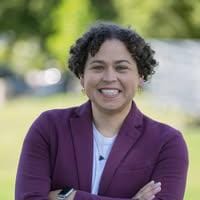
Carey McDonald (D)
Winchester News profile and announcement
A Malden city councilor and the council's Finance Committee chair, McDonald did not set out to run for the Senate; they were deep in a fight to keep Malden from gutting services when Lewis announced his retirement, and that local budget fight became the argument for a bigger one.
McDonald grew up without much money in Columbus, Ohio, reached Pomona College on scholarship and studied economics out of a desire to understand how money and power work. They went on to work in the Ohio Legislature and at the Ohio Department of Education before a nonprofit career.
McDonald’s core argument is that Beacon Hill has lost touch with municipal reality: Winchester, Malden, Melrose and Stoneham have all run tax overrides recently, and Reading is weighing one, a pattern McDonald calls a broken system of local finance.
“Beacon Hill doesn’t understand that and isn’t focused on that in the way that they need to be.”
“We have this broken system of local finance that is forcing us to do these divisive votes just to maintain the status quo, which I don’t think was ever the imagination.”
Fifth Middlesex: where they differ
| Candidate | The pitch | Signature issues |
|---|---|---|
| Ryan J. O'Malley (D) Malden Ward 4 city councilor for roughly a decade; attorney. | Accountability and stewardship of shared public resources, argued from a Malden Public Schools upbringing and a first job as a seasonal state park ranger. | The Chapter 70 school-aid formula, which he calls broken at the foundation; auditing the Legislature and extending open-meeting and public-records law to lawmakers. |
| Kate Lipper-Garabedian (D) State representative for Melrose, half of Wakefield and part of Malden; chair, House Committee on Ethics. | A conduit between constituents and government rather than a crusader, backed by an unusually policy-heavy résumé and candor about the practical limits of legislating. | Education, including work on the Student Opportunity Act; permanent early childhood and child care grant funding; campaign funds for child care; the Location Shield Act on digital privacy. |
| Carey McDonald (D) Malden city councilor; chair of the council's Finance Committee. | Beacon Hill has lost touch with municipal reality — a local budget fight to keep Malden from gutting services became the argument for a bigger one. | A broken system of local finance: Winchester, Malden, Melrose and Stoneham have all run tax overrides recently, and Reading is weighing one. |
All three are running in the Sept. 1 Democratic primary, which is likely decisive in this reliably Democratic district. Education and local-budget strain run through all three campaigns. Descriptions are drawn from Winchester News interviews and campaign events. Claims candidates make about their own records are attributed to them and have not been independently verified.
Common ground: education and local-budget strain run through all three campaigns. The contrast is in emphasis — O”Malley on accountability and school-funding structure, Lipper-Garabedian on policy depth and constituent service, McDonald on the override politics squeezing the district”s towns.
The senators leaving: what their exits mean
The two open seats exist because two long-serving senators chose to walk away within months of each other. Their reasons, and their records, frame what each district's voters are being asked to replace.
Sen. Pat Jehlen (Second Middlesex)
Winchester News retirement profile: Jehlen capped 50 years of public service that began with a 1975 run for the Somerville School Committee.
First elected to the state Senate in 2005, she built a tenure around reducing inequality, from pay equity and worker protections to education funding, criminal justice reform and aging-in-place policy. She decided in November 2025 not to run again and has spent her final months pushing to finish unfinished work — home-care licensure, long-term-care social insurance, support for people with wrongful convictions and early-childhood literacy funding — before her term ends Dec. 31.
“Then I made the decision. I felt much lighter, more focused. I’ve been in government a long time. It just seemed like the right time.”
Sen. Jason Lewis (Fifth Middlesex)
Retirement announcement and Winchester News retirement interview
Lewis, who served on the Winchester Finance Committee in the 1990s, entered the Legislature in 2008 and moved to the Senate in 2013, where he chaired the Education Committee and helped pass the Student Opportunity Act.
Two issues drew him into politics: Chapter 70 cuts that once forced Winchester schools to lay off librarians, and the fight over marriage equality, which connected to a childhood partly spent in South Africa under apartheid before his family came to the United States in 1980.
He announced Feb. 24 that he would not seek re-election, calling it a deeply personal decision and saying it was time for a new chapter.
“I’ve been so grateful to have had this opportunity, serving my constituents and improving the Commonwealth. I don’t believe in term limits, but I thought it was just time.”
Part 2: Federal offices
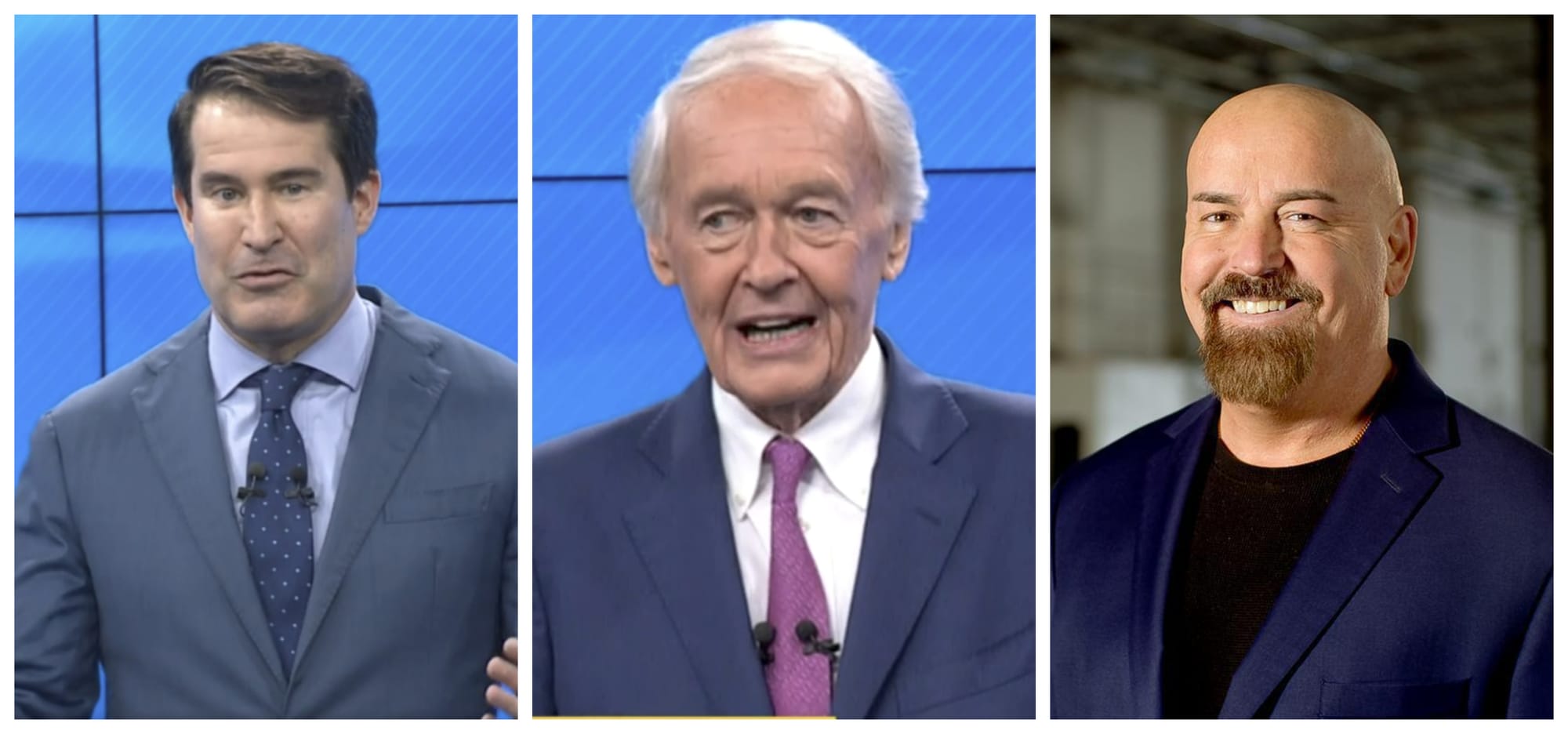
U.S. Senate
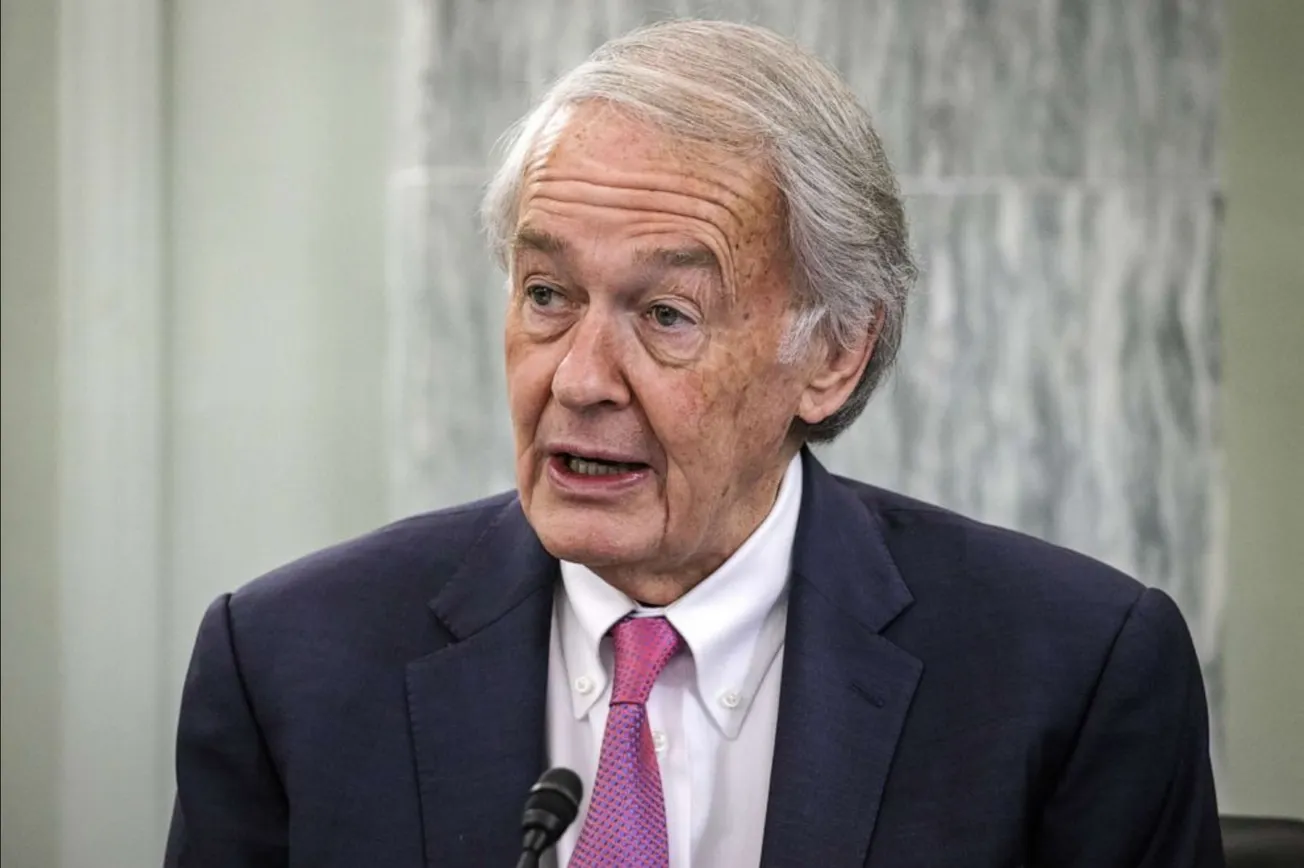
The full state votes for one of its two U.S. Senate seats. Edward J. Markey, the Democratic incumbent, faces a primary challenge from U.S. Rep. Seth Moulton, a fellow Democrat, while John Deaton is running in the Republican primary.
Markey, a longtime Massachusetts fixture in Congress, holds the seat; Moulton’s entry sets up a high-profile intraparty contest. Campaign-finance filings for all federal candidates are available through the Federal Election Commission. Winchester News coverage of the pair’s first debate; one more debate is scheduled before the Sept. 1 primary: Aug. 20, will be hosted by WBUR-FM, WCVB-TV and The Boston Globe.
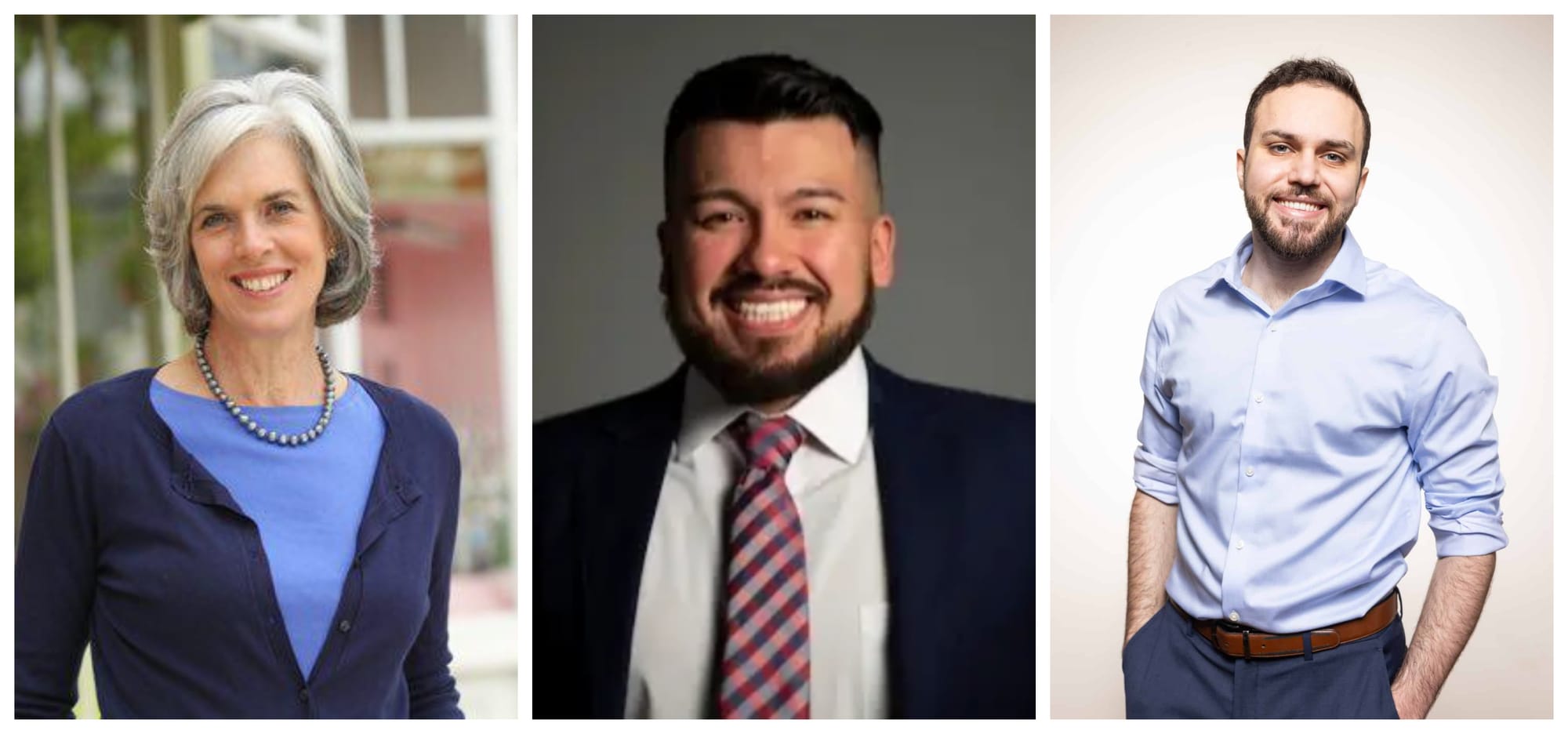
U.S. House, Massachusetts 5th District
Winchester sits in the 5th Congressional District, represented by Democrat Katherine M. Clark, the incumbent. She faces primary challengers Tarik Samman and Jonathan Paz, both Democrats. Clark is among the most senior members of the Massachusetts delegation.
As of this guide’s cutoff, official campaign websites and detailed issue platforms for the two challengers had not been confirmed in this reporting pass.
Part 3: Statewide constitutional offices
All six statewide constitutional offices are on the 2026 ballot. Every current officeholder in these races is a Democrat seeking another term; several face Republican primary or general-election opposition.
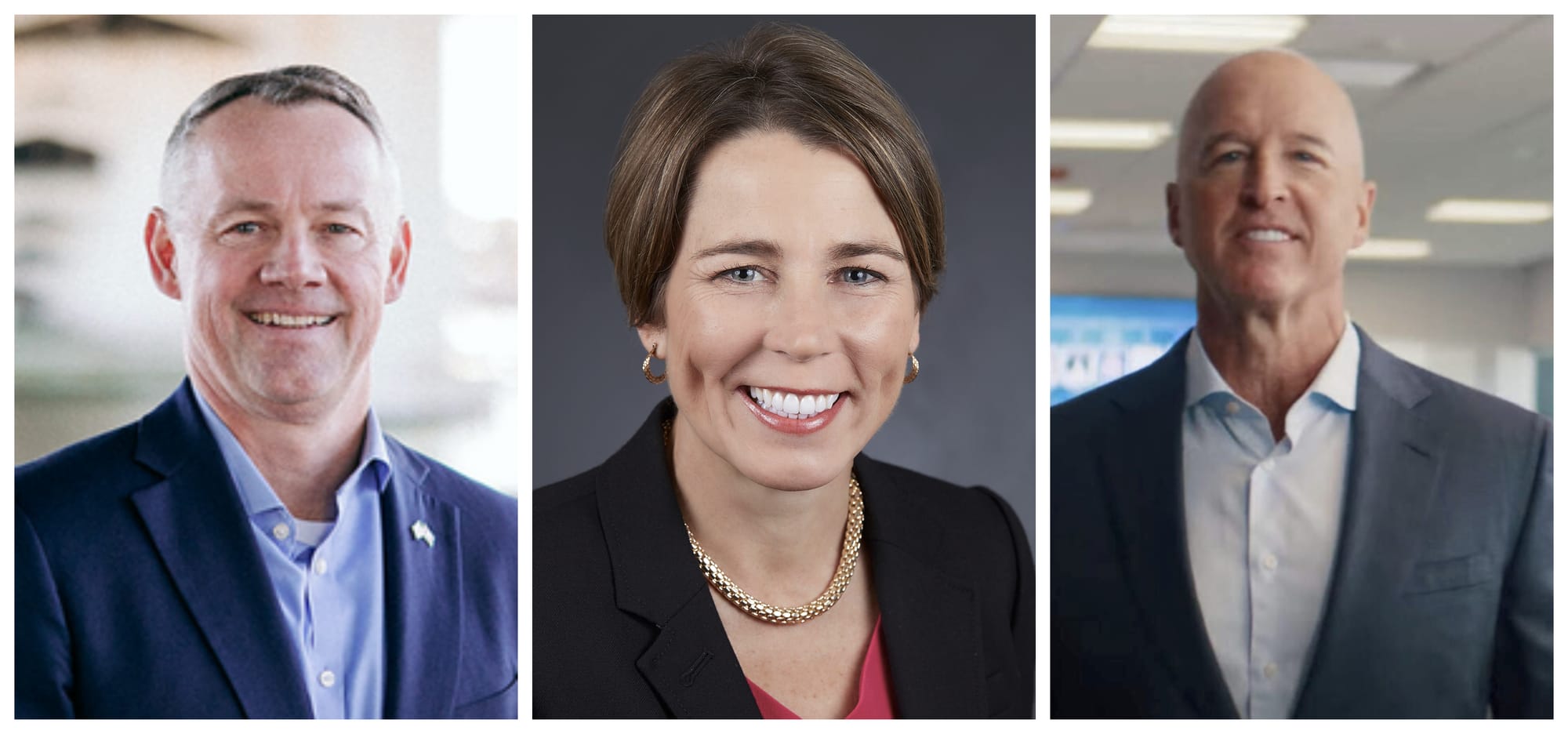
Governor
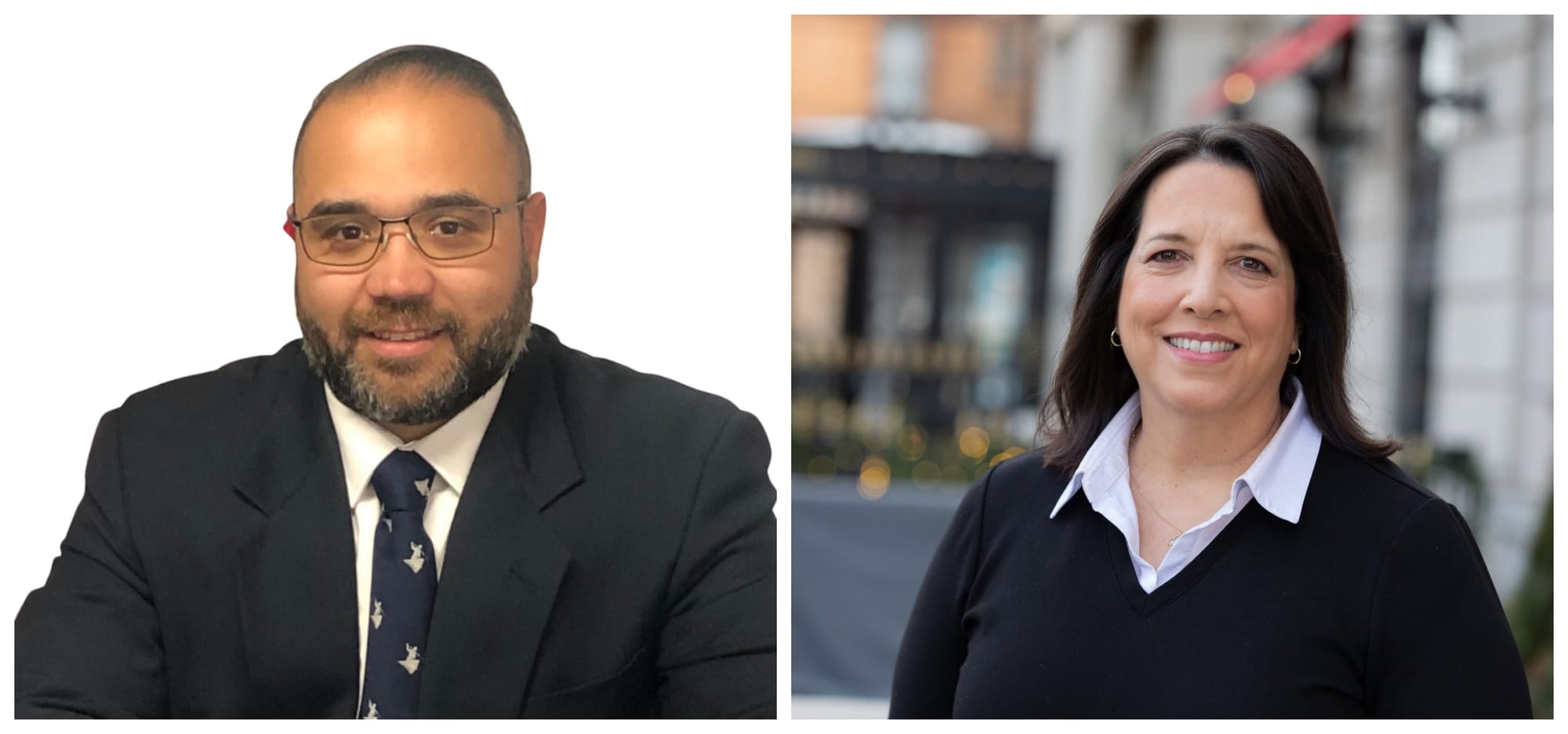
Democratic Gov. Maura Healey, elected in 2022 after eight years as attorney general, is seeking renomination on themes of affordability, housing, education and transportation.
Two Republicans, Michael Roger Minogue and Brian Shortsleeve, are running in the GOP primary for the chance to challenge her in November.
Lieutenant governor
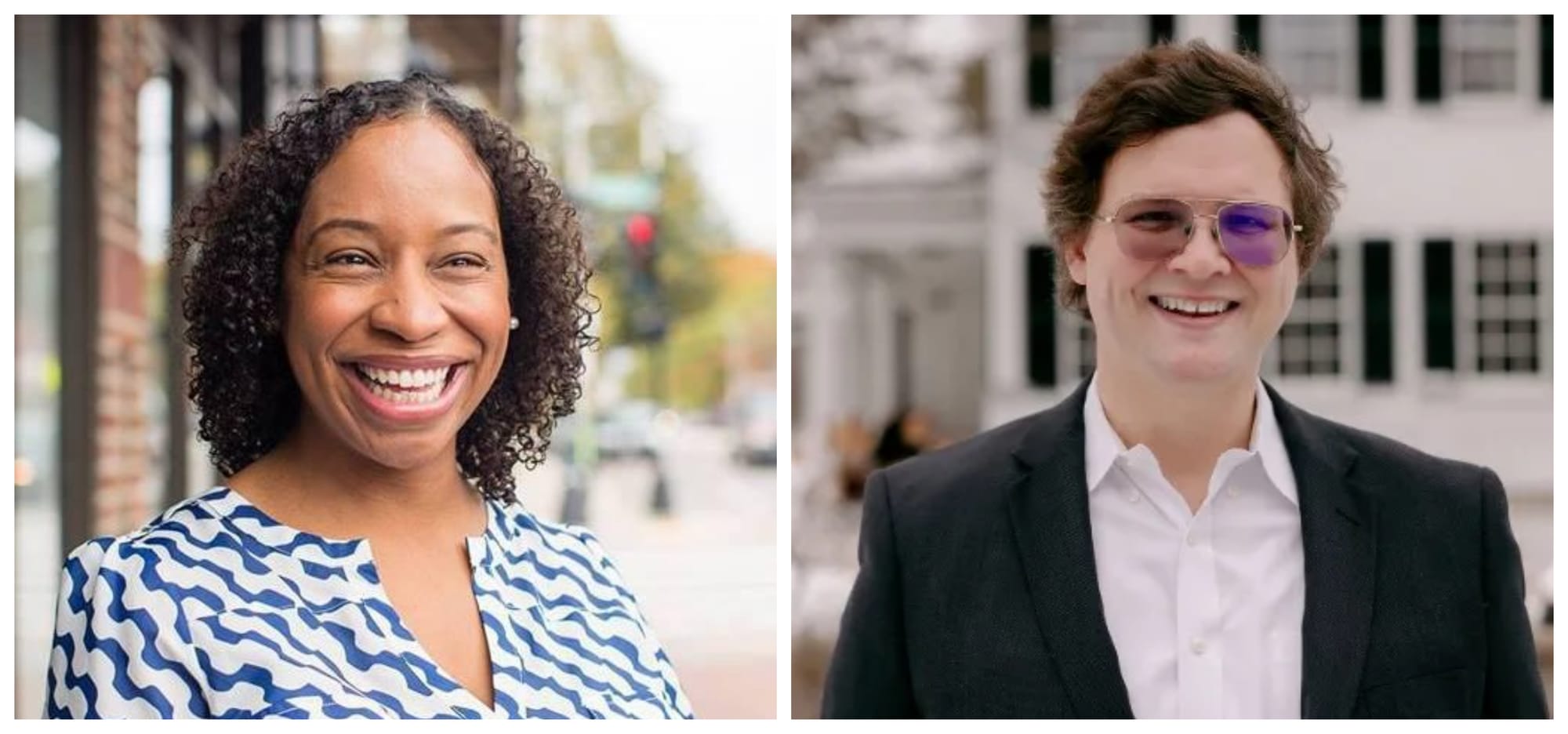
Democratic Lt. Gov. Kimberley Driscoll, who runs as Healey’s ticket partner, is the incumbent. Ann Manning Martin and Shawn Oliver are seeking the Republican nomination. In Massachusetts, candidates for governor and lieutenant governor are nominated separately in the primary, then run as a ticket in the general election.
Attorney general
Democratic Attorney General Andrea Joy Campbell, elected in 2022, is the incumbent. Michael C. Walsh is running in the Republican primary.
Secretary of the commonwealth
Democrat William Francis Galvin, the long-serving incumbent and the state’s chief elections officer (Elections division), is seeking another term. No challenger was confirmed in this reporting pass.
Treasurer
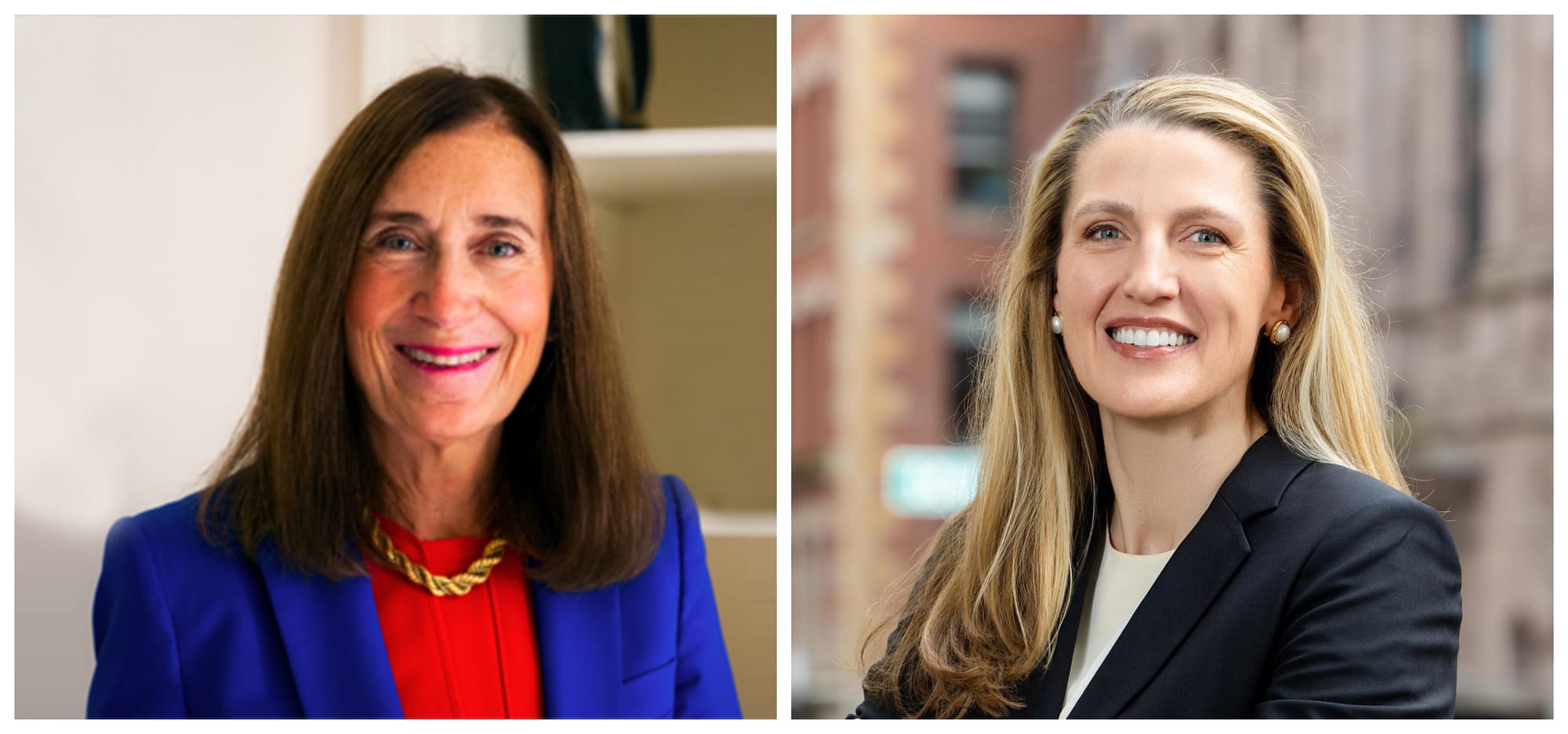
Democratic Treasurer Deborah B. Goldberg is the incumbent. Elizabeth Dionne is running in the Republican primary.
State auditor
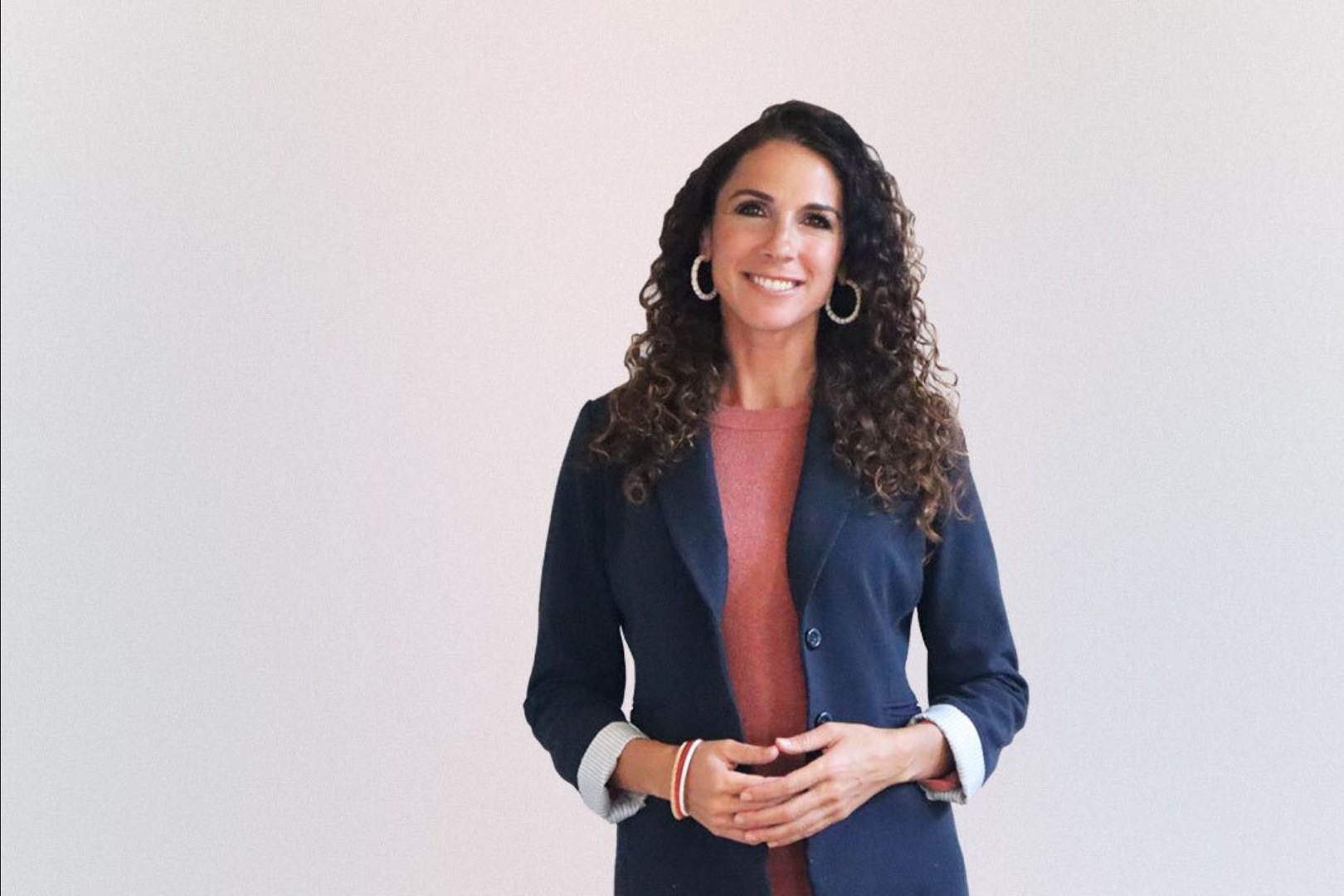
Democratic Auditor Diana DiZoglio is the incumbent. DiZoglio’s signature effort — her push to audit the state Legislature — surfaces elsewhere on this ballot: Fifth Middlesex Senate candidate Ryan O’Malley cites it as a model for the transparency reforms he would pursue.
Part 4: Governor’s Council, District 6
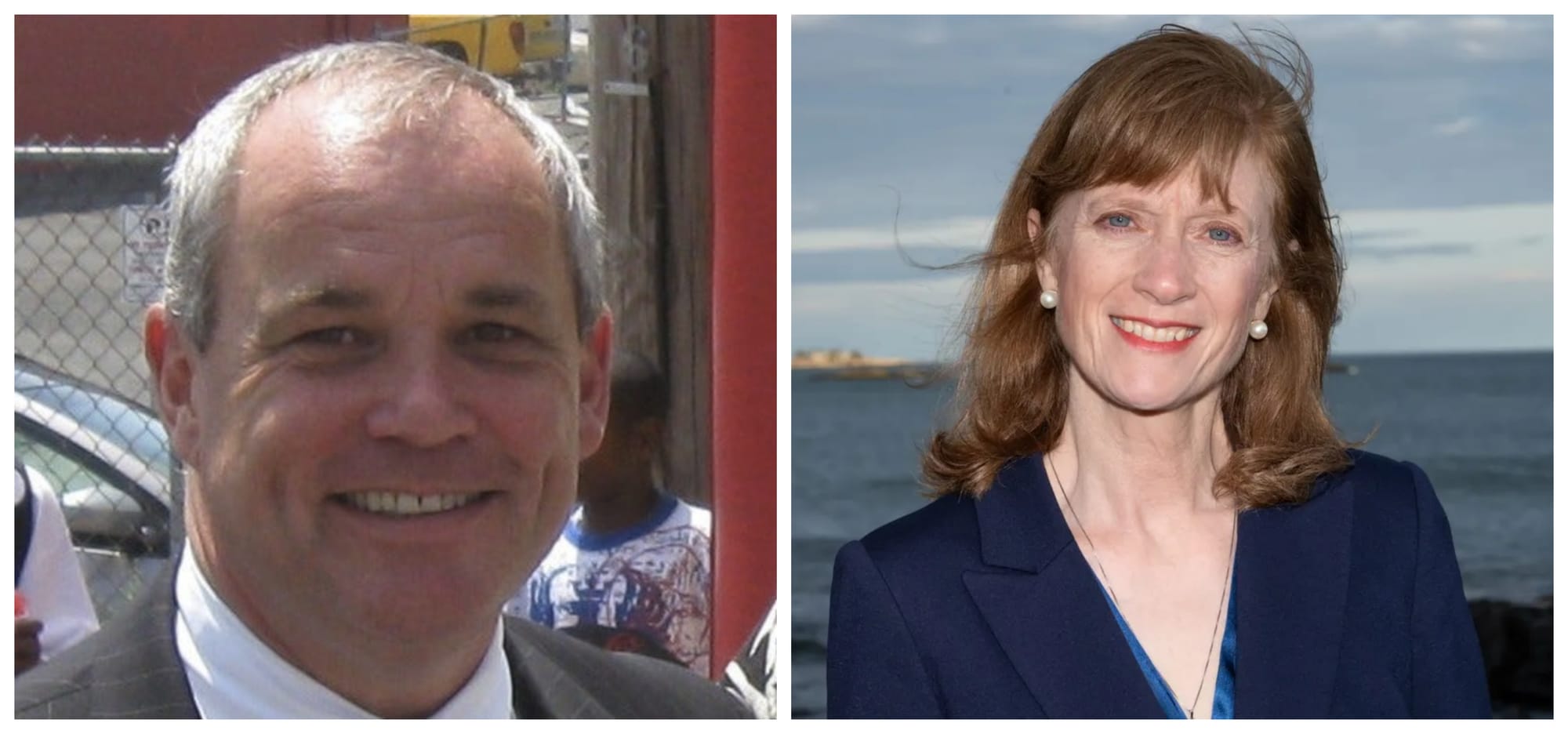
The Governor’s Council is an eight-member body that approves judicial nominations, pardons and certain state payments — a low-profile office with real influence over who sits on the bench. In District 6, Democratic incumbent Terrence W. Kennedy faces a primary challenge from fellow Democrat Diann Mary Baylis.
Part 5: State representative
Winchester’s state House representation runs through Middlesex districts whose incumbents are both Democrats.
31st Middlesex District
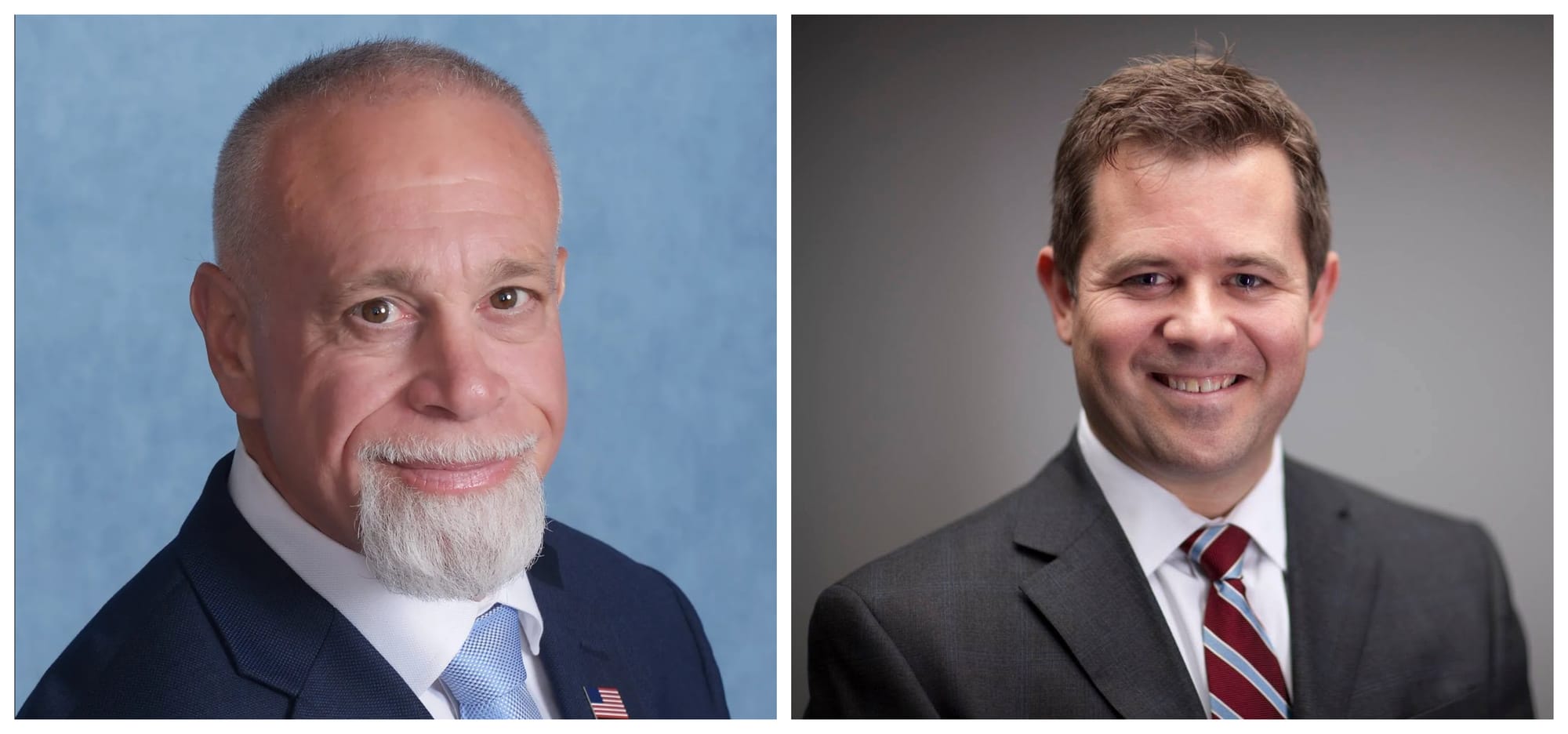
Democratic incumbent Michael S. Day faces Republican Stephen G. Ternullo in a potential general-election matchup. Day’s district is the seat Lewis first held before moving up to the Senate.
15th Middlesex District
Democratic incumbent Michelle L. Ciccolo is seeking another term. No challenger has emerged.
Part 6: County offices (Middlesex)
District attorney, Middlesex (Northern District)
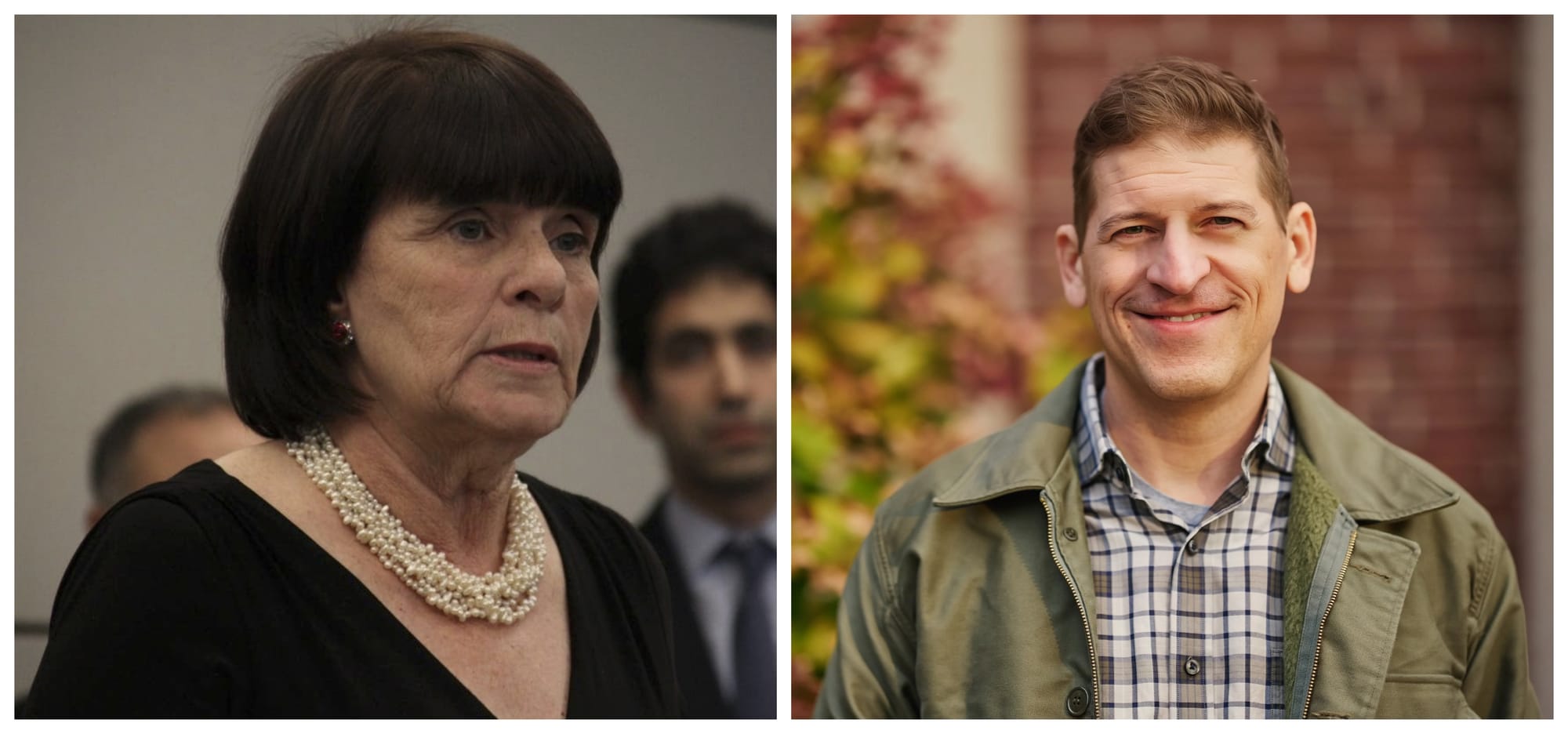
Democratic incumbent Marian T. Ryan, the longtime Middlesex district attorney, faces a Democratic primary challenge from David Marc Solet.
The district attorney sets prosecutorial priorities across the county, making this a consequential down-ballot race even though it draws less attention than the Senate contests.

Register of probate, Middlesex County
Democrat Tara E. DeCristofaro is running for register of probate, an office that manages the records of the Probate and Family Court — wills, estates, divorces and guardianships. No opponent was confirmed in this reporting pass.
Part 7: The issues beneath the races
Four themes recur across nearly every contested race on the Winchester ballot. Reading the candidates through these lenses is often more revealing than reading them by party, because in these districts most of the real choices are made in the Democratic primary.
Affordability is the broadest shared frame, especially in the two Senate races. The candidates split on the cure: Azeem and McLaughlin emphasize building and zoning, Uyterhoeven emphasizes taxing wealth to fund services, McDonald emphasizes the math of municipal budgets and Barber emphasizes targeted cost relief like drug co-pay caps.
Education and Chapter 70 sit at the center of Winchester-adjacent politics. The state's school-aid formula is a through-line connecting Lewis’s legacy, O’Malley's central plank, Lipper-Garabedian’s career and Hopcroft’s research-economy argument. Several candidates argue the underlying formula is structurally flawed, not merely underfunded.
Transparency and Beacon Hill culture divide the field by temperament. Uyterhoeven and O’Malley press hardest on opening committee votes and extending public-records law to the Legislature; Hopcroft and Azeem echo the critique; Lipper-Garabedian, who has worked as a records-access officer, is the most cautious about what full transparency costs in practice.
Housing and transit run together in the urban parts of both districts. Azeem and McLaughlin bring the most detailed municipal records on zoning, while Barber points to the Green Line Extension and Uyterhoeven ties transit funding to the millionaires’ tax.
Part 8: The nine ballot questions
Massachusetts voters will decide nine statewide ballot questions Nov. 3, a total that matches the modern record set in 1972, 1976 and 1994, Winchester News reported July 27.
Attorney General Andrea Joy Campbell’s office logged a record-breaking 47 initiative petitions this cycle, but the Legislature enacted none of them by the May 5 deadline, sending the surviving proposals to the ballot. The Supreme Judicial Court struck several others before they qualified, including a rent-control initiative and an income tax cut the court found significantly misleading.
Unlike the candidate races above, these questions go before every voter in the state, regardless of Senate district or precinct. Two are worth particular attention in Winchester: Question 5 would rework the tax-cap law that triggered a $2.94 billion refund to Massachusetts taxpayers in fiscal 2022, and Question 7 would directly override Winchester's own zoning bylaw, which currently requires far more land per house than the measure would allow.
Question 1: Legislative records
The question would make most records held by the Legislature and the governor’s office subject to the state's public records law, with exemptions carved out for policy drafts and constituent communications. Both branches are currently exempt from the law altogether. The Coalition for Healthy Democracy, the question’s sponsor, argues Massachusetts is unusual in shielding its own lawmakers this way; proponent Jesse Littlewood has called the exemption “a national outlier.” The House has responded with its own bill that would open the governor’s office but apply a separate, narrower standard to the Legislature itself. A yes vote opens both branches’ records to public request; a no vote leaves the current exemptions in place.
Question 2: Public defender union rights
The question would give employees of the Committee for Public Counsel Services, the state’s public defender agency, explicit legal rights to unionize and bargain collectively. It was filed by Tom McKeever of Service Employees International Union Local 888 after a 2025 breakdown in the right-to-counsel system, when private bar advocates — who are paid $65 an hour in district court, the lowest rate in New England — stopped taking new cases. Because those bar advocates work as contractors rather than CPCS employees, the question would not directly resolve the pay dispute that triggered the crisis. A yes vote creates bargaining rights for CPCS staff; a no vote maintains current law.
Question 3: Open primaries
The question would scrap party primaries for state and congressional offices — presidential primaries would be unaffected — and replace them with a single primary listing every candidate regardless of party, with the top two finishers advancing to November. It was filed by the Coalition for Healthy Democracy, whose convening chair is Harvard's Danielle Allen. The State House News Service found voters will have a real choice in only 82 of the state's 200 legislative seats this year, with 25 incumbent senators and 91 incumbent representatives facing no opponent at all. Two veteran Democrats sued to keep the question off the ballot; the Supreme Judicial Court allowed it to proceed. A yes vote creates the top-two system; a no vote keeps party primaries.
Question 4: Election Day registration
The question would let eligible residents register to vote or update their address at the polls on Election Day itself, by showing proof of residency and signing an oath; the state would refer questionable attempts for criminal investigation. It was filed by Secretary of the Commonwealth William Francis Galvin after the House repeatedly declined to pass same-day registration bills. Twenty-five states and Washington, D.C., already allow same-day registration. A yes vote permits Election Day registration; a no vote keeps the current pre-election deadline.
Question 5: Tax cap formula
The question would rewrite the 1986 tax collection cap known as Chapter 62F so it resets every year based on the prior year's collections and grows only as fast as wages do; it would also fold the 4% Fair Share surtax on income above $1 million into the cap's calculation. The cap has triggered twice since 1986, in 1987 and in fiscal 2022, when the state returned $2.94 billion to about 3 million taxpayers. It was filed by Christopher Anderson of the Massachusetts High Technology Council. The Tufts Center for State Policy Analysis projects the new formula would make refunds routine, triggering them three to five times more often; the Massachusetts Taxpayers Foundation estimates a fiscal 2024 payout under the new rules would have reached $3.9 billion. The Massachusetts Budget and Policy Center opposes the change, arguing that folding the surtax into the cap erodes the intent of the 2022 Fair Share vote that created it. A yes vote installs the new formula; a no vote maintains current law.
Question 6: Conservation funding
The question would direct the state sales tax collected on sporting goods, recreational vehicles and golf into a new Nature for All Fund — half the revenue at first, then all of it after July 1, 2028 — subject to legislative appropriation. It was filed by Mass Audubon’s Sam Anderson. Campaign spokesperson Andrew Farnitano estimates the fund would collect close to $100 million a year, based on $2.49 billion in reported 2022 sporting-goods sales in the state. A yes vote creates the dedicated fund; a no vote keeps that tax revenue in the general budget.
Question 7: Housing lot-size limits
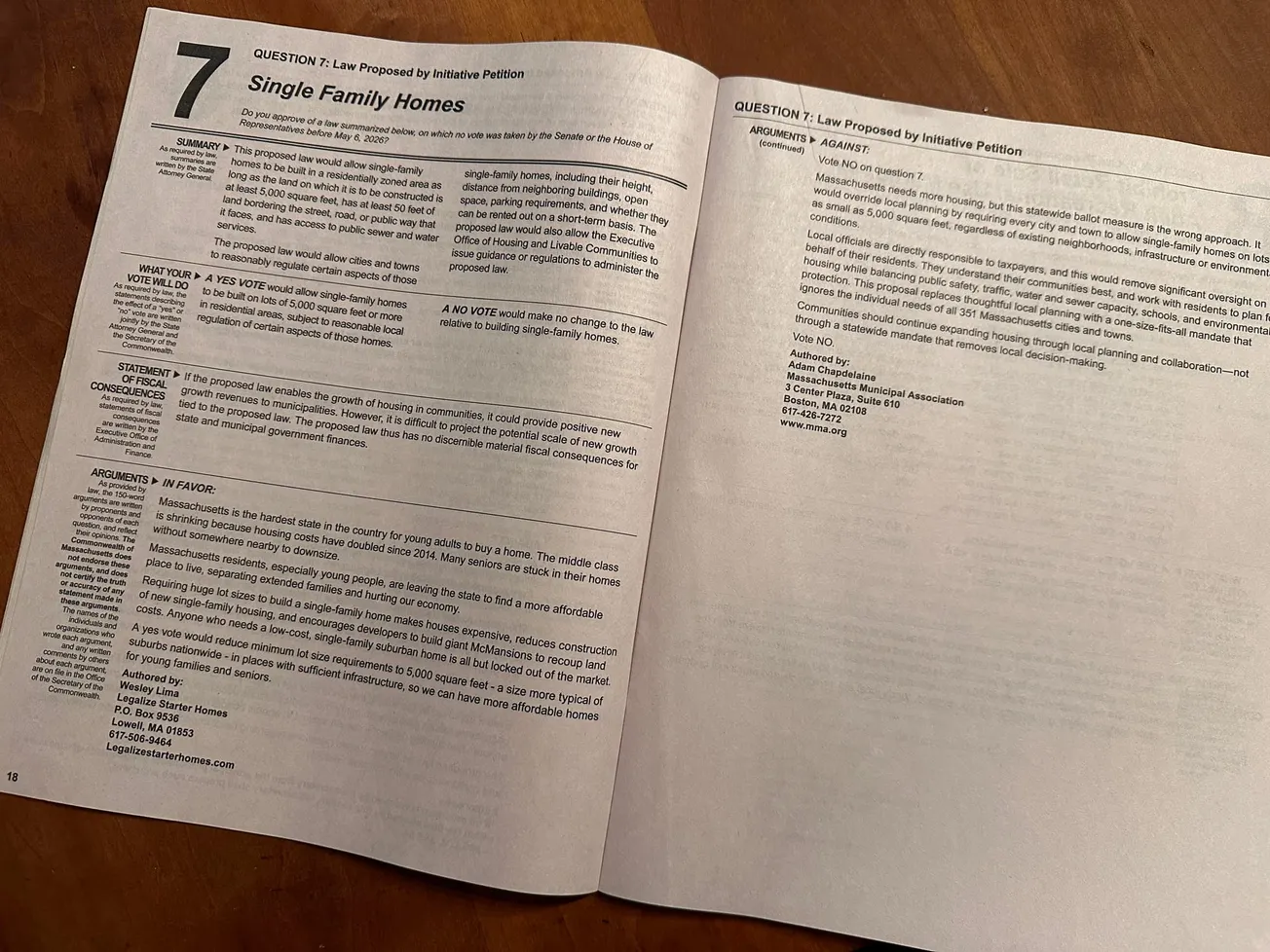
The question would bar cities and towns from requiring lots larger than 5,000 square feet or more than 50 feet of frontage for a single-family home, on residential land served by public water and sewer; Boston, which is governed separately under its own zoning enabling law, would be exempt. It was filed by Andrew Mikula, a senior housing fellow at the Pioneer Institute, who cites academic research finding that large minimum lot sizes raise home prices and slow construction. The measure would directly override Winchester’s own zoning bylaw: every single-family district in town currently requires more land than the question would allow, with minimums ranging from 6,500 to 20,000 square feet, and because Winchester runs its own waterworks and sewer system, the town-wide 5,000-square-foot threshold would apply. A yes vote caps lot-size mandates statewide; a no vote leaves zoning decisions to local bylaws.
Question 8: Marijuana repeal
The question would end legal recreational marijuana sales in Massachusetts, closing licensed retail shops, growers and testing labs and banning home cultivation, which is currently capped at six plants per adult 21 and older; medical marijuana and the decriminalized possession of up to an ounce would remain legal. It was filed by the Coalition for a Healthy Massachusetts using entirely out-of-state money: $1.55 million from SAM Action Inc. of Alexandria, Virginia, part of the national Smart Approaches to Marijuana network, with more than $1.4 million of that paid to a Missouri firm for signature gathering. No state has ever reversed adult-use legalization once voters approved it, and the state's recreational market logged $1.65 billion in sales in 2025. A University of New Hampshire poll of 620 likely voters released Feb. 24 found 20% supported repeal and 63% opposed it. A yes vote ends retail sales and home cultivation; a no vote maintains the current market.
Question 9: Firearms law referendum
The question asks voters for an up-or-down vote on Chapter 135 of the Acts of 2024, the firearms law Gov. Maura Healey signed July 25, 2024, which broadened the definition of assault-style weapons, regulated ghost guns, banned bump stocks, expanded extreme risk protection orders and required live-fire training for gun licenses; it passed the House 124-33 and the Senate 35-5. The vote is worded in an unusual direction: a yes vote keeps the law, and a no vote repeals it. Yes for a Safe Massachusetts, led by Ruth Zakarin of the Massachusetts Coalition to Prevent Gun Violence and backed by Healey, is campaigning to defend the law, noting Massachusetts posted the nation’s second-lowest gun-death rate in 2024 at 3.8 deaths per 100,000 people. Gun-rights groups forced the referendum onto the ballot and are campaigning for repeal; Smith & Wesson contributed $50,000 to the repeal effort in 2024, its largest reported political gift that year.
Who is funding the questions
Campaign finance filings through Jan. 20 show spending concentrated in a few committees. The Coalition for Healthy Democracy, which sponsors both Questions 1 and 3, spent nearly $2.1 million in 2025, about $550,000 of it from David Randolph Peeler. Taxpayers for an Affordable Massachusetts, the committee behind Question 5, drew $1.6 million from the Massachusetts Opportunity Alliance. Everytown for Gun Safety gave $39,900 to the campaign supporting the Question 9 firearms law.
The secretary of the commonwealth's office will publish official summaries and pro-and-con arguments for all nine questions in September, in the state's red “Information for Voters” booklet, before ballots reach voters carrying two to three pages of questions.
How to vote
-
Confirm your registration and precinct
Your precinct determines which of the two state Senate races appears on your ballot. Registration status and precinct can be checked through the secretary of the commonwealth's office, the state's chief elections authority.
-
Note the deadlines
State primary Register by Aug. 22. Apply for a mail ballot by Aug. 25. Return your ballot by 8 p.m. Sept. 1. In-person early voting runs Aug. 22-28.
General election Register by Oct. 24. Apply for a mail ballot by Oct. 27. Return your ballot postmarked by Nov. 3 and received by Nov. 6. In-person early voting runs Oct. 17-30.
See the deadlines table above for full details, including exact cutoff times. Local questions go to the Winchester Town Clerk.
-
Pick your primary
Massachusetts holds party primaries. Unenrolled voters may choose a party ballot at the primary without changing their registration.
Primary sources
- Massachusetts secretary of the commonwealth, 2026 state-primary candidate lists: https://www.sec.state.ma.us/divisions/elections/research-and-statistics/dem-state-primary-candidates2026.htm
- Massachusetts secretary of the commonwealth, all-party 2026 state primary candidates: https://www.sec.state.ma.us/divisions/elections/research-and-statistics/candidates2026.htm
- Massachusetts upcoming elections: https://www.sec.state.ma.us/divisions/elections/recent-updates/upcoming-elections.htm
- Office of Campaign and Political Finance (state filings): https://ocpf.us/Reports/SearchItems
- Federal Election Commission (federal filings): https://www.fec.gov/data/
- Winchester News state-election coverage: https://winchesternews.org/tag/state-2026-election/
State voting resources (secretary of the commonwealth, Elections Division)
- Elections Division home: https://www.sec.state.ma.us/divisions/elections/elections-and-voting.htm
- Register to vote or update your registration online: https://www.sec.state.ma.us/OVR/
- How to register to vote: https://www.sec.state.ma.us/divisions/elections/voter-resources/registering-to-vote.htm
- Check your voter registration status: https://www.sec.state.ma.us/VoterRegistrationSearch/MyVoterRegStatus.aspx
- How to vote in a primary: https://www.sec.state.ma.us/divisions/elections/voting-information/vote-primary.htm
- Vote by mail: https://www.sec.state.ma.us/divisions/elections/voting-information/vote-by-mail.htm
- Vote early in person: https://www.sec.state.ma.us/divisions/elections/voting-information/vote-early.htm
- Track your mail-in ballot: https://www.sec.state.ma.us/WhereDoIVoteMA/TrackMyBallot
- Find your polling place: https://www.sec.state.ma.us/WhereDoIVoteMA/WhereDoIVote
- Find your local election office or a drop box: https://www.sec.state.ma.us/divisions/elections/voter-resources/find-my-local-election-office.htm
- Massachusetts districts: https://www.sec.state.ma.us/divisions/elections/voting-information/Massachusetts-districts.htm
Town of Winchester voting resources
- VOTE in Winchester: https://www.winchester.us/904/VOTE-in-Winchester
- Town Clerk: https://www.winchester.us/199/Town-Clerk
- Precinct maps: https://www.winchester.us/213/Precinct-Maps
- Early voting: https://www.winchester.us/916/Early-Voting
- Election results: https://www.winchester.us/906/Election-Results
Winchester News Senate coverage cited in this guide
- Tom Hopcroft profile, Jan. 6, 2026: https://winchesternews.org/20260109_tom-hopcroft-brings-systems-mindset-coalition-building-pitch-to-state-senate-race/
- Christine Barber profile, Jan. 22, 2026: https://winchesternews.org/20260123_christine-barber-seeks-senate-seat-with-progressive-record-health-policy-expertise/
- Pat Jehlen retirement profile, Feb. 19, 2026: https://winchesternews.org/20260220_sen-pat-jehlen-says-it-was-just-time-to-retire-after-50-years-of-public-service/
- Jason Lewis retirement announcement and interview, Feb. 24 and Feb. 27, 2026: https://winchesternews.org/20260227_state-senator-jason-lewis-announces-retirement/ and https://winchesternews.org/20260227_sen-jason-lewis-says-hes-looking-forward-to-new-challenges-new-opportunities-after-retirement/
- Matthew McLaughlin profile, March 6, 2026: https://winchesternews.org/20260306_somerville-councilor-matthew-mclaughlin-runs-for-2nd-middlesex-senate-seat-citing-affordability-crisis/
- Burhan Azeem profile, March 13, 2026: https://winchesternews.org/20260313_cambridge-vice-mayor-burnham-azeem-pitches-record-of-results-in-crowded-2nd-middlesex-senate-race/
- Erika Uyterhoeven profile, March 20, 2026: https://winchesternews.org/20260320_state-rep-erika-uyterhoeven-joins-crowded-bid-to-succeed-retiring-sen-jehlen/
- Ryan O'Malley profile, May 4, 2026: https://winchesternews.org/20260501_maldens-ryan-omalley-seeks-5th-middlesex-senate-seat/
- Kate Lipper-Garabedian profile, June 4, 2026: https://winchesternews.org/20260529_kate-lipper-garabedians-senate-bid-tests-a-broader-map/
- Carey McDonald profile, June 12, 2026: https://winchesternews.org/20260612_mcdonald-stakes-a-senate-bid-on-lessons-from-local-governmentnonprofit-acumen/
Addendum: Winchester News coverage published after this guide's June 18 cutoff
- Battle lines form on legislative audit in Senate race as Lipper-Garabedian votes to block measure (June 16, campaign submission): https://winchesternews.org/20260619_battle-lines-form-on-legislative-audit-in-senate-race-as-lipper-garabedian-votes-to-block-measure/
- Seth Moulton hammers home the need for new leadership in Senate (June 29): https://winchesternews.org/20260703_seth-moulton-hammers-home-the-need-for-new-leadership-in-senate/
- In first Democratic primary debate, Markey and Moulton measure power differently (July 10): https://winchesternews.org/20260710_in-first-democratic-primary-debate-markey-and-moulton-measure-power-differently/
- Local roots, national money shape 5th Middlesex Senate primary (July 13): https://winchesternews.org/20260717_local-roots-national-money-shape-5th-middlesex-senate-primary/
- Five Democrats pour nearly $500,000 into open 2nd Middlesex race (July 14): https://winchesternews.org/20260717_five-democrats-pour-nearly-500-000-into-open-2nd-middlesex-race/
- Winchester leaders endorse Christine Barber for state Senate (July 14, campaign submission): https://winchesternews.org/20260717_winchester-leaders-endorse-christine-barber-for-state-senate/
- Abundant Housing MA endorses Burhan Azeem for state Senate (July 17, campaign submission): https://winchesternews.org/20260717_abundant-housing-ma-endorses-burhan-azeem-for-state-senate/
- Stephen Ternullo: Day's state budget vote leaves Stoneham, Winchester taxpayers paying the price (July 14, campaign submission): https://winchesternews.org/20260717_stephen-ternullo-days-state-budget-vote-leaves-stoneham-winchester-taxpayers-paying-the-price/
- Five state Senate candidates for 2nd Middlesex District have their say at forum (July 22): https://winchesternews.org/five-state-senate-candidates-for-2nd-middlesex-county-have-their-say-at-forum/
Will Dowd is a Massachusetts journalist who covers municipal government and community life for Winchester News. He is also the founder and editor of The Marblehead Independent, a reader-funded digital newsroom.