Table of Contents
The Sanborn carriage house’s clock ran out in August.
For 12 months, the Winchester Historical Commission played the only card it has. In August 2025, the board found the century-old building at 21 High St. historically significant. It imposed a demolition delay and asked the School Committee to hand the property back to the town.
But then the year ended and with it, the commission’s hold on the building.
“That was our one bite of the apple,” explained Historical Commission member Janet Boswell.
That one bite, the delay, is most of the power that the group has.
The goal of the Historical Commission is simple: to keep Winchester’s identity, Winchester.
“We all want to make sure that the things that are really unique about Winchester continue to be really unique about Winchester,” Boswell said. “It’s why people want to move here.”
What the commission can do
Chapter 14 of the Winchester town bylaws requires the commission to review any application to demolish a building constructed before 1940, and anything on the National or State Register or in the state’s inventory of historic assets. Town Meeting adopted the bylaw back in 1995.
Today, roughly half of Winchester’s housing falls under the commission’s review power.
After the Building Department receives a demolition application, it forwards the paperwork to the commission. The group then answers two questions at a public hearing: is the building historically significant, and if so, should demolition be delayed 12 months?
Decisions are made by simple voting, with a tie counting as no significance.
“We don’t always agree, that’s for sure,” Boswell said. “We have a lively discussion and then we vote.”
Significance is not a matter of taste or personal choice. The criteria for all buildings is borrowed from federal regulation, looking at the architecture or the architect, the building’s place in a chapter of the town’s growth, and the people who lived there.
For example, a house on Grove Street once belonged to the man who helped develop the camera systems for the B-52 bomber, and he worked in the basement of that building.
“That’s a very significant house for that reason, not for the particular architecture of it,” she explained.
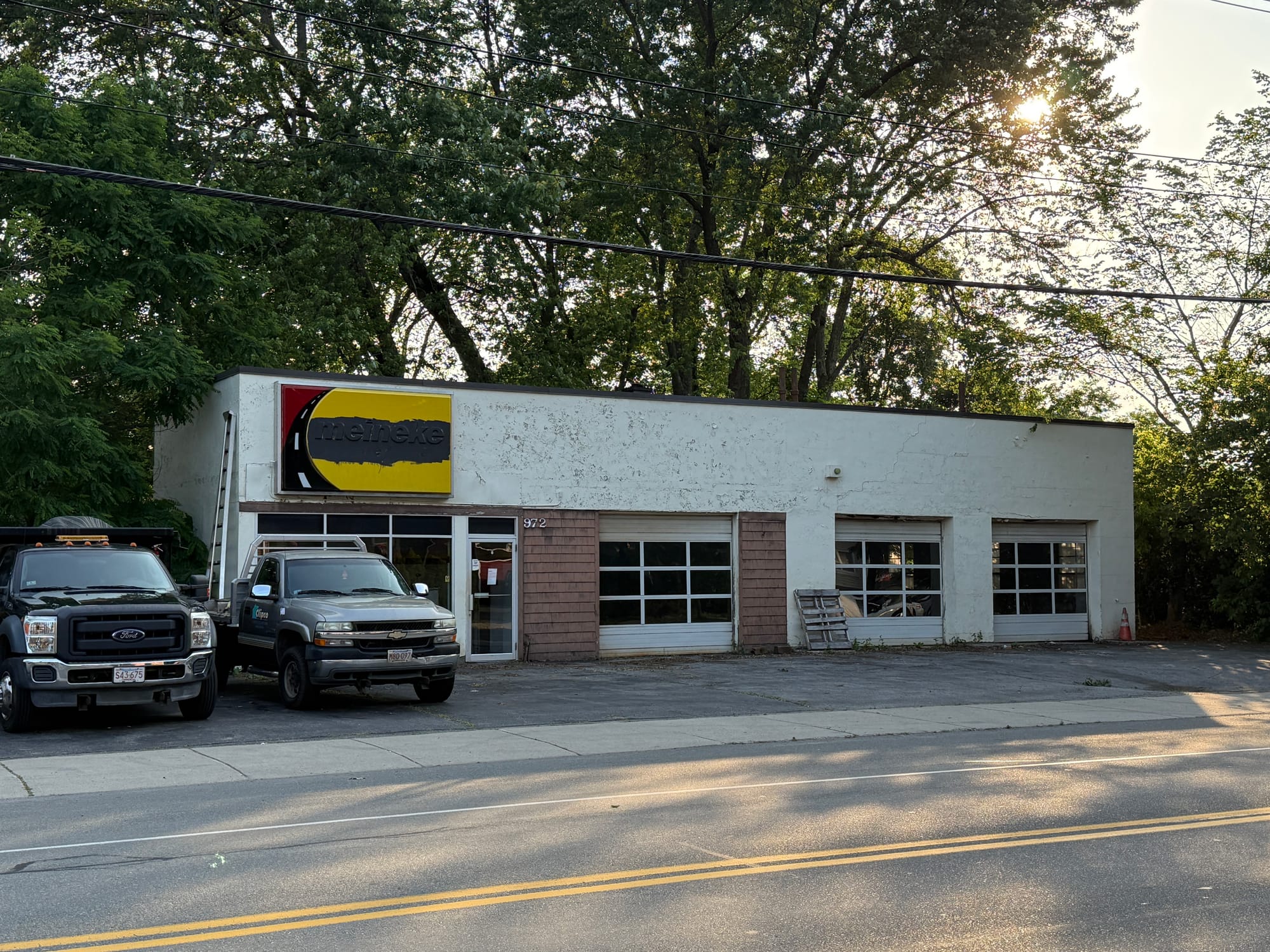
The commission will review nearly everything that comes in, but it can skip a hearing when a building plainly contributes nothing. This was the case with the former Meineke muffler shop on Main Street.
How a hearing works
The commission starts by hiring a researcher to produce a state inventory form, known as a Form B, digging through building and tax records that the volunteers don’t have the time nor the training to do. The hearing would open with that.
The applicant explains the plan, residents give their input, before the members debate and vote.
Before anything becomes final, the commission usually asks one more question.
“What we want to do first and foremost is preserve historic assets,” Boswell elaborated.
So the commission often proposes alternatives to maintain those assets. Rather than a full demolition, they might suggest an addition at the rear, a change less visible from the street, or a preserved front facade.
That is where the delay on demolition does its real work. While the commission is who imposes the delay, they can also lift it early or under conditions if met. That gives applicants a reason to come to the table and negotiate.
But the commission’s power only applies to the exterior.
“People can do whatever they want to on the inside,” Boswell said.
What it only advises on
The commission files opinions with the Zoning Board of Appeals and the Planning Board when a setback, a height or a new structure might damage a neighboring historic building or disrupt the
existing pattern of a street. However, those opinions are only advisory.
“We don’t approve anything that has to do with zoning or permitting or anything like that,” Boswell clarified. “We just give those boards and commissions our opinion about stuff, but we don’t have any authority there.”
The carriage house question
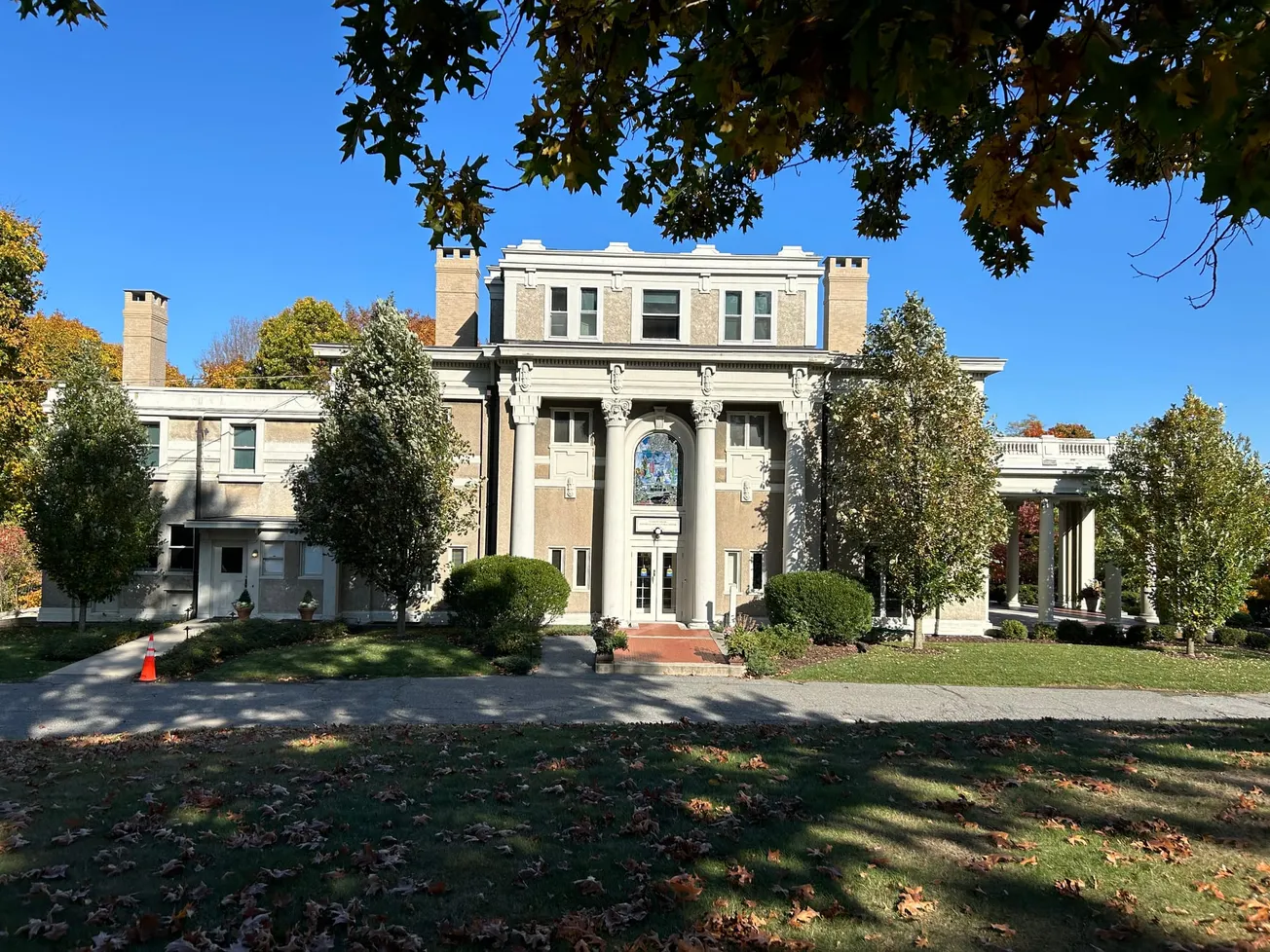
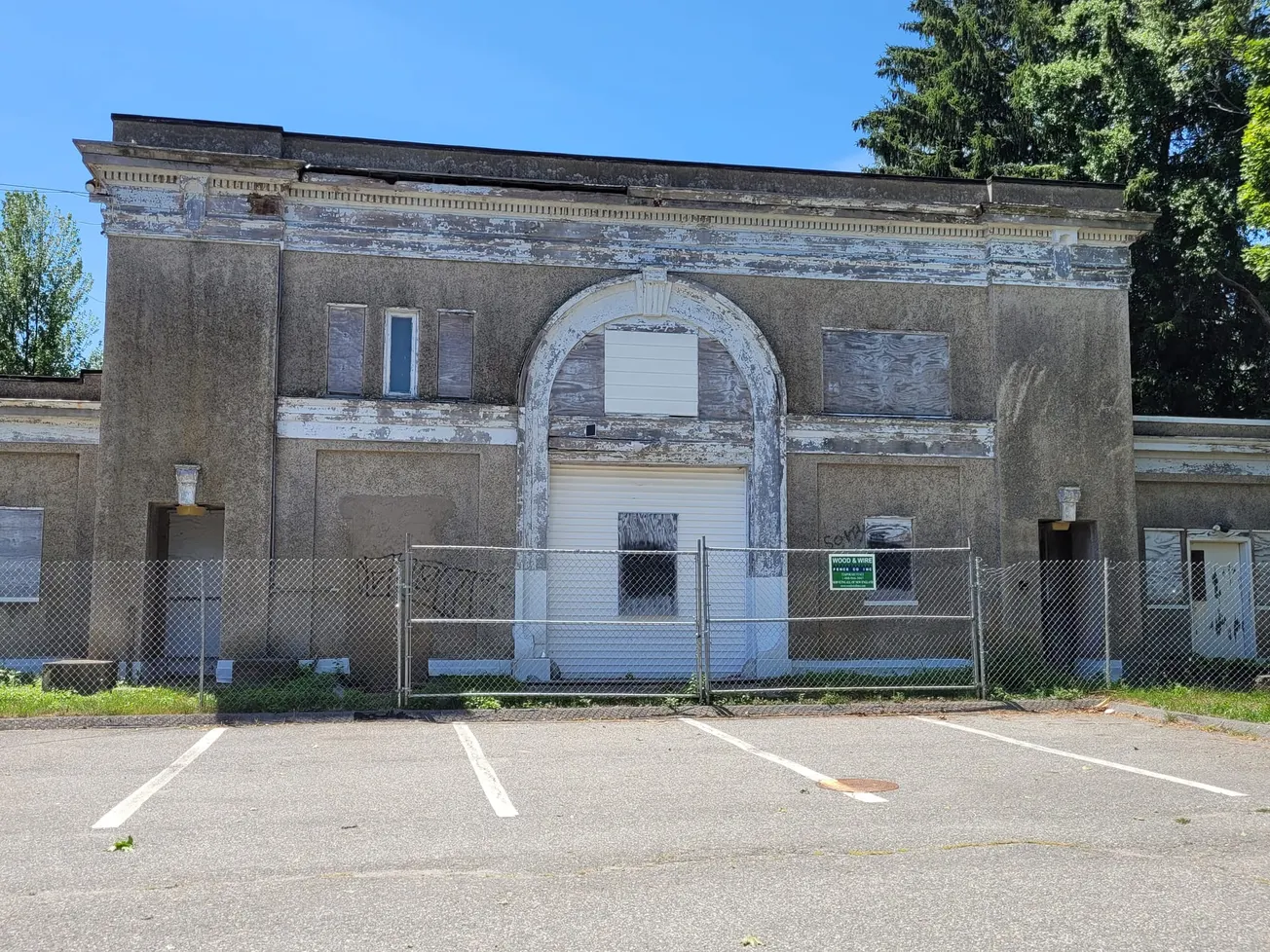
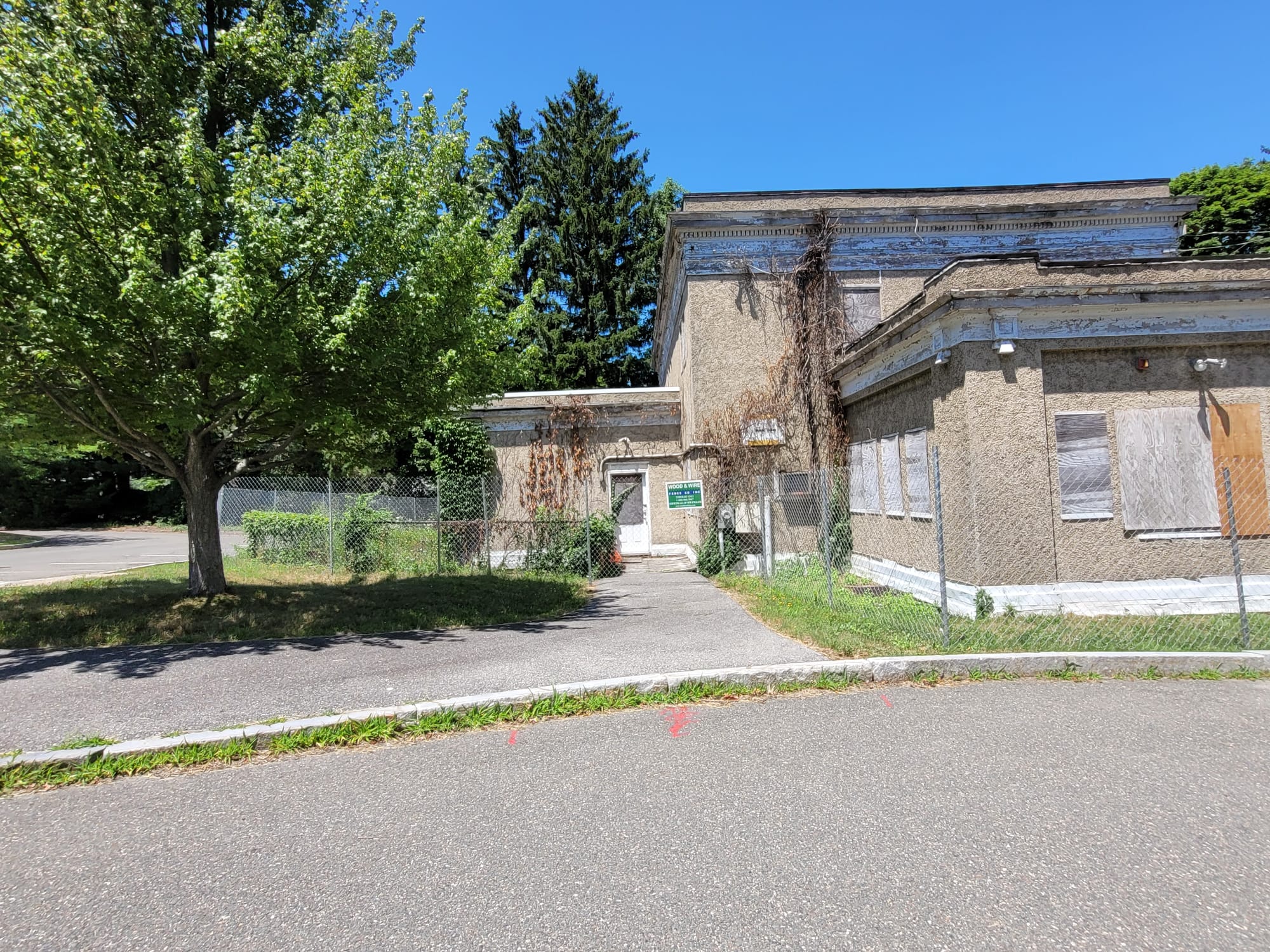
Built in 1906 for coffee heir Oren Sanborn, the Sanborn House and its carriage house went on the National Register back in 1981, becoming one of the first Winchester properties listed. The Historical Society leases and maintains the main house. The carriage house, meanwhile, has sat vacant since 2003.
In spring, Town Meeting rejected a $300,000 demolition article, then indefinitely postponed a follow-up proposal for a study committee with fundraising benchmarks.
“Once it’s gone, it's gone,” said Boswell.
She argues the town let the building rot, and that the bylaw tries to prevent exactly this. An owner who loses a significant building through neglect can be barred from pulling building permits on that lot for two years.
“We can’t demolish it by neglect,” she added.
Xiyue Eric Han is a student at Winchester High School. He has been an intern with Winchester News since summer 2025.