Table of Contents
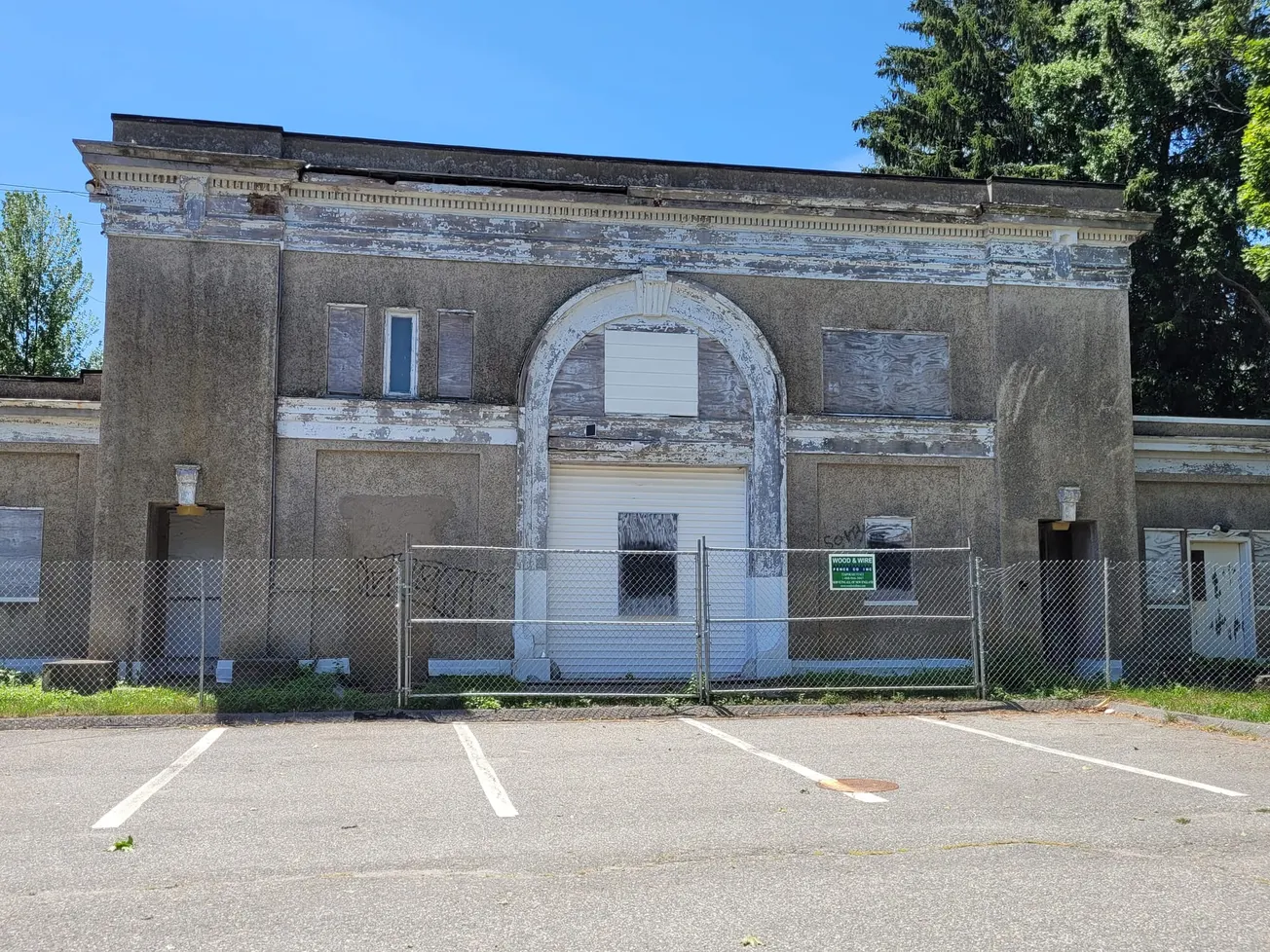
The Sanborn Carriage House has been in the news lately, with the recent Town Meeting voting in favor of its preservation following decades of disuse and neglect. An important piece of Winchester’s architectural history, the building completes the story of one of the town’s most ambitious families.
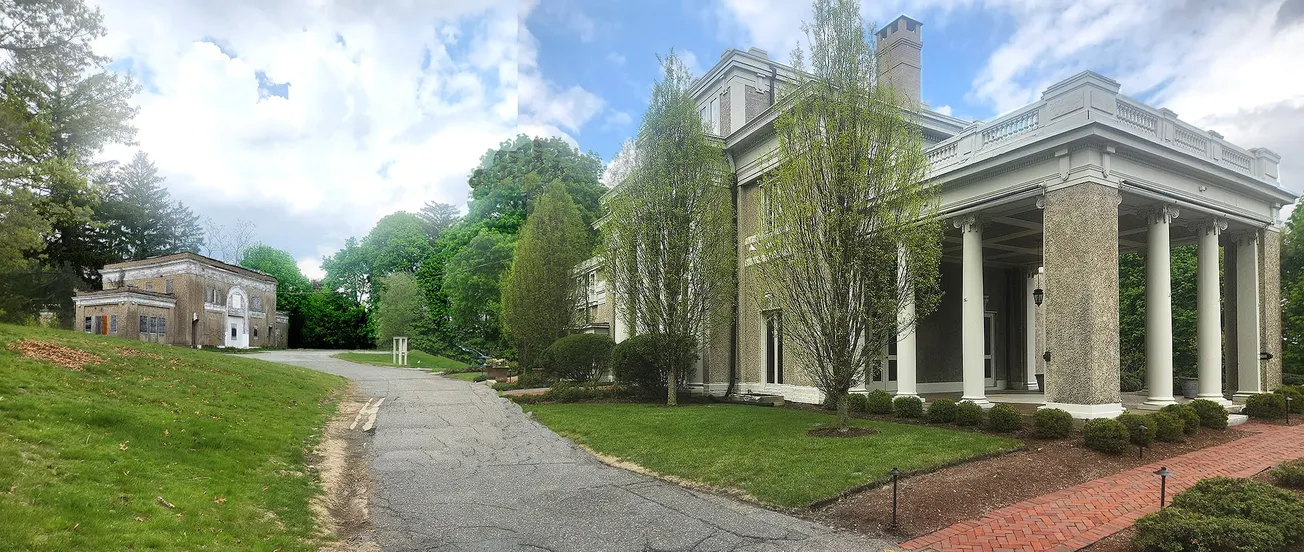
Winchester socialites Oren Cheney Sanborn and his wife Lorena Armstrong Sanborn built their grand hilltop estate (they called it “Aigremont,”) in 1906-8, to the designs of architects Hill & James.
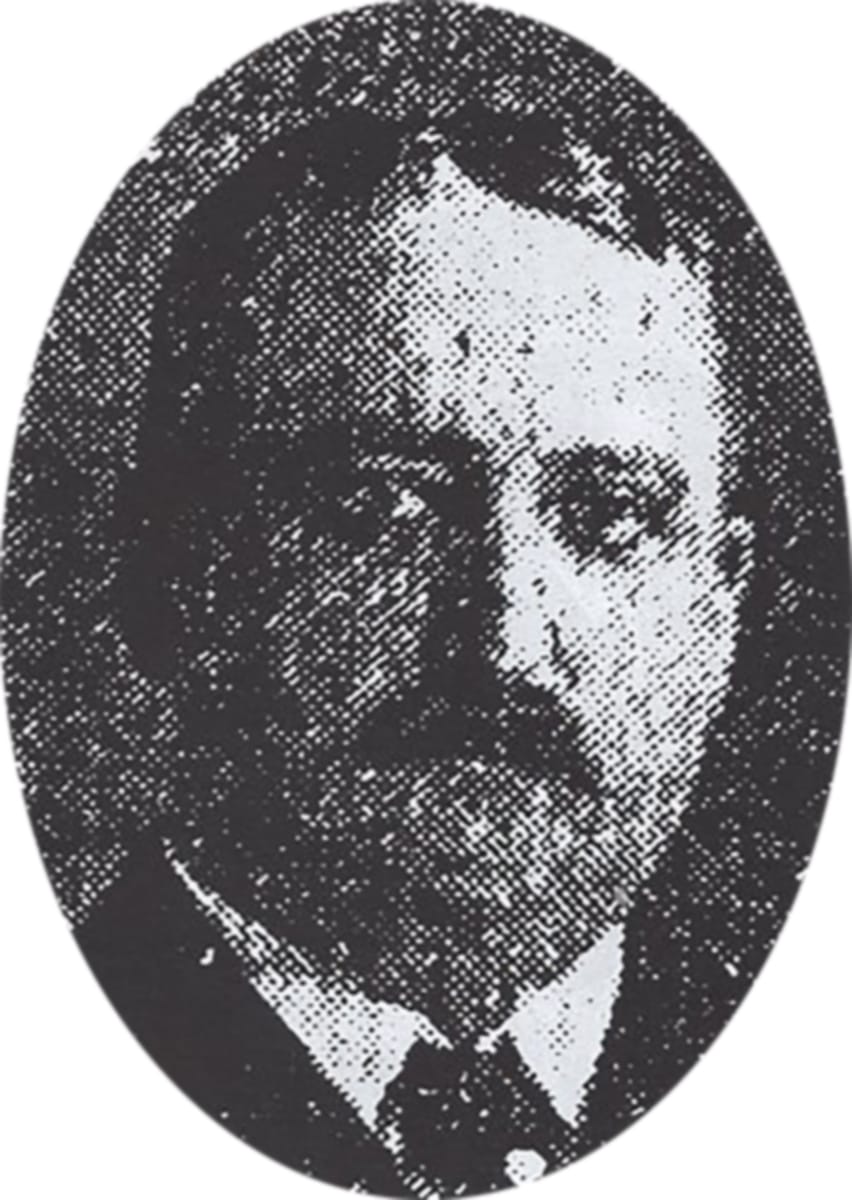
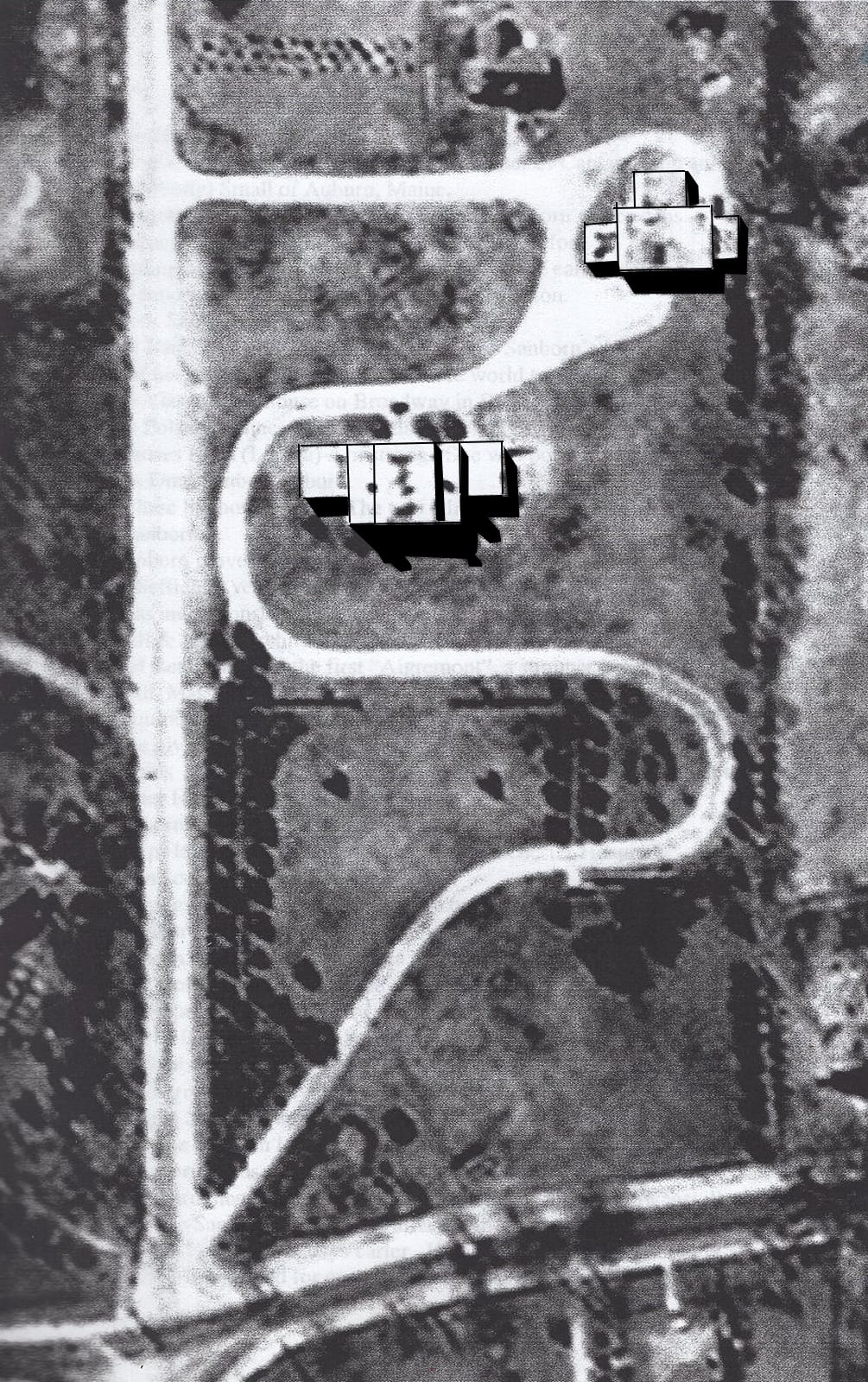
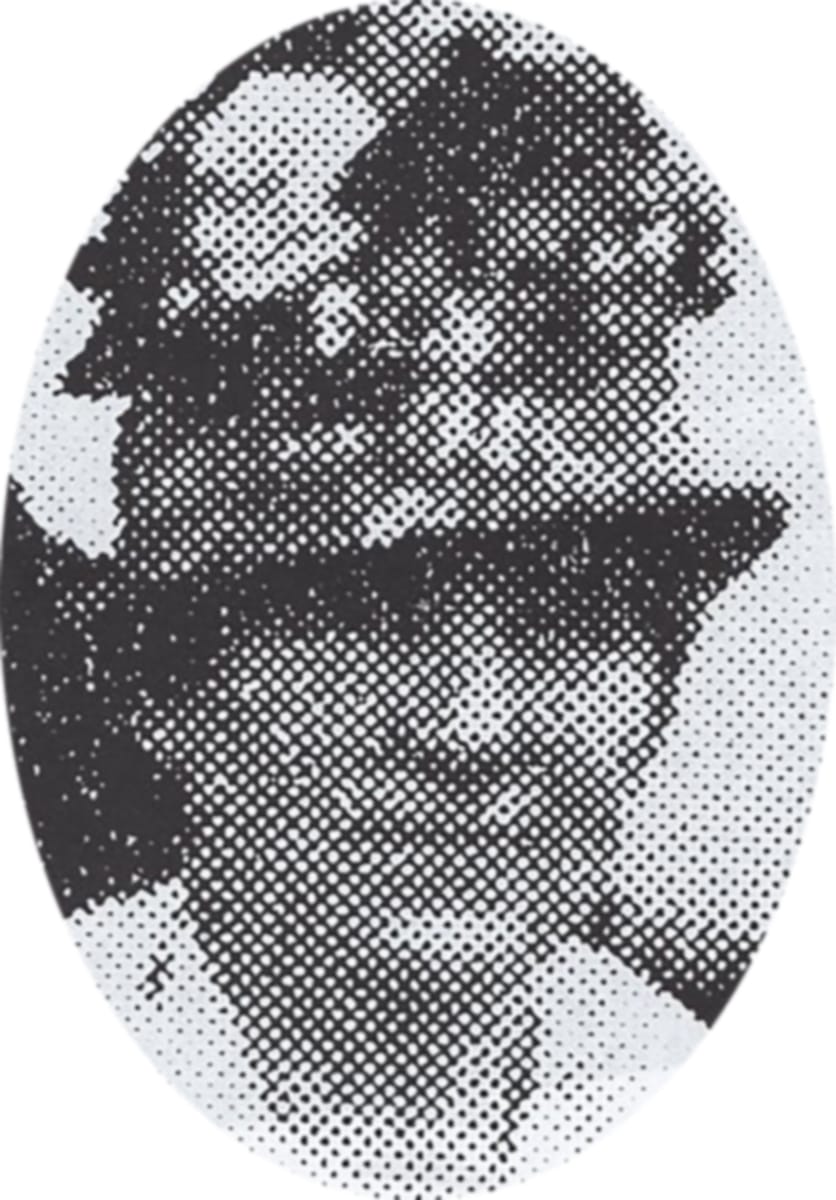
Oren Cheney Sanborn, left, and his wife Lorena Armstrong Sanborn, right, built their grand hilltop estate, center, in 1906-8. COURTESY PHOTOS
The campus consisted of the main house, and a substantial nearby carriage house in the same neoclassical style as the house. While the house became for a time the location of many parties, “tableaux-vivants,” theatrical and dance events, the carriage house embodied the Sanborns’ wealth in another way.
The Winchester Society Book of 1905 indicates that Sanborn was one of only 38 citizens in town who owned an automobile, and Oren’s 1905 Peerless was, at 24 horsepower, the most powerful in town.
Other cars were soon added to the collection, and the Carriage House was where they were kept and maintained.
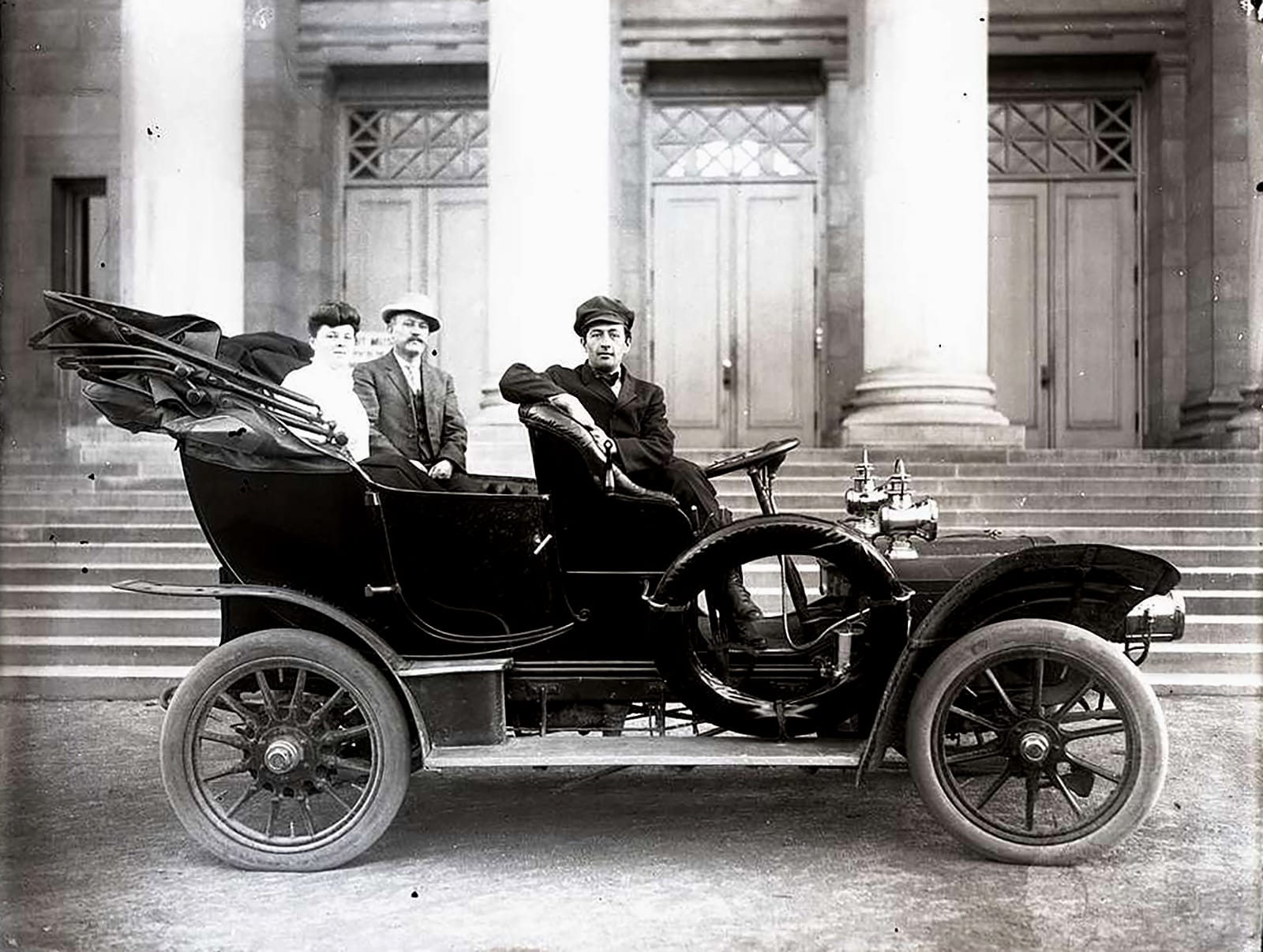
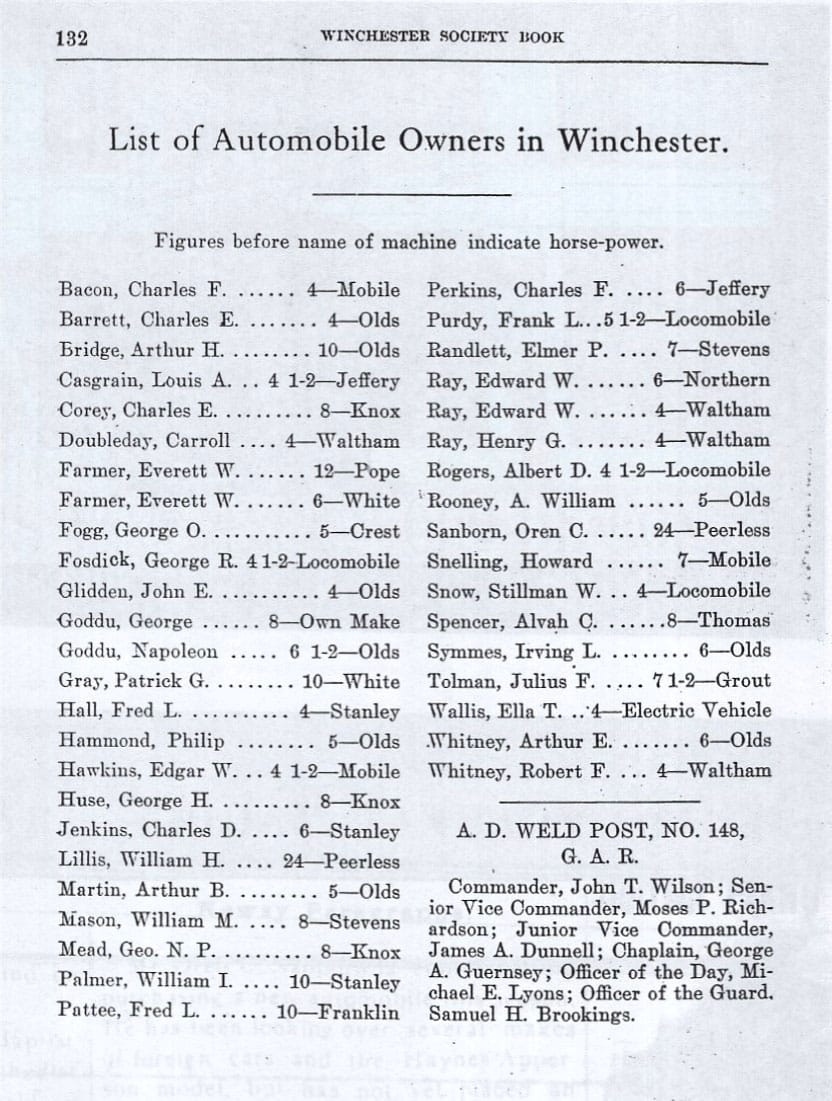
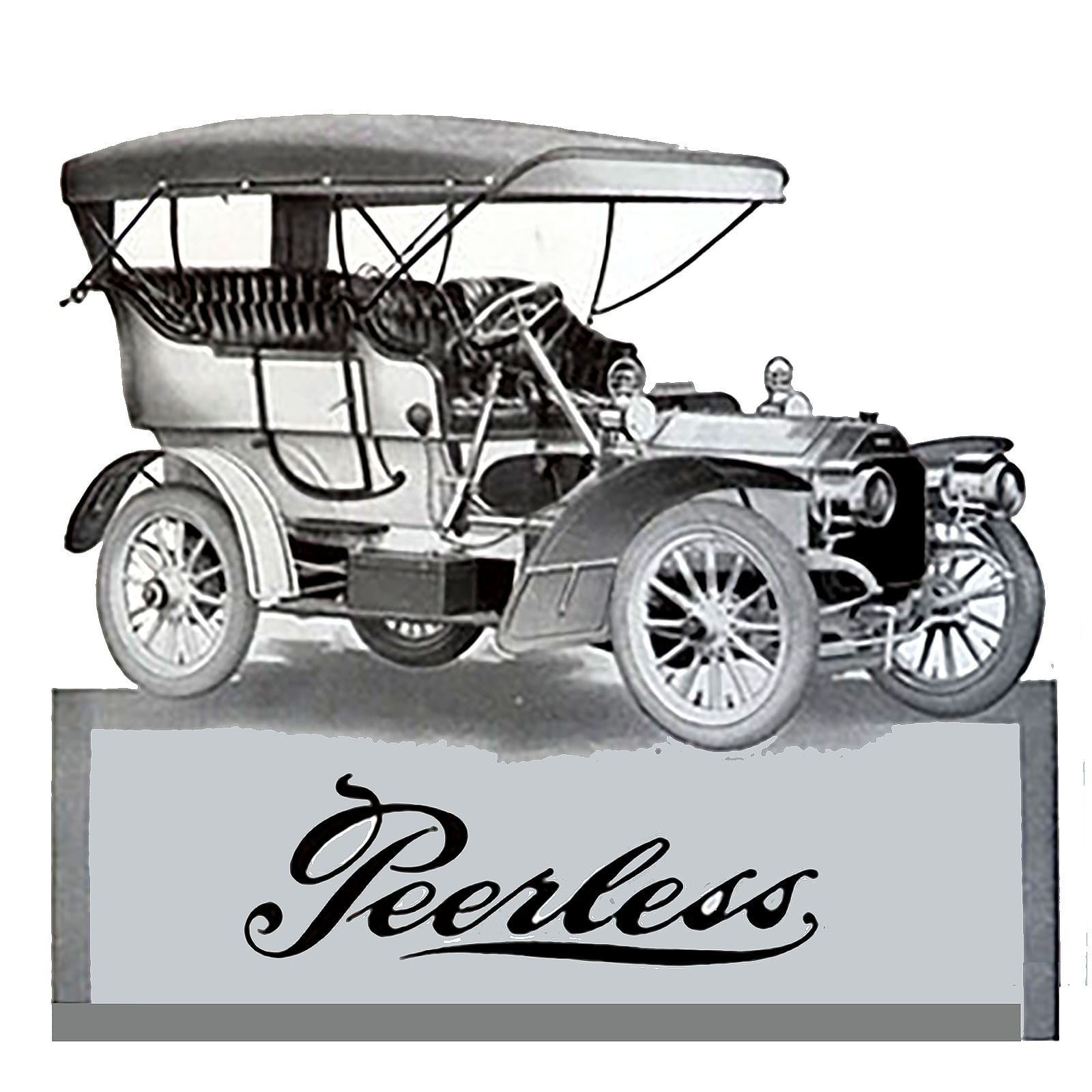
A driver and passengers in an early automobile, left, a list of automobile owners in Winchester in 1905, center, and an advertisement for a Peerless automobile from 1905. COURTESY PHOTOS
The Sanborns acquired other trappings of wealth — a sailing yacht and motor launch among them — which eventually exhausted the family wealth (inherited from Oren’s father, a founder of Chase & Sanborn Coffee Co.,) and the marriage itself.
The couple separated and the estate was sold in 1921. But it was all grand while it lasted.
Sanborn House today, being renovated and maintained for the town by the Winchester Historical Society, tells the story of this past grandeur. But that story would only be half-told without the Carriage House.
John McConnell is a Winchester resident.